


 EN
 ไทย



Customers Also Purchased

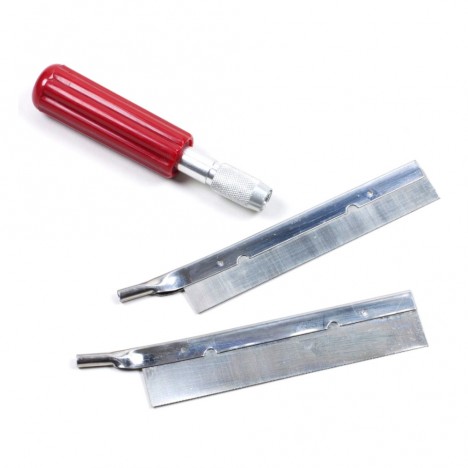

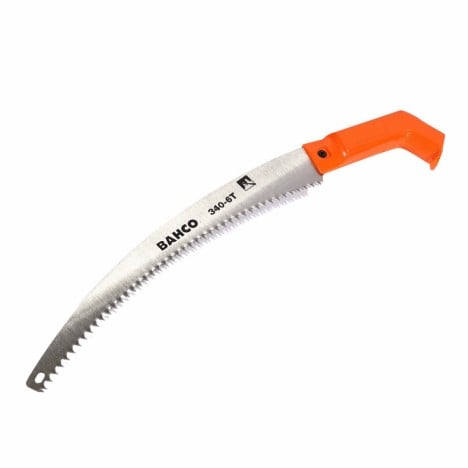

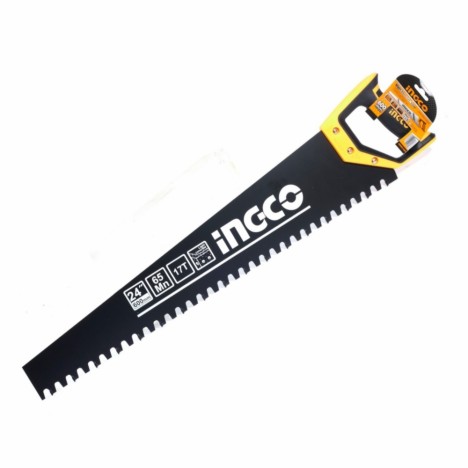
Japanese woodworking is often among the most unique in the world. You will find many fascinating handsaws used in Japanese woodworking. However, when it comes to European woodworking, there is a wider variety of handsaws, and it is intriguing to compare these two styles of handsaws. If I compare Japanese saws with Western saws, you will see that hand saws each type is unique in its own way. In my opinion, Japanese saws offer more precision than Western saws. Each type has its own advantages and disadvantages. Generally, you might see both styles used in woodworking. So, which one is right for you? Find out in this article.
Western Saws vs. Japanese Saws
When comparing European saws and Japanese saws, it is crucial first to understand that each blade is specifically designed for a particular use, with its own specific gripping method and way of supporting the wood. Although there are many differences between these 2 types of saws, I don't have an answer as to which one is better. What makes a saw the right one is whether it suits the needs of the job. That is why many experienced woodworkers own both types of saws. All of them are versatile tools capable of cutting dovetails or slicing large logs.


Cutting Direction
The primary difference between a Japanese saw—also known as a "Nokogiri"—and a Western saw lies in the direction of the cut: Western saws cut wood on the "push" stroke, while Japanese saws cut on the "pull" stroke. Pull-cutting in the Japanese style offers several benefits. The main advantage is that it allows for thinner blades, resulting in cleaner, more precise cuts with a narrower kerf. With a Western saw, you have to exert considerable force and tend to lean forward in the direction of the cut. With a Japanese saw, you can lean back, and the amount of effort required is much less.


Another disadvantage of Western saws compared to Japanese saws is that their blades are more prone to bending. Due to the pull stroke of Japanese saws, they experience less blade buckling. Japanese saws come in fewer broad categories compared to Western saws; however, there is still a wide variety in terms of the different sizes available within each type.
The key difference between Japanese saw blades and European saw blades is the cutting direction. With few exceptions, all Western saws cut by pushing forward, whereas Japanese saws cut by pulling the blade toward yourself. Thus, while Western saws remove material on the push stroke, Japanese saws remove it on the pull stroke.
Japanese saw
Japanese saw or Nokogiri Features a very thin blade and cuts as you pull it toward yourself. Japanese saw Commonly divided into 2 main types: Dozuki and Ryoba

The Dozuki saw blade is the thinnest you can find among Japanese saws. It features cutting teeth on one side and a stiffening spine along the other side of the blade, which is why it is also known as a backsaw. It is best suited for fine woodwork such as cabinetry and joinery. The Ryoba is relatively thin but features a double-sided blade: one side has crosscut teeth, and the other is intended for rip cuts. You can best use this saw for surface cutting, trimming wooden plugs when making screw holes, and for general cutting. Most Japanese saw teeth have three cutting edges, except for rip teeth, which have two. Japanese saws provide faster, smoother, straighter, and also cleaner cuts.

European saws
Although we are familiar with most European saws, there are still some lesser-known types, making the range of European saws quite broad. Teeth Per Inch (TPI) of European saw blades is lower than that of Japanese saw blades. European saw teeth are designed to effectively clear sawdust from the kerf. Crosscut saws, on the other hand, cut across the grain. This type of saw blade has a higher TPI, with a zero to negative rake angle and beveled cutting edges.
| Characteristics |
Japanese saw |
European saw |
|
Cutting direction |
Cuts on the pull stroke |
Cuts on the push stroke |
|
Durability |
High durability |
Medium durability |
|
Price |
a considerably higher price |
Lower price |
|
Handle |
Adapted for pulling |
Adapted for gripping and pushing |
|
Accuracy Level |
High precision focus |
Lower precision focus |
|
Blade Thickness |
Very thin, less than 1 mm |
Much thicker |
|
Control / Handling |
Requires less cutting force |
Requires more cutting force |
You might wonder Saws Which one is the best choice? I might not have a clear-cut answer to this question. While I talk about both types of saws, comparing two distinct types of woodworking, Japanese-style woodworking has its own identity, whereas the European style is more widely known. Japanese saws are crafted to suit Japanese working methods, but no matter what style of work you do, you can still use them.

If you don't know which brand of Japanese saw to choose, let me introduce you to ZET-SAW which will meet all your work requirements, whether it's cutting wood, bamboo, plywood, or even PVC pipes. Directly made in Japan, these items will definitely add value to your woodworking toolbox.