


 EN
 ไทย



Customers Also Purchased

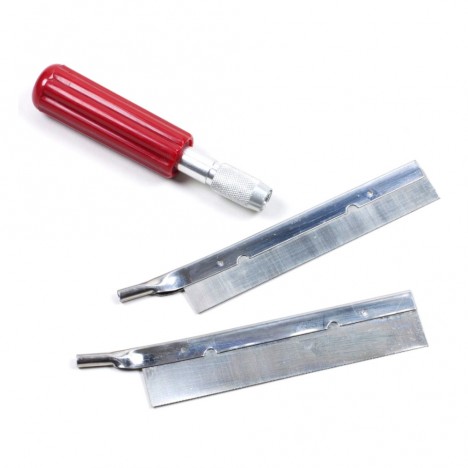

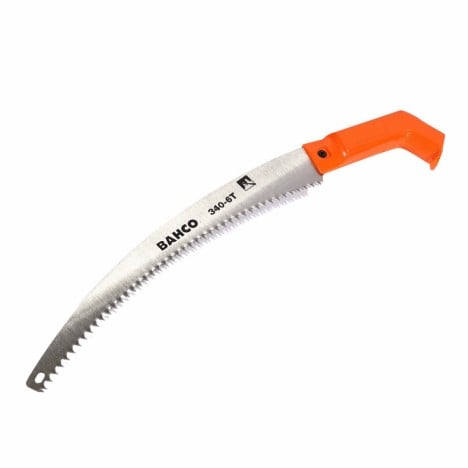

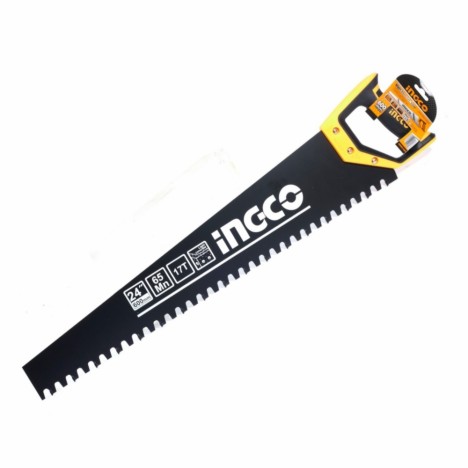
For hundreds of years, humans have used saws to cut a wide variety of materials. They have evolved from crude serrated edges made from shells, stones, and iron to precision-engineered saw blades that are incredibly efficient and durable. Even with the invention of power tools and their continuous advancement, while choosing power tools is often the most productive route, there are many situations where using a hand saw is safer, easier, and more efficient.

What is a saw?
Saws or hand saws It can be considered an essential hand tool that you must have in your tool arsenal. In fact, these saws belong right alongside hammers, chisels, and wrenches, as they are among the most frequently used tools for maintenance and general DIY projects. Although modern power tools offer exceptional speed and convenience in use, they are not always the definitive solution. In many situations involving factors such as accessibility, convenience, weight, safety, or precision, these very factors still make hand saws the superior choice.

Benefits of Using a Saw
It is common knowledge that power tools like circular saws, band saws, and electric saws can offer vastly higher productivity than hand saws. However, power tools still come with numerous factors and limitations, such as noise levels and portability. A quality hand saw will help your tasks—such as crosscuts and tenons—become faster, cleaner, and safer. 
Saw blades come in various types and sizes for use with different woods and materials. For example, a coping saw has a very narrow blade, allowing it to make cuts in hard-to-reach spots, while a crosscut saw provides a smoother, cleaner finish. Regardless of which saw you use, you'll benefit from the proficiency in handling these tools, increasing versatility and flexibility since you don't have to worry about a power source.

Whether you are a professional tradesperson, a general contractor, or a DIY enthusiast, knowing how to skillfully use a hand saw is always worthwhile. Having these foundational skills makes you more successful and valuable, enhancing your ability to deliver quality work in any environment. Furthermore, if there is a power outage or you are working in an area where noise levels must be strictly monitored, using a hand saw will undoubtedly keep your workflow seamless. Naturally, with many different types of saws available, knowing which type to use for specific tasks is critical if you want to achieve the best results.

Types of Saws
As mentioned above, there are many types of saws available for you to choose from. Some are designed as multi-purpose blades for general use, while others are purpose-built for specific tasks to maximize performance. However, it is worth noting that the naming of different saw types is not always consistent among various suppliers, manufacturers, and users, which can cause confusion. Common types of hand saws include: Hand saw Hacksaw Compass saw / Keyhole saw Pruning Saw PVC pipe saw etc.

In many cases, the precise differences between these various sub-types can be subtle, even though saw designs vary and practical applications may be similar. For instance, you might see a wood saw designed for straightforward timber cutting with specific indications of its intended application, while other saw styles are meant for cutting holes, curves, and precise intricate shapes. Additionally, some tools may be identified entirely by other characteristics, such as fine-toothed blades or heavy-duty versions. To make things simpler, I came across a brand of saws, namely ZET-SAWS which are Japanese saws, clearly specifying their type of use so you certainly won't get confused when choosing. In addition, hand saws can also be divided into 2 basic types, namely: Western saws and Japanese saws itself.

TPI Guide (Teeth Per Inch)
Next, let's talk about hand saws and TPI (teeth per inch), which is one of the key considerations when purchasing a hand saw for a specific job or material. In fact, TPI is often one of the biggest differentiators between the various types of hand saws available today. To keep the overview of TPI simple, the main rule to remember is: the more teeth per inch a blade has, the finer the cut and the smoother the resulting finish. Simply put, saws designed for fine, detailed work will have a higher TPI. Generally, a high TPI count is preferred when working with thinner wood and metal.

Hand saws are mainly intended for less precise tasks such as pruning branches, cutting sheet materials, or rough-dimensioning lumber. They typically have a lower TPI. Likewise, a low TPI count is often a better choice for thicker wood and green wood. Conversely, saws used for cutting metal and plastic usually feature relatively high-TPI blades due to the physical demands of those materials, though they are rarely used for detailed work. Basic hand saw TPI can roughly be categorized as follows:
- Saw blades with a TPI of less than 7 are usually coarse-toothed saws.
- Saw blades with a TPI between 7-11 are typically classified as medium-toothed saws.
- Saw blades with a TPI of 12 or more are generally designated as fine-toothed blades.

Saw Maintenance

- It is essential to exercise regular care to ensure your saw has a long service life. Keep it dry after use. When not in use, store it in a moisture-free, sheltered location to prevent rust.
- Make sure there are no nails in the wood you are cutting. Cutting into metal will dull the saw blade very quickly.
- Use the cardboard or plastic sleeve that came with your hand saw; rest the saw on it or put it back on when not in use.
- Only use the saw for its intended application. Inadvertently using a wood saw to cut metal will definitely cause damage.
I hope you enjoyed our buying guide and learned a little more about hand saws what each type is used for and which one suits you best.