


 EN
 ไทย


Customers Also Purchased
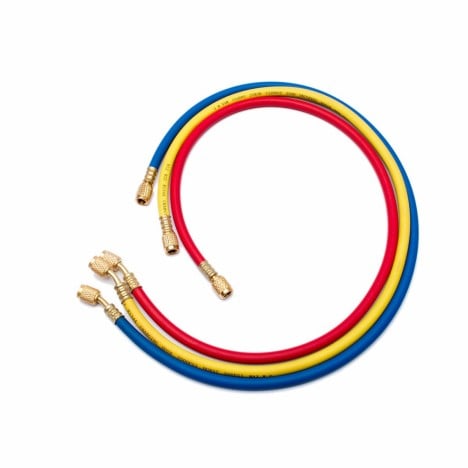
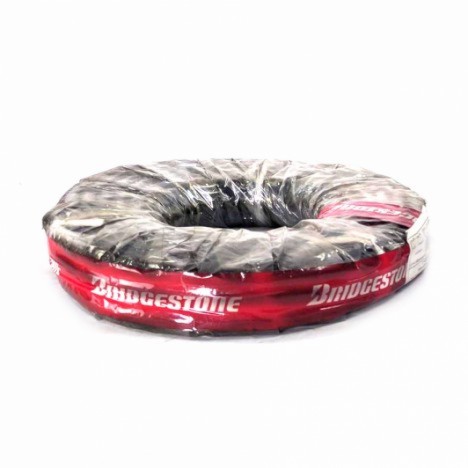


Auto repair shops that require dragging Air Hoses dragged across concrete floors all day to tighten wheel lug nuts, furniture shops using pneumatic nailers to fasten wooden frames on workbenches, and paint shops where workers walk around workpieces holding spray guns—all three use air hoses every day, yet encounter completely different problems. In some places, hoses burst quickly from being dragged over sharp edges; in others, hoses tangle and cause people to trip; in others still, the hose is excessively long, causing insufficient airflow at the end.
Many people might think that an air hose is just a tube delivering air from a compressor to a tool, and that any hose works just the same. In reality, however, each type of hose differs significantly in drag resistance, heat resistance, sun resistance, weight, and flexibility. A hose suitable for a furniture shop may quickly fail in an auto garage, and an extremely durable hose meant for heavy-duty tasks may be too heavy for paint spraying work that requires holding it for long periods.
Let's take a look at the differences between rubber air hoses, PU hoses, recoil (spring) hoses, and hose reels, which tasks each type is suited for, how to choose the right length and internal diameter to prevent pressure drops, and what warning signs indicate it's time to replace a hose immediately.
Why can't different types of air hoses be used interchangeably for every job?
An air hose does more than just carry air. It must constantly withstand tank pressure, flex with the user's movements, and endure being dragged across floors, stepped on, exposed to heat, sunlight, and oil mist mixed in the air. Manufacturers therefore use different materials to emphasize distinct advantages: some resist abrasion and heat, some are lightweight and flexible, and others focus on neat and tidy storage.
Beyond the material, the inner diameter and length of an air hose also determine how much air actually reaches the tool. A hose with a small inner diameter and excessive length causes a pressure drop along the way, even if the compressor is set to a sufficiently high pressure.
Choose an air hose based on the surface area it will be dragged across, the distance the air needs to travel to reach the equipment, and the volume of air required by that tool.
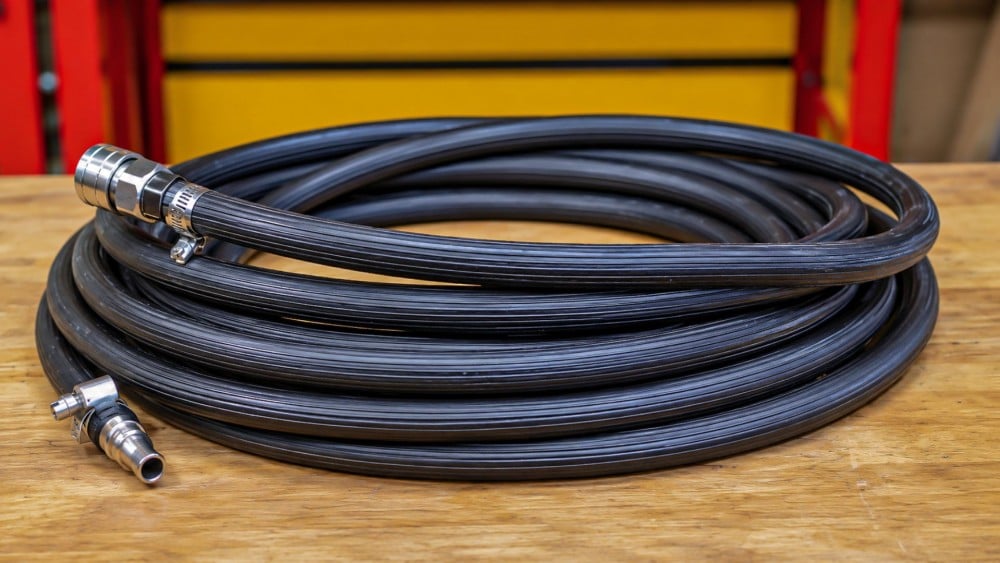
Rubber air hoses: resistant to dragging, heat-resistant, ideal for auto garages and heavy-duty tasks
Hoses made of rubber generally retain good flexibility even in changing weather. This type of air hose resists abrasion against concrete floors and withstands heat from floors or engine components better than many types of plastic hoses, while also being less prone to coiling up when laid on the floor.
Rubber air hoses are ideal for auto repair shops using air impact wrenches that require dragging the hose around vehicles, structural or outdoor work where hoses cross rough terrain, and areas near grinding or welding where hot sparks are likely.
Limitations of rubber
Rubber hoses are heavier than plastic ones. If you have to hold a tool for a long time and the hose is long, its weight will drag on your hand, and some rubber hoses can leave black marks on light-colored floors. The general rule is to use rubber hoses where heavy dragging or heat is involved, but for light bench work, a lighter hose provides better maneuverability.
PU air hoses: lightweight and flexible, ideal for workshop tasks and tools held for long periods
PU (Polyurethane) hoses are lightweight, flexible, kink-resistant, and do not leave marks on floors. They are ideal for tasks requiring frequent lifting and long holding of tools, such as pneumatic staplers/nailers, paint spraying, air blowing/dusting, or driving screws with an air screwdriver.
Suitable applications for PU air hoses
PU hoses do not tolerate high heat well; sparks from welding or grinding can melt the surface and cause punctures, and dragging them frequently over sharp metal edges or scrap can slice the jacket more easily than rubber. The rule of thumb is to never run a PU hose across areas with welding, cutting, or grinding, and avoid dragging it over sharp edges.
Therefore, this type of hose is suitable for furniture shops, paint shops, factory assembly lines, and jobs where the hose rests on a table or flat floor. PU air hoses help reduce wrist fatigue and coil up easily after work.
Coiled air hoses are suitable for close-range tasks, not for jobs requiring walking over long distances.
A recoil or coiled hose is a plastic hose formed into coils like a telephone cord. It can be stretched out and retracts by itself without piling up on the floor. It is suitable for fixed workstations, such as under an assembly bench or at a blow-cleaning station.
The limitation is that coiled hoses exert a continuous pull-back force; the further they are stretched, the harder they pull. Using them for jobs that require walking far will cause hand fatigue, and letting go while fully extended will cause the hose and attached tool to snap back. Use coiled air hoses only within distances that do not require maximum stretching, and never leave tools hanging from the end of a stretched hose.
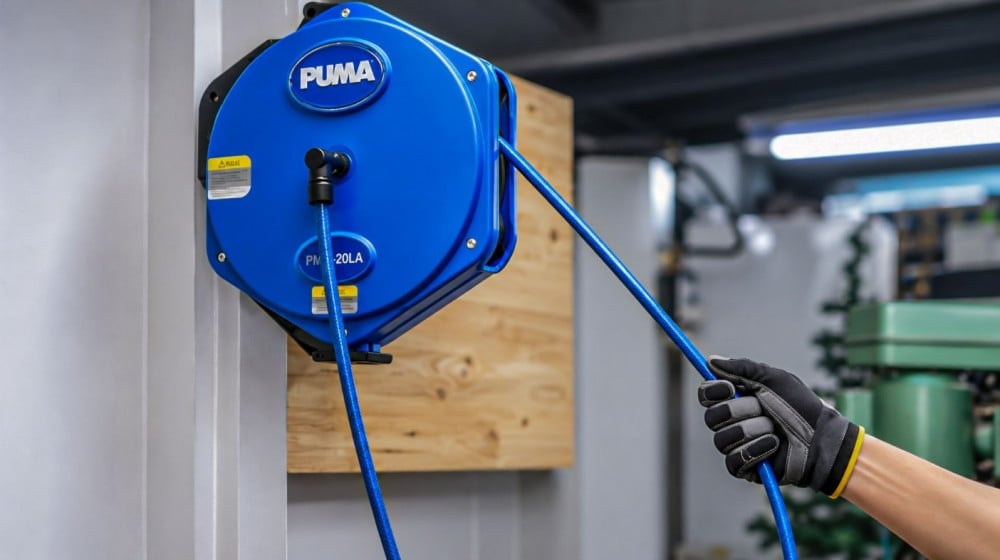
Air hose reels reduce trip hazards and extend lifespan: must be installed and used properly
Spring-loaded hose reels automatically rewind the hose after use, keeping it from piling up on the floor as a tripping hazard, getting run over by vehicle wheels, or enduring continuous exposure to sun and rain. This extends the hose's lifespan. They are ideal for auto repair shops, workshops with multiple workstations, and factories wanting to keep walkways clear.
Install securely and aligned with the pull direction
Air hose reels must be anchored to sturdy walls, pillars, or ceilings using the mounting points specified by the manufacturer. They should be mounted in a position where the hose can be pulled out straight without excessive angles, which would cause the hose to rub against the reel opening and wear out.
Guide the hose back slowly
Many people let the hose rewind freely at high speed; the end of the hose and its metal fitting can whip back with great force, risking hitting someone or cracking the fitting. The rule is to hold the end and walk it back slowly until the hose is inside the reel. For reel models specified by the manufacturer as suitable for both water and air, check the manual's conditions before switching between them.
Air hose length and bore size can cause terminal pressure drop
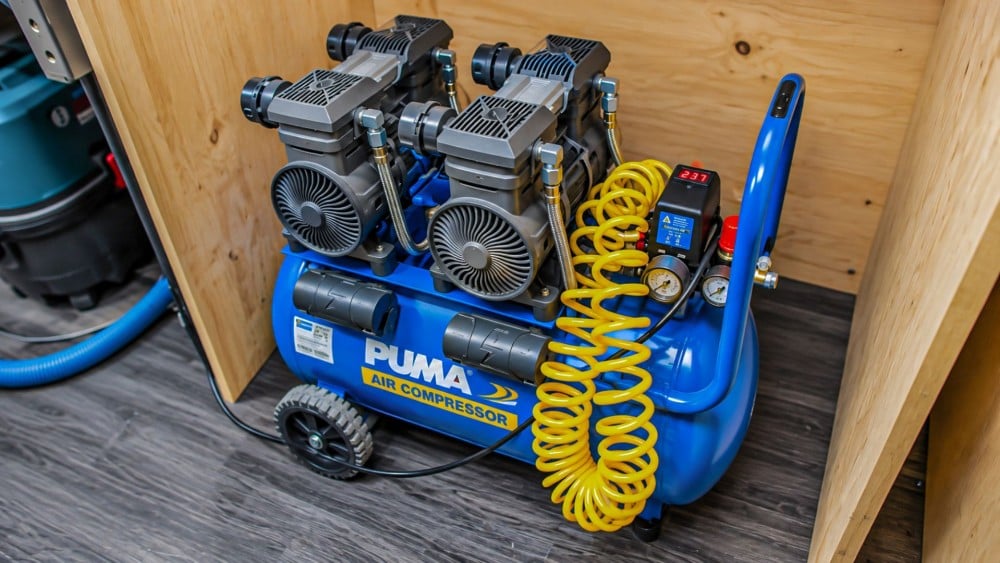
An air compressor set to the right pressure might not deliver enough air to the tool if the air hose is too long and the bore is too small for air-heavy tools.
Only as long as necessary
The longer the hose, the more friction air encounters against the inner wall, causing downstream pressure to drop with length. The rule is to choose a length that reaches the work area without being taut, rather than opting for the longest one available. If the work area is far from the compressor, run a rigid main air pipe closer to the site and use a short air hose from the outlet.
The bore size must match the tool
Low-consumption tools, such as air nailers or blow guns, can use small-bore hoses. However, continuous air-consuming tools—like large impact wrenches, air die grinders, or certain spray guns—require larger-bore hoses. Check the hose size recommended in the tool manual. Fittings with bores smaller than the hose can also cause pressure drops. Understanding pressure drop: Air hose fittings can cause pressure drops even without leaks
Air hoses and fittings must match in both size and type
A good hose with mismatched fittings will leak at the connection or slip off under tension. PU hoses typically use quick-connect push-in fittings or threaded compression fittings made specifically for that hose size. Rubber hoses, on the other hand, usually use barbed hose-tail fittings secured with crimped sleeves or hose clamps.
There are so many types of air fittings—how to choose without getting confused Measure the inner and outer diameters of the air hose to match the fittings, use properly sized crimp sleeves/clamps, and use quick couplers of the same standard throughout the system.
Can an air hose rated for both water and air be used interchangeably?
Yes, if that hose or hose reel model is specified for both water and air, used within the rated pressure, and any residual water is completely blown out of the hose before switching back to air, such as in car washes or detailing shops that use the same station for both spraying water and blow-drying.
Not recommended when that hose is connected to pneumatic tools that require dry air, such as air nailers, impact wrenches, or paint spray guns. Because residual moisture in the hose will be blown into the tool, causing rust and defects in paint finishes. If the shop uses both applications, separate the air hose for pneumatic tools from the hose used for water, and drain the air compressor tank regularly.
During use, avoid dragging the hose over sharp edges, do not let vehicles or carts run over it, do not kink the hose to stop airflow, and do not pull the air hose to drag tools or the compressor.
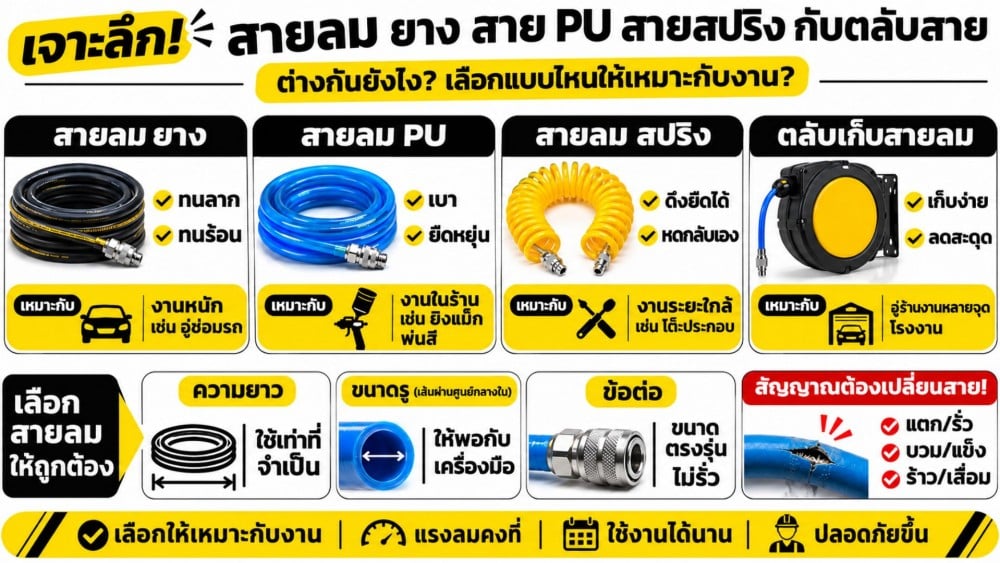
Summary: Choose an air hose based on the dragging surface, length, and air volume required by the equipment.
Air hoses that burst quickly, hoses that tangle and cause tripping hazards, and hoses that deliver insufficient airflow at the end are mostly not due to poor hose quality, but because the hose does not match the application.
Whether it is an auto repair shop dragging hoses over concrete floors, a furniture workshop firing air nailers on tables, or a paint shop holding a spray gun for extended periods, selecting the right hose type helps with both durability and air pressure.
What you need to do is use rubber hoses for heavy dragging and high-heat areas, use PU hoses for indoor work and tools held for long periods, use recoil spiral hoses for short-range workstations, and use hose reels to prevent tripping hazards and extend hose life.
Select only the length you need and an inner diameter sufficient for the tool, use matching fittings and clamps, and separate hoses for pneumatic tools from hoses used for water.
If you are looking for hoses or hose reels suited to your work, check them out now in the category Air Hoses at iToolmart