


 EN
 ไทย


Customers Also Purchased


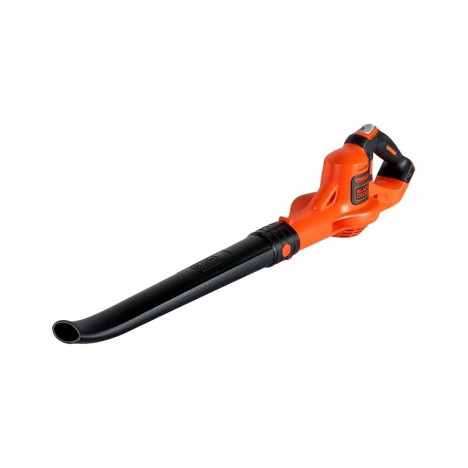

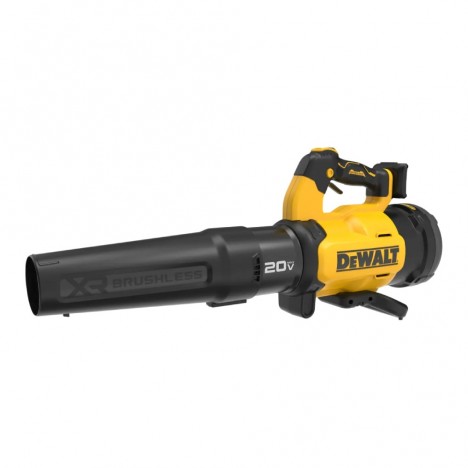
Blowers may seem like a power tool inherently designed to handle dust, as its primary purpose is blowing away dust, debris, leaves, sawdust, or cleaning up work areas. However, after using it for a while, it's not unusual to encounter symptoms such as
- The machine gets louder
- Airflow gets weaker
- There is a burning smell
- The tool overheats quickly
Or sometimes when turned on, the motor does not spin like it used to. The question is, Are blowers actually vulnerable to dust, even though they are used in dusty environments almost every day?
The answer is: blowers are not inherently "vulnerable to dust" to the point of being completely unusable in it, but dust can be a major culprit in accelerating tool wear, especially fine dust suspended in the air that gets sucked in along with the airflow through the machine.
- Why are blowers not suitable for fine dust? What should you do if you really need to use them?
A blower consists of a motor, impeller, ventilation vents, bearings, switches, wiring, and various electrical components working together. As dust accumulates in these areas over time, it can impair heat dissipation, cause the motor to run hotter, reduce airflow power, and significantly shorten the machine's lifespan.
Tell the difference: Normal dust vs. "accumulated dust" in a blower
First, it's important to distinguish between dust generated during normal use and dust that has accumulated inside the machine over a long period. Using a blower to clear dust from a workbench, blow away sawdust after sawing, clear a small amount of concrete dust, or clean nooks and crannies is work a standard blower can easily handle.
Problems start to arise when dust isn't just blown away, but some of it is drawn back into the air intake or ventilation vents. This is especially true when working in an enclosed space where dust swirls around you, or when holding the nozzle too close to a pile of dust, causing a cloud to blow back toward the machine.
Blowers operate on a simple principle: the motor spins an impeller at high speed to generate airflow and push air out through the nozzle. As air is drawn in and forced out, fine airborne dust floating around the unit can easily be pulled inside as well.
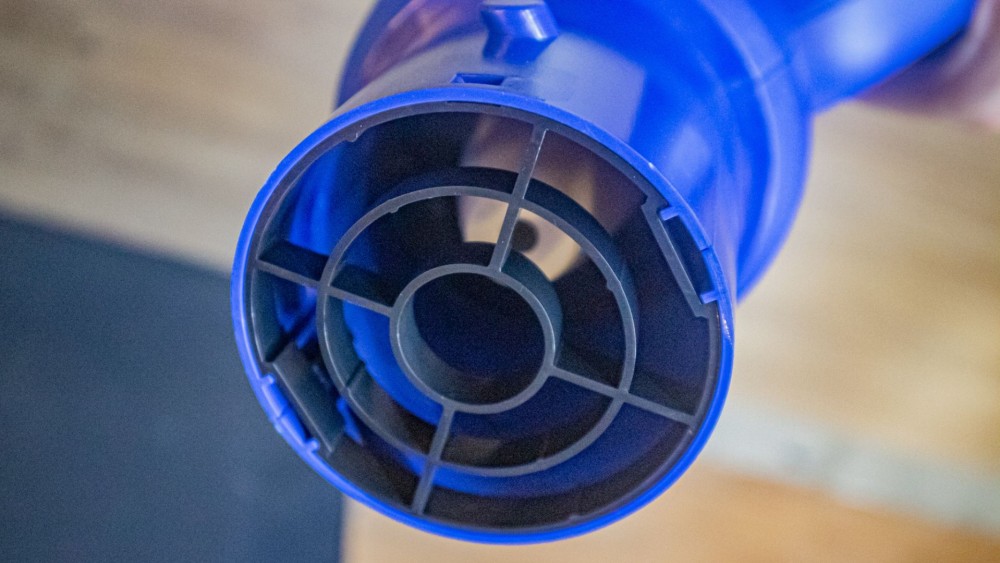
- Coarse dust or larger debris generally will not penetrate deep inside.
- Fine dust—such as wood dust, concrete dust, paint dust, metal dust, or sanding dust—can penetrate into tiny crevices much more easily.
- When it forms a thin layer of buildup on internal components, it hinders heat dissipation. Running the machine under hot conditions for extended periods increases the risk of burning out the motor or damaging components.
What happens inside a blower's motor during use?
If you wonder why blowers used in woodworking, masonry, sanding, or factory environments tend to deteriorate faster than identical models used for general household dusting, it is because the operating environment directly impacts tool lifespan. Machines used in areas with heavy, fine dust for prolonged periods require much more maintenance than those used occasionally for blowing leaves or light dust.
The motor has to spin at high speeds and constantly generates heat.
Blowers therefore have ventilation vents and air circulation to help reduce motor temperature. If the vents are clean and air flows well, the tool will operate normally.
However, if dust clogs the vents or coats the motor windings, heat will build up even more, just like covering hot parts with a thin cloth. Even though dust looks light and thin, accumulating over time turns it into an insulator that blocks heat dissipation. That is the starting point for symptoms such as weak power, a burning smell, or shutting off after short use.
Dust causes carbon brushes, springs, and commutators to wear out faster.
Many blower models, especially brushed motor models, contain a key component called “Carbon Brush” which is responsible for making contact with the commutator to deliver electric current that makes the motor spin. The carbon rubs against the rotating parts the entire time the tool is running, so normal wear is expected. However, if fine dust gets mixed in, the problem worsens because some types of dust act like abrasive powder.
Noticeable symptoms may start with abnormal tool noise, a mild burning smell, more sparking than usual around the ventilation vents, or a drop in airflow even without heavy use. Left unchecked for too long, the brushes may wear down too short, the brush tension springs may fail to function properly, or the commutator face may develop burn marks, preventing the motor from running at full power.
In some cases, the tool still powers on, but airflow drops noticeably; forcing continued use can cause severe motor damage beyond just needing a simple brush replacement.
Some types of fine dust are more dangerous than regular dust.
General household dust can make the tool dirty and clogged, but dust from certain construction or workshop jobs can have a much greater impact on blowers, such as:
- Cement dust is fine and easily penetrates crevices.
- Wood dust from sanding is high in volume and lingers in the air for a long time.
- Paint or putty dust can clump together when exposed to moisture.
- Metal dust can pose greater risks because of its hard particles, and in some cases, it may involve electrical conductivity or internal mechanical friction.
- Clarifying the doubt: Why shouldn't blowers be used near flammable materials?
Sometimes, does a blower suck in more dust the more you blow?
A blower doesn't just have an air outlet side; it also has an air inlet side so that the impeller can draw air in and push it out as forceful airflow. If the tool is positioned incorrectly—such as placing the air intake too close to piles of dust or using the machine in confined spaces where dust swirls around—the tool will suck in that dust more easily. The higher the speed setting, the more the dust disperses, increasing the chance of it blowing right back into the intake vents. Blowing dust in tight spaces: Is a blower good to use? How to do it effectively?
Usage habits that have more impact than you think
- Holding the nozzle too close to the ground
- Blowing heavy piles of dust continuously without pacing
- Blowing in unventilated rooms
- Blowing fine dust without a vacuum cleaner to help collect it
These practices can cause dust to disperse, making it hard to breathe and exposing the blower to excessive dust at once. A better approach is to start blowing from an appropriate distance, gradually guiding the dust in one direction, opening windows or ventilating the area, and avoiding pointing the machine's air intake directly toward dust.
Signs that a blower may have dust buildup in the motor
If you use the blower for about the same duration as usual, but the handle or housing gets hot faster than before, it may be a sign that the cooling system is starting to fail. Dust may have accumulated in the air vents, fan blades, or inside the housing, restricting proper airflow.
When the motor cannot dissipate heat fast enough, the blower will heat up more quickly, even under normal, non-heavy use.

Decreased airflow, altered sound, or unstable RPM
Weaker airflow can result from several causes, such as: Dirty fan blades, clogged air vents, worn carbon brushes, or a weakening motor However, if the machine's sound changes from a smooth hum to a scraping or harsh, dry noise, or if the RPM fluctuates erratically, you should stop using it and inspect it. Forcing the machine to continue operating while the motor is malfunctioning can turn a minor issue into major damage.
Burning smell or increased sparking
Some power tools may produce slight sparks from the carbon brush system during operation. However, if the sparks are abnormally excessive, there is a clear burning smell, or smoke appears, you should stop using it immediately. This could be due to worn carbon brushes, dirty contact surfaces, dust accumulation, or deteriorated motor windings. Continuing to run the tool may burn out the motor or cause safety hazards.
Corded vs. cordless blowers: Do they react differently to dust?
Both corded and cordless blowers are susceptible to dust, as both types feature motors, fan blades, and ventilation ports. However, the difference lies in how they are used.
Corded blowers are typically used for longer continuous periods, increasing the chance of heat buildup if operated in dusty environments. Cordless blowers offer convenience, easy mobility, and perform well in tight spaces, and may use brushless motors like other power tools. However, you still need to be cautious about dust clinging to air vents and battery terminals, especially when working on construction sites or in workshops with heavy, fine dust.
In addition, cordless blowers often feature electronic controls for speed or power management. If fine dust accumulates excessively or combines with moisture, it can affect circuit boards or battery contacts.
Therefore, after use, you should
- Wipe down the tool body
- Gently blow clean the air vents
- Store the battery in a dry place
- Do not leave the tool in heavily dusty areas at all times
What types of jobs are blowers suitable and not suitable for?
Blowers are suitable for general cleaning tasks, such as blowing dust off workbenches, clearing fallen leaves, blowing away wood shavings after cutting, clearing debris in open spaces, blowing down equipment before storage, or cleaning certain types of tools. However, they are not suitable for blowing large amounts of fine dust in enclosed, unventilated spaces because the dust will scatter into the air, resettle in the same area, potentially enter the user's respiratory system, and accumulate inside the tool.
Choosing the right tool for the job will help keep the area cleaner, make work safer, and extend the lifespan of your blower.
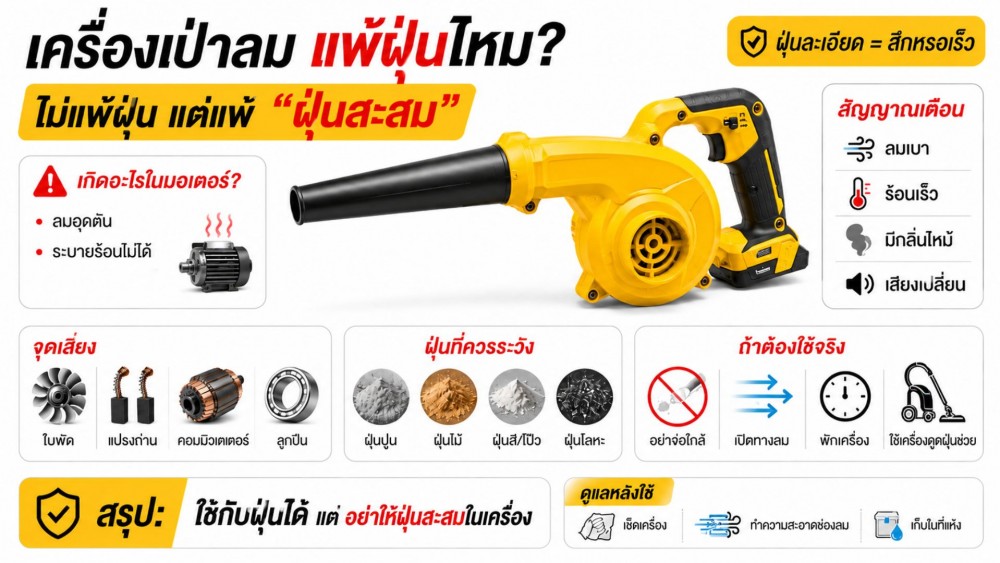
Summary: Are blowers vulnerable to dust?
To put it simply, blowers are not tools that are prohibited from being used around dust. They are designed to work with dust in the first place, but dust is also a factor that accelerates wear and tear. This is especially true for fine dust that accumulates inside the system and internal components, impairing heat dissipation, causing the motor to overheat faster, accelerating carbon brush wear, reducing airflow, changing the operating sound, and potentially causing burning smells or premature motor degradation.
Therefore, making a blower last is not about avoiding dust altogether, but rather about using it properly: do not hold it too close to thick dust, do not run it continuously until it overheats, ensure good ventilation paths, clean the air vents after use, and select the right tool for the job.
If you frequently work with heavy dust, you should use a vacuum cleaner or dust collection system in conjunction to help reduce the burden on the Blowers and mitigate airborne dust issues in the workspace.