


 EN
 ไทย


Customers Also Purchased


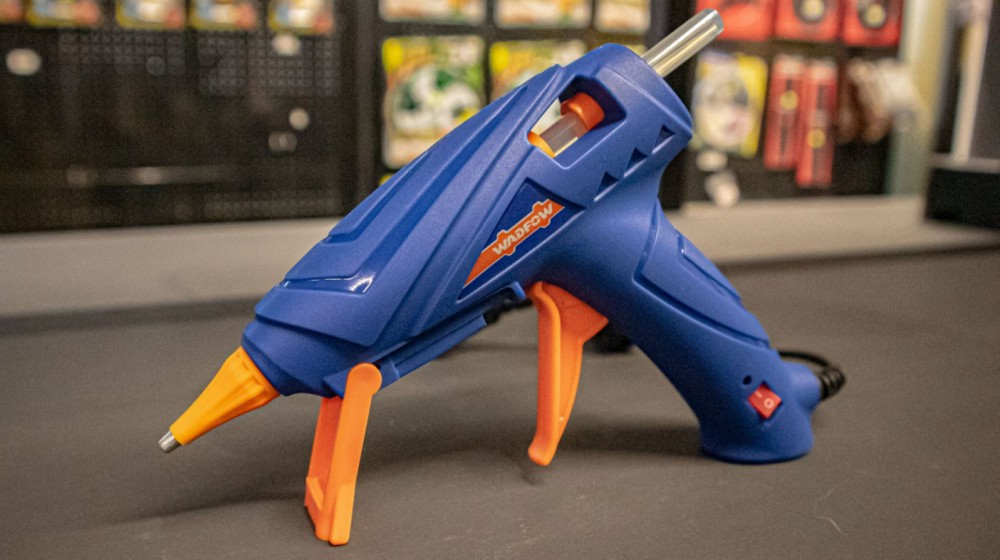
Imagine using a Glue Gun for a while, and then a strange smell begins to develop, leaving you wondering whether this is normal for a heat-based tool or a sign that you should stop using it immediately—since you don't know where the burning smell is coming from, and it could be from the glue stick, heating element, nozzle, or power cord.
A burning smell from a glue gun is sometimes just the smell of a new tool or old glue residue being reheated. But other times, it is a real warning sign, such as abnormal overheating, circuit degradation, or melting cord insulation. Forcing continued use could ruin your work, damage the tool, or cause safety hazards.
So let's take a clear look at which burning smells from a glue gun can still be considered normal, which ones warrant monitoring, and which require an immediate stop. We'll also cover commonly overlooked causes, accompanying symptoms to watch for, maintenance tips, and safer selection guidelines—so the next time you pick up a glue gun, you won't have to guess whether the smell is "normal" or "abnormal."
Is it normal for a glue gun to have a burning smell?
Glue guns can indeed produce an odor, but you must distinguish between general heating odors and an actual burning smell. During warm-up or first-time use, there may be a faint smell of heated plastic or glue, which is considered normal if the odor dissipates quickly, there is no smoke, no abnormal sounds, and the body does not overheat. What Temperature of Glue Gun is Enough? For Fabric, Wood, Plastic, or DIY Work?
However, if the smell becomes strong—resembling burning plastic, burning rubber, or severely overheated electrical insulation—it should not be ignored. This could indicate unstable heat, internal material degradation, or excessive glue buildup, signaling that the glue gun is not functioning normally.
Another point worth knowing besides misconceptions about glue guns is that different glue gun models regulate temperature differently. Some budget models may overheat the glue, especially when left plugged in for long periods; trapped glue inside will degrade and produce a more pronounced odor.
If you ask whether a burning smell from a glue gun is normal, the answer is: "It may be normal in certain situations, but it should not always be assumed to be normal." The key is to assess it alongside other symptoms, rather than judging by the smell alone.
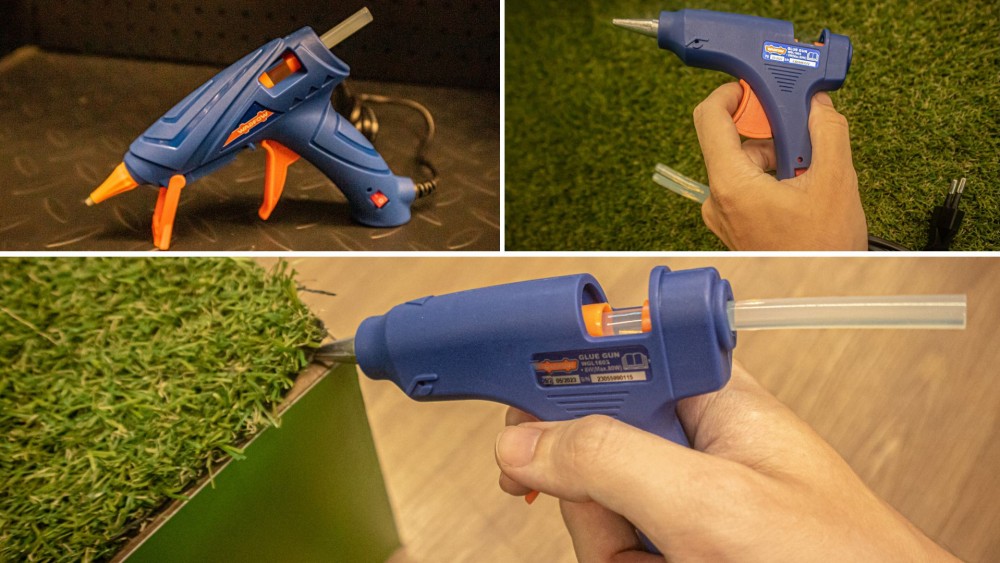
Telling them apart: General heat odor vs. an actual burning smell
When it comes to glue guns, the smell from normal operation is quite different from an odor caused by a malfunction. A normal odor is a warm scent of plastic or glue that isn't overly pungent, occurring briefly during warm-up or when old glue residue is stuck on the nozzle. Once continued in use or wiped clean, the smell typically disappears.
Another thing to look for is accompanying symptoms. If the smell comes with smoke, dark yellow residue, discolored glue, charred black buildup on the nozzle, or abnormal tool overheating, these are signs that this is not the typical odor from glue gun use, and you should stop to inspect it before continuing use.
What Causes a Glue Gun to Have a Burning Smell?
Before jumping to the conclusion that your glue gun is broken or unusable due to a burning smell, it might just be old glue residue repeatedly reheated, or from leaving it plugged in too long. However, in some cases, it can genuinely signal an emerging problem. Differentiating the causes will help you decide more accurately whether to clean it, adjust how you use it, or stop using the glue gun immediately for safety.
1. Old glue buildup on the nozzle or around the heater
One very common cause of a burning smell in glue guns is old glue buildup accumulated around the nozzle or discharge tip. Over prolonged use, some glue will seep out and solidify on the outside. With repeated use, this residue is repeatedly heated; what was once clear turns yellow, brown, or burnt black. If enough accumulates, a distinct burning odor develops.
In this scenario, it might not be broken yet; the glue gun is simply dirty and hasn't had the old residue wiped off properly. Especially after leaving it plugged in for a long time or using it continuously over multiple sessions, the reheated residue will give off an odor faster. If you find the odor primarily originates near the tip of the nozzle while the rest of the tool operates normally, start by cleaning it first before testing it again.
2. Leaving it plugged in for too long
Leaving the glue gun turned on continuously while working just to keep it handy is actually a major cause of burning smells, as it allows the tool to remain overheated for too long. In models without precise temperature controls, the glue left inside stays continuously hot far longer than necessary, causing it to degrade, break down, or change form. When the glue gun pushes this glue out, it produces a stronger odor.
It is not just the glue itself; the internal housing, mounting plates, heater mounts, or plastic parts near heat sources can also be affected. Especially if the tool is placed in a poorly ventilated corner or operated in a hot room, the risk of a burning smell increases even further.
3. Using low-quality or incorrectly sized glue sticks
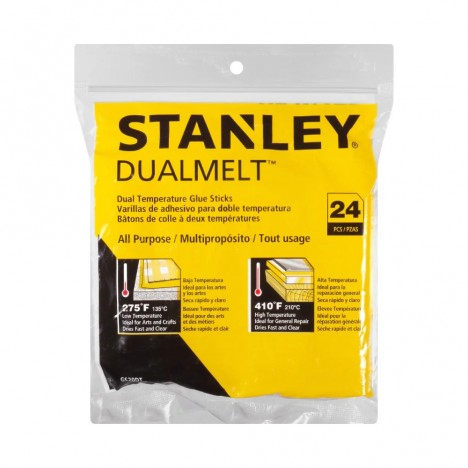
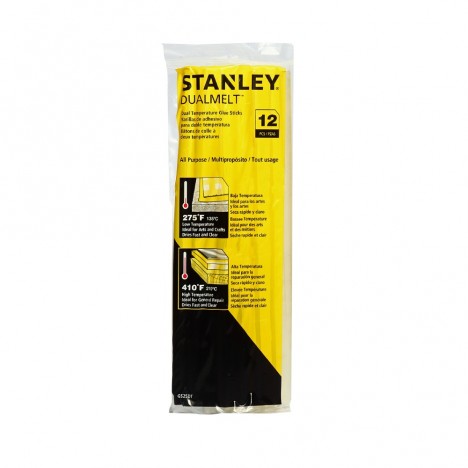
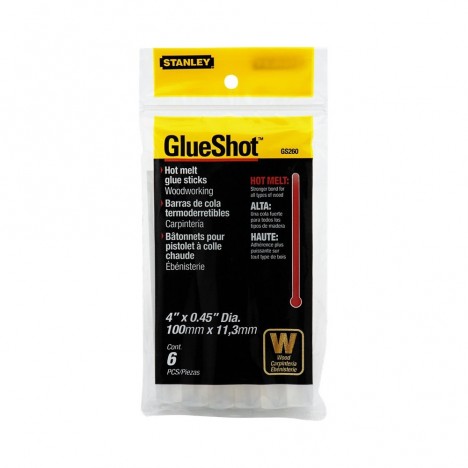
Glue guns for DIY projects and different types of glue sticks: What are the differences? This is often overlooked. Glue sticks affect the glue gun's odor much more than you might think. If you use low-quality glue sticks with inconsistent texture, numerous additives, or substandard manufacturing, they can release an unusually strong odor when heated. In some cases, they also scorch much more easily than high-quality glue.
Another issue is the glue stick diameter. If you use a glue stick that doesn't match the glue gun's specifications—such as being too loose or too tight—the feeding mechanism will work inconsistently. More glue remains trapped in the chamber, melts for too long, or encounters resistance when pushed through the nozzle. All of these factors increase the chances of burning odors or abnormal overheating smells.
4. Heating control circuit issues
If the burning smell from the glue gun does not come from external glue residue, another critical area to check is the internal heating element or heater. If it overheats or if the temperature control system malfunctions, the tool may melt the glue at an excessively high temperature. This partially chars the glue, produces a strong odor, and can place an excessive thermal load on the internal housing.
These symptoms often come alongside other abnormalities, such as heating up too fast, excessively liquid glue dripping constantly, the body staying hot for a long time even after unplugging, or the glue dispensing in a darker color than usual. If multiple symptoms appear at the same time, do not dismiss them lightly. If the issue really stems from the circuit or heater, continuing to use it will only increase the risks.
5. Deteriorated power cord, plug, or internal insulation
This is the situation that warrants the most caution. The burning smell from the glue gun might not be coming from the glue at all, but rather from electrical components, such as a brittle cord, loose plug, internal heat buildup at connections, or melted insulation. If the smell resembles burning electrical wires rather than warm plastic, especially near the handle or cord rather than the nozzle, stop using it immediately.
You should not continue using it just because the tool still heats up and dispenses glue. In reality, a power tool that is "still working" does not always mean it is "still safe." Leaving it unchecked could escalate to a short circuit or further damage to the tool.
When is it still safe to use, and when should you stop using it immediately?
The simple rule of thumb is: if the smell makes you unsure whether it's safe to continue, stop right away. A glue gun utilizes both heat and electricity, so you shouldn't take any risky chances.
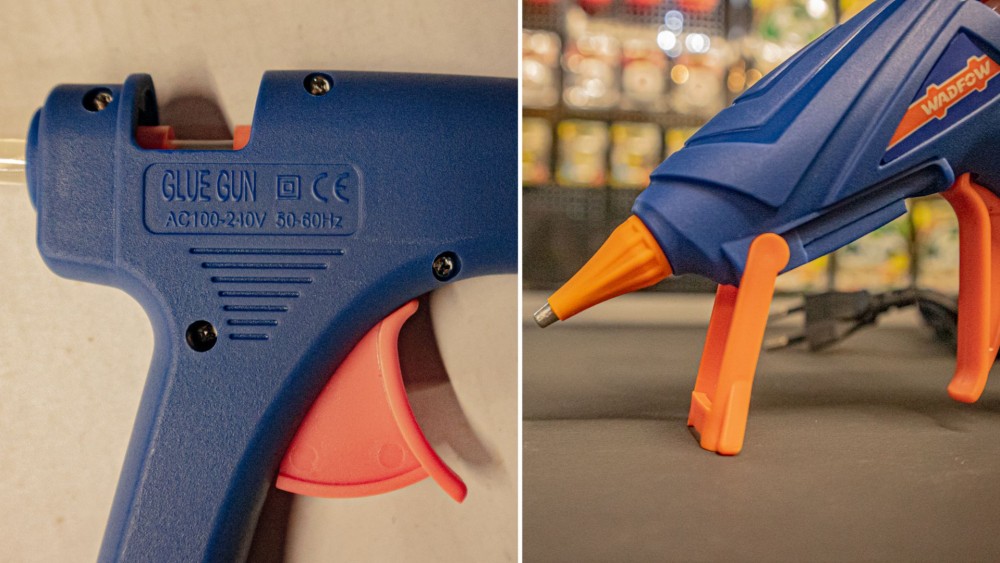
Preliminary self-checks for your glue gun before deciding to continue use
- Check where the smell is mainly coming from If it comes from around the nozzle, it could be due to glue residue or overheated glue. But if it comes from the handle, cord connection, or side ventilation slots, it might be an issue with the circuitry or wiring.
- Observe the glue being dispensed The glue should be clear or cloudy depending on the type. If it turns brown, unusually sticky, or granular, it may be due to prolonged overheating or contaminated with old residue.
- Check the housing and power cord Inspect the entire body for swelling, cracks, discoloration, or melted parts. Check if the power cord is brittle or if the plug shows burn marks. Do not continue using it if there is visible damage along with a burning smell.
- Listen for sounds and monitor the temperature If you hear popping, subtle cracking sounds, or any unfamiliar noises, exercise caution. If the heat spreads to the handle or the rear of the tool, that is a bad sign.
If a glue gun smells burnt just once, do you have to throw it away?
If the glue gun emits a burning smell only once and you can clearly identify that it comes from old glue residue or the initial break-in of a new tool, and the smell disappears after cleaning with no smoke, abnormal heat, and normal subsequent operation, this is still considered normal.
However, if the smell keeps returning despite changing the glue stick, wiping away residue, and reducing idle time, or if it tends to get stronger, do not force it. The root cause may be deeper than what meets the eye. The truly important thing is not to let regret cloud your safety judgment.
Reduce the risk of frequent burning smells from your glue gun
A burning smell from a glue gun rarely starts with major damage; rather, it gradually accumulates from small, overlooked usage habits. Using it with care and caution, such as:
- Do not leave it plugged in longer than necessary The easiest way to extend the lifespan of a glue gun is to turn it on only when you actually use it, and unplug it during extended breaks. Heat buildup is a silent enemy to both the glue and the tool.
- Use matching, high-quality glue sticks Choosing glue sticks that match your tool's size and offer consistent quality helps ensure smooth operation and reduces burnt glue issues.
- Regularly wipe away accumulated glue residue After using a glue gun, let the tool cool down to a safe level, then wipe away excess glue from accessible areas. This reduces the chance of old residue burning repeatedly during the next use and makes it easier to inspect the nozzle's condition.
- Place the tool in a well-ventilated area Some people use glue guns in cramped corners surrounded by scraps of paper, cloth, or plastic, which is not ideal.
Leaving a glue gun without proper ventilation not only allows odors to build up easily, but also increases heat risks. Placing the tool on a stable base with good ventilation ensures safer operation.
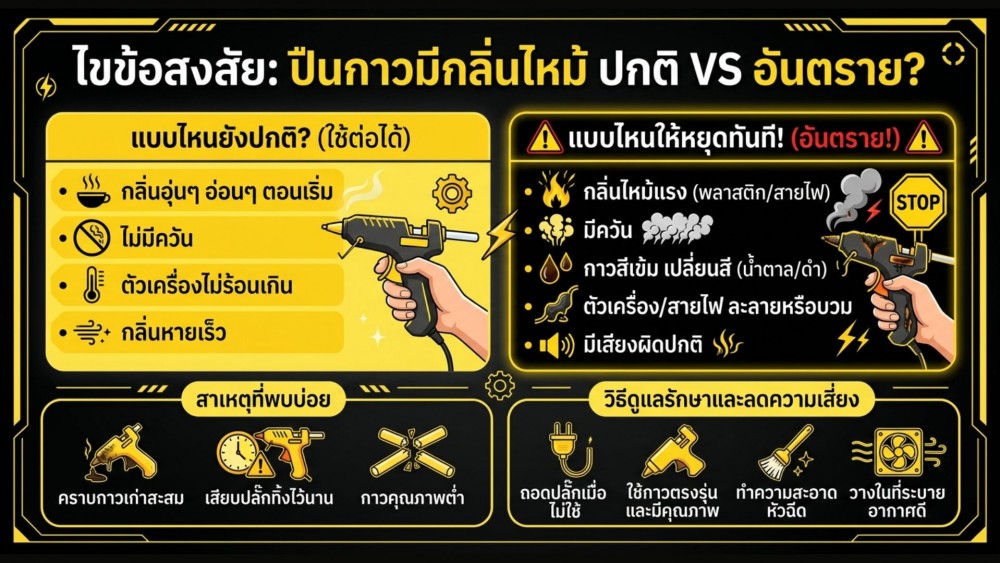
Summary: Glue gun burning smell—is it normal or should you stop using it?
A glue gun can have an odor, but it shouldn't produce a strong, persistent burning smell that feels abnormal. A faint odor during warm-up or from minor glue residue can occur. However, if the smell becomes pungent—similar to burning plastic or electrical wiring—with smoke, heat in abnormal areas, or other accompanying symptoms, you should immediately stop using it and inspect it first.
Don't overlook the smell as a minor issue; often, it is the first sign that the glue gun is being overworked, too dirty, or suffering from internal problems. Recognizing it early helps prevent ruined work, damaged tools, and safety risks.
If you want it to Glue Gun operate smoothly, last long, and be free of annoying burning odors, the simple rules are: choose the right glue sticks, avoid leaving it plugged in idle for too long, wipe away accumulated residue regularly, and observe minor anomalies every time you use it.