


 EN
 ไทย


Customers Also Purchased


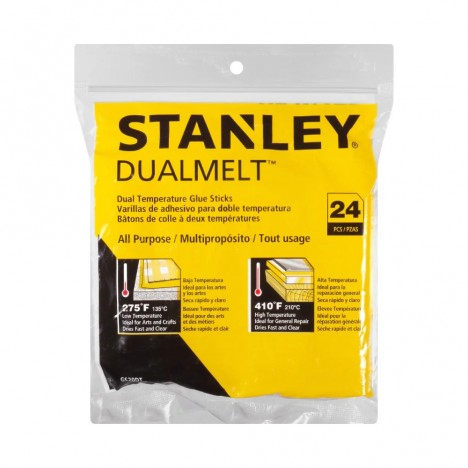
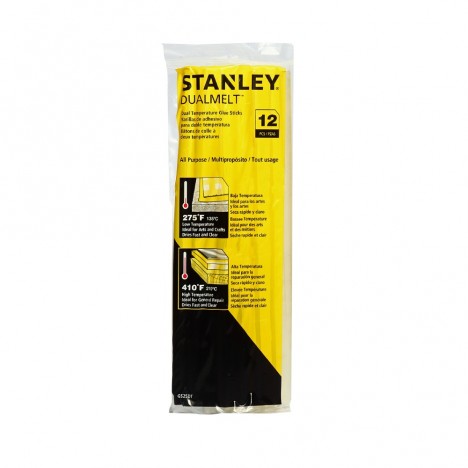
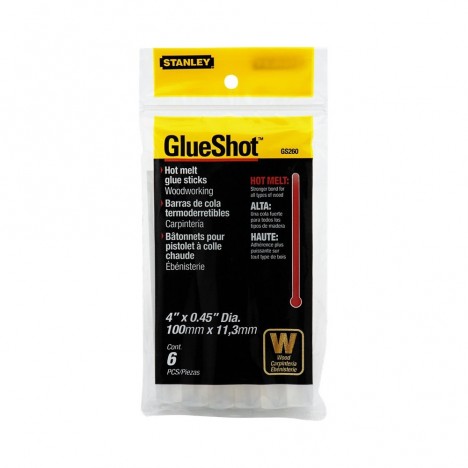
Glue Gun It's a craft and hand-tool staple that I think many of us have handled since childhood, used across countless tasks ranging from small DIY repairs to professional trades. Yes, glue guns can definitely be used in trade work—and when used properly, they're far better than you might think.
Because it is a tool suitable for a wide variety of tasks, easy to use, and bonds very quickly, many people might pick it up without hesitation. More importantly, there are plenty of misconceptions surrounding glue guns. It's precisely these misunderstandings that can easily cause us to slip up, ruining our work, wasting our time, or even creating real hazards.
In this article, we'll compile common glue gun misconceptions that many people may still believe to be true, along with the facts that might surprise you, ultimately guiding you to use it correctly, effectively, and without ruining your projects.
What is a glue gun and how is it used?
Before diving into the misconceptions, let's first understand what a glue gun actually is. It's an electrical tool that uses heat to melt glue sticks—such as petroleum resin or thermoplastics—and dispenses the adhesive to bond various materials. Its highlights are its ease of use, fast drying time, and relatively strong adhesion to multiple types of materials.
Thanks to this convenience, glue guns are commonly used for small repairs or simple assemblies, such as fabric, paper, or small pieces of wood, making them a pretty good option for craft and DIY projects.
However, that doesn't mean a glue gun is a "magic glue" that works for every task. Whenever I hear someone say, "A glue gun can fix anything," I can't help but chuckle inside. The truth is, there are still many factors that affect bonding performance. This is precisely what leads to misunderstandings, which we'll explore in depth below.
Misconceptions about glue guns
Often, watching someone use a glue gun makes it look so simple that anyone might become careless—just plug it in, wait for it to heat up, and pull the trigger to dispense the glue. In reality, behind using a glue gun are details that most people overlook: suitable materials, dispensing techniques, glue volume, and maintenance. Everything affects the quality of the work. If you hold false beliefs and use it improperly, you might unintentionally ruin the project you worked so hard on. Let's see what these misconceptions are.
1. Glue guns can bond any type of material
Many people buy a glue gun to keep at home thinking it is an all-purpose tool, or they fall for advertisements claiming it sticks to wood, sticks to pipes, and so on, leading them to believe hot melt glue is the answer to all repairs. But did you know that hot melt glue often has more specific applications than other types of adhesives?
In fact, hot melt glue bonds strongly with porous materials or surfaces that are not slick and glossy—such as wood, paper, fabric, foam, or certain types of plastics. But if applied to smooth metal surfaces or high-heat-resistant plastics, the glue will peel off very easily, almost as if it had no bonding effect at all.

2. The more glue you squeeze out, the stronger it bonds
Remember using liquid glue or white latex glue on paper when you were a kid? For large sheets, bigger surface areas, or when you just wanted it to stick fast and not come apart, you'd apply a generous amount, right? Once the glue soaked into the paper and dried, it held firm permanently. But did you know that this principle doesn't apply to glue guns?
Some people think that when a glue gun doesn't hold firmly, they just need to pull the trigger to add more glue. In reality, too much glue only makes a mess of your workpiece. Furthermore, an excessive amount of glue cools down slowly, causing the workpiece to shift or deform—producing the exact opposite result instead of the strong bond you hoped for.
The truth: When using a glue gun, you should apply a moderate amount and quickly press the pieces firmly together while the glue is still hot to achieve the best results.
3. Glue guns are not dangerous
It's true that a glue gun isn't a welder or a soldering iron... but that doesn't mean the heat required to melt a glue stick won't cause bodily harm. Some view it as just a small tool using easy-to-melt glue, but in reality, the nozzle can reach temperatures as high as 180–200 degrees Celsius. Coming into contact with it can cause skin blistering or serious burns.
I once accidentally brushed against the nozzle while rushing through a project, and the pain made a lasting impression. That's why I want to emphasize: never be careless when using a glue gun.
4. All glue sticks are the same
Another misconception that has ruined many a project is thinking that all glue sticks are the same and whatever you buy will work. Whenever we buy any power tool, consumables are often the most overlooked aspect. Many people think that as long as the machine is powerful, any refill will do—just like choosing a high-end drill but paying no attention to the drill bits. Glue guns are no different.
In reality, glue sticks come in many formulas, including clear glue, white glue, yellow glue, or specialty glues designed for specific materials like plastic, metal, or fabric. If you pick the wrong formula, no matter how good your glue gun is, the job will still fail.
Additionally, glue guns come in small models that use approximately 7 mm glue sticks and large models that use standard 11 mm glue sticks. Using the wrong size stick will result in an improper fit, glue not extruding properly, or potential damage to the glue gun. Therefore, before purchasing, you should check clearly what size glue stick your glue gun supports and Glue guns for DIY projects and different types of glue sticks: What are the differences?
5. Glue guns need no maintenance and will keep working indefinitely
Another commonly overlooked misconception is glue gun maintenance. Many people consider them cheap items—just use them, set them down, don't worry too much, and they'll keep working forever anyway. In reality, that is not true at all. If you neglect small details like maintenance, your glue gun might break down sooner than expected and ruin your work along the way.
Some people finish working and leave the glue gun set down while it's still plugged in. The glue keeps melting and oozing out until it hardens right at the nozzle tip, causing an issue where glue won't feed properly next time. Caring for a glue gun is actually not difficult: simply turn off the switch or unplug it after every use, and always wipe away glue residue.

6. If the glue doesn't stick, it's because of the quality of the glue stick
When faced with glue not sticking, many immediately assume it is due to using an unsuitable glue stick. But in reality, several factors are involved, such as the chosen material, a dirty surface with dust or grease preventing the glue from bonding, or even pressing the pieces together too late after the glue has already cooled, leading to a weak bond. In addition, poor bonding might occur because the glue was not hot enough to melt completely.
Recommendation: Besides choosing quality glue sticks with a formula suited to the job, you should pay attention to surface cleanliness, ensure the glue is hot enough, and join the pieces immediately. Even with the exact same glue gun, inappropriate conditions will produce vastly different results.
7. All types of hot glue provide a permanent bond
Finally, another misconception that impacts tool selection is thinking that all hot glue extruded from any glue gun forms a permanent bond forever. In reality, that is not true. Hot glue has the advantage of being easy to use and provides good bonding strength to a certain degree, but that doesn't mean it withstands every environment or lasts indefinitely. Especially when exposed to high heat, strong sunlight, or repeated tensile forces, hot glue can degrade and detach more easily than other adhesive types.
Example: If you use hot glue on items placed in direct sunlight, like outdoor decorations, they might fall apart within a few weeks because hot glue softens easily and loses adhesion when repeatedly exposed to heat. Therefore, glue guns are better suited for temporary fixes, crafts, or low-stress applications rather than permanent adhesive replacements.
How to use a glue gun properly?
By now, we've learned about some common misconceptions—and yes, these misconceptions directly affect both your work and yourself as the user. But the next question is, "So how should you use a glue gun so your project doesn't fail?" Here is a simple summary:
Choose the right glue stick for the job
For woodwork, use clear glue sticks; for fabric, use white glue sticks; for plastics, choose a dedicated formula; for metal, hot glue alone may not suffice and should be reinforced with epoxy adhesive.
Petroleum resin glue sticks are suitable for general tasks such as bonding paper, packaging boxes, foam, small pieces of wood that do not bear much load, and small crafts. This formula is designed for multipurpose use and is not suitable for heavy-duty applications requiring high durability or bonding to smooth, hard surfaces.
Control the temperature
Some glue gun models have high-low mode selector switches, meaning you can adjust the heat level. If working on small projects or delicate materials like fabric, high heat isn't necessary—a low temperature setting is sufficient.
Safety first
- Wear heat-resistant gloves
- Be careful not to let children use it without adult supervision.
- Use a heat-resistant mat under the glue gun to prevent dripping glue from messing up the table.

Conclusion
A glue gun is indeed an easy-to-use tool, but if used incorrectly, the chances of ruining your work are much higher. I want everyone to see a glue gun as a great helper, but not the answer to every task. In many cases, a glue gun is useful for minor repairs or supporting a stronger bond, but generally, it is not suitable for permanent fastening.
If you choose the right type of glue stick for the job, maintain the glue gun properly, and use it alongside other fasteners like screws or nails, your finished project will turn out much better.