


 EN
 ไทย


Customers Also Purchased


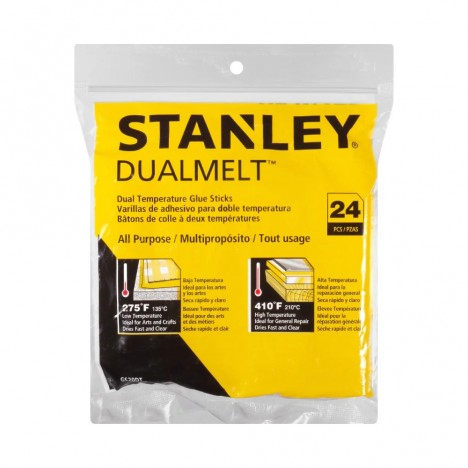
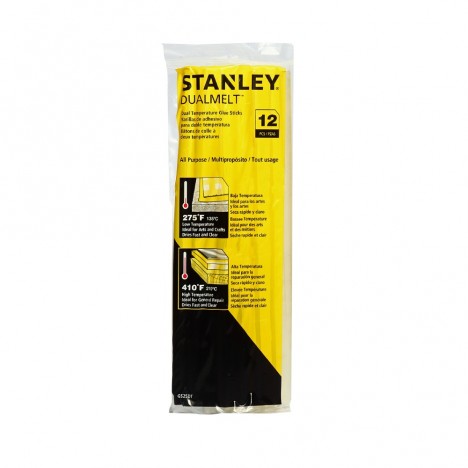
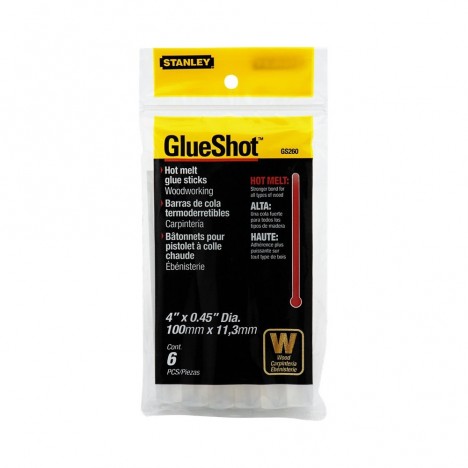
And if you use a glue gun for household repairs—like securing cables, fixing toys, repairing chair legs, or assembling small furniture—what heat level should you use? Can a glue gun genuinely make DIY repair tasks easier? Or are there limitations we should know beforehand?
In this article, I would like to help you understand a simple yet very important topic: what glue gun temperature is suitable for various materials—especially the 3 popular materials like fabric, wood, and plastic, as well as general DIY and craft tasks—so you can apply it just right, bond firmly, without ruining materials or wasting your tools.
What is a hot glue gun? And where does that temperature come from?
A glue gun uses electricity to heat an internal heating element, which transfers heat to the solid glue stick inserted into the tool. Once the glue reaches its melting point, it transforms from a solid to a liquid and flows out as you pull the trigger.
When you pull the trigger, the mechanism pushes the glue stick through the heated chamber, causing molten hot glue to flow steadily out of the nozzle at the tip of the gun. It is immediately ready to bond various materials, such as fabric, wood, plastic, or glossy surfaces that require precise adhesion.
So, how hot does it get?
Generally, hot glue guns are categorized into 2 main types based on the temperature levels the tool can reach. This directly impacts compatibility with different materials—it is not merely about being hotter or cooler, but also about the ability to melt the glue properly for immediate use and provide a strong bond.
- Low Temperature (approx. 120-150°C): Suitable for general crafts such as fabric, foam, and paper.
- High Temperature (approx. 170-200°C): Suitable for tougher materials such as wood and rigid plastics.
Some glue gun models offer adjustable temperatures or are called Dual Temp guns, making them much more versatile.

If you want to glue fabric, how hot should the glue be?
This is a question I get asked often. DIY projects involving fabric—such as making pillows, decorations, or soft plush toys—often rely on a glue gun as the primary tool. It's convenient, doesn't require long waiting times like liquid glues, and dries even faster than spray adhesives.
However, did you know that using glue that's too hot on fabric can do more than just create a bond—it can scorch or shrink the fabric? Certain materials, like polyester or synthetic fibers, are highly sensitive to heat. Contact with extremely hot, freshly melted glue can cause the fabric to warp or even melt.
Another point people often overlook is that some fabrics feature heat-transferred patterns or heat-sensitive inks. When exposed to hot glue, these printed designs can smudge or fade instantly.
Glue guns for bonding fabric
Before looking at the exact temperature to use, it's essential to understand why bonding fabric with a glue gun requires care. Many assume that because fabric is thin and soft, any tool or glue will do. But there are finer details that affect the final piece more than you might think: direct heat contact, molten glue viscosity, and the pressure applied when pressing the fabric together all impact the fabric's surface and the neatness of the finish.
- Use a Low Temp glue gun (120–150°C)
- Choose glue sticks designed for fabric or textiles
- Avoid applying glue directly to very thin fabrics, such as tulle or silk
- Use a backing sheet or mat to prevent heat from bleeding through
What about wood? How hot does it need to be for a truly strong bond?
Wood is a material that many people think is easy to bond, but the truth might surprise you. Wood often has uneven surfaces, pores, and some types even contain natural oils—all of which directly affect glue adhesion.
If you use a glue gun that isn't hot enough, the glue won't melt sufficiently, preventing it from penetrating the wood fibers in time, or it will cool and dry before you can join the parts. As a result, a bond that seems secure might later come apart or fail to hold as strongly as it should.
On the other hand, using glue that is too hot can damage the wood, especially heat-sensitive softwoods like pine or thin plywood. Additionally, wood surfaces can quickly absorb heat, causing the glue to cool down too rapidly before you have time to position your materials properly.
Glue Guns for Wood Bonding
Bonding wood with a hot glue gun is widely popular because it seems quick and simple: just apply the glue and press the pieces together. In reality, different types of wood have distinct characteristics—surface texture, moisture content, density, and natural oil levels—all of which affect how well the glue holds.
- Use a High Temp Glue Gun (170–200°C)
- Select heavy-duty glue sticks specifically formulated for woodworking
- Apply just the right amount of glue; avoid overapplying, as it may squeeze out and look messy
- Press the pieces together firmly for 10–15 seconds to ensure a secure bond while the glue is still hot
What about plastic? The easiest material to bond, but the easiest to get wrong
Plastic is a material where people often find that hot glue fails to hold or detaches once cooled. In truth, this isn't because the glue gun is flawed, but because there are many types of plastic, and some simply aren't suitable for hot glue at all.
Materials like PE (polyethylene) or PP (polypropylene) have glossy, slick surfaces that don't absorb glue, making it difficult for hot glue to form a bond. No matter how hot your glue gun is, it won't achieve a secure hold. On the other hand, plastics like ABS or PVC take hot glue quite well because their surfaces have enough texture or inherent bonding capability.
Another thing many people might not realize is that the heat from hot glue can actually melt certain types of plastic. If you don't choose carefully or try applying it to thin plastic—like bottle caps or toy packaging—it might melt or warp out of shape. Therefore, before bonding, always test on a small test piece and understand the type of plastic you're working with.
Glue Guns for Plastic Bonding
Bonding plastic is often thought of as simple, yet it is also the easiest to be disappointed by. Plastics are extremely diverse: some take glue very well, while others don't adhere at all. The heat from the glue gun plays a crucial role here, affecting both bonding performance and the potential for heat damage to non-heat-resistant plastics.
- Use a High Temp Glue Gun (180–200°C)
- Avoid very slick plastics such as PE and PP (hot glue usually does not adhere well to them).
- If unavoidable, scratch the surface or lightly sand it before applying glue.
- Test before actual use, as some hot glues can melt the plastic surface.

Glue guns for technical and repair work
Beyond crafts or light DIY, many people have started using glue guns more for repair and maintenance tasks, especially minor home repairs like fixing chair legs, repairing toys, or sealing plastic edges. It is easy to use, requires minimal setup, and dries quickly, allowing you to finish the job in just a few minutes without waiting overnight like with some other adhesives.
However, it is important to understand that certain types of repair work require more strength than standard hot glue can handle—such as parts subjected to impacts, direct sunlight, or frequent movement. Therefore, choosing the right glue type, appropriate materials, and the correct glue gun temperature becomes an essential factor that cannot be overlooked; choosing wrong often leads to premature failure or the parts failing to bond from the start.
Examples of repair tasks suitable for glue guns
- Securing light wiring to wood or plastic walls, such as neatly organizing cables from power outlets by using small drops of hot glue to attach the wires to plastic hooks or wall clips.
- Attaching foam edge protectors to table corners by applying a strip of hot glue under the foam and pressing it firmly against the table edge to cushion impacts.
- Securing small latches on cabinets or plastic boxes, such as magnets or small lid catches where the plastic is too thin for screws.
- Sealing minor leaks that do not come into direct contact with water, such as seams on toolboxes or certain spots on plastic bins that do not require full waterproofing but need to keep out dust or air.
Repair and maintenance tasks that work well with a glue gun should be low-stress applications located in a stable temperature environment, free from moisture and direct sunlight.
How do we know how hot our current glue gun gets?
Many people buy a glue gun that doesn't clearly state its operating temperature, especially budget models or products without clear manuals. This is a very common issue—some models work fine, but there is no indication of their temperature or which materials they are suitable for. Users often have to guess based on experience or go through trial and error, ruining several workpieces before figuring it out. This leads many to feel that glue guns are ineffective, when the real problem is simply an inappropriate temperature for the job.
Simple ways to tell
- If the glue melts quickly within 1–2 minutes and flows very smoothly, it is usually High Temp.
- If the glue melts slowly and takes a while before it can be dispensed, it is usually Low Temp.
- If the tool has an adjustment dial or a Hi/Lo switch, it is a Dual Temp model.
- Try bringing an object near the nozzle tip (beware of heat!) or notice if smoke appears quickly.
However, the best approach is to read the label or check the manufacturer's specifications. If you are still unsure, opting for a glue gun model with clearly specified temperatures is safer and more precise.

And what if you don't have an adjustable temperature glue gun? What should you do?
I believe many of you have faced this. Most of the time, we tend to buy basic glue guns that have no buttons at all—you just plug it in and it gets hot, with no option to adjust the temperature to match the workpiece or the material you are using. That's understandable since they are easy to buy at stationary stores or online. But when it comes to actual use, you're left guessing: Is it too hot? Will it melt the material? Or why isn't it sticking firmly? That's because we have zero control other than turning it on and off. So the question is, how do you make it work for the job?
Simple Tricks If You Can't Adjust the Temperature
- If using on fabric, turn off the switch periodically; do not leave it plugged in the entire time.
- Try dispensing the glue onto paper first, then smear it onto the actual material.
- Reduce the amount of glue; use sparingly to avoid excessive heat.
- Use in combination with other adhesives, such as liquid glue or double-sided tape, to reinforce the bond.
Conclusion
A glue gun is likely a tool that many people keep at home, whether for small DIY projects, crafts, or light repairs. It's easy to use—just plug it in, wait for the glue to melt, and squeeze the trigger. But what I want you to consider is that this seemingly simple glue gun, if used incorrectly on materials or at an unsuitable temperature, can ruin your project before you even realize it.
Because the heat from a glue gun isn't just a number; it's a key factor that determines whether the job finishes neatly or ends up needing a redo. Try observing, adjusting, and choosing the right glue for your work. Then you'll see that just a smallitem like Glue Gun can make your work look much more professional.