


 EN
 ไทย


Customers Also Purchased


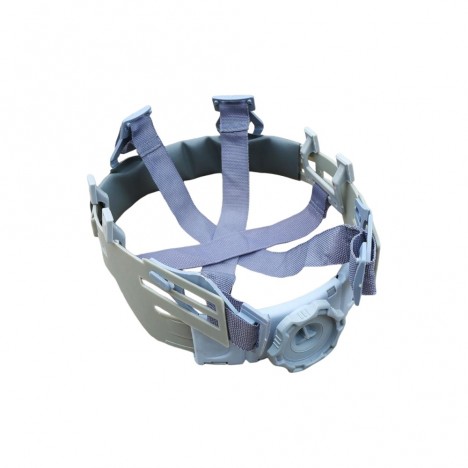
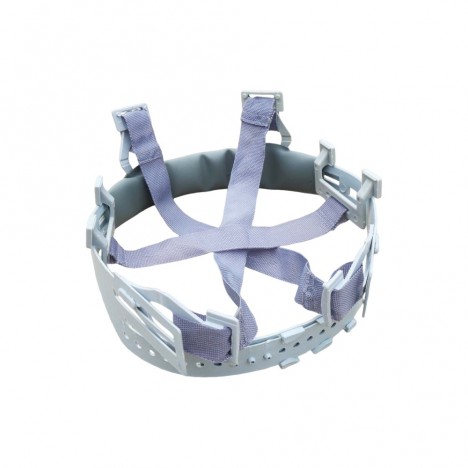


Popular Safety Helmets Used in Factories, Manufacturing, and Construction Sites
In factories, manufacturing, and construction sites, where work dynamics go hand in hand with safety concerns, protection is of utmost importance. One of the best protective equipment is the safety helmet, designed to prioritize worker protection. A critically essential head protection equipment in high-risk work, it is divided into various types and designs, each tailored to specific work environments and hazards. In this article, we delve deep into the various types of safety helmets commonly used in factories, manufacturing, and construction sites so you can understand the importance of safety helmets and choose the right one.
Understanding Specialized Safety Helmet Requirements
Safety HelmetSpecialized helmets play an essential role in protecting individuals across various industries and activities. These helmets are designed to provide targeted protection, taking into account the unique risks and challenges faced by workers, athletes, and specialized personnel. The following are the requirements for specialized helmets across various industries and activities involving different levels of risk, where a one-size-fits-all approach to helmets may not provide adequate protection. Specialized helmets are designed to address the specific hazards of distinct environments; for example, construction workers need safety helmets that protect against falling rocks or other hazardous debris.
Types of Safety Helmets

Full Brim Safety Helmet
The primary purpose of a full brim safety helmet is to provide comprehensive protection against impacts, falling debris, and other hazards that may come from various angles. The extended brim of the helmet acts as a shield to reduce the risk of injury to the sides of the head, which are often exposed in traditional safety helmet designs. This feature provides all-around protection and is suitable for electricians, offering excellent electrical insulation.
Safety Helmet with Visor
Face Protection: The visor on the safety helmet acts as a shield protecting the wearer's face from potential hazards such as small debris, dust, splashes, or particles that could cause injury or discomfort. Eye Safety: The visor provides an additional layer of eye protection against impacts or foreign objects that may come into contact with the eyes, and may feature a contoured edge on the sides. Available with both pinlock sliding and ratchet wheel suspension options, it is suitable for industrial and construction workers.

What Types of Work Require Wearing a Safety Helmet?
Safety Helmetare designed to protect the head from potential hazards in various work environments, such as the following jobs:
1. Construction work Construction sites have numerous risks of injury, such as falling objects, debris, and head impacts. Workers in this job should wear safety helmets to protect against head injuries from hazards that may occur.
2. Manufacturing Industry Factory employees who work with machinery, heavy machinery, or may be at risk of head injuries from tools and materials. Wearing a safety helmet helps greatly when working in this kind of environment.
3. Oil and Petrochemical Industry Workers in this field face risks from equipment, heavy machinery, and potential explosions. Safety helmets are essential for protection against hazards from these events.
4. Electrical Work Electricians and utility technicians must handle and work with electrical wires and systems, making safety helmets crucial for preventing electric shocks and accidental falls from heights.
5. Logging and Tree Trimming Work In this work, workers must handle trees and branches, facing risks from heavy wood debris. This makes safety helmets extremely critical for head protection in this type of work.
Other jobs include civil repair work, welding, metal casting and turning, rescue workers, firefighters, demolition work, agriculture, etc. It can be seen that safety helmets are important and essential protective equipment for industrial work, construction, manufacturing, and many other fields, because workers in these types of jobs face hazards that could happen at any time.
How to Choose a Safety Helmet
Understand the specific purpose for which you need a safety helmet. Different activities require different levels of protection. For example, construction workers may need impact-resistant helmets, while cyclists might need helmets designed for shock absorption and ventilation. Measure your head circumference above the eyebrows and ears, select a helmet size that matches your measurement, and adjust the helmet's straps and padding to achieve a snug yet comfortable fit.
Safety Standards Look for safety helmets that meet or exceed safety standards established by reputable organizations. In the United States, safety helmets should comply with standards set by the Occupational Safety and Health Administration (OSHA) and the American National Standards Institute (ANSI).
- In-Depth Guide to Safety Helmets with Usage Recommendations for Maximum Safety
Precautions for Using Safety Helmets
- The safety helmet used must comply with industrial standards.
- Wear the safety helmet snugly on your head, with the chin strap securely fastened under the chin.
- Choose a safety helmet appropriate for the job, such as using an electrically insulated helmet for electrical work.
- Keep the safety helmet clean and free from dirt and chemicals for better wearing comfort.
- Store the safety helmet in a cool, dry place away from sunlight, extreme heat, and chemicals.
- Ensure that the safety helmet is not damaged or defective; replace it if it is.
- Do not modify any parts of the safety helmet, as this may reduce its effectiveness.
Conclusion
Safety helmets are essential equipment for occupational safety in factories, manufacturing, and construction sites. With different types tailored to specific needs and continuously evolving safety technologies that enhance workplace safety, safety helmets play a vital role in preventing injuries and promoting a safe working environment in organizations.
FAQ - Frequently Asked Questions
1. How often should a safety helmet be replaced?
Safety helmets should be replaced every 2 years, or sooner if damaged or subjected to severe impact.
2. Can safety helmets be customized for branding?
Yes, many safety helmet manufacturers offer customization options, allowing companies to add their own logos or colors.
3. Are safety helmets specifically designed for extreme temperatures?
Yes, some safety helmets are designed to withstand extreme temperatures, providing comfort and protection in challenging conditions.
4. What features should you look for in a safety helmet?
Look for features such as heads-up displays, communication capabilities, built-in cameras, and real-time data monitoring.
5. Can safety helmets protect against electrical hazards?
Yes, safety helmets with proper electrical insulation can protect against electrical hazards in the workplace.
More Articles
- 10 Features and Functions of Safety Helmets: What Does Each Color Mean?
- What is the difference between white and yellow safety helmets?