


 EN
 ไทย


Customers Also Purchased




In-Depth Guide to Safety Helmets with Usage Recommendations for Maximum Safety
Let's talk about the important role today's safety helmets play in protecting you during work in trade, construction, industrial sectors, and various activities. Safety helmets are designed to prevent head injuries and absorb impact to the wearer's head as a standard protection against hazards that may occur during work. Every safety helmet is built to standardized requirements. In this article, we'll dive deep into various specific details of safety helmets—covering everything from materials and design to certification standards. By the end of this article, you will have the necessary information to make a professional decision on choosing the right safety helmet for your needs.

Understanding the Basics of Safety Helmets
When it comes to personal safety, wearingSafety Helmeta quality helmet can be a matter of life and death. Whether you are working on a construction site, engaging in extreme sports, or cycling, a well-designed helmet can significantly reduce the risk of head injuries. To truly understand the importance of safety helmet specifications, let's break down the key elements that contribute to helmet performance.
Safety Helmet Specifications: Materials Used
Safety helmets are manufactured to standards using various materials that have been thoroughly developed to deliver maximum protection and durability. These materials have been engineered to ensure that helmets can effectively absorb impact and protect the wearer's head. Here are some of the primary materials commonly used in making safety helmets today:
- Polycarbonate
Polycarbonate is an incredibly lightweight yet strong thermoplastic. Renowned for its exceptional impact resistance, it is an ideal choice for safety helmet components. Safety helmets constructed from polycarbonate can withstand high-velocity impacts without shattering or cracking, ensuring the wearer's head remains well-protected.
- ABS (Acrylonitrile Butadiene Styrene)
ABS is another widely used material in safety helmet manufacturing. It strikes a good balance between toughness and temperature resistance. Helmets made from ABS can withstand a variety of environmental conditions while maintaining their structural integrity. This material is ideal for helmets used in activities with fluctuating temperatures and potential impacts.
- Expanded Polystyrene (EPS)
While the outer shell provides the first layer of defense, the inner liner is equally critical in protecting the wearer's head. Expanded Polystyrene (EPS) foam is commonly used as the inner liner of safety helmets. This specialized foam is designed to absorb and dissipate impact energy, reducing the force transmitted to the head during an impact. EPS foam cushions the head effectively, minimizing the risk of severe injuries.
- Fiberglass Reinforced Plastic (FRP)
Fiberglass reinforced plastic is a composite material that combines glass fibers with a plastic matrix. FRP safety helmets are known for their excellent impact resistance and strength-to-weight ratio. These helmets provide reliable protection in industries where both ruggedness and lightweight design are essential.
- Carbon Fiber
Carbon fiber helmets represent the pinnacle of safety helmet technology. This material is exceptionally strong and lightweight, making carbon fiber helmets ideal for applications where weight reduction is crucial. These safety helmets provide standard-setting protection in industries where both robust design and light weight are paramount.
Advancements in materials science continue to drive innovation in helmet design. Manufacturers are exploring new materials and composites to create helmets that are not only highly protective, but also lightweight and comfortable to wear for extended periods.
Features and Functions of Safety Helmets

- Impact resistance
The ability of a safety helmet to absorb and dissipate impact energy is crucial. Safety helmets are rigorously tested to ensure they meet specific impact standards, which vary depending on the intended use of the helmet.
- Ventilation and wearing comfort
An often-overlooked aspect of safety helmets is ventilation. Adequate airflow not only increases comfort but also prevents overheating during extended use. Look for safety helmets with a well-designed ventilation system that promotes airflow while maintaining structural integrity.
- Suspension and retention system
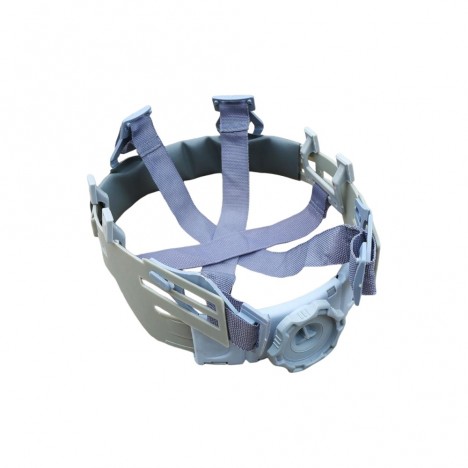
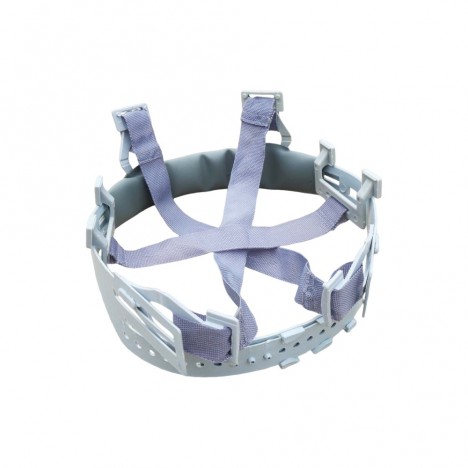
The helmet harness/retention system ensures that the helmet stays securely on your head in the event of an impact. Adjustable straps and padding play a vital role in achieving a snug yet comfortable fit.
Safety Helmet Certification Standards
The reliability of a safety helmet is paramount, and it is achieved by adhering to strict standards set by regulatory agencies. These standards guide helmet manufacturers in producing products that meet specific safety requirements. Below are more details on the importance of standard compliance.
Safety helmets are subject to regulations established by various organizations, depending on the region and industry. Notable regulatory bodies include ANSI (American National Standards Institute), EN (European Norm), and CSA (Canadian Standards Association). Look for certification labels on the helmet indicating that it has passed rigorous testing. These labels verify the helmet's compliance with specific safety standards.
Choosing the Right Safety Helmet

Assessing your needs: Before purchasing a safety helmet, evaluate the activities you will be engaged in. Consider potential hazards, types of impact, and frequency of use. Different safety helmets are designed for different purposes, so choose one that matches your specific requirements.
Try before buying: Trying on a helmetSafety Helmetbefore purchasing is extremely important. Proper fit is essential for maximum protection and comfort. Adjust the harness system and ensure the helmet sits securely on your head without wobbling, which could cause it to fall off during work.
Maintenance and care
- Cleaning procedures
Clean your safety helmet regularly with mild soap and water to remove dirt, sweat, and grime. Avoid using harsh chemicals that could degrade the helmet's materials.
- Inspection guidelines
Perform routine inspections to check for signs of wear and tear. Look for cracks, dents, or any compromise to the helmet's structural integrity. Replace the safety helmet if it has sustained a severe impact.
More Articles
- 10 Features and Functions of Safety Helmets: What Does Each Color Mean?
- What is the difference between white and yellow safety helmets?
Frequently Asked Questions (FAQs)
Q: Can a cracked or damaged safety helmet still be used?
A: No. A helmet that has been involved in an accident should be replaced immediately, even if no damage is visible. It may have sustained internal damage that compromises its protective effectiveness.
Q: Are safety helmets one size fits all?
A: No, helmets come in various sizes to ensure a proper and secure fit. Choose a helmet size that matches your head circumference.
Q: How often should safety helmets be replaced?
A: Manufacturers usually recommend replacing helmets every 3-5 years, depending on usage and exposure to environmental factors.
Conclusion
When it comes to your safety, a high-quality safety helmet is an essential piece of equipment. By understanding the intricate details of safety helmet specifications to choose one that meets your needs and provides maximum protection, remember that a well-maintained and properly fitted helmet is vital. So whether you are working in high-risk environments on construction sites or elsewhere, prioritize safety by making expert choices regarding your safety helmet for better use.