


 EN
 ไทย


Customers Also Purchased


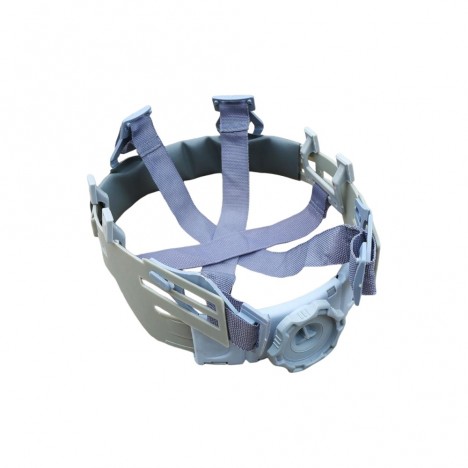
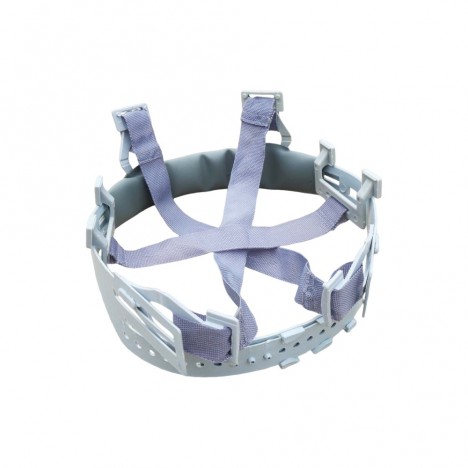


Safety Helmet It is an essential piece of equipment for protecting user safety in the workplace. It is typically used in industrial, construction, and other applications where there is a risk of falling objects, impacts from fixed structures, electrical hazards, or other head injuries. Safety helmets play a vital role in reducing risk and protecting users from potential hazards in daily work.
A good-quality safety helmet typically features characteristics that meet user requirements and safety needs. It consists of an outer shell made of durable materials that resist impact, a suspension system capable of absorbing impact shocks, and an adjustable harness system to fit the user's head size. Proper use of a safety helmet involves more than just wearing it; it is also crucial to ensure the helmet is suitable for the specific task.

Safety Helmet Features
Safety helmets come with various features designed to enhance head protection for the wearer. Here are some common features of safety helmets:
1. Material: Safety helmets are often made of high-density polyethylene (HDPE) or other durable thermoplastic materials. These materials provide strength and impact resistance while keeping the safety helmet lightweight.
2. Suspension System: The suspension system is an internal structure within the safety helmet that helps absorb and distribute impact force. It consists of straps that keep the shell away from the wearer's head, providing cushioning and improving shock absorption.
3. Size Adjustment: Safety helmets usually feature an adjustable suspension or headband for a secure and comfortable fit, allowing the helmet to accommodate different head sizes and shapes.
4. Chin Strap: A chin strap is an important feature that keeps the safety helmet in place, preventing it from falling off during movement or upon impact.
5. Ventilation: Some safety helmet models have vents or ventilation slots to promote air circulation and enhance comfort, especially in hot or humid environments. Ventilation helps reduce heat buildup and sweat, improving wearer comfort.
6. Visor / Face Shield: Some safety helmet models come with built-in or detachable visors or face shields. These attachments provide additional protection against hazards such as flying debris, chemical splashes, or excessive glare.
7. Reflective Strips: Reflective strips or stickers on the surface of the safety helmet enhance visibility in low-light conditions, making the wearer more visible to others and improving safety, particularly in heavy traffic or low-visibility situations.
8. Customization: Some safety helmets allow customization with accessories such as earmuffs, face shields, or safety goggles. These additional attachments provide comprehensive protection for the face, eyes, and ears when needed.
9. Electrical Insulation: Some safety helmets are designed to provide electrical insulation, making them suitable for environments with electrical hazard risks.
10. Standards Compliance: Safety helmets should comply with industry-specific standards and regulations, such as those established by organizations like the Occupational Safety and Health Administration (OSHA) or the American National Standards Institute (ANSI). Compliance with these standards ensures that the safety helmet provides adequate protection for the intended work environment.
It should be remembered that the specific features of a safety helmet may vary depending on the manufacturer, intended use, and relevant regulations. It is essential to choose a safety helmet that meets the specific safety requirements of your work environment and ensure proper use and maintenance for optimal performance.
How Many Types of Safety Helmets Are There?
Safety helmets come in several types designed to match the requirements and environments of different job types. Here are some of the most common types:
1. Standard Safety Helmets: Standard safety helmets used in general workplaces, such as construction, industrial plants, or work involving risks of falling objects or collisions with moving objects.
2. Industrial Safety Helmets: Designed for use in higher-risk industries, such as working near machinery or high-voltage electrical systems.
3. Electrical Safety Helmets: Designed to protect against contact with electrical currents; typically white in color and made from electrically insulating materials.
4. High-Heat Safety Helmets: Designed for safety when working in high-temperature conditions, such as work in steel foundries or near furnaces.
5. Chemical Safety Helmets: Designed to protect against hazardous chemicals, preventing contact with dangerous substances; typically made of chemical-resistant materials such as polyethylene, rubber, or chemical-resistant plastic.
What is the function of each safety helmet color?
Safety helmet colors may be used to indicate specific roles or characteristics of the helmet. However, the meaning of each color or helmet function may vary depending on the situation or standard used. Below are examples of meanings commonly observed on safety helmets:

1. White Safety Helmet → May be used in low-risk work or in situations where cleanliness and neatness need to be projected, such as for employees working in offices or shopping centers.
2. Orange Safety Helmet → May be used in hazardous work, such as construction or roadwork. Orange increases visibility and serves as a cautionary warning symbol.
3. Yellow Safety Helmet → May be used as a symbol of caution or hazard warning, such as in tasks involving machinery or risks of falls or collisions.
4. Green Safety Helmet → May be used to represent safety in environmental work; green is often associated with such operations.
5. Red Safety Helmet → Firefighters or emergency response teams may wear red safety helmets; used in situations requiring immediate action or during fire drills.
6. Brown Safety Helmet → Sometimes used in high-heat environments or for workers involved in welding or foundry work; may indicate individuals working in industries requiring heat resistance or fire protection.

Safety Helmet Classes
Safety helmets are often classified according to the safety standards used in each country and are grouped into various levels or classes based on the type of work and the level of risk involved. Each class may have different properties and protection capabilities.
1. Class G (General) Safety Helmet → Suitable for general work with no risk of electric current or high impact, such as general construction or work in sites without specific hazards. The marking for this class is "G" or blue.
2. Class E (Electrical) Safety Helmet → Designed to protect against contact with electrical currents and has higher impact resistance than Class G; suitable for work involving the use of or handling of electricity. The marking for this class is "E" or yellow.
3. Class C (Conductive) Safety Helmet → Has impact resistance and is electrically conductive. This class of safety helmet is suitable for communications work or applications requiring electrical conductivity. The marking for this class is "C" or red.
4. Class A (Impact) Safety Helmet → Features high impact resistance, suitable for work with high impact risks. The marking for this class is "A" or blue.
5. Class B (Bump) Safety Helmet → Provides less impact protection than Class A, but still provides an adequate level of bump protection; suitable for work with minor impact risks. The marking for this class is "B" or orange.
The price of safety helmets can vary depending on brand, quality, and the helmet's own capabilities. Safety helmets with good quality and high safety standards may cost more than lower-quality ones. Additionally, there are other factors such as manufacturing materials, style or design, and extra features—like having a ventilation system, comfort padding, or enhanced impact resistance—which can increase the price. Safety helmet prices range from hundreds to thousands of baht or more, and can be even higher for high-quality safety helmets with specialized extra features.
