


 EN
 ไทย


Customers Also Purchased
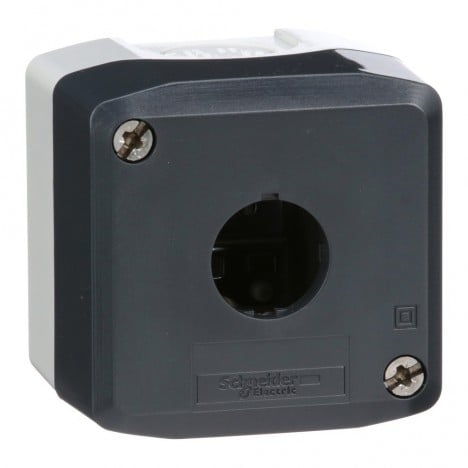
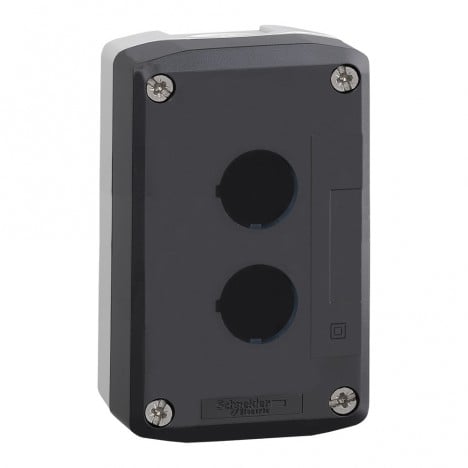
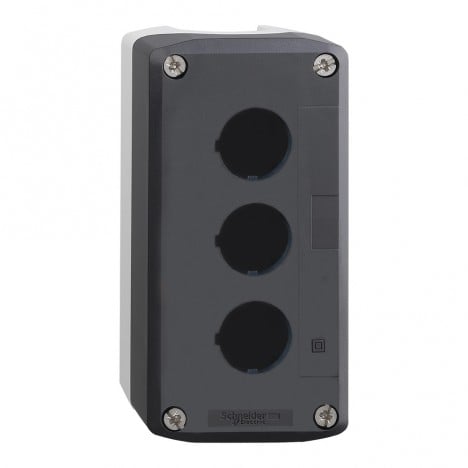
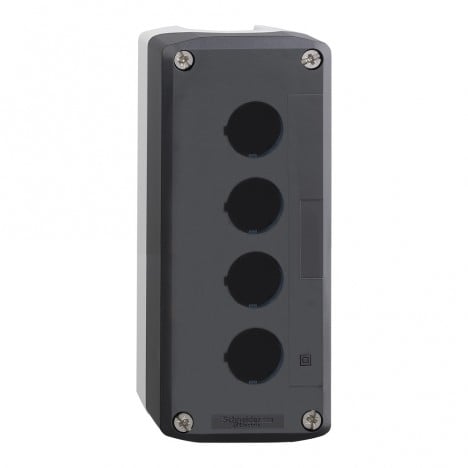
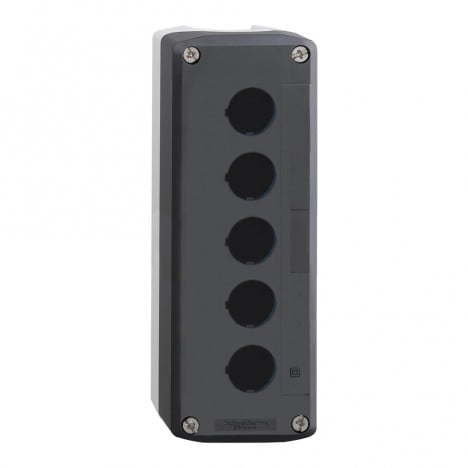
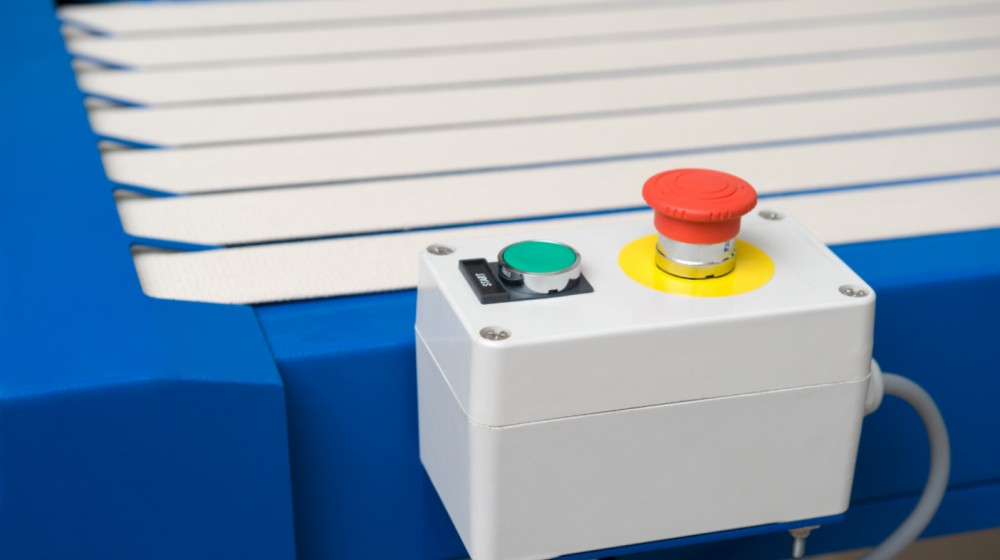
push button switches These devices are frequently seen in electrical and control applications, whether in control cabinets, machinery, water pumps, control panels, or general electrical appliances. Their appearance may seem simple—just a button to press for operation. However, when it comes time to purchase, many people encounter the problem that the switch they bought doesn't work the way they expected.
- Some want a button that stays on after being pressed, but in reality, the light only turns on while pressing and turns off as soon as the hand is released.
- Some want a momentary button that springs back, but the button stays locked in place, requiring another press to return to its original state.
This kind of issue doesn't necessarily mean the switch is defective; it often stems from choosing a push button switch type that doesn't match the application, especially regarding Momentary and Latching mechanisms—operation modes you should know before buying.
Push button switches are not all the same
Many people choose push button switches based on visible features such as button color, mounting hole diameter, material, or illuminated vs. non-illuminated. But just as important is: "Does the button reset upon release, or does it latch its state?"
Generally, common push button switches can be categorized by their operating mechanism into 2 main types:
- Momentary operates temporarily when pressed and returns to its original state upon release.
- Latching retains its state when pressed and only returns when pressed again.
In layman's terms, Momentary is often called press-to-activate, release-to-deactivate Meanwhile, Latching is often called Push-on, push-off Technically, however, it is important to understand that "ON" or "OFF" also depends on the contact type and circuit wiring, not solely on the pressing action.
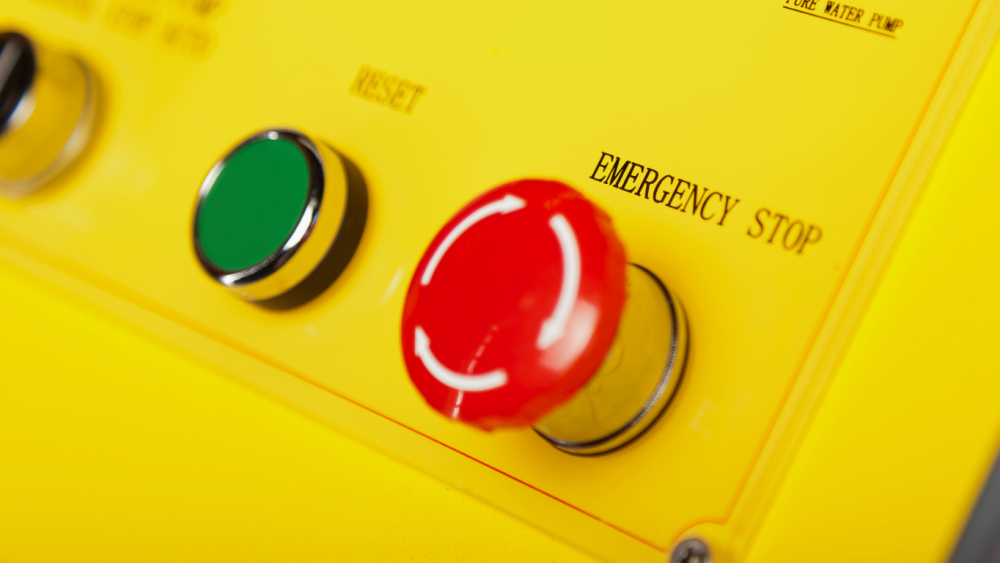
What is Momentary?
Momentary is a momentary push button switch. When pressed, the mechanism temporarily changes state, but when released, the button springs back to its original position.
For a common Normally Open (NO) momentary button used in general control applications, it can be simply understood as:
- Press = Circuit closes / System receives command
- Release = Circuit returns to original state
This is why many refer to momentary buttons as "push-to-make, release-to-break" (or press-on, release-off). In common applications like doorbells or momentary control buttons, pressing activates the circuit, and releasing deactivates it.
The clearest example is Doorbell When the button is pressed, the chime rings; once released, the chime stops. This type of button should not latch, because if a latching button were used, a single press would keep the doorbell ringing continuously until pressed again to stop.
In control panels, Momentary push button switches are also very common, such as Start, Stop, Reset, Test, or Jog buttons, because many applications only require a "momentary signal pulse" rather than having the button latch its own state.
What is Latching?
Latching is a push button switch that holds its state once pressed. Upon the first press, the button or internal mechanism changes state and stays in that state even after releasing your finger. Pressing it again returns the button to its original state.
Commonly related terms include: Latching, Maintained, Alternate Or in commercial/store terms, you might encounter: Self-locking All of these generally refer to buttons that latch into place when pressed, rather than immediately springing back like Momentary switches.
In terms of typical NO circuit usage, it can be understood as:
- First press = ON
- Press again = OFF
From a strictly technical perspective, however, it is more accurate to say that a latching switch is a button that "changes state and remains held upon pressing," as being ON or OFF depends on the circuit wiring and contact configuration.
Latching push button switches are suitable for applications requiring the system to remain in its state after releasing the button, such as pressing to turn on equipment and having it stay on until pressed again to turn off.
What is the difference between Momentary and Latching?
The primary difference between Momentary and Latching lies in their behavior after releasing the button.
- Momentary: Changes state temporarily upon pressing and returns to its original position upon release; suitable for momentary command applications.
- Latching: Changes state and stays latched upon pressing, returning to the previous state only when pressed again; suitable for applications requiring a maintained state.
An easy way to remember is:
- Momentary = Press for momentary command
- Latching = Press to maintain state
For example, if you want a doorbell button, test button, or machine jog button, a momentary switch is usually chosen because it is only intended to operate while pressed. However, if you need an ON/OFF button for equipment that stays in that state after a single press, a latching switch may be selected, provided the switch ratings and circuit wiring match the intended load.
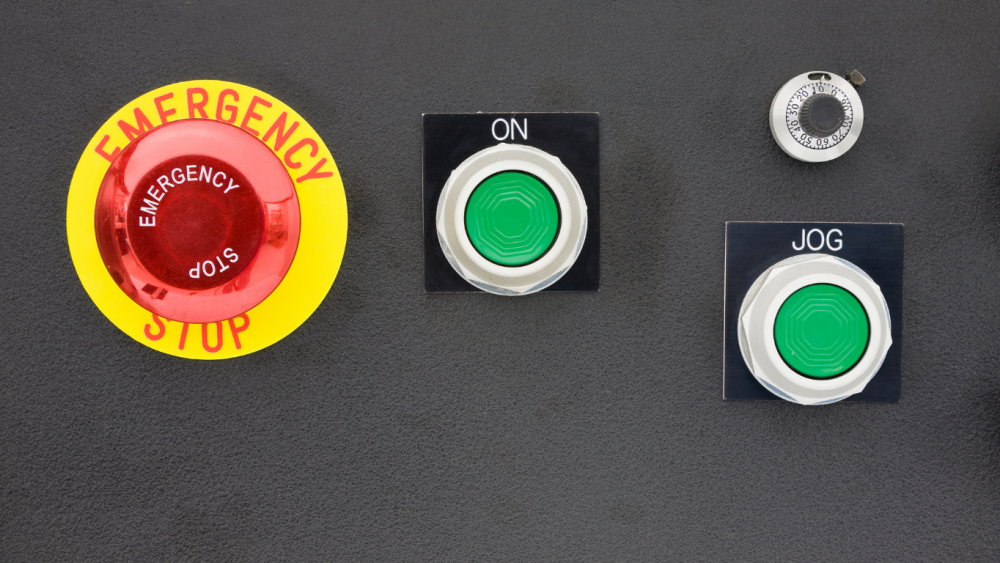
Why Momentary switches are commonly used for Start buttons
In control panels or machinery, Start buttons typically use momentary push button switches because they only need to send a momentary start command to the circuit, without requiring the physical button to remain held.
After pressing Start, the system maintains operation through the control circuit—such as relays, contactors, or a PLC, depending on the design—rather than being held mechanically by the button itself.
This is a common point of confusion: seeing a machine continue running after releasing the Start button leads many to assume it must be a latching switch, whereas in most industrial control setups, the Start button is momentary while the underlying circuit latches the system into operation.
Simply put, the Start button's role is to "initiate," while maintaining the running state is the responsibility of the control circuit.
What kind of applications are suitable for Momentary switches?
Momentary push button switches are suitable for applications that require sending short commands or operating only while being pressed, such as:
- Doorbell buttons
- Start buttons in control panels
- Stop buttons in control circuits
- Reset buttons
- Test buttons
- Motor jog buttons
- Temporary operation buttons
- Signal calling buttons or sending inputs to a PLC
Jogging operations, in particular, should typically use momentary switches because the machine or motor is intended to move only while the user is pressing the button, and should stop immediately upon release, providing more precise and safer motion control.
Using a latching switch instead of a momentary switch where momentary operation is required may cause the machine to continue running unintentionally, which is not suitable for momentary control applications.
What kind of applications are suitable for Latching switches?
Latching push button switches are suitable for applications where the button needs to retain its state after being pressed, such as:
- On/off buttons for certain equipment
- Light switches in suitably designed circuits
- Certain types of power buttons
- Control applications requiring the state to be maintained until pressed again
- Applications where the user needs a clear tactile sense of whether the button is in the ON or OFF state
The advantage of a latching switch is that it latches with a single press without needing to be held down continuously, making it ideal for continuous on or off operation.
However, when using a latching switch, you must check the rated voltage, current, and load characteristics properly, because some push button models are designed for control circuits and are not suitable for directly switching high loads. If the load draws high current, such as motors, water pumps, or large loads, it should be used in conjunction with relays, contactors, or control devices that support suitable loads.
What happens if you choose the wrong one?
Choosing the wrong switch between Momentary and Latching may cause the system to function improperly, even if the switch itself is not defective.
- If you want a doorbell button but choose a latching switch, pressing it once might keep the bell ringing continuously until you press it again to stop.
- If you want a button to keep a light on continuously but choose a momentary switch, the light may only stay on while pressed and turn off as soon as you release it.
- If you need a machine jog button but choose a latching switch, the machine might keep moving after you release your hand, which may not be suitable for applications requiring fine control.
- If you need a Start button for a contactor circuit but mistakenly assume you always need a latching switch, the control circuit may not operate according to its design.
Therefore, before purchasing a push button switch, you should ask yourself whether you want the button to operate only while pressed, or to remain in that state after being pressed.
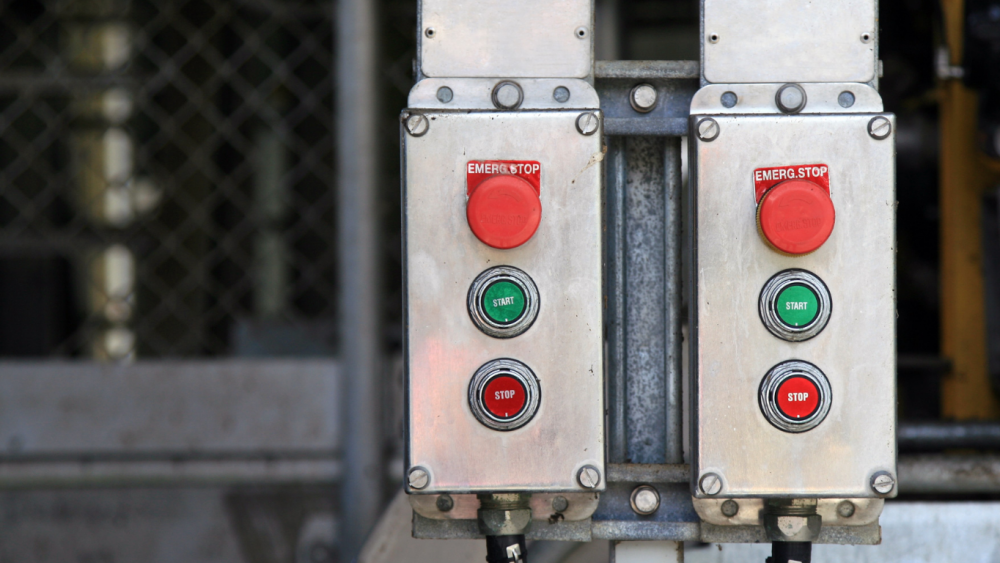
Momentary and Latching are not the same as NO and NC
Another point to clearly distinguish is that Momentary / Latching is not the same concept as NO / NC.
- Momentary / Latching is the mechanical operation mode of the button—whether it springs back or stays latched when pressed.
- NO / NC is the internal electrical contact state of the switch.
NO or Normally Open means normally open circuit; the contacts close only when pressed or actuated.
NC or Normally Closed means normally closed circuit; the contacts open when pressed or actuated.
Therefore, a momentary push button switch can be either NO or NC, and a latching switch can likewise have different contact configurations.
This is why saying momentary means "push to make, release to break" is an easy-to-understand explanation for general use; however, when actually purchasing or wiring circuits, you must consider both the actuation mechanism and the electrical contacts together.
- What are NO and NC in push button switches? Why are they important in electrical work?
Illuminated buttons still require checking whether they are Momentary or Latching
Some push button switches have built-in indicator lights, leading many to focus only on the light color, voltage, or appearance. In reality, with illuminated buttons, you still need to check whether they are Momentary or Latching.
- Some illuminated buttons are momentary, sending a command only momentarily when pressed.
- Some illuminated pushbuttons are latching, staying locked in state when pressed.
- In some models, the built-in light may be wired to indicate system status, meaning the light does not necessarily follow the press action.
Therefore, do not select based solely on the button's appearance or illumination; always check the full specifications for the switch mechanism, whether contacts are NO or NC, and the operating voltage of the built-in light.
What to Consider Before Buying
To select the right pushbutton switch for your application, consider at least the following:
1. Momentary or Latching requirement
- If you need a temporary signal upon press, choose Momentary.
- If you need it to hold its state after being pressed, choose Latching.
2. NO or NC contact requirement
- Start or initiating operations usually use NO.
- Stop operations or certain circuit types usually use NC.
However, it must primarily follow the circuit design.
3. Operating voltage and current rating: You must select a switch rated appropriately for the circuit's voltage and current.
4. Load type: For high loads or motor loads, do not choose based on button appearance alone; design the system to work with appropriate control devices.
5. Illuminated or non-illuminated: If illuminated, also check the voltage rating of the built-in bulb or LED, such as 12V, 24V, or 220V.
6. Mounting size matches the panel or enclosure: Pushbutton switches come in various mounting sizes, such as 16 mm, 22 mm, or 30 mm; choose one that matches the cutout hole and installation space.
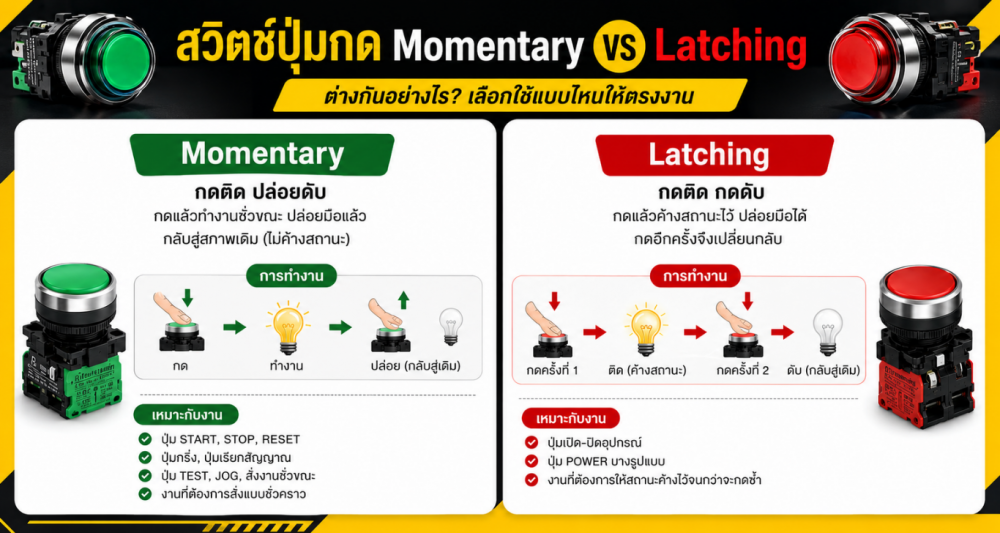
A quick rule of thumb before choosing
- If you need a button that sends a temporary signal when pressed and returns to its original state when released, choose Momentary.
- If you need a button that stays in state when pressed and requires another press to toggle back, choose Latching, Maintained, or Alternate.
However, to choose correctly, do not just look at the terms Momentary or Latching alone; you must also consider NO/NC, electrical ratings, the operational load, and the circuit wiring configuration.
push button switches It is a small device that impacts system control more than you might think. Choosing correctly from the start will help prevent issues like failing to latch, failing to turn off, mis-timed device operation, or circuits not functioning as designed.