


 EN
 ไทย



Customers Also Purchased
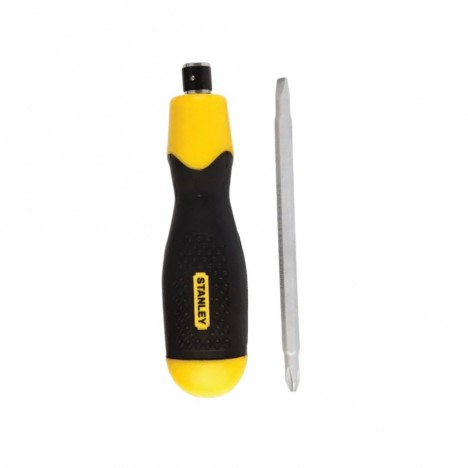



Screwdrivers It is one of the essential basic hand tools every home should have. As a versatile tool, it can be used for everyday repair tasks—from assembling furniture and opening electrical appliance covers to fixing household items and working on DIY projects requiring fine precision. While a conventional screwdriver meets basic needs, ongoing developments in the tool world have produced more convenient, efficient designs. One of these is the "magnetic tip screwdriver," which continues to gain immense popularity.
In this article, we'll give you an in-depth look at magnetic tip screwdrivers, covering their working principles, types of magnets used, pros and cons, and a clear comparison with standard screwdrivers. This will help you decide whether a magnetic tip screwdriver suits your work and how to use it for maximum everyday convenience.
What is a Magnetic Tip Screwdriver?
Operating Principle
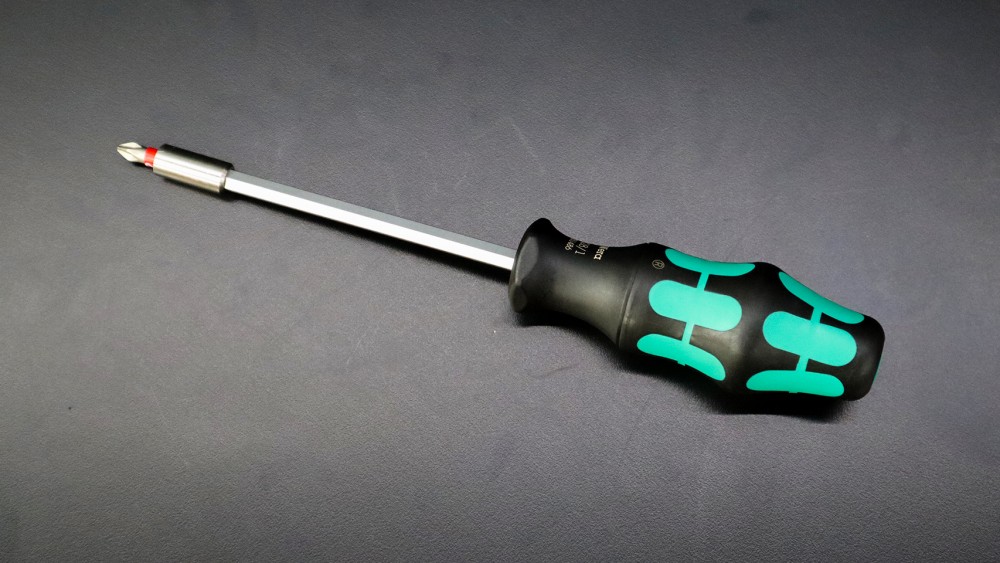
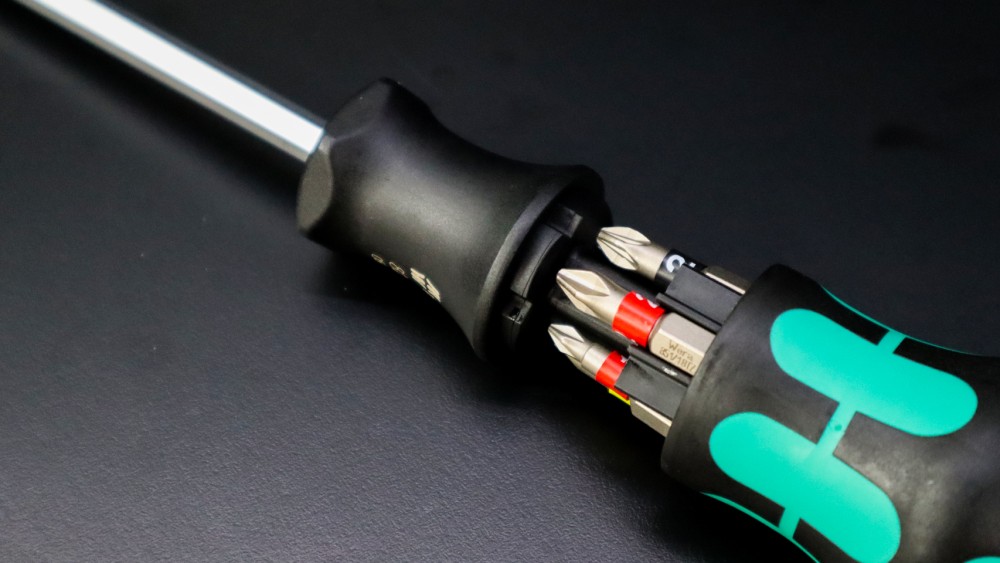
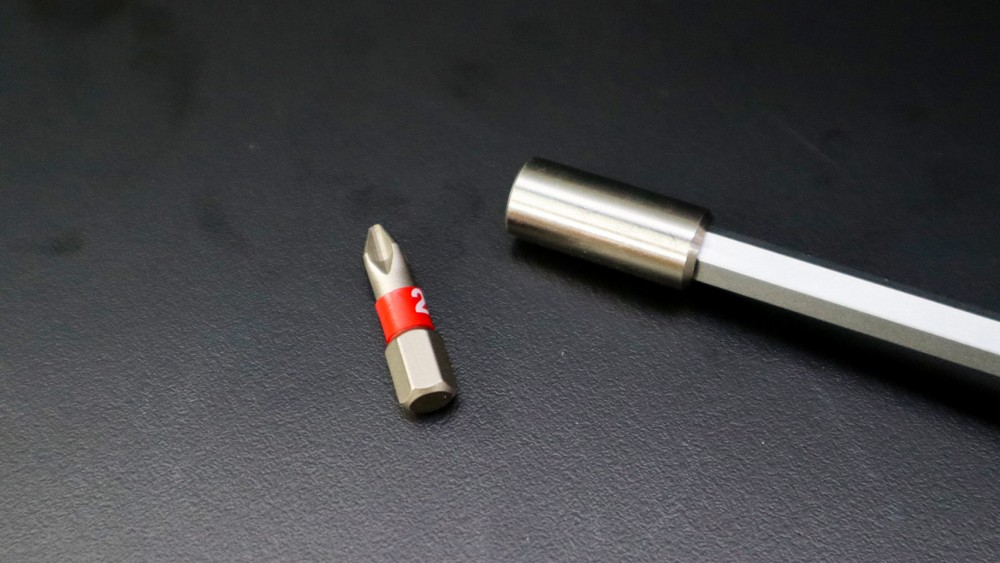
A magnetic tip screwdriver is a screwdriver whose tip or bit is embedded with a magnet or coated with a magnetic material. This allows it to hold small metal screws or bolts firmly against the tip without requiring a second hand to stabilize them. It makes work far more convenient and precise, especially in tight spaces or when working overhead, under tables, or at awkward angles.
The operating principle relies on the magnetic attraction from a permanent magnet embedded within the tip's metal body, or from a magnetic induction system on select models that can toggle magnetization on or off. When the tip touches a ferrous screw, the magnetic force holds the screw in place, allowing you to position, drive, or remove screws with just one hand, minimizing the chances of dropping or losing screws on the job.
Key Advantages of a Magnetic Tip Screwdriver
Much Easier Fastening
Holding the screw securely to the tip via magnetic force makes controlling screw direction and alignment much simpler. This is especially true when working in confined spaces, such as inside furniture corners, electrical panels with crowded wiring, or places where your hands cannot easily reach or support the screw. The magnetic hold prevents the screw from falling halfway through, which could otherwise damage finished surfaces or waste valuable time searching for replacements.
A magnetic tip screwdriver greatly simplifies repair and assembly tasks, giving users the confidence to work one-handed without needing someone else to hold or steady the workpiece.
Ideal for Vertical or Overhead Work
For example, tightening screws underneath a table where space is limited and only one hand fits comfortably, or installing ceiling light fixtures requiring you to hold the screwdriver overhead for extended periods. In these situations, a magnetic tip screwdriver allows you to work upside down while keeping the screw securely fixed to the tip, preventing it from falling out mid-task.
Besides reducing the chance of dropped screws, it also allows users to work with greater confidence and reduces the risk of accidents, such as screws falling onto the face or dropping from high places, which could cause damage. Magnetic tip screwdrivers have thus become an essential aid in vertical work requiring precision, agility, and safety.
Reduces the Risk of Lost Screws
In tasks requiring small screws, such as repairing toys, watches, eyeglasses, or various electronic devices like mobile phones, laptops, or computer motherboards, a magnetic tip screwdriver helps reduce the loss of tiny parts that are so small they can easily be lost once dropped. Especially in jobs involving many screws of slightly different sizes, having magnetic attraction to hold the screw to the screwdriver tip allows users to control and position screws precisely without worrying about them dropping or rolling into narrow crevices. Furthermore, it cuts down time spent repeatedly picking up screws and reduces stress in intricate repair work.
Increases Working Speed
No need to constantly pick up dropped screws or use two hands to steady the screw on the screwdriver tip, reducing the number of steps and hassle when assembling or repairing items. Especially during repetitive tasks, such as assembling furniture that requires tightening many screws, a magnetic tip screwdriver allows users to pick up screws from the box and position them quickly without the screw easily falling off the screwdriver tip. This enables continuous, uninterrupted workflow and reduces fatigue from having to hold screws with fingers while driving them.
The result is increased working speed, improved accuracy, and reduced risk of dropping screws or misplacing them, thereby boosting the efficiency of both professional technicians and general users across all types of work.
Disadvantages of Magnetic Tip Screwdrivers (Things to Know Before Buying)
Cannot Be Used with Stainless Steel or Brass Screws
Because materials like stainless steel and brass cannot adhere to magnets or have very low magnetic properties, the magnetic force from a magnetic tip screwdriver cannot hold these screws on the screwdriver tip. As a result, magnetic tip screwdrivers cannot perform at full capability in jobs using these types of screws. Therefore, magnetic tip screwdrivers are best suited for screws made of carbon steel or alloy steel that respond well to magnetic forces. If users frequently handle screws made of special materials, they might consider using standard screwdrivers or screwdrivers with attachable/detachable magnetic collars for greater flexibility.
May Interfere with Certain Electronic Circuits
Especially in delicate work that is sensitive to magnetic fields, such as computer circuit boards, hard drives, magnetic sensors, or high-precision measuring equipment, using a magnetic tip screwdriver may cause issues. The magnetic field from the screwdriver tip can interfere with sensor operations, distort data, or in some cases cause certain electronic components to degrade faster than normal. Additionally, there is a risk that the magnetic field might induce currents in copper wires or interfere with signals within the device. Users should therefore exercise extra caution, and in some cases choose demagnetizable screwdrivers or non-magnetic screwdrivers for safe repairs.
Magnetism Can Degrade Over Time
Although magnetic tip screwdrivers use permanent magnets with a long service life, in reality, permanent magnets can still lose strength over time. This is especially true if subjected to heavy use, frequent impacts, or exposure to high heat, which can alter the internal structure of the magnet and result in reduced magnetic force that can no longer hold screws as effectively as before.
To resolve this issue, users can pass the screwdriver through a magnetizer tool to recharge the magnetic strength, or in some cases, rub a new permanent magnet along the screwdriver tip to temporarily restore the attraction. Nevertheless, taking care not to drop the screwdriver on the floor and storing it away from extreme heat sources are effective ways to extend the magnet's lifespan and maintain its operating performance.
Who Are Magnetic Tip Screwdrivers Suitable For?
Beginner Technicians and DIYers
Helps control screw driving more easily, especially in situations where application might be difficult, such as overhead vertical work requiring hands raised for long periods, or in tight spaces like deep corners of furniture, electrical cabinets, or recesses where hands cannot reach. The ability to hold the screw securely at the screwdriver tip allows users to position screws accurately without needing another hand to hold them, reducing the risk of screws dropping to the floor, increasing convenience, saving time, and reducing stress during work.
Frequent Furniture Assemblers and DIY Enthusiasts
Such as assembling cabinets, shelves, tables, beds, or flat-pack furniture that must be put together from separate parts with numerous nuts and screws. Having a magnetic tip screwdriver allows the process of picking, positioning, and tightening screws to be done continuously without repeated fumbling, effectively reducing fatigue and frustration during work. Moreover, it helps align each assembly point with greater precision, especially when working on projects with multiple holes and planes. A magnetic tip screwdriver holds screws securely in place and saves a noticeable amount of time overall.
Electronics Repair Technicians
Especially for small devices that use very small screws, such as mobile phones, smartwatches, eyeglasses, or cameras, which have complex electronic circuits and components sensitive to magnetic fields, using a magnetic screwdriver in this type of work should be done with extreme caution. This is to avoid having the magnetic field interfere with internal sensors, disrupt digital data, or cause certain circuits to malfunction. If it is necessary to use one for this kind of work, choose a magnetic screwdriver with low magnetic strength or with a demagnetizer to properly regulate the magnetic level, and keep a distance from high-risk points such as controller chips or data storage components.
Is a Magnetic Screwdriver Better?
The answer is "better" if you use it in the appropriate manner. A magnetic screwdriver makes repairs and assembling various items much easier, especially in delicate tasks or when working in tight spaces or upside down.
Although there are some limitations regarding screw materials and certain types of applications, overall, it is considered a worthwhile investment, especially if you need to use a screwdriver regularly.