


 EN
 ไทย


Customers Also Purchased


There are many types of tools that we can leave in a cabinet for months and then pick up to use almost immediately, but for an Air Impact Gun (Pneumatic / Air Impact Wrench) it might not be that simple, especially for tools stored together with other equipment or kept in high-humidity areas for several months.
We might think that since it hasn't been in use, the internal components shouldn't suffer any wear. In reality, it is precisely while the air impact wrench is idle that rust, moisture, displaced lubricating oil, drying seals, or dust accumulated at the air inlet can develop.
If you know in advance that an air impact wrench will not be used for a long time, pre-storage maintenance is just as important as routine maintenance during regular use. And when the day comes to bring the tool back out for use, do not plug in the air hose and pull the trigger at full power right away; spend just a few minutes inspecting its condition before starting work to help prevent breakdowns, torque drops, and damage to internal components.
Why does an air impact wrench that has been unused for a long time still require maintenance?
The structure of an air impact wrench differs from many types of power tools. Answering the Question: Does an air impact wrench depend more on air pressure or air volume? Its operation relies on compressed air flowing through internal systems. Air from a compressor contains more than just air; it may also carry water vapor, moisture, and fine contaminants. If the system lacks an appropriate filter and water separator, some moisture will remain in the air passages and internal metal parts after use.
When an air impact wrench is left unused for an extended period, the lingering moisture can cause metal surfaces to oxidize or rust. Meanwhile, the air tool oil originally coating the components may settle downward or gradually diminish, leaving certain areas without the protective layer they have during regular use.
Additionally, internal seals and O-rings rely on lubricating oil to maintain their condition. If the tool is left in an excessively hot or dry environment for a long time, these materials may lose their elasticity. When re-pressurized with air, issues such as air leaks, drops in RPM, or inconsistent tool power may occur.
You shouldn't assume that an unused air impact wrench or tool remains unchanged. Even without rotation, impact, or load, the surrounding environment constantly affects the internal materials.
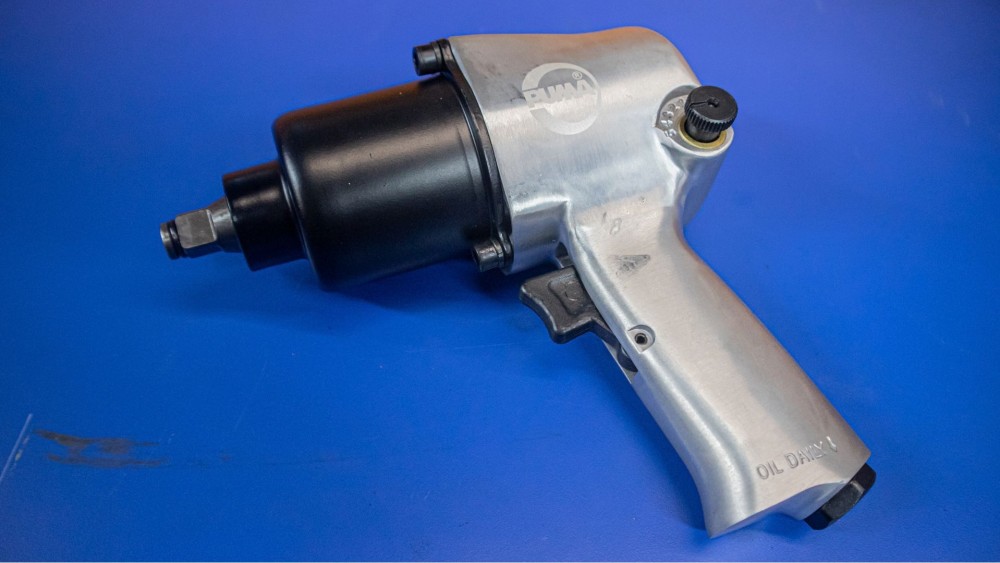
What should you do before storing an air impact wrench for several months?
If you know you won't be using your air impact wrench for several weeks or months, prepping the tool before storage will make putting it back into service much easier and reduce the chance of issues in the air system and internal mechanisms.
Clean the tool before storage
After completing work, air impact wrenches often have dust, metal shavings, oil, or grease buildup—especially wrenches used in auto repair shops, structural work, or construction sites. If you put a dirty tool into storage right away, moisture can cling to these residues longer than to a clean surface, making some metal parts more prone to rust.
Why shouldn't an air impact wrench be exposed to water even though it has no electrical circuits to short out? Wipe down the tool using a dry cloth or a slightly damp cloth, taking care not to let water enter the air inlet, and allow the tool to dry completely before storing. Do not wash the tool with water or spray cleaning agents inside, as certain chemicals may damage seals or wash lubricants out of internal mechanisms.
Around the square drive, also wipe away rust stains, metal dust, and dirt, because this area comes into direct contact with sockets. If excessive rust or metal debris builds up, it may make attaching and removing sockets much more difficult when returning to work.
Add air tool oil before storage
For many air impact wrench models, manufacturers specify adding drops of air tool oil into the air inlet periodically, with the quantity and method depending on the model. If the tool is about to be stored for a long time, check the manual for specific pre-storage lubrication procedures.
After adding the specified amount of oil, it is recommended to connect the air supply and run the tool briefly under no load so that the oil spreads through the air passages and components that require lubrication.
Check that no water remains in the system
Users often find internal rust in pneumatic tools even though they were stored properly in a case. The actual cause often turns out to be water mixed in the compressed air from the last time it was used. Therefore, maintaining the compressed air supply system is just as much a part of air impact wrench care as maintaining the tool itself.
Should you disconnect the hose before storage?
After use, do not leave an air impact wrench connected to the air hose for days or months. Disconnect the tool from the air system to help reduce the risk of residual moisture or pressure entering the tool, while also preventing accidental startup.
After disconnecting the hose, inspect the air coupler and air inlet for dirt. If the manufacturer included an air inlet dust cap, be sure to keep it capped during storage, as this is one of the easiest ways for dust, metal chips, or debris to enter the tool.
Where is the best place to store an air impact wrench?
Choose a dry, non-humid area that is protected from rain, away from corrosive chemical fumes, and out of direct sunlight. A toolbox, tool cabinet, or the manufacturer's original case is a great choice because it shields against dust and impacts. However, if the area is very humid, periodically check to make sure moisture is not accumulating inside the case.
Placing desiccant packets inside a tool cabinet can also help control the ambient humidity around the tool, but they must be replaced or dried out periodically. Otherwise, once fully saturated, they provide virtually no further benefit.
Another commonly overlooked mistake is storing an air impact wrench on concrete floors or ground-level surfaces, which can be high in humidity—especially during the rainy season. The tool should always be placed on a shelf or inside a cabinet rather than directly on the floor.
After Months of Storage, Do Not Pull the Trigger at Full Force Right Away
When several months have passed and it's time to put the air impact wrench back to use, many people tend to connect the air hose, attach a socket, and immediately start loosening bolts—which is a practice to avoid.
The initial period after a long hiatus is considered an inspection phase for the air impact wrench, as it's impossible to know whether the internal oil coating is still sufficient, if there's any rust, or what condition the seals are in.
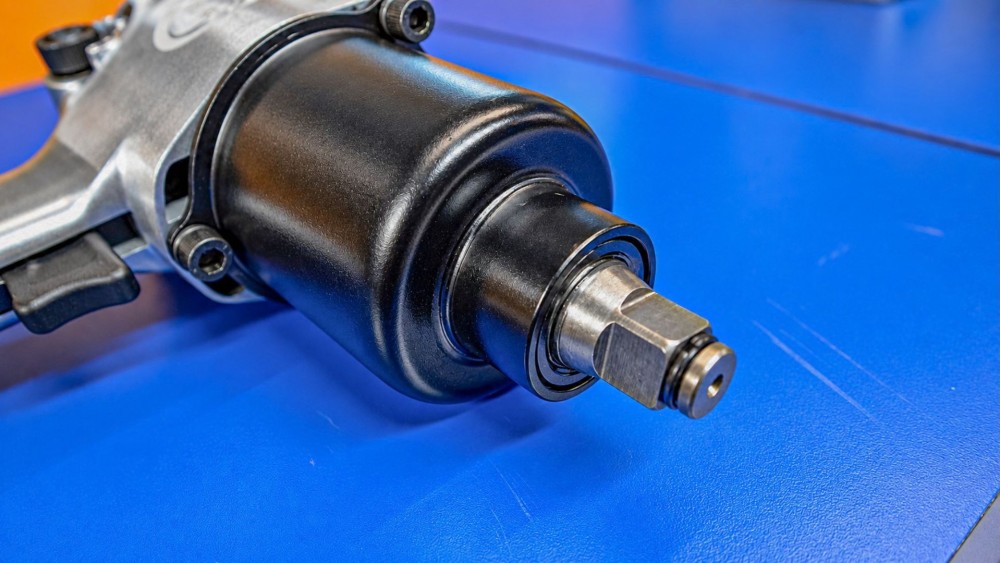
What should you check first before returning an air impact wrench to service?
Start by inspecting the housing for cracks, and check the trigger, direction switch, torque regulator, and other controls to ensure they move smoothly.
Next, inspect the square drive. If minor surface rust is found, clean it before attaching a socket; however, if there are cracks, chipping, or abnormal wear, do not force it into use, as this area directly absorbs impact forces. The air inlet fitting must also be checked—if it has rust, dirt, or damaged threads, fix these issues before connecting it to the air system.
Check the Air Hose and Couplers Too
Hose couplers should lock securely without any unusual looseness. If a coupler leaks, it reduces the air pressure and flow rate reaching the tool, even if the gauge on the air compressor shows normal pressure.
This is one reason why some users mistakenly believe an air impact wrench stored for a long time has "lost power," when the tool itself is fine and the issue actually lies in leaking couplers or hoses.
Should You Add New Oil Before Using It?
For air impact wrench models where the manufacturer specifies adding Air Tool Oil through the air inlet, if the tool has been out of service for a long time, check that model's lubrication guidelines once again before starting use.
The sound of the tool should be smooth, without metal grinding, scraping, or abnormal stuttering. If you hear an unusual noise that wasn't there before, stop the tool and inspect further. Do not increase the air pressure to see if the symptom goes away.
Test-Run Under No-Load First
Running the tool under no-load conditions is an easy way to listen to and feel how the air impact wrench behaves much more clearly than starting actual work immediately.
Try squeezing the trigger briefly, then release it, observing whether the RPM ramps up and down normally. Test switching between Forward and Reverse while listening to the sound of the air impact wrench. If everything is normal, gradually increase the running time slightly.
Lubricating the Impact Mechanism and the Air Motor Are Not the Same Thing
Some air impact wrench models have more than one lubrication point. Air Tool Oil added into the air inlet lubricates the air motor and air passages, whereas the hammer mechanism may require grease or a different type of oil according to the manufacturer's design.
If the tool has been left unused for a very long time, or if the impact mechanism's lubrication hasn't been checked in years, bringing the air impact wrench back into service is a great opportunity to inspect it according to the manufacturer's maintenance schedule.
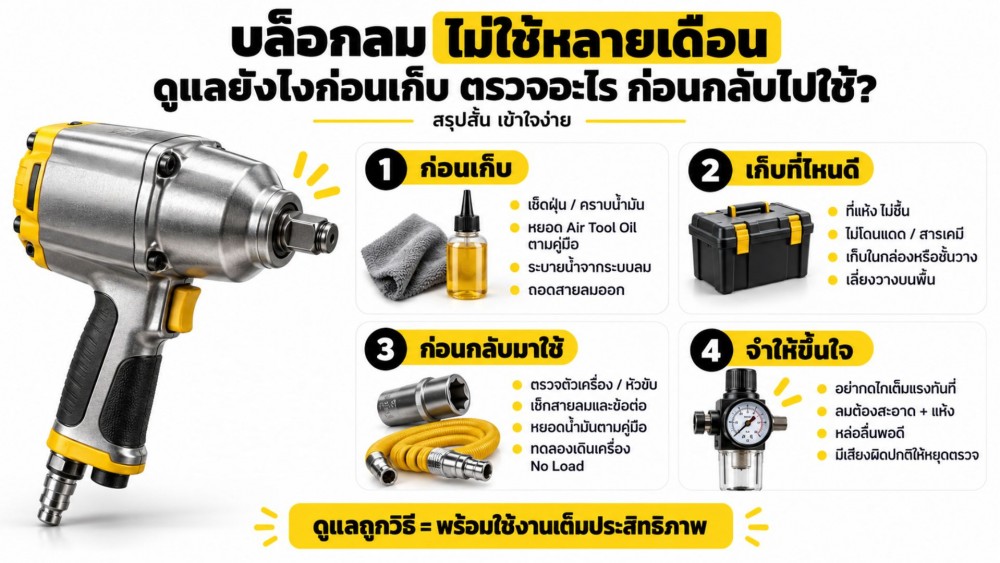
Summary: Air Impact Wrenches Can Be Stored for a Long Time, but Must Be Prepared Properly
Leaving an air impact wrench unused for several months does not mean the tool will be ruined. If stored properly, it can sit idle for an extended period and return to normal operation. The key is never to store it with moisture, dirt, or a lack of lubrication.
Before storing, clean the tool, drain water from the air system, lubricate according to the manufacturer's instructions, disconnect the air hose, and store in a dry place. When putting it back into use, check the tool body, fittings, air hose, air supply system, and lubricants first, then run it without a load to listen to the sound and check its operation.
Maintaining an air impact wrench is not complicated; the key points are simply: Clean and dry air, proper lubrication, and storing the tool in a good environment, and before returning to use, checking its condition before putting it under actual load.
Just take care of it properly, Air Impact Gun an air impact wrench stored for several months will still be able to return to full operating performance and stay ready for your work for a long time.