


 EN
 ไทย


Customers Also Purchased



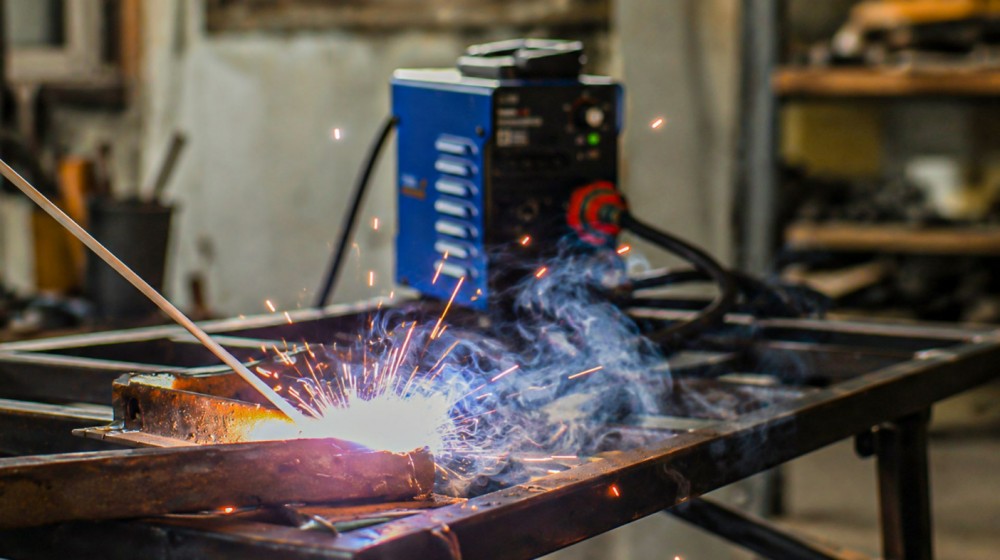
When looking at welding with the naked eye, we might only see the welder holding the electrode holder to strike Welding Wire the workpiece until a bright arc flares up with spattering sparks. A few seconds later, the electrode gets shorter as a metal bead forms on the workpiece. It seems like a very simple and fast process, but in those brief seconds while the tip of the electrode melts, there is intense heat, metal fusion, shielding gas generation, slag formation, and cooling of the weld bead, all happening simultaneously.
Flux-coated welding electrodes, commonly known in stick or MMA welding, are not merely filler metal for a joint; the core wire and flux coating must work together constantly during the arc to stabilize the molten pool, shield hot metal from the atmosphere, and help the deposited metal solidify into a weld bead with proper mechanical properties.
Let's take a look from the very first second the electrode tip touches the workpiece until we chip away the slag to reveal the weld bead underneath—what a single electrode must go through, and why small details like current, arc length, rod angle, moisture, or travel speed can dramatically change the weld results.
The electrode hasn't started yet, but the conditions of the weld bead have already begun.
We might think the welding process begins when the arc sparks, but in practice, the quality of the weld bead is determined before the electrode even touches the workpiece, including:
- Selecting the right electrode for the material
- Electrode diameter
- Current / amperage setting
- Surface condition of the workpiece
- Welding position
- Condition of the electrode itself
If we use an oversized electrode on sheet metal that is too thin, it may require excessive current, making the weld pool difficult to control. If we use a very small electrode on thick metal, even if feasible, it may require multiple passes, consuming more time and materials.
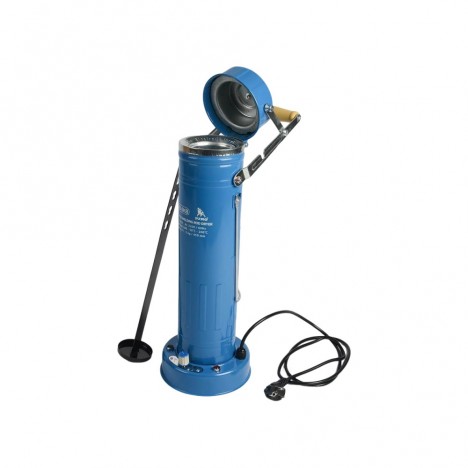
This rainy season, storing welding electrodes the old way might ruin your welds without you realizing it. When electrodes are stored in a damp area, the flux coating can absorb moisture, which for certain types of electrodes can lead to arc instability, porosity, or compromised weld mechanical properties.
Before a single welding electrode begins to melt, it must be under the right conditions. No matter how high-quality the electrode is, if it is paired with inappropriate amperage and application, the results may fall short of expectations.
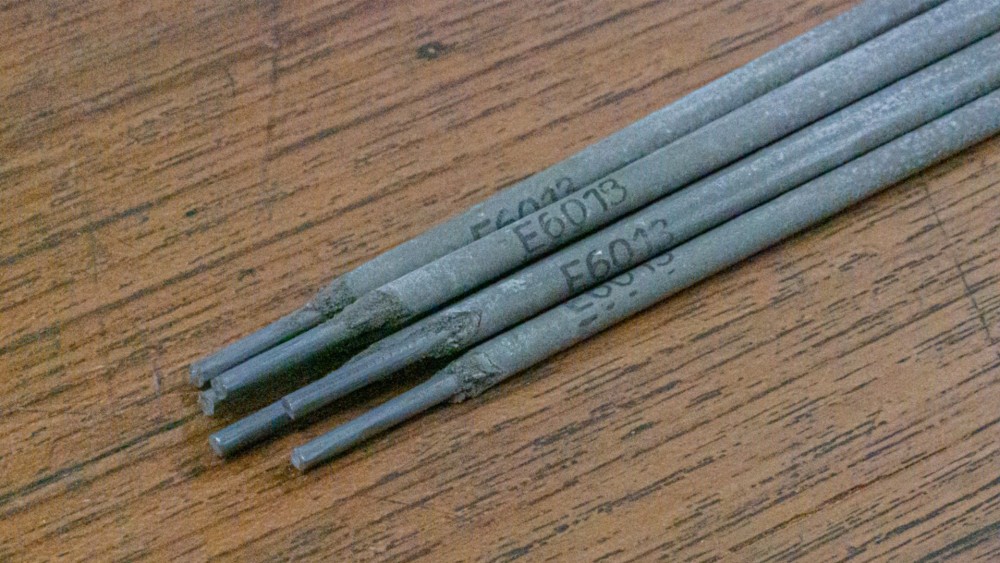
Where it all begins: Striking the "Arc"
When the welder touches the tip of the welding electrode to the workpiece, the electrical circuit is closed, and when the tip is slightly lifted, electric current flows through the gap between the electrode tip and the workpiece in the form of an electric arc Get
The electrode tip touches the workpiece and is then lifted only slightly.
At this moment, the temperature at the electrode tip and the workpiece surface rises rapidly. The welding arc temperature can reach several thousand degrees Celsius, which is high enough to melt both the tip of the electrode core and the base metal at the joint. Crucially, after striking the arc, the welder must maintain a proper distance between the electrode tip and the weld pool, known as the Arc Length
What looks like "dragging the welding rod along the steel" is actually continuously controlling a very small gap while the electrode is constantly getting shorter.
Once the arc strikes, the welding electrode turns into molten metal.
After the arc is established, the metal of the welding electrode begins to melt from the tip, forming droplets that transfer through the arc into the weld pool on the workpiece. At the same time, the heat from the arc melts not only the electrode but also the surface of the base metal. The weld bead we see later is therefore not made purely from the electrode metal, but is a combination of
- Filler metal from the welding electrode
- Melted base metal
If the workpiece does not melt and fuse properly with the filler metal, even if the top of the weld looks full and neat, it does not mean the joint beneath is necessarily strong.
Imagine a weld bead that looks as if metal has just been laid on the steel surface, but upon bearing a load, peels off in a long strip. This type of problem is often related to lack of fusion, which can be caused by too low a current, traveling too fast, an improper angle, or surface contaminants hindering the melt.
Where does the coating around the welding electrode go?
A standard stick welding electrode has a metal core in the center surrounded by an outer coating called flux (flux coating). When the electrode tip is heated by the arc, this coating also decomposes and melts along with it, but does not entirely become the weld bead like the metal core.
Flux serves to create shielding gas for molten metal.
The coating is designed to perform multiple functions at once, depending on the formulation of each electrode type. One crucial function is to generate shielding gas around the arc and the weld pool, reducing direct contact between the hot metal and the outside air.
The reason for this is that while steel is molten, it reacts much more easily with oxygen, nitrogen, and other atmospheric elements than when it is solid metal. If the weld pool becomes overly contaminated, the weld quality can degrade and various defects can occur.
Part of the flux turns into "slag"
Besides generating gas, part of the flux also melts and floats to the top of the weld pool before solidifying into a layer called Slag After welding, we see a black or grey surface covering the weld bead, which must be cleaned off using a chipping hammer or wire brush.
This slag layer is beneficial during welding and cooling because it covers the hot weld metal and can help control the solidification profile of the weld bead. However, if multiple passes are welded without cleaning the slag before the next pass, slag can become trapped inside the weld bead, forming a defect known as Slag Inclusion Get
The reddish-orange molten pool is the "weld pool"
While welding, we see a bright metal area beneath the tip of the welding electrode. That is the weld pool, where the base metal and filler metal are molten and fusing together.
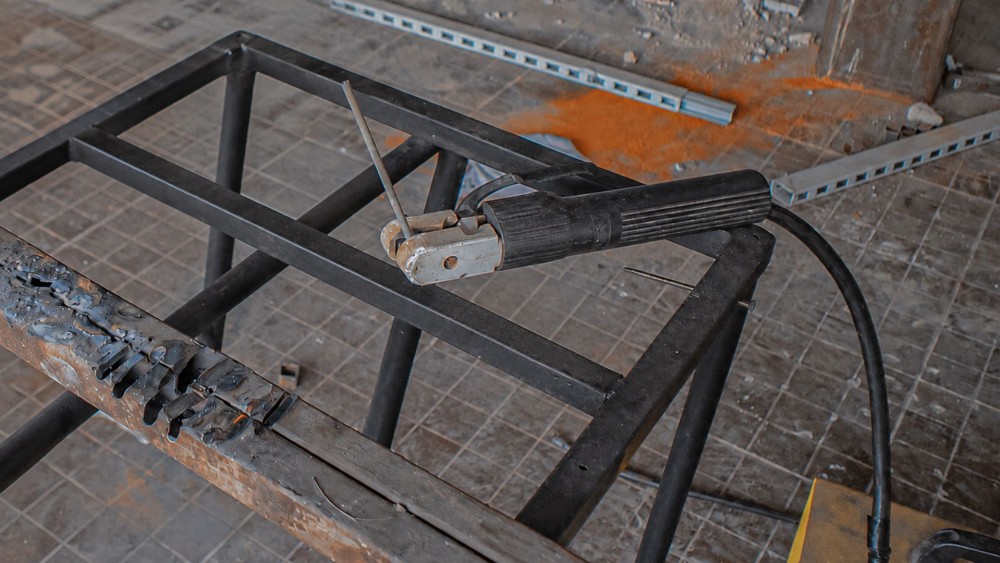
- Controlling the weld pool is considered one of the most critical skills in welding.
- A welder doesn't just look at the electrode tip;
- They must observe how large the weld pool is, which way it flows, whether the edges fuse with the workpiece, and whether too much or too little heat is accumulating.
If the travel speed is too slow, heat builds up in one spot for too long; the weld pool can grow excessively large, creating a heavily crowned bead or even burning through thin workpieces. But if travel is too fast, not enough filler metal may be deposited, and the heat may not have enough time to fully melt the joint edges. Therefore, setting the correct current alone does not guarantee a good weld bead; one must also coordinate current, arc length, electrode angle, and travel speed in harmony.
The electrode gets shorter, but the weld bead is taking shape
As the welder moves the electrode forward, the area that just passed the arc begins to lose heat. The previously liquid weld pool gradually solidifies, turning into weld metal.
This stage might look like a simple step, but in reality, the cooling and solidification process significantly affects the internal structure of both the weld metal and the surrounding area. The base metal adjacent to the weld bead, even though parts of it do not melt into a liquid, still receives high enough heat to alter its metallurgical structure. This area is called the Heat-Affected Zone, or HAZ
For general work, analyzing the HAZ every time might not be necessary. However, in structural work, high-strength steel, pressure vessels, or specialized materials, controlling the heat before, during, and after welding is crucial to the properties of the joint.
Why does a good-looking weld bead not always mean it's strong?
After chipping away the slag, if the bead ripples are uniform, consistent in width, and show no visible pinholes, it's a good sign in terms of bead control. However, judging strength based solely on appearance is not enough.
A weld bead may look fine on the outside, but internally it could suffer from lack of fusion, cracks, porosity, slag inclusions, or inadequate penetration. Especially in critical applications, additional inspection methods are required, such as
- Standard visual inspection
- Dye penetrant testing
- Ultrasonic testing
- Other methods according to standards and the nature of the work
For general mechanical work, what users should understand is The strength of a weld comes from what happens beneath the surface, not just what we see on top. And if the welding electrode has issues, it can cause burn-through holes in the weld bead, not because of your skill.
Current affects the entire welding electrode
Welding current is another variable that affects every stage, from striking the arc to the behavior of the weld pool. If the current is set too low, the electrode may stick frequently to the workpiece, the arc will be unstable, the molten pool will be small, and there is a risk of incomplete fusion. But if the current is set too high, the electrode melts quickly, the molten pool becomes wide and difficult to control, spatter may increase, and the edges of the workpiece may be deeply undercut.
When using welding electrodes, do not just assume that "higher current means better bonding," because the goal of welding is to introduce heat and filler metal into the joint in an appropriate and controllable amount.
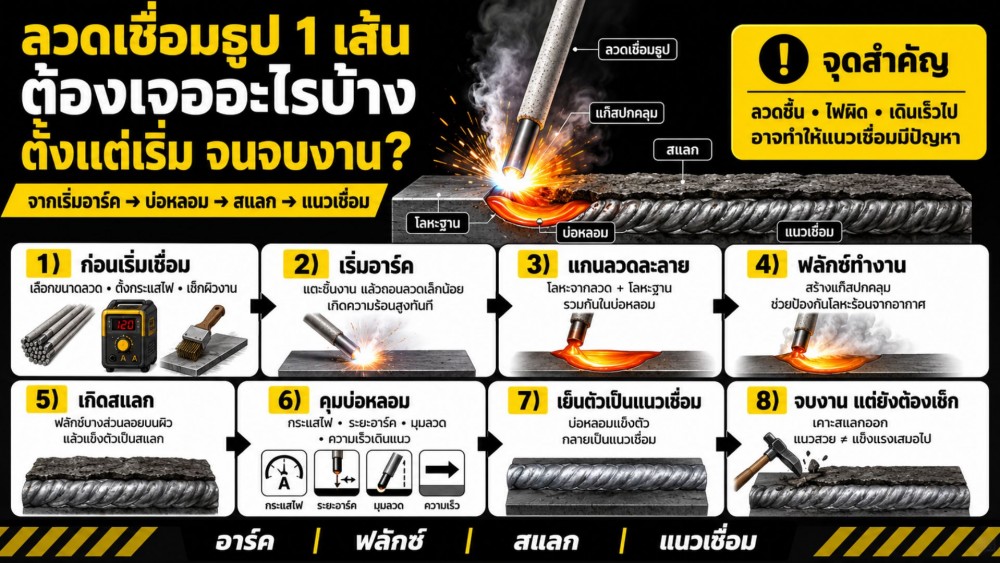
Summary: From a single welding electrode to a strong weld bead
The journey of a welding electrode begins with receiving current and creating an arc. Heat from the arc melts the tip of the electrode and the workpiece.
- The core wire turns into filler metal and flows into the molten pool, while the flux coating around the electrode creates a protective environment for the hot metal and forms a layer of slag.
- After the arc moves past, the molten pool gradually cools, solidifies, and becomes the weld bead joining both sides together.
However, "bonded" and "strong weld bead" do not mean the same thing. A good weld comes from selecting the right welding electrode, setting the current properly for the electrode and workpiece, controlling arc length, electrode angle, and travel speed, along with proper surface preparation and electrode storage.
The weld bead before you does not exist merely because Welding Wire it melted onto the steel, but is the result of multiple processes that must take place properly at the same time.