


 EN
 ไทย


Customers Also Purchased



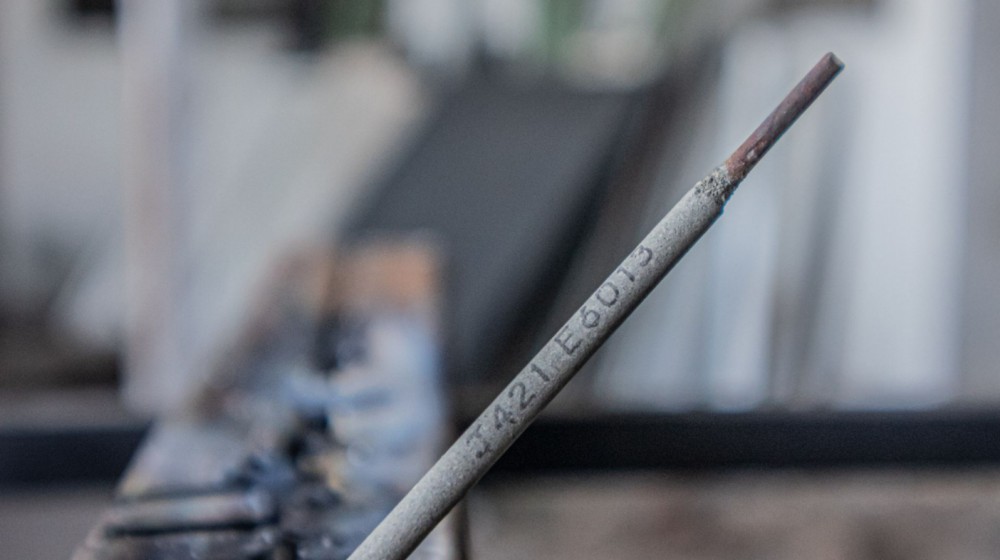
When the rainy season arrives, we might think of roof leaks, stagnant water, power tools exposed to moisture, or rusting steel. But there is another issue that welders, garage owners, factories, and metalworkers might overlook, which is "Welding Electrode Storage"
Welding Wire They may look like solid, dry items designed to work with heat, leading people to think they can be stored anywhere—as long as they aren't broken, haven't been directly soaked, and are still in the box, they should work as usual. In reality, they are more sensitive to weather conditions than many think, especially during periods of high humidity, frequent rain, cold factory floors, and moisture-absorbing cardboard boxes.
So let's take a look at why storing welding electrodes in the rainy season is more important than you think, what happens when electrodes are exposed to moisture, what signs indicate that electrodes are starting to develop problems, and how to store them so they are always ready to use.
Why the Rainy Season Is a High-Risk Period for Welding Electrodes
The rainy season brings more than just falling rain; what affects equipment more than we think is "atmospheric humidity." We might not see water dripping directly onto the welding electrode box, but if the air is humid, the storage area is damp, temperatures change quickly, or boxes are placed near the floor, this moisture can gradually accumulate in the packaging and on the surface of the electrodes.
The problem is that moisture damage is often not obvious at first. The electrodes may still look normal—no color change, no cracking, no swelling. But when actually used, they become harder to strike, the weld bead becomes porous, spatter increases, or defects appear in the workpiece after welding. This is why many people experience "ruined work without realizing it," never suspecting that the root cause might be improperly stored welding electrodes.
Not Just Water, but Accumulated Moisture
Damp or Wet Welding Electrodes: How to Fix Them? Is It Okay to Force Their Use? Many people assume electrodes are only damaged when they come into direct contact with water, such as from wet boxes, wind-blown rain, or submersion. However, atmospheric humidity can be just as problematic.
Flux-coated electrodes, commonly known as stick electrodes, have an outer layer of flux that does more than just coat the core wire; it directly affects arc stability, slag formation, weld pool shielding, and overall weld quality.
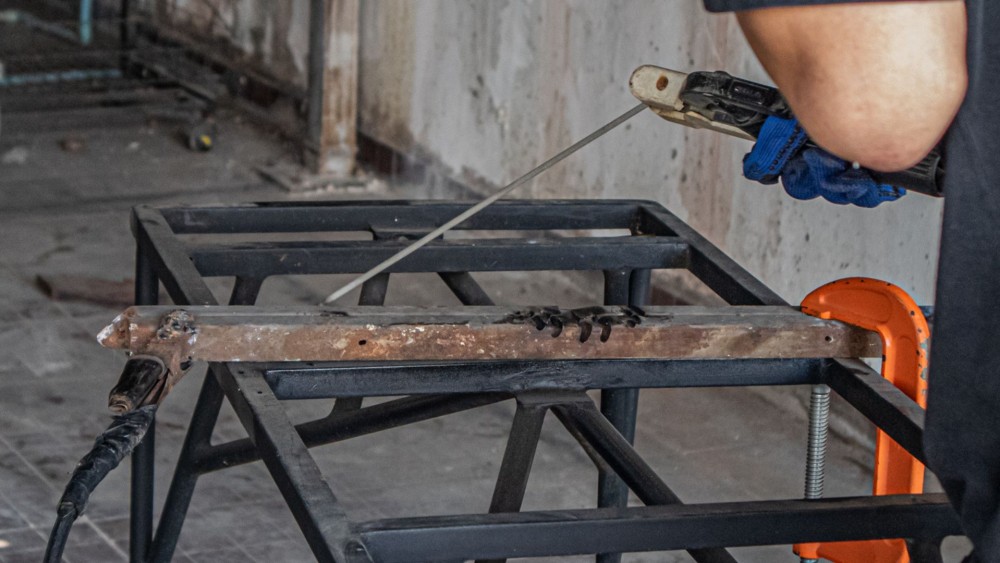
When the flux absorbs too much moisture, the properties of the welding electrode can change.
- Electrodes that used to strike easily may become difficult to ignite.
- Beads that once ran smoothly may begin to produce more spatter.
- Electrodes that used to produce solid weld beads might start showing porosity or uneven weld seams.
This issue becomes more evident in high-quality applications such as structural work, load-bearing jobs, tanks, piping, or projects requiring strong and inspectable welds.
Storing welding electrodes the traditional way may not be suitable for the rainy season
During dry weather, placing boxes of welding electrodes on a shelf may not be an issue, but in the rainy season, the same old storage method can become a risk. For example, opening a box of electrodes, not finishing it, and simply folding the box lid shut on a shelf, or placing them in an ordinary plastic bag without sealing it properly.
Some people place boxes directly on concrete floors because it is convenient and close to the work area. However, concrete floors during the rainy season can be cold and damp, causing cardboard boxes to absorb moisture easily. Some shops or factories store welding electrodes together with steel, cutting equipment, spare parts, and other tools in the same room without any humidity control. When it rains for several consecutive days, the electrodes start to accumulate moisture.
Which types of welding electrodes require special care?
What do the codes on welding electrodes tell us? Different types of electrodes have varying sensitivity to moisture, but generally, the Low Hydrogen group, such as the 7018 family, requires special caution. They are designed to minimize hydrogen content in the weld metal for jobs demanding high strength and reduced risk of cracking. However, if improperly stored and the flux coating absorbs moisture, the primary selling point of these electrodes is diminished. Simply put, the welding electrodes purchased to provide strength and prevent defects can become the root cause of problems if stored incorrectly.
In addition to Low Hydrogen electrodes, general welding electrodes should not be allowed to get damp either. Although the damage may not be equally severe for every job, it still affects arc striking, arc stability, and the overall neatness of the weld.
Safer ways to store welding electrodes during the rainy season
Proper storage of welding electrodes doesn't always have to start with a large, complex system, but should begin by reducing moisture, minimizing air exposure, and setting up a more suitable storage area.
Keep them off the floor
First and foremost, Do not place welding electrode boxes directly on the floor Especially on concrete floors, floors near doors, floors near walls that may retain moisture, or areas where rain might splash in. Place them on shelves, racks, pallets, or elevated surfaces off the floor to help reduce moisture absorption from below.
Seal packaging tightly and use desiccant packs after opening
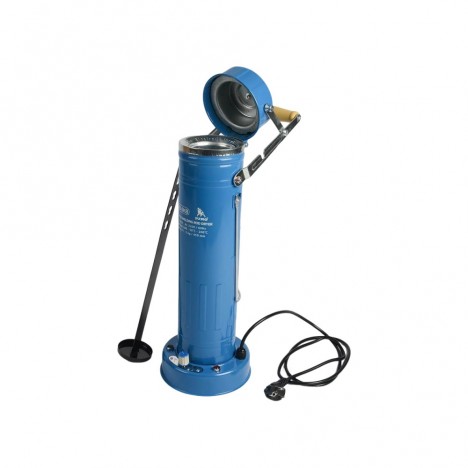
Opened boxes of welding electrodes should be sealed tightly every time after use; avoid leaving the box lid open all day. If not used up, transfer them to a container that seals better than the original cardboard box, such as: Plastic boxes with tight-fitting lids or moisture-proof containers suitable for workshop use For quality-controlled jobs, use electrode ovens or storage equipment according to the manufacturer's recommendations.
Separate opened electrodes from new ones
Unopened packages of electrodes are usually better protected than opened ones, so you should clearly separate storage areas. Keep new electrodes in a clean, dry area, and do not open the boxes until actual use. For opened packs, have a management system in place—such as marking the opening date, using dedicated storage containers, or organizing by electrode type—to prevent picking the wrong ones and ensure old electrodes are used before new ones.
Use the "First In, First Out" principle
Welding electrode inventory management should follow the "First In, First Out" (FIFO) principle, meaning whatever was purchased first should be used up first. Electrodes bought earlier should be used first to minimize the problem of old stock sitting around for too long.
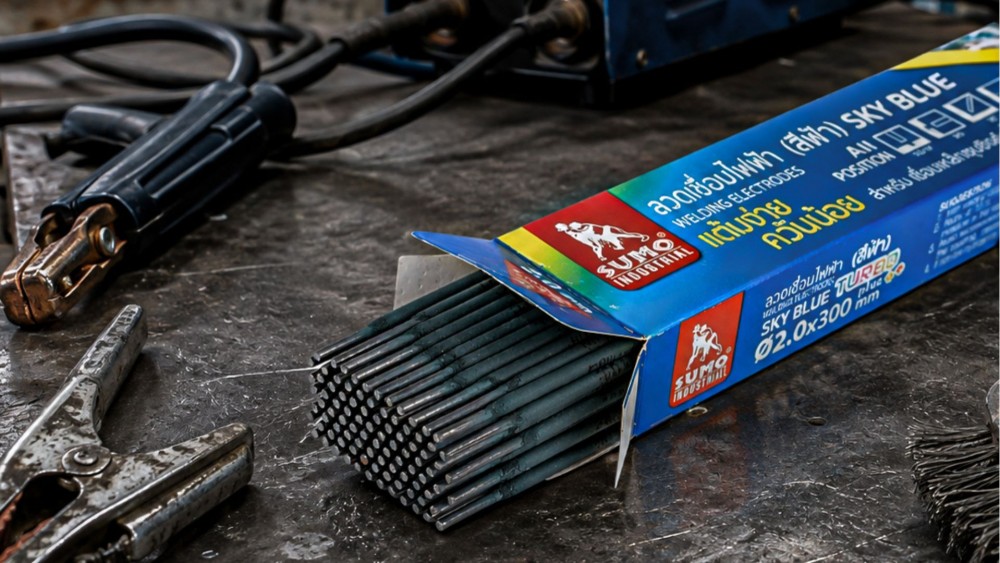
During the rainy season when humidity is higher than usual, without an inventory management system, some boxes of electrodes might be pushed to the back for months or even years. By the time you pick them up to use again, they may already have begun to deteriorate. What makes an MMA welding electrode 'unusable'? How do you know you shouldn't weld with it anymore?
Do not store electrodes near wet or damp areas
Areas near roller shutter doors, windows, gutters, leaking roofs, damp-stained walls, or unventilated corners are not suitable for storing welding electrodes. Keeping them inside boxes might prevent direct wetting, but accumulated moisture and humidity can still ruin their quality. The storage area should be dry, clean, well-ventilated, and not subject to rapid temperature fluctuations.
Negative effects of using improperly stored welding electrodes
Using moisture-affected welding electrodes wastes more than just a few rods—it impacts your costs, time, and weld quality.
- Wasted welding time Weld beads need fixing more often, arc restrikes become more frequent, and more time is wasted grinding off spatter.
- Wasted material costs Defective welds may need to be ground out and re-welded, consuming more electrodes, extra grinding discs, and more electricity.
- Loss of credibility If the weld beads look untidy or subsequent structural strength issues arise with the workpiece, it can be seen as unprofessional.
For some applications, the damage can be even more severe—such as structural work, machinery repair, piping, or load-bearing components. Faulty welds can compromise safety and require high costs to rectify.
Before the rainy season begins, or during prolonged periods of continuous rain, you should inspect your welding electrode storage area thoroughly. Start by checking if electrode boxes are placed on the floor; if so, move them onto shelves or pallets. Inspect whether boxes show signs of dampness, swelling, collapsing, or musty smells. If they do, separate them for inspection before use.
- Check if opened electrodes are sealed tightly If left open, change the storage method immediately
- Sort welding electrodes by type, size, and opening date To make them easy to access and reduce dead stock
- Check the surrounding area for water leaks, splashing rain, or damp walls If found, move the welding electrodes away from that area
For high-quality jobs, you should have an electrode drying oven or an appropriate humidity control system; do not store them the same way as electrodes for general jobs
How should shops and factories manage welding electrode stock?
For shops, factories, or workshops with multiple types or large quantities of welding electrodes, storage should be more systematic than just stacking boxes. Clearly separate zones for new electrodes, opened electrodes, and electrodes awaiting inspection. Use labels indicating electrode type, electrode size, and box opening date To ensure correct picking and conduct periodic stock checks, especially during the rainy season, because electrodes at the very bottom or back may face a higher risk of moisture than you think
Boxes starting to get damp should not be mixed with regular electrodes as it may cause confusion during use; keep them separated for inspection or proper handling. Stock organization helps reduce waste, minimizes welding problems, and ensures that customers or welders can be confident the electrodes taken are ready to use.
Store welding electrodes better, get better welding results
Often when welding problems occur, we first look at the welding machine, welder, electric current, skill, or steel quality, which are truly important, but the welding electrode has issues, it can cause burn-through holes in the weld bead, not because of your skill.
Well-stored electrodes make arc striking easier, provide more consistent beads, reduce spatter, minimize porosity, and make the work more reliable. However, conventional storage in a humid environment can turn minor issues into major costs.
The rainy season is the time to seriously review how you store welding electrodes—whether you are a professional welder, workshop owner, factory, or DIYer who keeps electrodes at home for use.
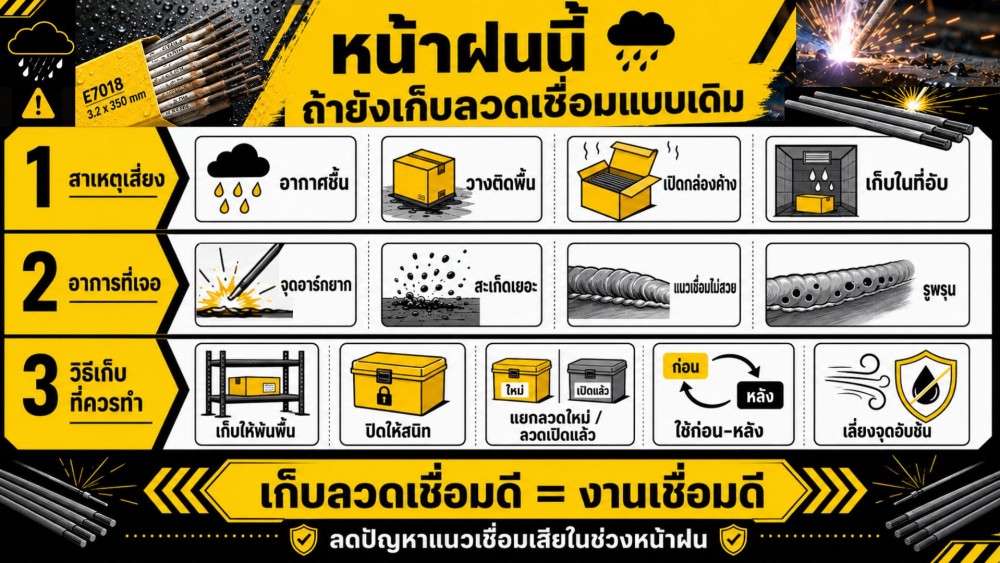
Summary: This rainy season, don't let welding electrodes spoil before reaching the welder's hands
Welding electrodes are consumables that directly affect weld quality, especially during the rainy season when humidity is high and environmental conditions are harder to control than usual.
Traditional storage habits such as placing them on the floor, leaving boxes open, storing them in poorly ventilated areas, or letting boxes absorb moisture can unintentionally ruin welding work. If you want to avoid difficult arc striking, excessive spatter, uneven beads, porosity, or weak weld seams, start by keeping the storage area dry, clean, properly sealed, and choose a storage method suitable for the type of electrode.
In welding, quality might not begin when you turn on the machine, but rather from storing Welding Wire properly from day one