


 EN
 ไทย


Customers Also Purchased




Time Spent Sandpaper with sanders in woodworking or surface preparation tasks, many people mainly focus on grit, sander RPM, and the downward pressure applied to the workpiece. Dust extraction systems, on the other hand, are often viewed merely as optional accessories to keep the work area cleaner or to improve surface visibility.
However, after working for a while, you may notice that sandpaper connected to a dust extractor lasts longer and continues to remove material consistently compared to sanding without dust collection. This might lead you to wonder: does dust extraction really help, or is it just an illusion from regular use?
The answer is A dust extraction system really can help extend sandpaper life especially in applications generating large amounts of fine dust. However, dust extraction does not solve every problem, as sandpaper lifespan also depends on abrasive grain type, backing material quality, RPM, applied pressure, heat build-up, and selecting the right grit for the job.
To understand why dust extraction affects sandpaper lifespan, we must start by looking at what happens on the surface of the sandpaper while the sander is running.
Why Sandpaper Wears Out: It's Not Just About Dull Abrasives
Many people assume sandpaper is worn out once the abrasive grains become dull or detach from the backing. However, a significant amount of sandpaper is thrown away even though the abrasive grains are not fully worn down. The cause is that the spaces between the abrasive grains become clogged with dust and material debris, preventing the abrasive surface from fully contacting the workpiece. Why Do Sanding Belts Clog Even When They Aren't Dull Yet? How to Tell Before Throwing Them Away
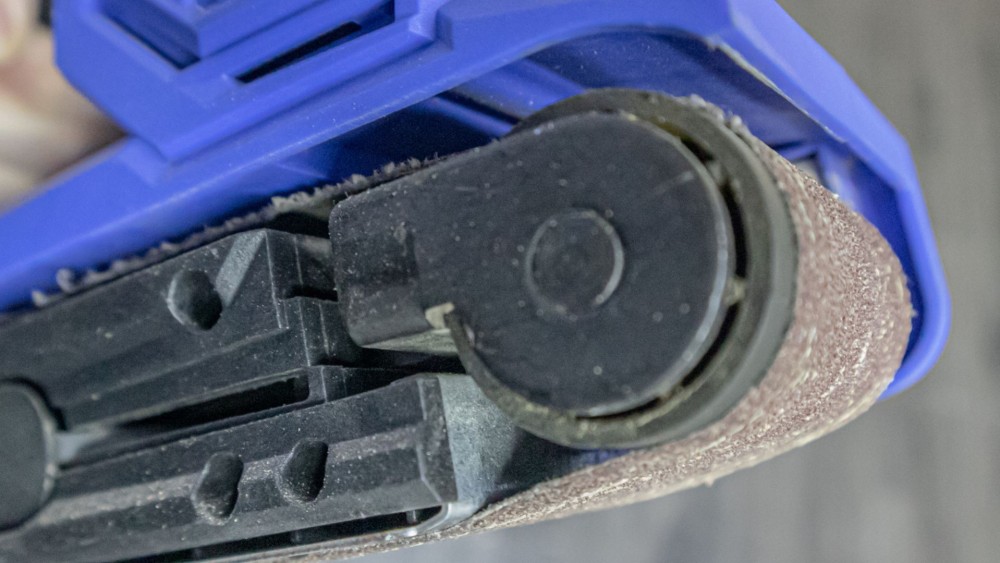
As sandpaper moves across a surface, the abrasive grains scrape, cut, or shear away material into small particles. These particles can range from coarse sawdust to virtually invisible fine dust. If this dust is not removed from the contact area, it circulates between the paper and the workpiece, gradually accumulating in the spaces between abrasive grains. As more accumulates, pressure and heat can compress the dust into a hardened buildup on the sandpaper. This condition is commonly known as loading (clogging).
Sandpaper that starts to load can make the sander feel like it is barely cutting, requiring more pressure, longer sanding times, and creating greater heat buildup. This is often mistaken for the abrasive being dull.
How does a dust extraction system help extend sandpaper life?
The key principle of a dust extraction system is to remove debris from the contact surface as quickly as possible, before dust is packed between the abrasive grains by pressure, heat, and the sander's movement. The faster dust can be extracted, the longer the sandpaper maintains the cutting edges of its abrasive grains.
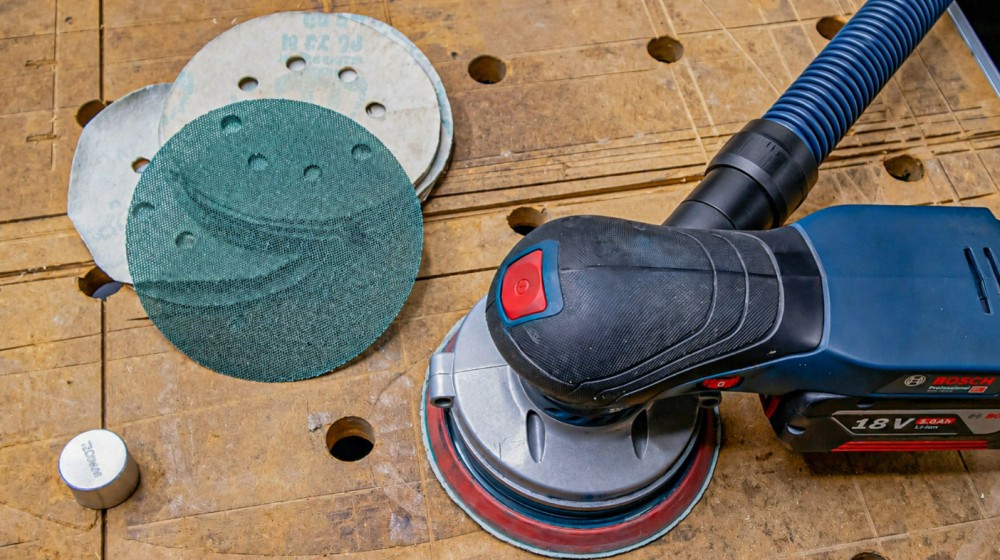
Punched holes, no holes, mesh sandpaper: just dust ventilation or does it really affect the work? Sanders that support dust extraction systems have holes on the backing pad and sandpaper sheet. These holes connect to internal air channels in the tool. When the vacuum generates suction, air flows through the holes on the sandpaper and pulls dust directly from the sanding area. This differs from vacuuming the surrounding area after sanding, because a system connected to the sander deals with dust immediately as it is generated.
Reduces clogging between abrasive grains
The most obvious benefit is that the dust extraction system reduces the amount of dust remaining on the sandpaper surface. When the spaces between the abrasive grains are not clogged, the grains remain in continuous contact with the workpiece surface. The sandpaper can cut material consistently, eliminating the need to replace sheets prematurely.
Reduces heat buildup at the contact surface
Although the dust extraction system does not serve as a direct cooler, the air flowing through the holes helps carry away some heat from the sanding area. When dust does not accumulate between the sandpaper and the workpiece, excess friction is reduced accordingly.
If the paper clogs, we might unconsciously apply more downward pressure because it feels like it is not cutting the material. Applying extra pressure places more load on the motor, increases surface heat, and accelerates the degradation of the grain bonding agent on the sandpaper. Heat can also cause paint, resin, or certain coatings to soften and melt onto the paper surface even more, creating a cycle that causes the sandpaper to clog and deteriorate increasingly faster.
Therefore, with a proper dust extraction system, the sandpaper cuts more consistently, eliminating the need for the user to apply excessive pressure and reducing unnecessary heat buildup.
Reduces re-sanding over existing dust debris
Without a dust extraction system, the sanded debris may remain under the machine's pad and be sanded over repeatedly by the sandpaper. Some dust and debris act like loose abrasive particles rolling between the workpiece surface and the sandpaper, which not only causes swirl marks and scratches but also increases friction, wearing out both the paper and the abrasive grains faster.
Extracting debris from the sanding point allows the abrasive grains to work directly on the actual material rather than wasting energy repeatedly grinding existing dust. This improves sanding efficiency and reduces unnecessary stress on the sandpaper surface.
In many cases, extracting dust directly from sandpaper sanding with a vacuum cleaner is safer and provides better dust control than blowing it off with compressed air.
Dust extraction systems do not solve improper sandpaper use
No matter how efficient the dust extraction system is, if you choose consumables unsuitable for the job, apply too much pressure on the machine, or sand in one spot for too long, the sandpaper can still deteriorate quickly.
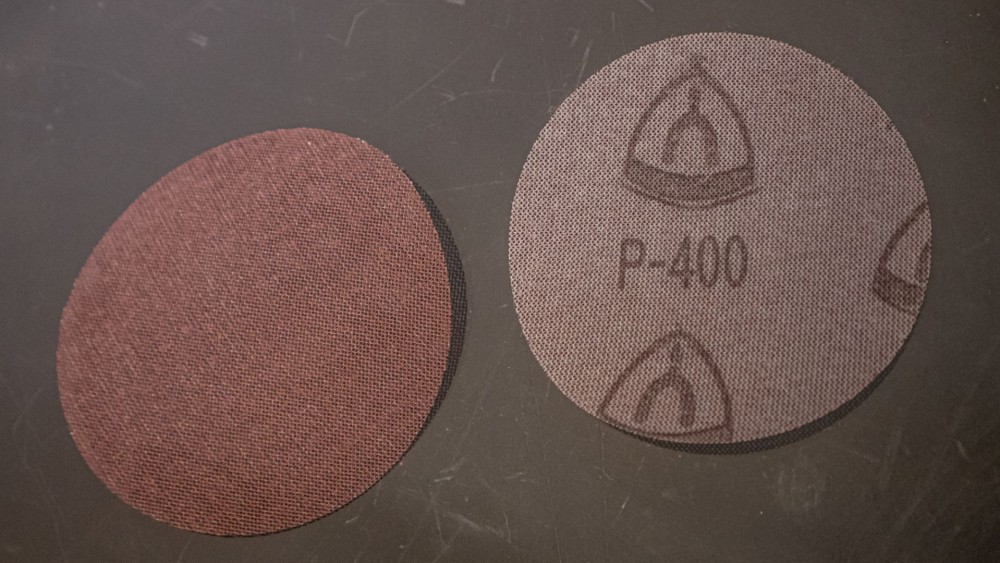
Using too fine a grit for heavy material removal
If you need to remove deep scratches, level surfaces, or sand off thick old paint, but start with fine-grit sandpaper, the abrasive grains will endure more stress than designed for, resulting in:
- Slow sanding progress
- Heat generation
- prone to clogging quickly
Skipping too many grit numbers can make removing scratches take longer, while using overly close grit increments wastes both materials and time. Choosing the proper grit progression therefore affects sandpaper lifespan just as much as a dust extraction system.
Pressing down too hard on the sander
Most electric sanders are designed to work using the weight of the tool itself combined with guiding pressure from the user. Applying excessive force does not necessarily make sanding faster
- Causes tool RPM to drop
- Abnormal sanding pad movement
- Causes higher heat buildup
- Dust gets compacted more tightly against the sandpaper surface
- Even with a dust extraction system, it may not be able to evacuate dust in time
Abrasive grains and bonding materials also endure more stress, causing grains to shatter or dislodge prematurely. You should let the sander and sandpaper work at their own pace, moving the tool steadily without pressing down so hard that the RPM drops noticeably.
Using an RPM speed unsuitable for the material
High speeds can help finish certain types of work faster, but for paint, plastic, resin, or heat-sensitive materials, excessive speed may cause the material surface to soften and melt onto the sandpaper. Reducing the RPM on materials that easily generate heat helps sandpaper clog more slowly and provides better scratch pattern control.
Is using the built-in dust bag that comes with the tool enough?
Many sander models come with a dust bag or small dust canister. This system helps reduce dust to a certain level and is suitable for quick tasks or jobs where connecting a vacuum is inconvenient
However, small dust bags have limited filter area. As dust accumulates, airflow decreases, requiring frequent emptying and cleaning; if left to fill up, the system may barely be able to extract dust from the sandpaper surface, even if the bag isn't overflowing yet.
For continuous sanding, large surface areas, or tasks that generate a lot of fine dust, using a workshop dust extractor with an appropriate filter and collection bag maintains suction much better, making the benefits of extended sandpaper lifespan far more noticeable.
How to use a dust extraction system to maximize sandpaper lifespan
Start by selecting sandpaper that matches the hole pattern of the tool's backing pad
- Attach the paper centered properly
- Ensure no holes are unnecessarily blocked
- Connect the suction hose securely and choose an adapter that does not excessively constrict the airflow passage.
- Inspect the dust bag and filter before starting work, especially when about to sand materials that generate very fine dust.
Check the sandpaper surface; if you find caked-on residue or unusually clogged areas, stop to identify the cause before continuing use.

Conclusion: A dust extraction system does help extend sandpaper life, but it must be used correctly.
A dust extraction system truly helps extend the service life of sandpaper because it removes dust and debris from the contact surface, reduces clogging between abrasive grains, minimizes excessive friction, and lowers the chance of heat buildup. As a result, the sandpaper maintains its sanding efficiency longer, eliminating the need to replace sheets simply because the surface is clogged with dust while the abrasive grains are still sharp.
Results are especially noticeable in wood sanding, paint, putty, and tasks that generate a lot of fine dust. However, a dust extraction system only works effectively when the holes on the sandpaper align with the tool's backing pad, the suction hose and connectors are leak-free, the dust bag is not full, the filter is not clogged, and the suction power is set properly.
At the same time, you must select the right sandpaper grit for the job, use a speed appropriate for the material, and avoid applying excessive pressure on the tool, as a dust extraction system cannot compensate for improper operating techniques.
Investing in a dust extraction system compatible with your sander is not just beneficial for cleanliness, but also reduces consumption of Sandpaper makes sanding results more consistent, and helps improve the working environment in the long run.