


 EN
 ไทย


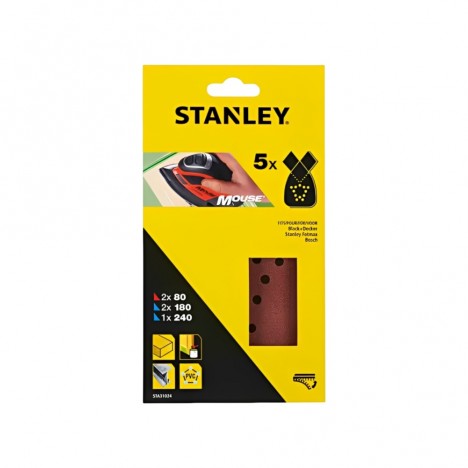
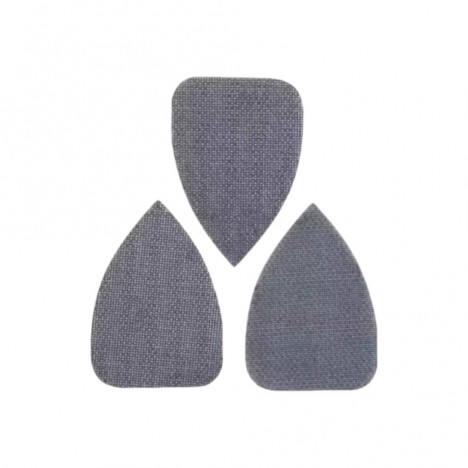
Customers Also Purchased




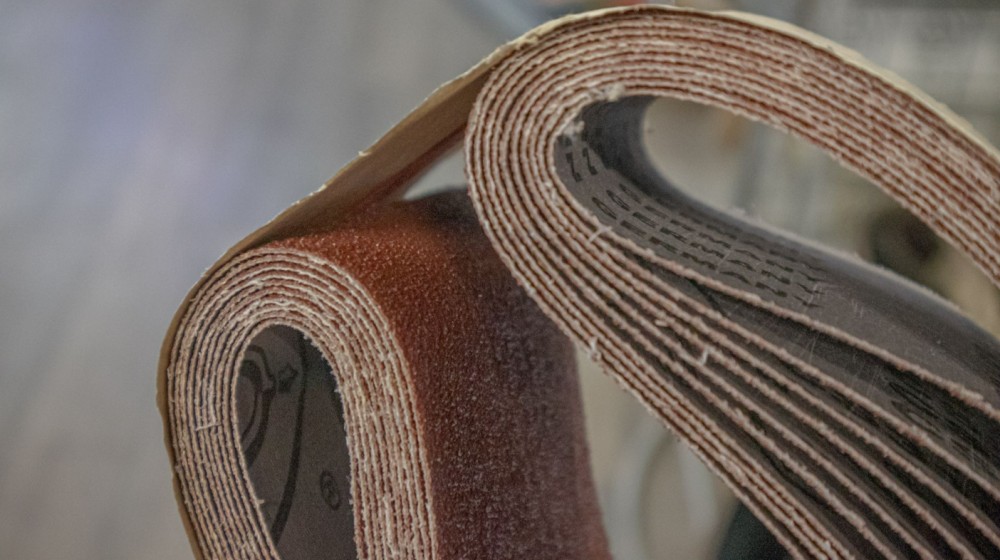
When sanding wood, removing old paint, sanding metal, or finishing workpieces with a sander, we often face a similar issue: after using a Sandpaper sanding belt for a short time, it feels like it isn't cutting into the material as well as at first, with buildup coating the abrasive surface or dust packed tightly along the belt.
When this happens, we might immediately think, "The sandpaper is worn out," and throw it away to replace it with a new belt. In reality, that sanding belt might not be dull at all—it could just be "clogged" with dust, resin debris, old paint, wood pitch, or materials that melted and stuck to the abrasive surface.
The interesting point is that a clogged sanding belt and a dull sanding belt show very similar symptoms: they no longer cut into the workpiece effectively. However, their causes and solutions are completely different. If you cannot tell them apart, you might discard perfectly usable sandpaper, creating unnecessary waste. You might also mistakenly assume you picked the wrong grit, chose a poor brand, or that your belt sander has an issue, when in fact the problem stems from usage technique, material conditions, or improper dust extraction. Sandpaper is a consumable: how to use it without wasting it?
What is a sanding belt, and why does it clog easier than you think?
The standout feature of a sanding belt is rapid material removal, excellent coverage of large surfaces, and suitability for heavy stock removal tasks, such as:
- Rough wood sanding
- Chamfering and edge breaking
- Surface leveling and flattening
- Removing old paint
- Surface preparation before fine sanding stages
When the abrasive surface rotates against the workpiece, the abrasive grains cut or scrape the material's surface into fine dust particles. Normally, this dust should break free from the abrasive surface and be blown away by centrifugal force or the dust extraction system. In some cases, however, dust and debris do not dislodge easily—especially from materials that are sticky, moist, oily, resinous, or coated with old paint that softens under friction heat. These residues fill the gaps between abrasive grains, leaving the surface looking coated. Once the grains are covered, the sandpaper loses its bite, even though the grit edges may still be in good condition.
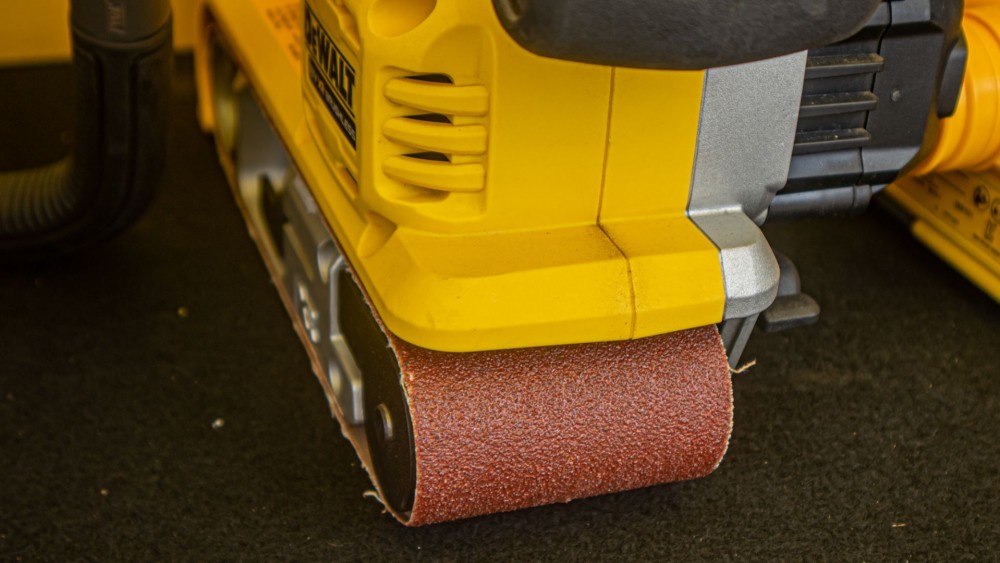
Sanding belts run continuously at high speeds, making them more prone to heat and dust buildup on the abrasive surface compared to sanding discs or standard sheet sandpaper used by hand.
How does clogged sandpaper differ from dull sandpaper?
The word "clogged" means the surface of the sandpaper is choked with dust, material residue, paint buildup, wood pitch, plastic, or various contaminants until the abrasive grains can no longer make full contact with the workpiece. And one of the 5 common sandpaper misconceptions you should stop believing That is, when it stops sanding effectively, many people immediately throw it away, even though it can still be used.
The phrase "worn out" means that the abrasive grains are genuinely worn down, fractured, dull, or have lost their ability to cut into the workpiece material. Both issues result in poor sanding performance, but the distinguishing signs are different: If the sanding belt is clogged, you will often see streaks of buildup on the abrasive surface, color changes on only certain sections of the belt, or feel a slippery, sticky, tightly packed dust residue when touching it.
On the other hand, if the sanding belt is genuinely worn out, the abrasive surface will usually look uniformly worn, the grains flattened, and the entire belt surface appears shinier; even after tapping off the dust or cleaning it, it still will not cut like it used to.
Telling the two apart is crucial because if the belt is only clogged, it can often be cleaned and reused. However, if it is genuinely dull, forcing further use can waste time, overheat the tool, burn the workpiece surface, or result in poor finish quality.
Signs of a "Clogged" Sanding Belt
Signs of a clogged sanding belt can usually be observed on the abrasive surface, showing buildup in spots or streaks. Sometimes it appears as tightly packed light-colored wood residue; other times, as old melted paint forming black, brown, or gray patches. When sanding resinous woods such as pine or types of wood with high moisture content, you may notice sticky residue stuck to the abrasive surface. During sanding, less dust is produced, but the tool is forced to work much harder.
Another sign is that the same belt may sand well again after tapping off the dust, cleaning the belt, or letting it cool down before reusing. If this is the case, there is a high chance that the issue is clogging rather than dullness, because the abrasive grains are still functional—they are simply covered by material buildup temporarily.
Signs of a Sanding Belt That Is "Genuinely Worn Out"
A sanding belt that is genuinely worn out feels different. Even without obvious clogging, it exhibits:
- Lack of cutting power compared to before
- Requiring more downward pressure
- Less dust produced
- The workpiece surface heats up faster than usual
- The abrasive surface looks worn smooth, with grains losing their sharpness and no longer rough like when new
- Abrasive grains peeling or detaching from the cloth or paper backing in some spots
If cleaning does not improve performance, it means the abrasive surface is not just clogged, but the abrasive grains are genuinely worn down to the point where they can no longer cut into the material effectively.
Why Do Sanding Belts Clog Even When Not Yet Dull?
The reason sanding belts clog even when the grit is not yet dull usually lies in the interaction between the sanded material, heat, dust, and applied pressure. Under normal sanding conditions, the abrasive grains cut the material into fine dust. However, if the material being sanded is sticky, soft, damp, or coated, the friction heat prevents debris from breaking into dry powder; instead, it clumps together into small lumps that pack into the valleys between the abrasive grains. As clogging worsens, the surface loses its cutting action and generates even more heat buildup, creating a vicious cycle that accelerates clogging.
When sanding old paint, certain paints soften or become tacky under the heat generated by the belt sander. Paint residue quickly adheres to the abrasive surface, making the belt look ruined even though the grains are still sharp. The same applies to sanding resinous wood: the wood resin melts or gets sticky when heated, sticking to the abrasive surface as residue. Without giving the tool a rest, using dust extraction, or by applying excessive pressure, the sanding belt can clog much faster than usual.
Damp or Resinous Materials Cause Rapid Clogging
Wood that is not completely dry or wood with high natural resin content is one of the main causes of belt sandpaper clogging quickly. Because wood dust that should be dry powder instead has moisture or stickiness, it clumps together and easily sticks to the abrasive surface. Pine, certain batches of rubberwood, pallet wood, reclaimed wood, or wood with certain prior coatings can cause sandpaper to clog several times faster than sanding typical dry wood.
If you sand and see light-colored wood residue packed tightly on the abrasive surface, or feel like the abrasive surface is coated with a sticky powder, do not rush to conclude that the sandpaper is worn out. There is a high chance that it is clogged with damp wood dust or wood sap.
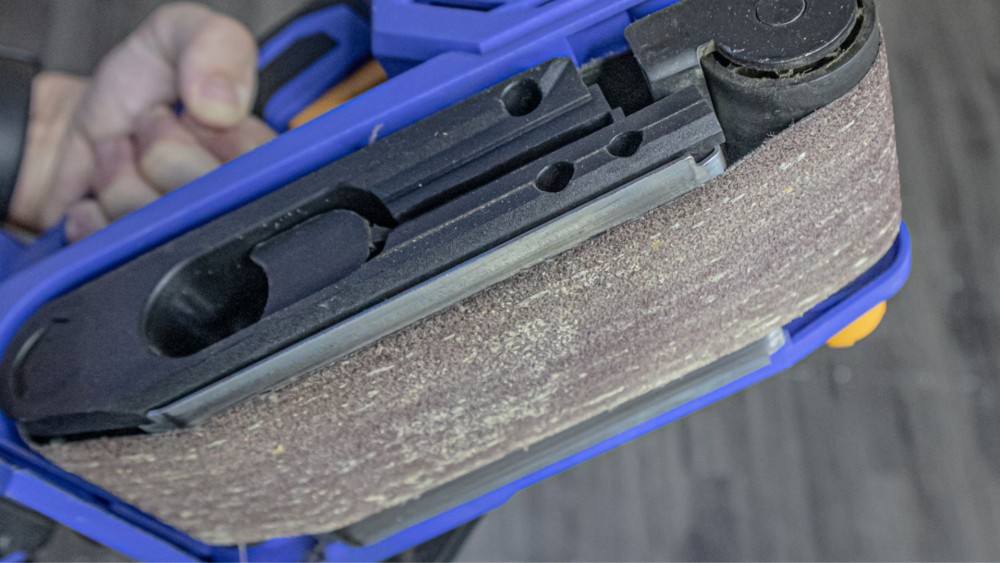
Sanding old paint, lacquer, or coating materials causes the abrasive surface to clog
Sanding old paint is a job that can very easily clog belt sandpaper. When sanded at high speeds, paint, lacquer, polyurethane, or certain coatings generate heat and soften. The loosened paint chips can turn into sticky residue that adheres to the abrasive grains. As more accumulates, the grains become covered and can no longer work.
In this case, many people often solve it by changing sandpaper frequently, but a better approach is to select the right grit for the job, apply moderate pressure, avoid dwelling in one spot for too long, and clean it periodically. For thick old paint, you may need to strip, scrape, or use other tools first, and then use a belt sander for finishing afterward to reduce clogging and extend the sandpaper's lifespan.
Applying too much pressure causes heat and rapid clogging
Many people assume that to sand faster, they should press down harder on the tool. But with belt sandpaper, pressing too hard can produce the opposite result. Excessive pressure causes heat build-up and places a heavy load on the abrasive surface. Especially with wood or old paint that is heat-sensitive, the harder you press, the hotter it gets, the faster it clogs, and it also risks burning the workpiece surface or leaving deep gouges.
How to tell clogged sandpaper from worn-out sandpaper before deciding to throw it away
The easiest way to tell is to inspect the abrasive surface, touch it, and try cleaning it first. If the surface has residue buildup, packed debris between the grains, or if residue flakes off when scraped with a fingernail, this indicates clogging rather than being worn out. However, if the surface appears worn smooth across the entire sheet, with flattened, dull grains, or significant grain shedding, and no obvious clogged buildup, it may indeed be worn out.
Another method is to try cleaning it with an abrasive cleaning stick or carefully tapping out the dust, then try sanding a small scrap piece again. If it starts cutting well again, it means you shouldn't throw it away yet, as the main issue was simply clogging.
- Visual inspection Check whether the sandpaper surface has buildup in spots, lines, or strips. If you see wood dust, old paint, or sticky residue tightly packed in the abrasive grain crevices, that is clogging, which can still be resolved.
- Test-sanding check Try sanding a scrap piece of dry wood or a clean, non-sticky material. If it still produces good dust and cuts into the material reasonably well, it means the grains are still sharp.
- Post-cleaning check If you use an abrasive cleaning stick and the residue comes off, making the abrasive surface feel rough again, it means it can still be used.
Don't rush to throw away belt sandpaper if it's only clogged
A clogged sanding belt doesn't mean it's unusable. Many times, simply cleaning it, letting it cool down, or adjusting your sanding technique allows you to keep using it for quite a while. Rushing to throw it away the moment it stops cutting effectively can drive up your project costs, especially for frequent users. Belt sandpaper is a consumable that seems inexpensive per unit, but when used in large quantities, the cumulative cost becomes significantly high.
However, if the sandpaper shows tears, fraying edges, separating seams, deformed belt shape, or abnormal grain loss, you should stop using it immediately for safety.
A structurally damaged sanding belt can snap during operation. Saving money should always be based on safety and work quality, not forcing its use to the point of risking an accident or damaging the workpiece.

Summary: A Clogged Sanding Belt Doesn't Always Mean It's Dull
A sanding belt that stops cutting effectively is, in many cases, simply clogged with wood dust, resin, old paint, lacquer, moisture, or sticky residue trapped between the abrasive grains, preventing the abrasive grains from making full contact with the workpiece surface. This issue is different from actual dulling, where the abrasive grains are worn down, blunted, or stripped off so they can no longer cut into the material. Being able to tell the difference before throwing it away saves costs, extends service life, and improves sanding quality.
A simple way to check is to look for buildup on the abrasive surface, try cleaning it, and test sanding again. If it starts cutting well again, it means it can still be used. However, if cleaning doesn't help, it's time to replace it with a new belt. Getting the most value out of a sanding belt isn't just about choosing the right grit; it's also about understanding the difference between clogging and dulling, and knowing when it's best to clean it versus when to replace it.
Finally, if you want your sanding belt to last longer, choose the right grit for the job, avoid applying excessive pressure, ensure proper dust extraction, let the machine rest when sanding heat-sensitive materials, and clean the abrasive surface periodically.
Just doing this will help reduce Sandpaper premature clogging, prevent throwing belts away too early, and noticeably make your sanding finishes smoother, better looking, and more efficient.