


 EN
 ไทย


Customers Also Purchased


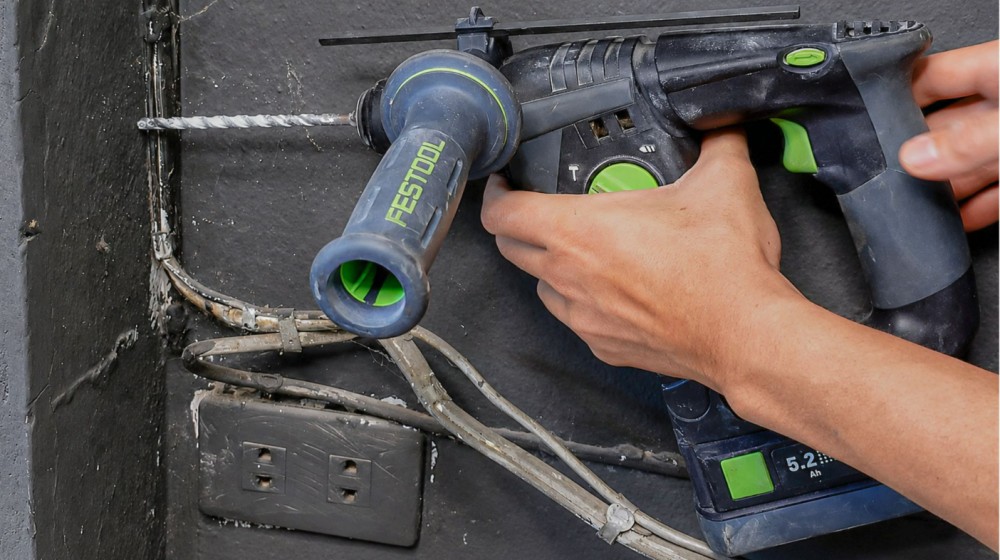
When talking about using Rotary hammer One of the first things we might hear is "If you want to drill into concrete or walls faster," you must "push hard." So the drill bit can bite into the material faster, get the job done quickly, and result in a better hole.
But sometimes the truth is the exact opposite. Pushing too hard may cause the tool to vibrate excessively, overheat the drill bit quickly, slow down penetration, and pack dust tightly inside the hole. Sometimes, pressing too hard makes you feel the motor straining, changes the pitch of the motor, and seems to hinder the impact mechanism from delivering its full power. Even with a powerful rotary hammer and a relatively new bit, why isn't it drilling as fast as expected?
The real answer is Using a rotary hammer for the fastest drilling comes down to applying "just the right" pressure Because a rotary hammer uses an internal hammering mechanism to pound, chisel, and deliver impact energy directly to the drill bit, pressing too lightly might not keep the bit firmly against the surface, preventing the impact force from transferring fully. Conversely, pressing too hard can disrupt the tool's rhythm, hindering the hammering mechanism, making it harder for the drill bit to rotate and clear dust, and ultimately slowing down drilling despite all the effort.
Does pressing harder really make a rotary hammer drill faster?
Everything you should understand about rotary hammer drills before using them—in 5 minutes Many people assume that a rotary hammer works by manually forcing the drill bit directly into the concrete using hand pressure alone, but in reality, the true driving force is the hammer mechanism.
Deep dive into rotary hammer mechanisms: How does the piston hammer system work? The tool generates rhythmic impact energy through the chuck to the drill bit, allowing the bit's tip to shatter the material. The flutes of the drill bit then evacuate concrete dust, debris, or pulverized material from the hole. Meanwhile, the primary role of the user's applied pressure is simply to keep the tip seated against the work surface and maintain drilling alignment, rather than being the main force that drives the hole deeper.
- If you press too hard, a rotary hammer might not work as fast as you think.
- Excessive pressure puts unnecessary strain on the motor, chuck, drill bit, and hammering mechanism.
- The tool may lose RPM, the bit might not rotate smoothly, and more dust can get trapped inside the hole. When dust gets trapped,
- the drill bit no longer makes direct contact with fresh concrete; instead, it grinds against packed dust inside the hole. This generates excessive heat, slows down drilling speed, and causes premature bit wear.
The idea that "pressing harder makes it faster" doesn't always apply to rotary hammers. What you should focus on is "pressing just enough to let the tool hammer at its full stroke" rather than "pushing with all your might."
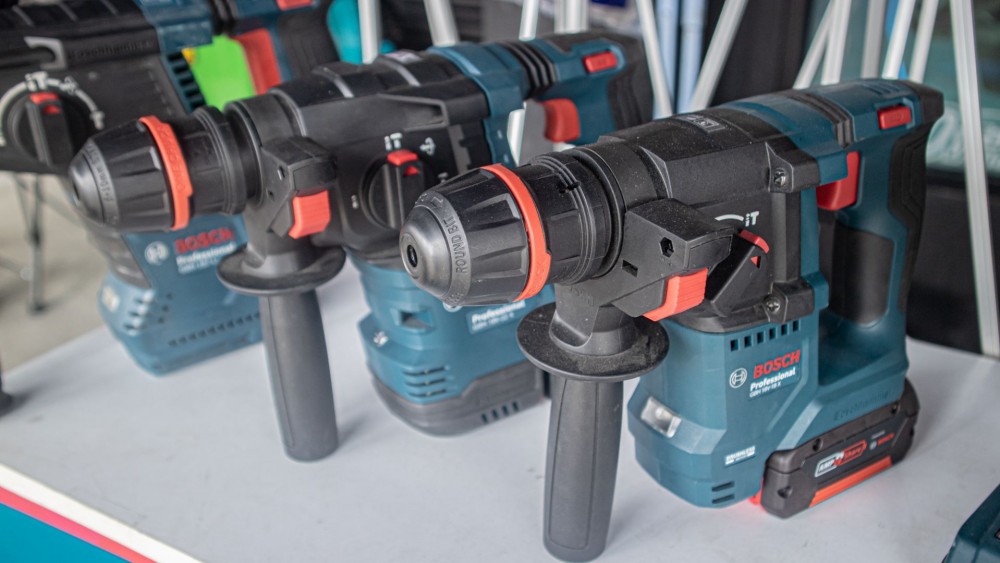
What is the optimal amount of pressure?
The optimal pressure when using a rotary hammer is the amount that keeps the drill bit firmly seated on the target point without the tool kicking back or bouncing off the wall, while steadily maintaining RPM and impact rhythm. Press just enough to feel that the tool is "doing the work itself." If the machine runs smoothly, the impact sound is consistent, dust flows steadily from the hole, and the hole deepens effortlessly without much muscle, that's a clear sign your applied pressure is just right.
How to tell if you are pressing the rotary hammer too hard
Pressing too hard often stems from rushing or feeling like the tool isn't penetrating fast enough, prompting you to push harder. In reality, this is one of the main reasons a rotary hammer slows down.
Signs indicating excessive pressure include changes in sound, dropping RPM, rapid tool overheating, abnormally hot drill bits, poor dust evacuation, or a feeling that the bit is binding in the hole. If you notice any of these symptoms, ease off the pressure and let the tool return to its natural operating rhythm.
Tool sound reveals more than you might think
If the hammering sound is steady, the tool runs smoothly, and dust comes out continuously, the tool is likely operating in its sweet spot.
- If the motor sounds overloaded or the hammering cadence changes, it could indicate that you are pressing too hard, dust is failing to clear, or the bit has hit harder material such as aggregate, gravel, or rebar embedded in the concrete.
- Listening to the sound is a simple yet valuable skill that greatly improves rotary hammer operation. Sometimes the tool doesn't need extra force; it just needs you to adjust your rhythm, ease off the pressure, or pull the bit back slightly to clear dust before continuing.
Remember that pressing too lightly can also slow down drilling, especially before the bit bites into the concrete or when starting a hole on hard, slick, or tough plaster surfaces. With insufficient pressure, the bit may wander across the work surface, the tool can bounce around, the starting hole may drift off-center, and the impact energy won't transfer effectively into the material. As a result, it takes longer for the bit to establish a groove, increasing the risk of chipping or widening the hole opening beyond the intended size.
So, how much pressure should you apply to drill the fastest?
The practical answer is: Apply moderate pressure so the drill bit stays flush against the workpiece surface and the hammer mechanism strikes with full impact strokes, without causing the RPM to drop, without bogging down the tool, and without tensing up your entire body.
Proper pressure should allow you to maintain comfortable control over the tool—your wrists shouldn't twist, your shoulders shouldn't lean in heavily, and you should be able to keep the drilling line straight at all times. If you have to push so hard that you tire quickly, you might be pressing too hard, using the wrong drill bit, selecting the wrong mode, or drilling into material that exceeds that rotary hammer model's capacity.
For general masonry wall drilling, you don't need much pressure—just enough so the bit doesn't bounce and the tool runs smoothly. For hard concrete or large holes, you may need to increase the pressure slightly, but still never to the point where the tool loses RPM.
The fastest drilling point is where the tool achieves a "balance" between: Pressure, RPM, impact energy, and dust clearance If any of these four factors is off-balance, issues will arise—such as pressing hard without dust clearing, resulting in slow drilling; or high RPM with unstable pressure, causing the bit to bounce and engage poorly with the material.
Pressure alone isn't enough; you must check the drill bit too
Often people blame the rotary hammer for lacking power or think their pushing technique is wrong, but the real issue may lie in the drill bit. A dull, chipped bit, damaged carbide tip, or heavily worn flutes will significantly slow down drilling. Pushing harder won't help and will only make the tool work harder than necessary.
If you want your rotary hammer to drill fast, always use a bit suitable for the material and match the bit size to the anchor or hardware being installed.
Techniques for drilling faster without pressing hard
The key technique to drilling faster with a rotary hammer is letting the tool do its job while properly managing surrounding factors. Start by selecting the right mode:
- Use hammer drilling mode for masonry or concrete.
- Do not use hammer mode for wood or metal, as it can ruin the workpiece and damage the bit.
- Choose the right bit for the job, hold the tool firmly, and keep it aligned straight.
- Apply steady, consistent pressure rather than pulsing in bursts. Fluctuating pressure disrupts the drilling rhythm and can easily cause the hole to go crooked.
Another helpful technique is pulling the bit out periodically to clear dust, especially when drilling deep holes or materials that generate heavy dust. This helps reduce heat buildup and ensures the bit tip remains in full contact with the material.
Drilling angle also matters: straight holes make for faster drilling
Even with the right amount of pressure, if the bit is tilted too much, the rotary hammer will still drill slower. This is because the bit rubs against the side walls of the hole, making it harder to clear dust, potentially widening the hole, or causing the bit to bind more easily. When working, aim to keep the bit as perpendicular to the surface as required for the job and maintain that alignment throughout drilling.
Do tool size and pressure affect drilling speed?
Yes, because each rotary hammer model is designed for a different range of applications. Choosing a rotary hammer by size: small, large, heavy, light—what are the differences? If you use a small tool for very heavy-duty work, pushing hard won't necessarily make it faster because the limitation lies in the tool's power and impact energy, not your hand strength.
On the other hand, if you use a large tool for very light work, while it might drill fast, it requires careful control. The tool has high power and significant weight, which could damage the workpiece surface if improper pressure is applied.
Mistakes that slow down drilling even when pushing hard
One common mistake is using the wrong type of drill bit, such as:
- Using standard bits for hard masonry
- Using old bits with worn-out tips
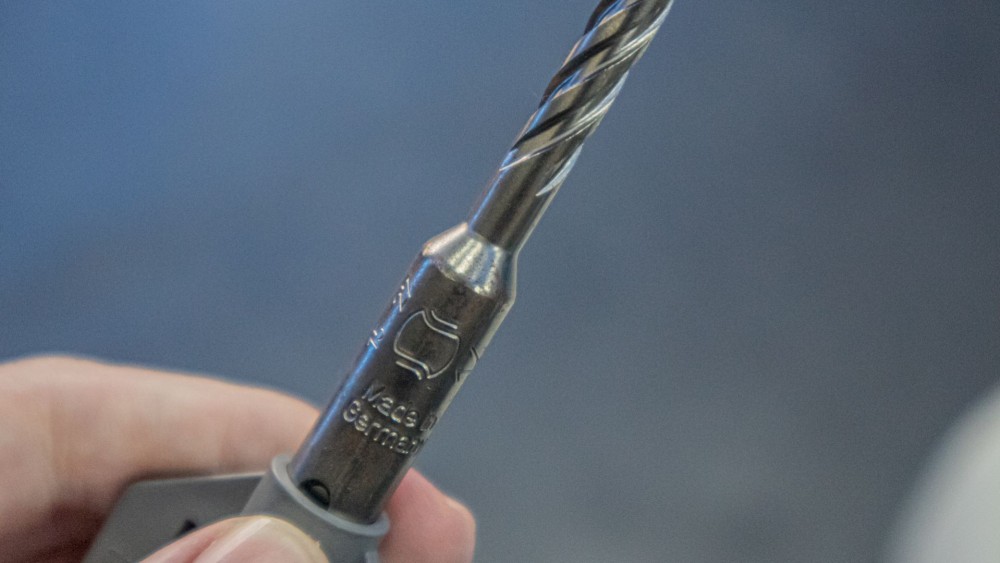
- Using bits that do not match the tool's chuck system, preventing the rotary hammer's power from fully transferring to the tip of the bit
Another mistake is not clearing dust during drilling, especially for holes deeper than the flutes' length. When dust clogs, the hole overheats and the bit binds more. Additionally, setting the wrong mode—such as using rotary-only mode on hard concrete or chiseling mode instead of hammer drilling mode—prevents the tool from working properly for the task.
Additionally, some may try to rush the job by wobbling the rotary hammer while drilling to enlarge the hole faster. Doing this can widen the hole unevenly, bind the bit, place misaligned stress on the chuck, and cause the tool to wear out faster than normal.
Safety is always more important than speed
Speed should never come at the expense of safety. Before using a rotary hammer, inspect the drilling area thoroughly, especially walls that may conceal wiring, water pipes, or rebar. If unsure, use a wall scanner or avoid risky positions.
In addition, always wear safety glasses, a dust mask, and suitable gloves, as concrete drilling constantly produces dust, debris, and kickback from the tool—especially when the bit hits rebar, hard aggregate, or inconsistent materials.
Rotary hammers have higher torque and impact force than standard drills. If the bit suddenly jams, the tool may kick back violently. Holding it with two hands and using the auxiliary handle will help you control the tool better, reduce wrist twisting, and keep the drilling alignment straight.
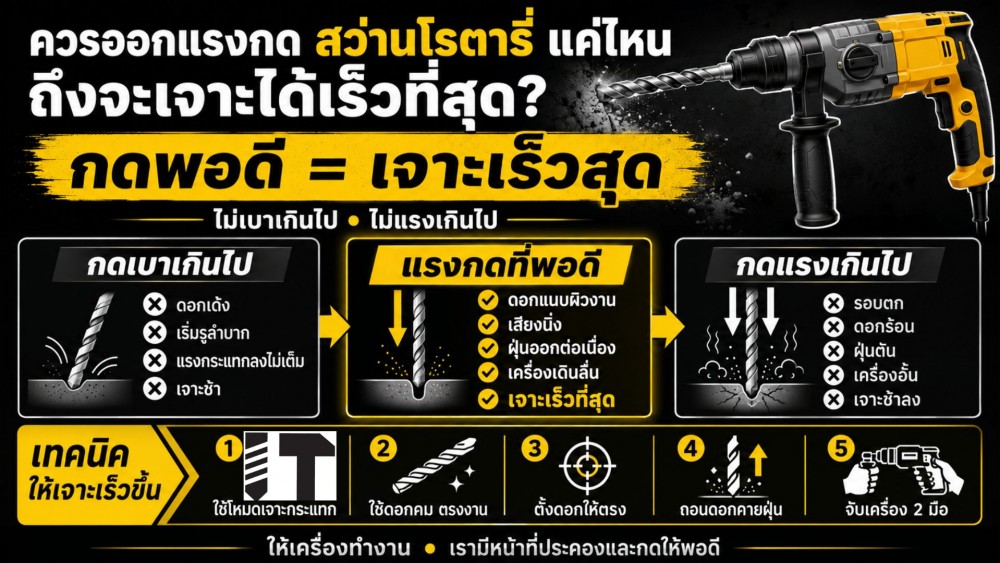
Conclusion: How should you apply pressure with a rotary hammer to drill the fastest?
To put it simply, using a rotary hammer to drill fast isn't about pushing as hard as possible, but rather applying pressure that matches the tool's operating rhythm. Proper pressure should ensure that The bit stays seated against the workpiece surface, the tool doesn't bounce, RPM doesn't drop, the hammering sound remains consistent, and dust clears continuously from the hole.
If you push too lightly, the bit may slip and the impact energy won't transfer fully. But if you push too hard, the tool will bog down, the bit will overheat, dust will clog, and it may end up drilling even slower.
The correct mindset is to let the rotary hammer do the drilling through its own mechanical action. Your role is to guide the alignment, apply steady pressure, select the right bit, use the appropriate mode, and periodically pull back the bit to clear dust—especially on deep holes or hard concrete.
When everything is in balance, Rotary hammer it will drill faster, require less effort, cause slower bit wear, and ensure safer operation in the long run.