


 EN
 ไทย


Customers Also Purchased


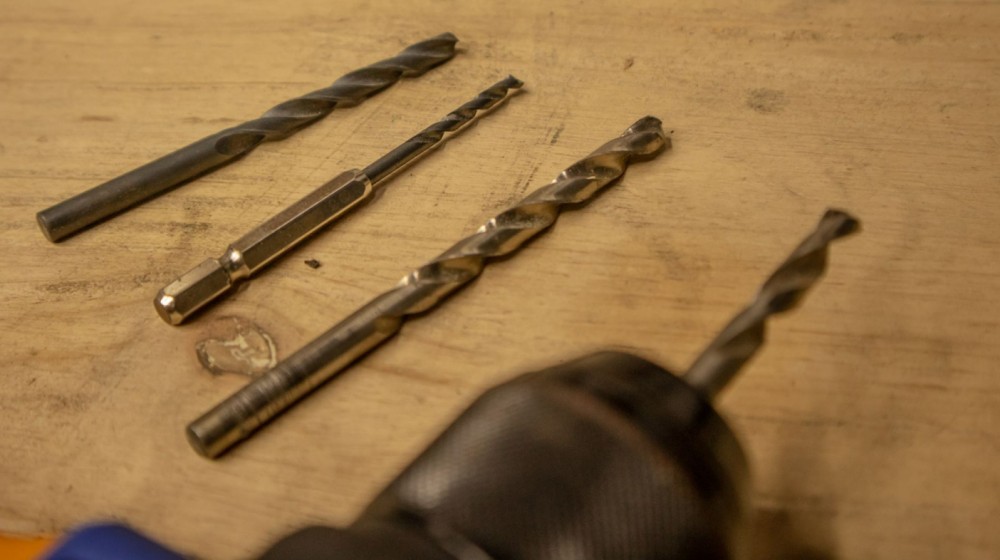
Have you noticed? Drill Bit Lately, "hex shanks" or hexagonal shanks have become much more common—both on individual drill bits and in drill bit sets. Many wonder: why switch from round shanks to hex shanks? Is it really better, or just a design meant for impact drivers?
What were hex shanks really made for? Could it be that tool usage has changed today? When a single job requires switching between drilling and driving multiple times, the question isn't just how well the bit drills, but whether it makes switching faster, smoother, and uninterrupted, right?
In this article, we'll answer your questions: what hex shank drill bits are, why manufacturers and users are paying attention to them, what jobs and tools they suit, whether they're worth it, and what precautions to take before buying or using them—so you can choose the right bit for the job, avoid mistakes, and set realistic expectations.
What is a hex shank drill bit?
A hex shank drill bit features a hexagonal-shaped end instead of the traditional smooth round shank. "Hex" comes from "hexagon," designed to fit into quick-change chucks or the chucks of impact drivers and electric screwdrivers, without strictly requiring a standard three-jaw drill chuck.
At first glance, a hex shank might just look like a different end shape, but in actual use, it makes a big difference. Round shank drill bits rely purely on clamping pressure from the chuck; if not tightened enough, the bit can slip or spin freely inside the chuck. A hex shank, on the other hand, features flat sides that help the locking system grip more securely—especially with chucks designed specifically for hexagonal shanks.
However, a hex shank drill bit doesn't necessarily mean it is sharper, stronger, or drills better than a round shank bit. Drilling performance still depends on the bit's material, tip geometry, cutting angle, and the specific application. The hex shank primarily stands out for convenience and secure clamping.
Hex shank refers to the shank design, not the type of drill bit
Many people might think that a hex shank drill bit is an entirely separate category of drill bit, but it is actually just a "shank style." A single bit could be a hex shank wood drill bit, a hex shank metal drill bit, a hex shank masonry drill bit, or even a hex shank step drill bit.
The reason hex shanks are so widespread is their compatibility across many drill bit types—especially those focused on fast-paced jobs, installation work, on-site tasks, or tool sets requiring convenient swapping between drilling and driving bits.
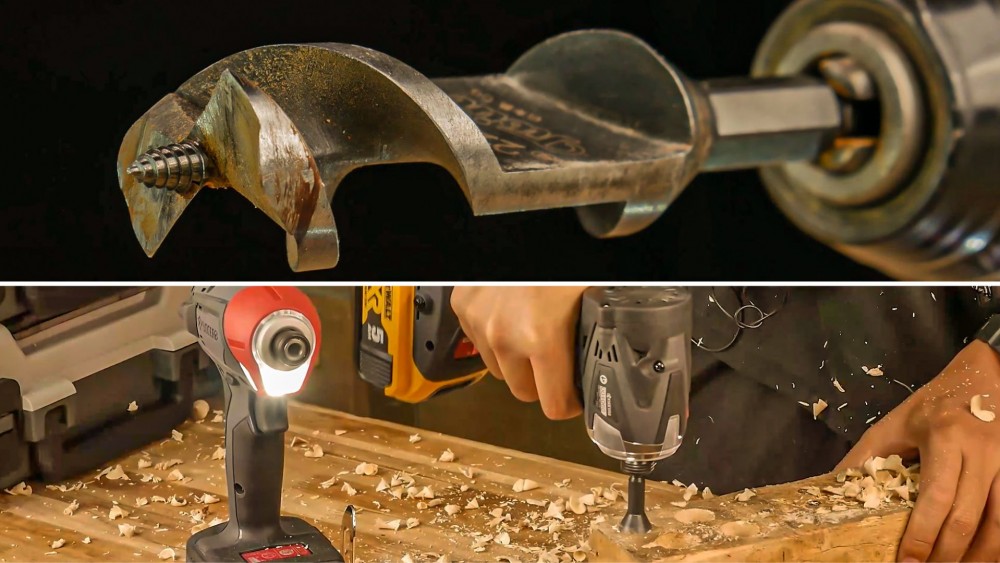
Faster bit changes for tasks requiring alternating drilling and driving
The most significant reason newer drill bits increasingly adopt hex shanks is: When paired with a hex chuck, bit changes become rapid Imagine installing shelves or assembling furniture: you might need to drill a pilot hole, switch to a screwdriver bit to drive the screw, and then switch back to drill another hole. With round shank bits in a standard drill chuck, you must loosen the chuck, insert the new bit, align it straight, and tighten it securely every single time. It's not difficult, but doing it dozens of times wastes a lot of time.
With hex shank drill bits and a quick-change chuck, you simply pull the chuck collar, insert the new bit, and release to lock it instantly. Work flows much smoother. It works great for curtain installation, shelf hanging, cabinet assembly, conduit routing, minor maintenance, and any task requiring frequent bit swaps.
Speed in this context means eliminating unnecessary steps, such as: Reducing time spent loosening chucks, searching for bits, minimizing the risk of loose bit clamping, and cutting down on frustration during work. For on-site tradespeople, saving a few seconds per change adds up to substantial time savings over a full day. For DIYers, it makes getting started easier without feeling that the tools are overly complicated.
Convenient compatibility with impact drivers and cordless tools
Another reason hex shank drill bits have surged in popularity is how well they suit the era of cordless tools. Today, impact drivers, electric screwdrivers, and cordless drills are more affordable than ever. Many households already own them for general use, and many tools in this category feature chucks designed specifically for hex shank bits.
Can standard hex-shank step drill bits be used with impact drivers? If you already own an impact driver or electric screwdriver, hex shank drill bits make that single tool much more versatile. For instance, you can drill a small pilot hole and immediately switch to a driver bit to fasten screws without needing a second drill. This makes them ideal for wood, plastic, sheet materials, furniture assembly, and general installation work.
Do you know how an impact driver works differently from a regular drill? Using drill bits with an impact driver isn't suitable for every job, particularly drilling thick metal, tasks requiring ultra-straight holes, or applications demanding precise RPM control. Impact drivers deliver force differently than standard drills. For heavy-duty or high-precision work, you should use a drill and drill bits specifically suited to the task.
Modern tools focus on a unified, multi-compatible system
Modern tool sets are frequently designed so that drill bits, driver bits, countersinks, pilot bits, and various adapters can be used interchangeably. The hex shank acts like a universal standard for small accessories, making swapping effortless, reducing guesswork, and cutting down on the number of tools you need to carry on-site.
For those with fewer tools, hex shank screwdriver and drill bits allow a single tool to serve multiple roles. For professional tradespeople, they save time switching tools, reduce trips back and forth to grab equipment, and enhance agility in tight spaces or when working at heights.
Reduces the problem of drill bits slipping in the chuck
A common issue with round shank drill bits is that even when they seem securely tightened, during actual drilling, the bit may spin freely in the chuck or make a slipping noise, forcing you to stop work and retighten it.
This problem can happen due to a worn chuck, insufficient tightening, oil residue on the bit, or high-resistance drilling tasks such as steel, hardwoods, or large hole sizes.
A hex shank helps reduce slipping because its hexagonal shape provides flat edges for the locking mechanism to grip much better than a smooth round shank. Torque from the tool is transferred to the drill bit more reliably without losing power to shank slippage, especially when used with a chuck designed directly for hex shanks.
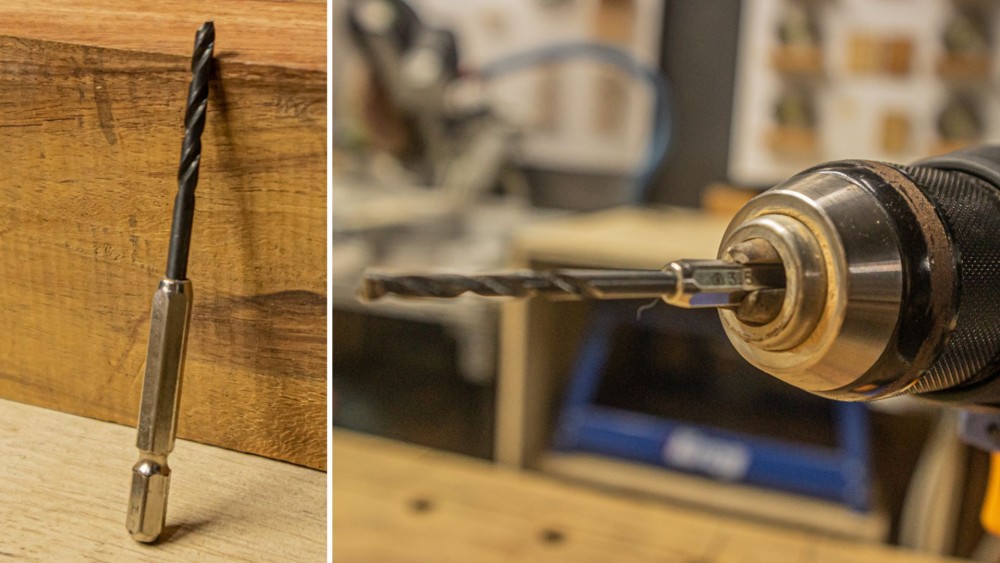
How different are wood drill bits and metal drill bits? Can they be used interchangeably? A hex shank does not make a drill bit indestructible If used incorrectly—such as using a wood drill bit on steel, running at excessive speeds, applying too much downward pressure, or using a small bit on heavy-duty tasks— the bit can still break, overheat and burn, or deform just the same. However, in terms of gripping, a hex shank provides greater stability and easier operation in many situations.
Better torque transfer, but choosing the right tool for the job is still essential
A hex shank gives many users the feeling that the tool has a "firmer grip" on the drill bit, especially when used with high-torque cordless tools. However, for tasks requiring high precision—such as metal drilling where perfectly straight holes are needed, drill press work, or continuous large-hole drilling—a quality round shank bit tightly clamped in a drill chuck may still be more suitable.
Therefore, the question isn't whether a hex shank is superior in every way, but rather whether your job prioritizes speed, versatility, or precision.
Ideal for installation and DIY work requiring agility and flexibility
The group that benefits most clearly from hex shank drill bits is installation workers and DIY enthusiasts. These tasks often do not involve continuous heavy-duty drilling, but rather a sequence of multiple steps, such as: Measuring, marking, drilling pilot holes, driving screws, readjusting positions, and drilling again. Fast bit changes and needing fewer tools make the workflow much smoother.
Consider assembling a table: you might need to drill pilot holes in several spots and then switch to driving screws in various positions. Using a hex shank system for both drill bits and driver bits allows for faster switching. This reduces the urge to rush and drive screws without pre-drilling, which can cause wood to split, screws to drive in crooked, or screw heads to strip.
For beginners, hex shank drill bits also make getting started easier, eliminating the hassle of complicated bit changes, reducing worries about whether the bit is tight enough, and making tools much more user-friendly.
Examples of applications suitable for hex shank drill bits
- Drilling pilot holes before driving screws into wood or sheet materials
- Furniture assembly and home DIY projects
- Installing curtains, shelves, wire trunking, or small fixtures
- Need to switch frequently between drill bits and screwdriver bits
- General maintenance tasks that do not involve continuous heavy drilling
These tasks do not require maximum drilling power, but rather continuity, speed, and ease of use. This makes hex shank drill bits ideal from the perspective of an overall "workflow system" rather than just the bit itself.
Pre-purchase Checklist for Hex Shank Drill Bits
Before making a purchase, consider the following points:
- What material is it used to drill? For example, wood, steel, concrete, plastic, or thin sheet metal.
- What tool will it be used with? For example, cordless drills, impact drivers, electric screwdrivers, or corded drills.
- How often do you need to switch between drilling and driving?
- Does the job require high precision or is it a general-purpose task?
- Is the bit impact-rated if used with an impact driver?
- Does the shank size match the chuck/collet of the tool?
Simply remember: hex shank drill bits excel at quick changes, ease of use, and compatibility with modern tools. However, that does not mean they can replace every type of bit; always consider the actual material, tool, and nature of the job.
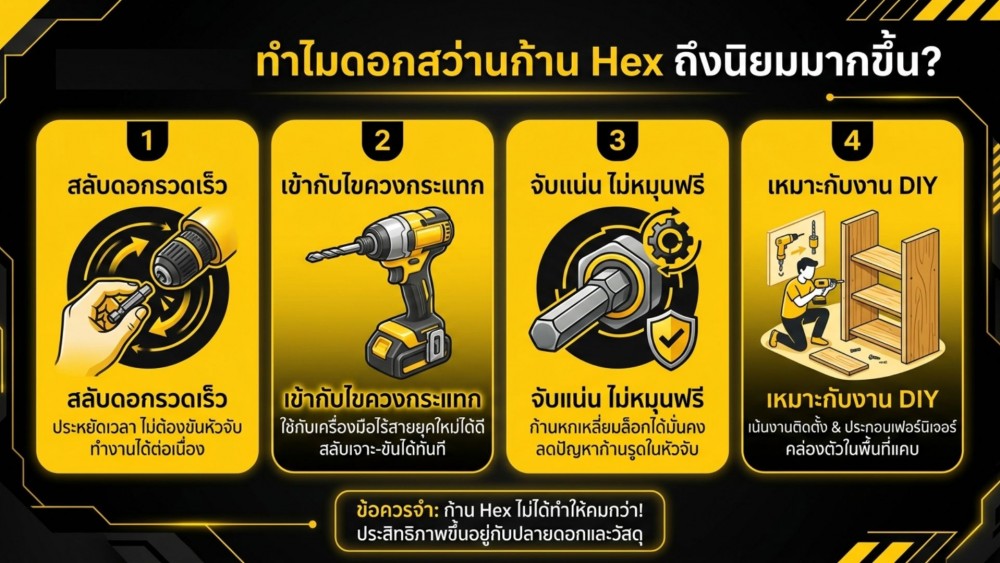
Summary: Why Are Modern Drill Bits Increasingly Using Hex Shanks?
The reason newer drill bits increasingly adopt hex shanks is because tool usage habits have changed.
Nowadays, many people may not view drill bits simply as hole-drilling accessories, but as part of a workflow system that needs to be fast, agile, and easy to use across multiple tools—especially cordless tools, impact drivers, and quick-change chuck/bit sets.
However, they are not the solution for every job. For heavy, deep, high-precision drilling, or for use with a drill press, high-quality round shank bits are still essential.
Ultimately, Drill Bit The best bit is one that suits the job, suits the tool, and helps you work easier, safer, and achieve better results.