


 EN
 ไทย


Customers Also Purchased
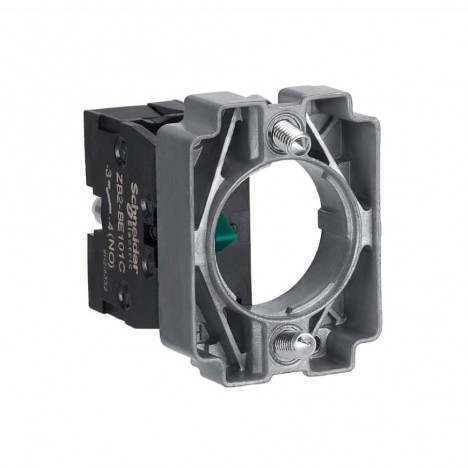
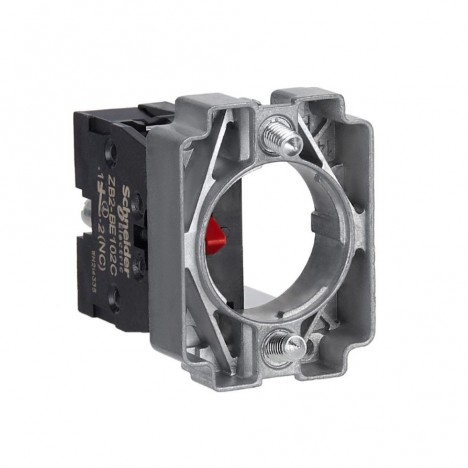
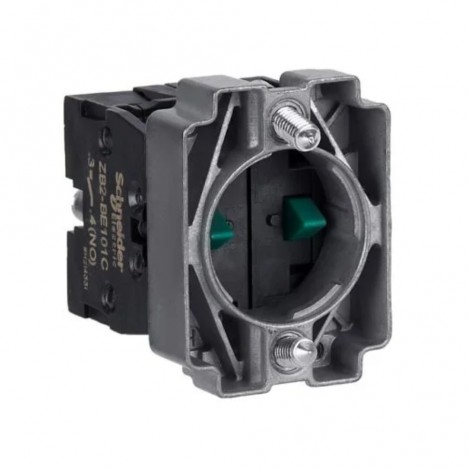
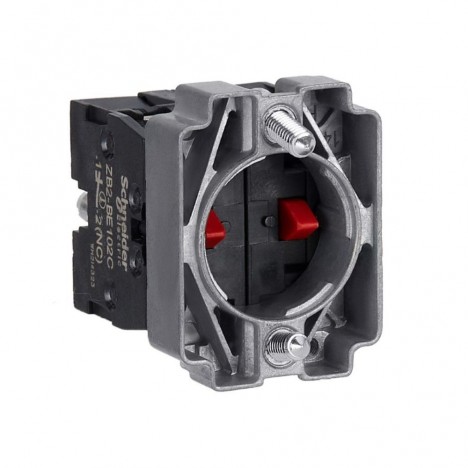
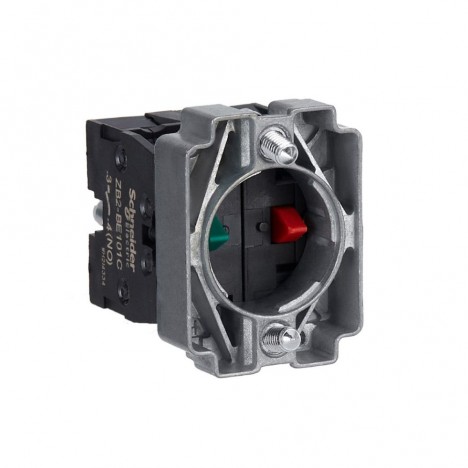
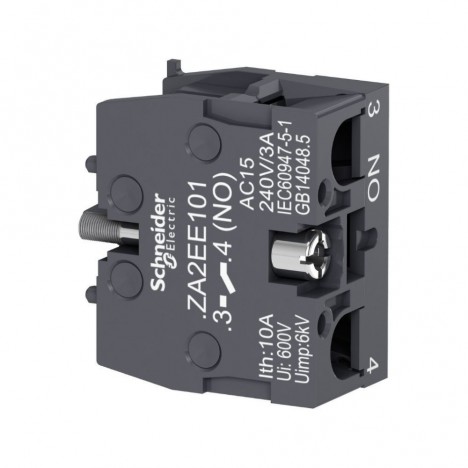
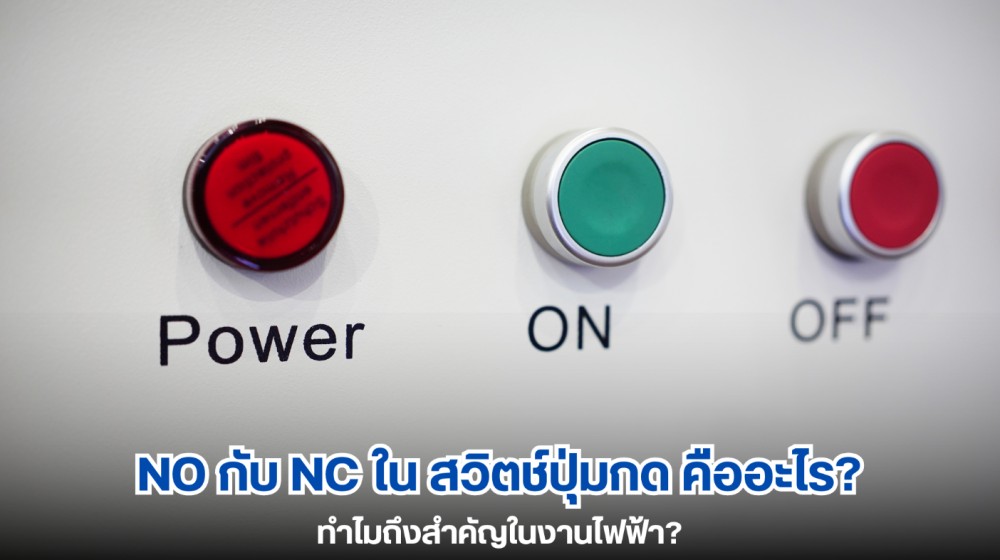
If you have ever opened an industrial control panel or looked at the push button station on a machine, you might have noticed small letters and numbers behind them. push button switches always such as 1NO, 1NC, 2NO, or combinations like 1NO1NC. These markings aren't just technical details printed for looks; they provide crucial information about the contact behavior inside the push button, determining whether that button is used to start, stop, or ensure safety in an industrial system.
Therefore, before choosing or installing a push button switch, this article is something you need to understand thoroughly. Choosing the wrong NO or NC at just one point can cause machinery to malfunction or even "fail to stop in time," which can be hazardous to both the operator and the control system itself. In this article, our technician will guide you through understanding NO and NC simply yet comprehensively, while explaining why this small symbol is the heart of push button switches in electrical work.
What are NO and NC in push button switches? Start by understanding the basics.
A push button switch is simply a medium for "commanding a circuit to open or close," but its behavior depends on the contacts, which are divided into 2 main types:
NO (Normally Open) — Normally Open Contact
The simplest meaning to understand is:
"Not pressed = circuit open; Pressed down = completes the circuit for current to flow"
This contact is used for buttons that need to "command a start" when the user presses the button, and immediately stop sending the signal when the button is released, such as:
- Motor Start buttons
- Reset buttons
- General momentary push buttons
- Buttons intended to trigger an action only while being pressed
The significance of NO is that it operates as "open first, close later." Therefore, the machine will only start operating when intentionally pressed.
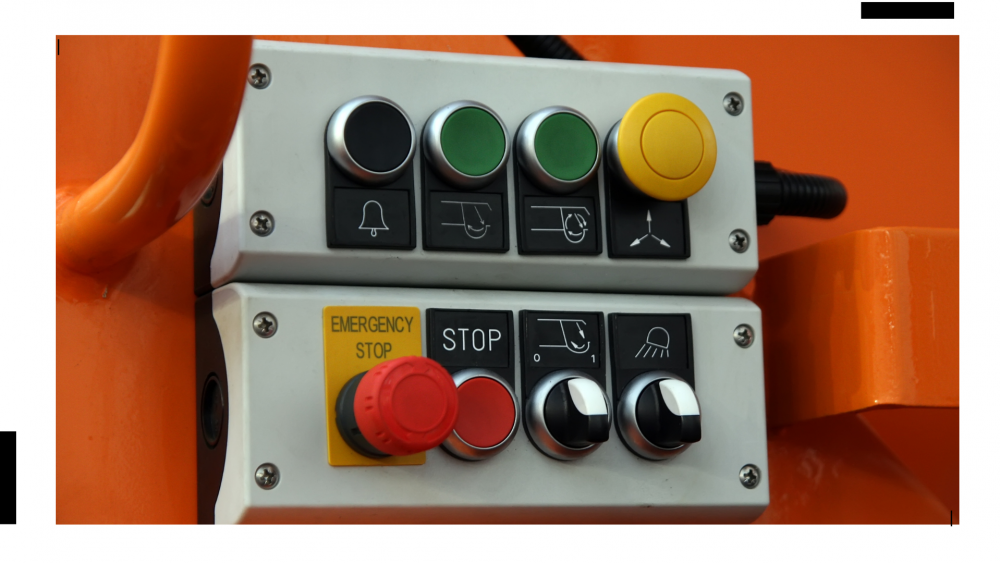
NC (Normally Closed) — Normally Closed Contact
The opposite meaning of NO is:
"Not pressed = circuit connected; Pressed down = breaks the circuit to stop current"
NC is primarily used for applications that need to "stop when pressed" or "prevent machines from operating automatically," such as:
- Stop buttons
- Emergency Stop (E-Stop) buttons
- Safety Interlock circuits
- Overload protection circuits
NC is crucial for safety because if a wire disconnects, a contact fails, or the button gets damaged, the circuit will automatically be broken, which is considered the correct Fail-Safe behavior.
Why Are NO and NC So Critical in Machinery Control?
NO/NC contacts are not just a feature of pushbutton switches, but the "heart of control circuit design"—especially in industrial systems requiring high stability and safety.
Let's see why NO and NC are so important:
1) Defines the start–stop behavior of the entire machine
Wrong choice = entire system fails
A simple example:
- If the Start button mistakenly uses NC → the machine starts by itself if a wire comes loose
- If the Stop button uses NO → the machine cannot be stopped if the button fails or contacts burn out
Choosing just one wrong type can cause the machine to operate erratically or fail to stop in time, which is extremely dangerous in factories where people work near machinery.
2) Part of safety standards
Stop and E-Stop buttons must be NC according to standards such as:
- IEC
- EN ISO
- UL
- OSHA (in some countries)
Because NC operates in a Fail-Safe manner, meaning:
- If a wire breaks → circuit stops
- If the button fails → circuit stops
- If the contacts burn out → circuit stops
This is the only way to ensure that the machine will not start unexpectedly.
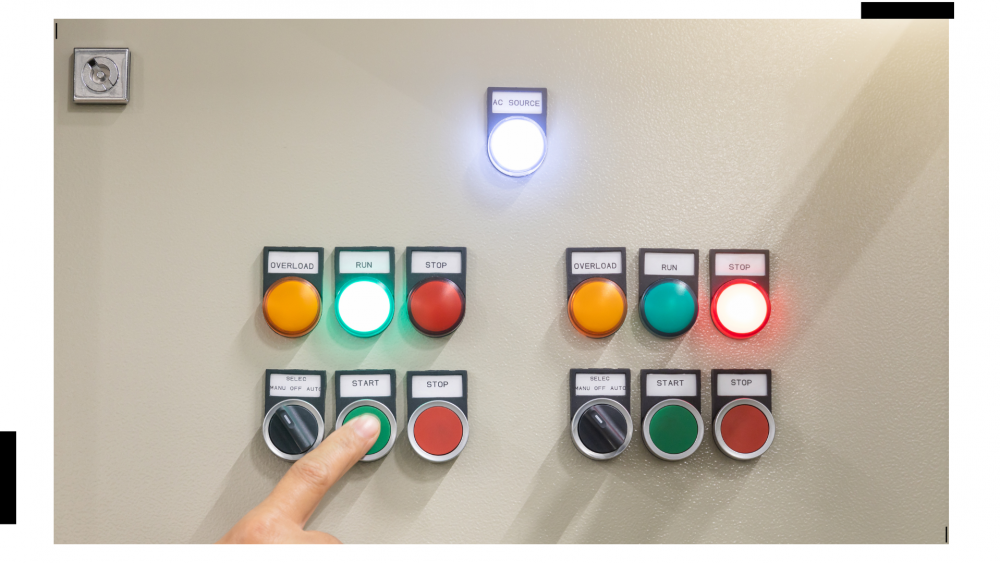
3) Used to define circuit operation modes
Control circuits often have different operational requirements, such as:
- Requires operation only when pressed
- Need the machine to stop immediately when an error occurs
- Need to latch the circuit for continuous operation
Achieving these requires using NO and NC correctly according to the engineer's design
4) Helps the system recognize button status instantly without delay
Both contact types respond immediately upon pressing without relying on slow electronic circuits making them ideal for applications requiring high precision, such as:
- Conveyor belts
- Punch Press machines
- Automatic machines
- Motor control systems
Contact responsiveness is why industries still primarily use mechanical push button switches, even in an era with more keypads and touchscreens
5) Reduces errors caused by vibration or environmental conditions
In factories with high vibration, push button switch NO/NC contacts are designed to be more durable than other control devices, such as certain types of sensors
And choosing NC for critical points like safety circuits significantly reduces the chance of false triggers or accidental actuation caused by vibration
Which buttons should use NO and which should use NC?
Here are the basic rules used worldwide
Start button → Use NO
Because the machine should start operating "only when pressed"
Stop button → Use NC
Because the circuit must "break immediately" when the user presses the button, and it is also safer if the switch fails or a wire disconnects
Emergency Stop button → Use NC + Positive Opening
These are special contacts designed to "positively force the contacts open" even if foreign matter is present or if they are welded together by heat, making them the highest safety standard in industrial plants.
Reset button / system unlock button → Use NO
Because it is a momentary command; it must be pressed only to initiate the reset process.
Safety Interlock circuits → Use NC
All protective systems, such as:
- Safety doors / Safety gates
- Machine covers / Machine guards
- Overload detection systems
All must use NC to immediately shut down the machine whenever an abnormality occurs.
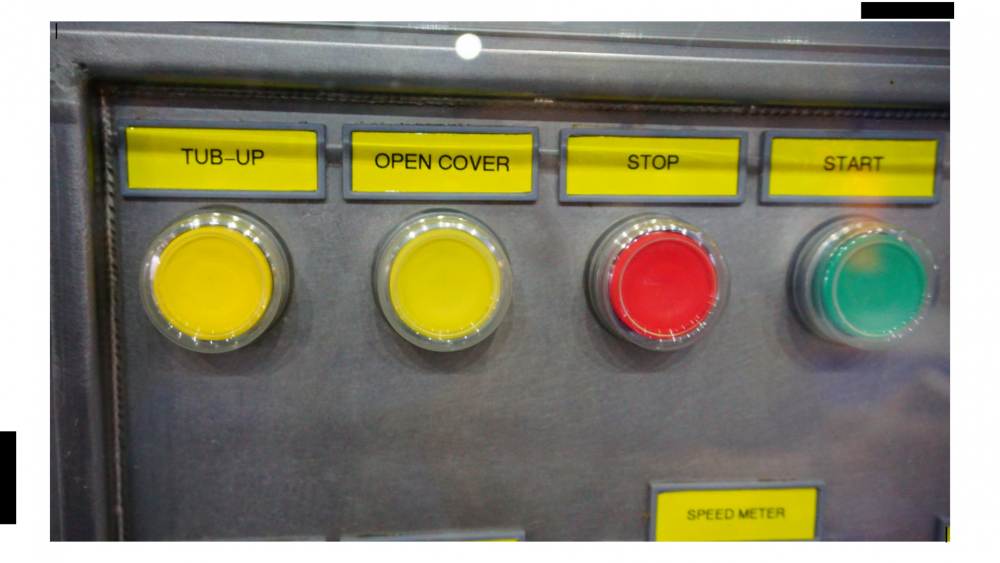
NO and NC are not related to the stiffness of the button or the pressing feel.
Many people misunderstand that NO = soft, NC = hard.
In reality:
- The NO/NC contacts are at the "rear".
- The button stiffness depends on the "front spring".
- Start/Stop buttons using the same operator head can switch between NO and NC.
Therefore, NO/NC is about "circuit function", not actuation force.
Can a single button have both NO and NC?
The answer is YES! And it is very common.
Modular pushbutton switches (e.g., Schneider XB4/XB5, Omron A22, ABB) can be assembled with various contact block configurations:
- 1NO
- 1NC
- 1NO1NC
- 2NO
- 2NC
Suitable for applications requiring:
- Start the machine while recording a LOG signal
- Stop the machine while sending an alarm signal
- Control multiple systems with different timings
This is the flexibility that keeps pushbutton switches in demand, even though many systems have shifted to HMIs or PLCs.
What happens if you choose the wrong NO/NC configuration?
The consequences range from "system operating out of sequence" all the way to "accidents occurring."
1) Stop button uses NO → The machine cannot be stopped when the button fails
This is the most dangerous, because if the NO contact is stuck open, there will be no signal to stop the machine at all.
2) Start button uses NC → The machine starts immediately after turning on the switch
For example, after a power outage when power is restored → the motor spins up immediately. This has actually happened in many factories.
3) Safety Door system uses NO → If a wire breaks, the machine keeps running
Door open → machine still running → extremely high risk of accidents
4) Wiring to the wrong position in the contact block → PLC reads inverted signals
Causes the automated system to malfunction immediately In industrial work, every second counts. Choosing the wrong NO/NC in just one spot can lead to:
- Stopping the entire production line
- Damaged manufactured goods
- Motor breakdown
- Or immediate danger to the operator
Related Articles
- Everything you need to know about push button switches, plus how to select them safely
- What is a Push Button Switch? Types, Proper Selection for Safety, and Avoiding the Wrong Purchase
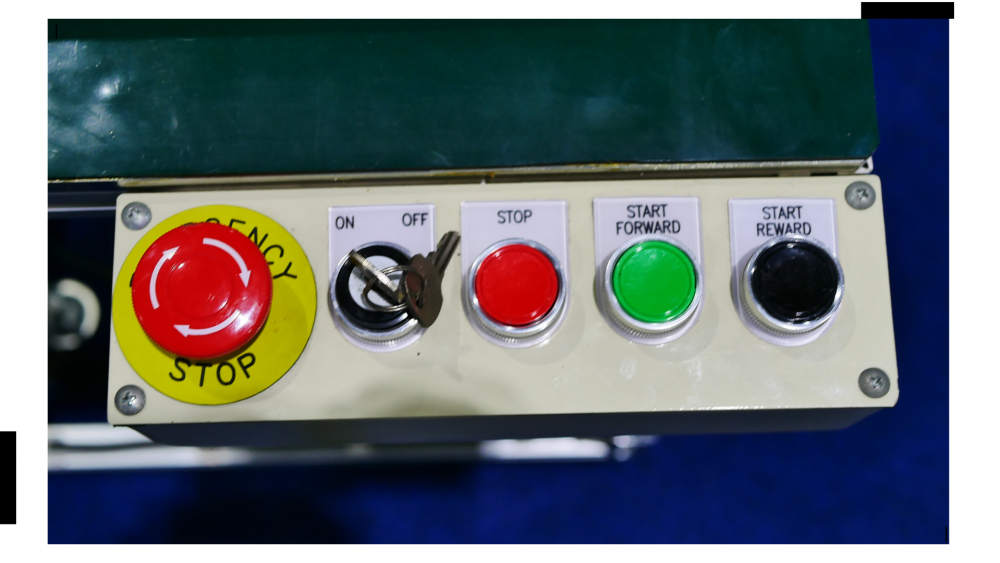
NO and NC are the heart of pushbutton switches
Reading up to this point, it is clearly evident that:
- NO = Normally Open → used for start buttons
- NC = Normally Closed → used for stop and safety buttons
- NC is a vital part of Fail-Safe systems
- Choosing the wrong type can cause machinery malfunctions
- Emergency stop buttons must strictly use Positive Opening NC
Therefore, before purchasing or selecting push button switches You should always check whether:
- The system requires NO or NC
- This point is a start or stop command
- It is a general command or a safety command
- How many contacts are required
Because in the end, machine control work is not just about pressing a button to turn on or off, but about “accuracy, stability, and overall system safety”