


 EN
 ไทย


Customers Also Purchased


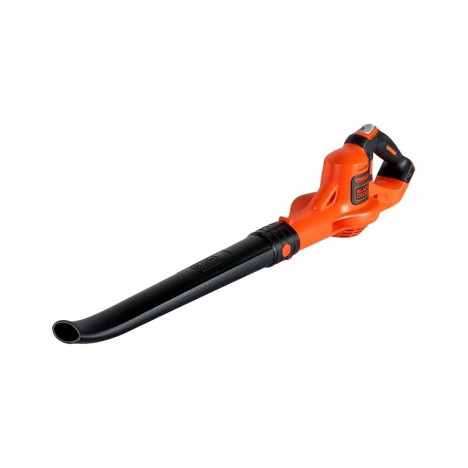

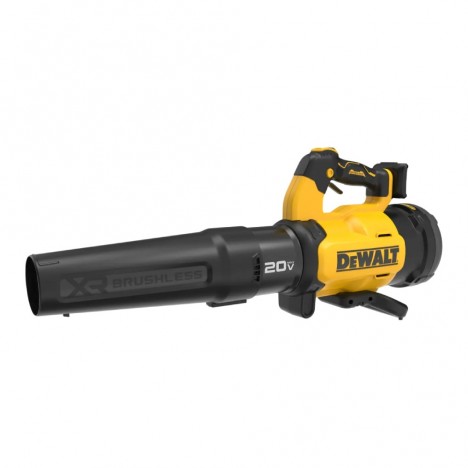
I once saw one Blowers It wasn't particularly small, sitting on a shelf. Picking it up, I thought, "Hey, it's pretty light, probably meant for light tasks or blowing a bit of dust." It weighed under 2 kilograms. But the moment I flipped the switch, the air blast scattered dust everywhere and sent wood shavings, concrete fragments, and small metal scraps flying without mercy.
In my surprise, I accidentally pointed the blower nozzle toward the side of the desk, sending receipts and papers fluttering all over, taking nearly half an hour to gather them back up.
In this article, I want to take a look at what lies inside these ultra-lightweight blowers that can be held one-handed all day without fatigue yet deliver unexpectedly powerful airflow—from miniature motors and high-speed impellers to serious duct engineering rivaling pro tools.
Understanding Blower Specs: Don't Just Look at "Watts"
When picking up a blower box, the first thing most people likely look for is the "wattage" or "battery voltage," such as 600W or 18V, and quickly conclude, "higher wattage means more powerful." That's not entirely wrong, but to understand why compact blowers can be so powerful, there are other factors we need to consider.
Blowers weighing around 2 to no more than 2.5 kg mostly use compact, high-speed motors capable of spinning at tens of thousands of RPM—even faster than drills! When paired with an impeller designed to scoop and compress air efficiently, the airflow is accelerated to very high speeds. Even if the air volume isn't as massive as a larger machine, the air velocity shooting out of the nozzle tip is high enough to make you think, "Wow, why is this so powerful?"
Common Specs Found on Blowers
- Wattage (W) or Battery Voltage (V)
- Air Volume (e.g., m³/min or CFM)
- Air Velocity (m/s or km/h)
- Motor Speed (RPM)
- Tool weight
How Do Watts and Voltage Relate to a Blower's Weight and Blowing Force?
In reality, a blower's "wattage" and "weight" are not directly linked. Wattage indicates how much power the blower consumes or the motor's power rating, whereas weight comes from the overall assembly—the motor, plastic housing, metal parts, battery (if applicable), and other components.
Simply put, you might find blowers with similar wattage but different weights, depending on whether the design focuses on thick, rugged materials built to withstand drops and impacts, or on being lightweight and portable. Therefore, you need to examine the manufacturer's specifications in tandem.
Is a Bigger Blower Really Stronger? What Should You Look At? The numbers that truly answer whether a tool "punches above its weight" are air volume and air velocity, not just wattage or tool size. With a good motor, a well-designed impeller, and an optimized air duct, even a unit with modest wattage can deliver a surprisingly strong blast of air.
Conversely, some blowers feature high wattage or voltage, but their airflow is wide and dispersed—prioritizing volume over concentrated force. As a result, they may feel less powerful despite having higher numbers. So when choosing a lightweight blower, I recommend checking that:
- The air volume is at a respectable level
- The air velocity is clearly specified
- There are adjustable speed settings

What's Hidden Inside a Lightweight Blower?
If you open up a blower, you'll find only a few main components, but each one plays a clear role in making it punch above its weight.
High-Speed Motor: Small but Packs a Punch
Many modern compact blowers use ultra-high-speed motors. Some feature brushless motors that offer excellent energy efficiency, great power, lighter weight, and greater durability than brushed types. Their main advantage is maintaining high RPM continuously without needing a bulky, heavy motor.
The higher the motor speed, the faster the impeller spins. The drawn-in air is accelerated to higher velocities accordingly. Even though the impeller isn't very large, its ultra-fast rotation allows a compact blower to blow powerfully—holding its own against larger units.
Impellers and air ducts: the engineering you don't readily see
The impeller in a blower is not just a simple spinning plastic fan blade. Its blade angles, shapes, thicknesses, and blade count are meticulously engineered to draw in maximum air, compress it to high pressure, and direct the airflow through the vents.
When paired with an air duct that gradually tapers down its cross-sectional area and a gently narrowing nozzle, you get fast, powerful airflow without excessive loss from resistance. If you've ever squeezed the end of a garden hose and noticed how "the water speeds up even with the same volume," blowers work on virtually the exact same principle.
Lightweight and easy to control, giving you confidence to unleash full power
Another reason compact blowers feel "punchy beyond their size" is their lightness. It makes you feel comfortable maneuvering them around, aiming the nozzle right into tight crevices without hand fatigue, and using them continuously for long periods without needing frequent arm rests.
As you can use it longer and maneuver with better accuracy, the feeling that "work gets done faster and it blows strong" becomes even clearer. In reality, some larger models might push more air, but because they are heavier and harder to control, they often don't feel as fast as expected.
What tasks can a lightweight blower be used for?
Now, let's take a look at real-life scenarios to see what applications blowers in the 2 kg range excel at. Having a clear overview helps you choose the right specs for your work—avoiding overspending on unnecessary power or choosing underpowered tools that leave you unsatisfied.
Woodworking: blowing away sawdust and debris from benches and tools
Anyone working with wood, whether a DIYer or a professional carpenter, knows that "wood dust" and "sawdust" are constant companions. After cutting, drilling, and sanding, fine debris covers tables and floors, and tools get caked with fine wood powder in every crevice.
A lightweight blower is ideal for clearing sawdust off saw benches, router tables, and grinders, or blowing out wood grooves before applying glue to ensure proper penetration without dust barriers. It's a great helper that makes jobs noticeably neater and faster.
Car and motorcycle washing: blow-drying crevices quickly
Another task where many users fall in love with compact blowers is drying off cars and motorcycles after washing. For crevices, emblems, window trim, light housings, handlebars, or areas towels can't reach, using air to blast water droplets out prevents water spots and dries the vehicle much faster.
When blowing off water, a blower that isn't excessively overpowered won't fling grit around to scratch the paint (when used in clean environments). It is definitely a popular task among car and motorcycle owners.

Maintenance and care for power tools
Accumulated dust inside motors of grinders, drills, and cutters affects tool lifespan and heat dissipation. Many users utilize these lightweight, compact blowers to clear dust out of cooling vents or blow clean air filter screens.
How to use a blower safely? 5 tips every technician should know Of course, caution is needed: avoid blowing from too close, and always wear safety glasses and a dust mask. Used properly, a compact blower is an excellent tool that helps extend the service life of your other power tools.
Lightweight and punchy blowers: limitations you should know
Whether small or large, every tool has its limitations. Lightweight 2 kg blowers are no exception.
A blower cannot replace an industrial-grade blower for every task. If the job involves cleaning production lines, blowing heavy workpieces, sweeping wide areas like lawns, or operating in factories and warehouses that require extremely high airflow continuously all day, a small machine might manage, but it's not its forte—the motor may heat up faster and require occasional rests.
For that kind of work, large blowers, heavy-duty leaf blowers, or a pneumatic system with an air compressor + air blow gun are a better fit, as they generate a large volume of air continuously and are structurally built for truly heavy-duty tasks.
How Did a Small Blower Become the "Go-To Tool" on a Workstation?
One thing I've noticed is that back in the day, when talking about blowers, many people would think of big, heavy machines used only when blowing floors, yards, or large areas. But nowadays, small, lightweight, single-handed machines have become everyday benchtop essentials that get picked up almost daily.
The reason is that they are lightweight, easy to pick up without hesitation, provide plenty of blowing power for general air-cleaning tasks, and don't take up much storage space—making them convenient to keep in a car or a cabinet. Most importantly, some models feature interchangeable nozzles and vacuum attachments, offering greater versatility.

Conclusion
Ultimately, when choosing a blower, what I want you to keep in mind is that it's not just "a light tool for small tasks." There's more to it than just weight, including:
- A high-RPM motor, a well-designed impeller, and an optimized air duct come together to produce a tangible, noticeable airflow.
- Wattage rating matters, but air volume and air velocity also directly affect real-world performance.
- Light weight allows for better control and longer, more frequent use, turning it into your go-to tool in everyday life.
- Knowing its limitations and using it for the right tasks will make it even more worthwhile.
If you're looking for a tool that makes blowing dust, water, sawdust, and cleaning tools much easier, try looking for a blower weighing around 2 kg. Choose one that matches your tasks and fits your usage style.
Sometimes power tools like Blowers the ones we use most often don't have to be big and heavy; rather, it's the ones that are lightweight, easy to use, and offer just the right power for the job.