


 EN
 ไทย


Customers Also Purchased


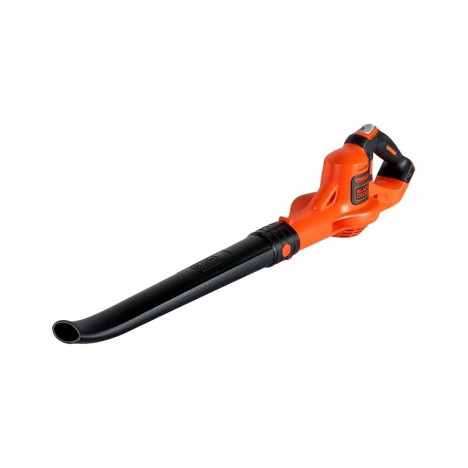

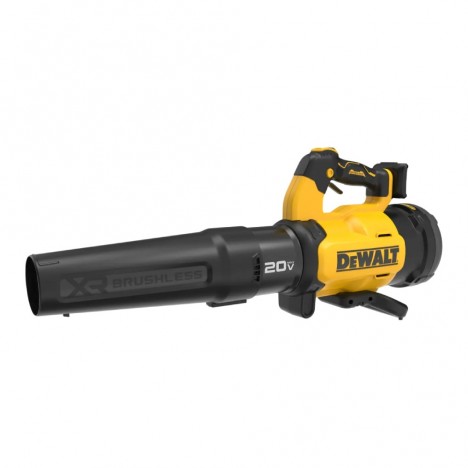
One key highlight that makes blowers so popular is their ease of use. Typically, blowers are lightweight and easy to hold. Both beginners and professional tradespeople can control the airflow direction smoothly without exerting much effort, allowing for continuous operation without hand fatigue. The design prioritizes a firm, well-balanced grip, helping to reduce wrist fatigue during extended use. This makes it ideal for both continuous blowing tasks and precision blowing in tight spaces.
At the same time, many people may overlook safety when using a blower—especially in confined spaces, areas with metal debris, or around high-voltage machinery. If used improperly, blowers can cause unexpected accidents or equipment damage.
In this article, we'll dive deep into safe blower operation, along with essential tips every professional tradesperson should know to ensure confident, safe, and fully efficient use.
Why Pay Attention to Blower Safety?
Careless use of a blower can lead to various hazards, such as dust entering the respiratory system, debris injuring the eyes, or excessive airflow causing loose parts to fly toward the operator. This is particularly true for electric blowers, which are widely popular due to their ease of use, portability, and lack of need for additional air systems or compressors. However, even though electric blowers deliver less airflow pressure than industrial pneumatic equipment paired with air compressors, they can still cause serious harm if used improperly.
A fundamental understanding of blowers, operational risks, and proper practices will significantly reduce accidents—whether you are a general user, a skilled craftsman, or a production line worker.

1. Choose the Right Nozzle for the Job
Before looking at nozzle types, the first thing to understand is that blowers are versatile, but the effectiveness of the airflow depends on the nozzle you select. The nozzle directs and shapes the airflow pattern. This means that even with the same blower model, using different nozzles will yield distinctly different results. Choosing the right nozzle not only improves work efficiency but also ensures safer operation.
Get to Know Different Types of Nozzles
Blowers often come with various nozzles, such as narrow, wide, or flat nozzles. Each type is designed for different applications, such as:
- Narrow nozzle: Used for small spots, deep crevices, or areas requiring high, concentrated airflow.
- Wide nozzle: Ideal for large surface areas, such as factory floors or yards.
- Flat nozzle: Used for flat surfaces, such as circuit boards or sheet metal.
Hazards of Using the Wrong Nozzle
Using an unsuitable nozzle can cause airflow to disperse in the wrong direction or create excessive pressure that blows workpieces away. This is especially hazardous when blowing near sharp objects, wood chips, or metal debris.
Tips for Choosing a Nozzle
- Read the blower's manual thoroughly
- Test on a mock-up material before actual blowing
- Regularly inspect the nozzle before every use for cracks or damage
2. Never blow directly at your body or others
Although electric blowers appear to lack sharp edges, rotating blades, and are easier to use than many tools, what many might overlook is the airflow coming from the nozzle, which can generate higher pressure than expected. Especially when used in close proximity to the body, the rushing air can unexpectedly blast dust, metal chips, or small contaminants onto the body. Crucially, some people still use blowers to dust off clothes, dry hands, or even horseplay with friends, which is dangerous behavior and should be strictly avoided.
Excessive airflow can be dangerous
Even though a blower seems to have no blades or exposed rotating parts, the airflow from some models can reach up to 70 m/s, which is enough to propel dust, metal shavings, or hard particles into eyes or lacerate the skin.
Do not blow at the face, ears, or open wounds
In some cases, accidents have been reported from blowing air into ears or open wounds, causing infections or dangerous pressure build-up affecting internal organs.
Safe operating guidelines
- Never use the blower to clean clothes or skin directly
- If you must blow air near the body, use the lowest airflow setting and wear protective gear
- Never use the blower playfully or to fool around with coworkers
3. Always wear Personal Protective Equipment (PPE) every time you use it
Although electric blowers are designed to be easier and safer to use than industrial models or compressor-powered blowers, that does not mean there are no risks. Users often neglect wearing personal protective equipment, seeing it as troublesome or assuming it is unnecessary. In reality, this protective gear is the first line of defense to reduce hazards from dust, flying debris, or even high-decibel noise generated by airflow.
Wearing PPE is not just a recommendation, but a habit to build—especially when operating in confined spaces, near electrical panels, or in areas with other people around. Thoroughly protecting yourself before starting work demonstrates responsibility for both your own safety and that of others.
What equipment is essential?
Using a blower can cause airborne dust, flying debris, or loud noise that impairs the senses. Personal protective equipment that should always be worn prior to using a blower includes:
- Safety glasses: Protect against dust, metal chips, or debris flying into the eyes
- Dust mask: Protects against particulate matter or contaminants entering the respiratory system
- Fabric/leather gloves: Reduce vibration and protect hands against high-pressure air blast or skin abrasions
- Earplugs (if the tool is loud): Protect ears from noise
Often-Overlooked Benefits of PPE
Some users tend to think blowers are not as dangerous as other tools like saws or drills, leading them to neglect wearing protective gear. This results in frequent minor accidents that could have easily been prevented in advance.
Using PPE consistently not only helps reduce accidents, but also builds safety habits, demonstrates professionalism, and sets a good standard for coworkers.

4. Regularly Inspect and Maintain the Blower
Although electric blowers are easy to use, neglecting their care or using them continuously without inspection can cause accumulated damage that is difficult to fix later—whether it is dust buildup inside the tool, nozzle wear, or motor degradation. Regular blower maintenance is not an extravagance, but the essential key to ensuring your blower lasts long and operates at peak performance every time you turn it on.
Problems Caused by Neglecting Blower Maintenance
Blowers used for extended periods without maintenance may experience weak airflow, abnormal noises, or worn parts that turn into safety hazards, such as the nozzle detaching during operation or the motor burning out from accumulated internal dust.
Basic Blower Maintenance Steps
- Inspect the condition of the power cord and plug, or the battery system, before every use.
- Regularly clean the nozzle and dust screen.
- Blow dust out of the motor or ventilation slots at least once a month.
- If it is a model that uses carbon brushes, replace them according to the manufacturer's recommended schedule.
- Store the blower in a dry place, free from dust accumulation and moisture.
Maintaining your blower regularly not only makes operation safer, but also extends the tool's lifespan, reduces repair costs, and ensures full-power airflow just like a new machine.
5. Always Keep the Work Area Safe
Operating an electric blower safely does not depend solely on the tool or the operating method, but also on the surrounding area, which plays an equally critical role. Even if you use the tool correctly, obstacles, slippery floors, or other hidden risks in the area can lead to unintended accidents. Therefore, organizing the workspace before starting is a fundamental safety practice that every professional technician should make a habit.
Environmental Risks
Even if a blower has good safety features, an unsuitable working area—such as slippery floors, cluttered power cords, or nearby flammable materials—can lead to severe accidents. For example, using a blower in an unventilated warehouse can cause airborne dust to disperse and ignite due to nearby electrical equipment being turned on. Similarly, a user could trip over the blower's power cord and hit their head on the floor simply because the work area was not properly organized.
How to Prepare the Area Before Starting Work
- Tidy up power cords and any tripping hazards.
- Ensure there is no water or liquid on the floor.
- If blowing in an enclosed space, ensure good ventilation.
- Never use a blower near fire hazards or gas tanks.
- If blowing in crowded areas, put up warning signs or cordon off the work area.

Conclusion: Safe blower operation starts with user understanding and discipline.
A blower might seem like an uncomplicated tool, but if used carelessly or negligently, it can cause unbelievable hazards to both the operator and others—whether from high-pressure air, airborne dust, flying debris, or an unsafe environment.
Using a blower properly begins with understanding the tool. Making small behavioral adjustments—such as choosing the right nozzle, avoiding blowing air directly at people, wearing protective gear, inspecting the tool's condition, and securing the work area—can significantly reduce risks.
Remember that many power tool accidents are not caused by tool failure, but primarily by user negligence. Practicing these small habits will allow you to use your blower safely and truly professionally.
Select Blowers Good quality, reasonable price, with clear information