


 EN
 ไทย


Customers Also Purchased


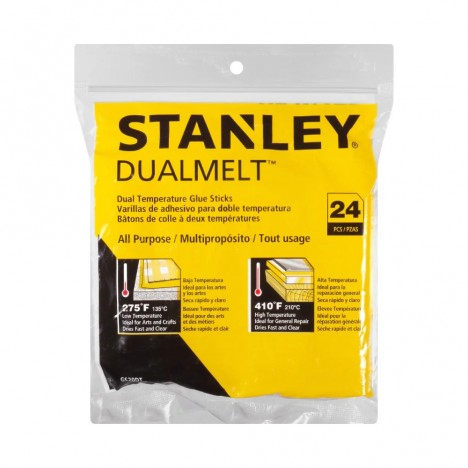
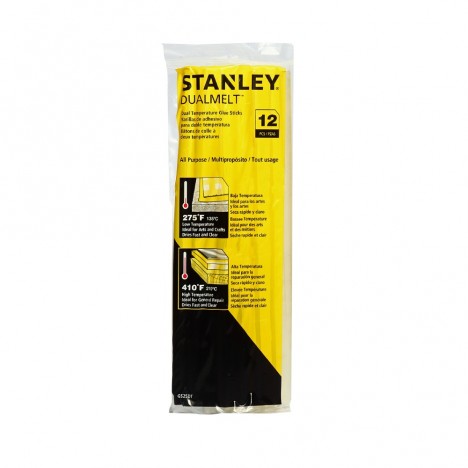
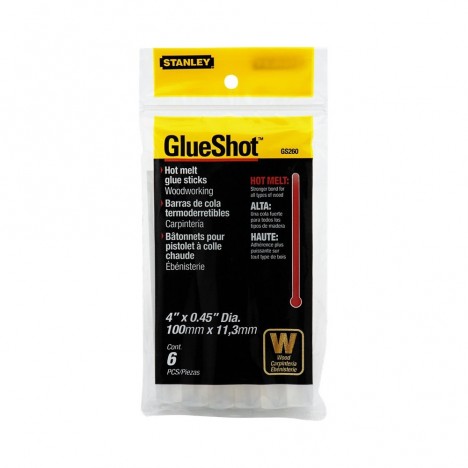
Glue leaking all over your desk again? What should you do? For anyone who frequently uses Glue Gun a glue gun, I think almost everyone has run into this issue. Although this compact tool is both convenient and versatile, improper care can cause headaches just as big as those from larger power tools—from runny glue dripping all over your desk, to nozzles clogged with hardened glue, or even self-leaking glue that causes unnecessary waste.
The more often you use it, the more these small issues accumulate. What starts as tiny drips can turn into stubborn, hardened residue that won't scrub off, or even clog the glue gun to the point of being unusable. Therefore, knowing how to store and properly maintain your glue gun will extend its lifespan far beyond what you might expect. It will also give you confidence every time you pick it up, eliminating the hassle of peeling off dried glue or scrubbing work surfaces afterward.
In this article, I will help answer questions that many people are curious about, such as "How do you store a glue gun to make it last?" or "Why do glue guns clog?" We'll cover practical techniques frequently used by technicians and crafters—from essential tips to post-use cleaning tricks, and how to fix a leaking or clogged glue gun without throwing it away.
Why Do Glue Guns Clog Easily? An Overlooked Issue for Many
A glue gun may seem like a simple, inexpensive tool, but it actually conceals a thermal and glue-flow mechanism that must work in harmony. If you wonder why glue guns clog so easily, the short answer is "heat + hardened glue," which can be caused by various underlying factors, such as:
- Using the glue gun and leaving the nozzle hot without dispensing glue immediately, causing the glue at the nozzle to be exposed to air and begin hardening into clumps.
- Using low-quality glue or glue that doesn't match the operating temperature of the glue gun (e.g., using high-temperature glue guns with low-temperature glue sticks).
- The glue gun lacks a nozzle shut-off mechanism or the nozzle wasn't properly capped/cleaned after use.
- Accumulated glue residue from multiple uses without cleaning, creating a layer of hardened glue surrounding the nozzle.
If these issues are allowed to happen repeatedly, the consequence is a clogged nozzle, glue not dispensing, or excessive pressure causing glue to sputter and splatter all over your desk. Pretty frustrating, right?

Using it continuously without breaks causes heat to build up in the glue gun, making the glue overly runny to the point where it seeps out through the joints. Once that glue hardens, clogs will occur. Therefore, keeping the nozzle clean and maintaining the proper temperature helps reduce both clogging and leaking issues simultaneously.
Resting the Glue Gun on Its Stand: A Basic Habit You Should Form
Common Misconceptions About Glue Guns: Use Them Right, Use Them Well, Bond Easily Without Ruining Your Work Let's go back to basics first. Oftentimes, problems stem from minor details that seem insignificant. If we make these fundamental steps a habit, issues like clogging, leaking, or hardened glue buildup on the nozzle will be noticeably reduced, saving both glue and repair time.
Switch Off and Let Cool, or Unplug and Store?
Here is what I recommend: If your glue gun heats up quickly and requires continuous power, turn off the switch and wait for the nozzle to cool down first by placing it on a heat-resistant stand or base. Unplugging it immediately and placing a hot glue gun flat on a table may burn the surface.
If you plan to clean it right after use, be careful not to touch the nozzle while it is still hot. Use a heat-resistant cloth or protective gloves to help.
Store with the Nozzle Facing Down or Upright? Which Position Minimizes the Mess Most?
If you place the glue gun tip-down, the hot and runny glue may leak out through the nozzle and drip onto the table. But if pointed upward, the liquid glue can pool inside the internal chamber and may disrupt glue feed pressure. The posture I recommend is resting the glue gun on its stand or a dedicated base tilted at a slight angle, preventing glue from flowing straight out while keeping the nozzle clear of residue buildup.
Techniques for using a glue gun to help reduce clogging
At this point, besides post-use storage and understanding that What Temperature of Glue Gun is Enough? For Fabric, Wood, Plastic, or DIY Work? there are other usage habits that we might overlook, thinking they are minor details, but could cause bigger problems than expected.
Sometimes, simply placing the glue gun at the wrong angle, letting the nozzle overheat, or leaving glue plugged in for too long can cause the glue gun to deteriorate faster than usual. These techniques may seem like small things many people overlook, but if turned into a habit, your glue gun will noticeably last longer.
1. Insert the glue stick properly; do not insert it too far
Many people like to insert a long glue stick so they don't have to change it often. However, inserting it too far causes the extended part of the glue stick to absorb excess heat and melt backward, leading to "glue buildup" inside the tool. It is recommended to insert an appropriate amount of glue stick so that it can be pulled out and does not protrude excessively.
2. Gently pump a small amount of glue out before every use
Before starting actual work, gently squeeze the glue gun trigger until the glue is warm and a small drop flows out, let it sit, and then wipe it off. This technique helps purge the nozzle while checking the viscosity and temperature to ensure the nozzle is ready for real use.
3. Do not expose the glue to air for too long; finish one piece at a time
If you are working on an all-day project with a glue gun, try to complete small pieces one at a time and wipe or temporarily cap the nozzle. Doing this prevents the glue from being exposed to air for an extended period and hardening at the nozzle.
4. Pay attention to ambient temperature
For a glue gun, both room temperature and humidity affect the flow and curing of the glue. On very cold days, glue may flow slower or harder. If it is too hot, glue may melt too quickly and become messy. Therefore, every time you use it, you should adjust your technique, such as increasing heat or time to match the environment.
Systematic cleaning of your glue gun

During-work cleaning (Quick clean)
- Turn off the glue gun and wait until the nozzle is warm—neither scalding hot nor completely cold.
- Squeeze out a little glue to purge old debris.
- Wipe the nozzle clean using a heat-resistant cloth.
- Use a toothpick to pick out glue residue from crevices and corners.
This method takes only a few minutes, but doing it regularly greatly reduces buildup layers.
Deep cleaning (Deep clean)
- Do this once a week or as needed
- Let the glue gun cool down completely, then remove the nozzle (if removable)
- Soak the nozzle in hot (not boiling) water for about 5–10 minutes to soften the glue
- Use a small detail brush to gently scrub away glue residue
- Wipe completely dry before reassembling
If the nozzle is not removable, moderately warm up the gun tip and use a thin wire to pick out the glue residue. Be careful not to press too hard, as it may damage the nozzle hole.
How to Fix a Clogged Glue Gun
A clogged glue gun may sound like it's broken, which is a nightmare for many, but it can often be fixed if caught before it's too late. If you encounter this issue, don't panic yet; there are simple fixes you can do yourself without having to rush out and buy a new one, such as:
- Use a small needle or thin wire to gently probe Warm up the gun tip to soften the glue first, then gently probe it out bit by bit. Do not use excessive force, as it may deform the nozzle hole and cause inaccurate glue dispensing.
- Soak the nozzle in warm water or wipe with alcohol Suitable for certain types of glue that dissolve well at low heat. Always wipe dry before each use to prevent residual moisture.
- Replace the nozzle or send it for repair If the nozzle is deformed or damaged, replace it with a new one or send it to a technician for inspection. Sometimes replacement is inexpensive and restores the glue gun's performance like new.
Long-Term Glue Gun Storage: What to do when storing for an extended period?
If you don't use your glue gun often but want to ensure it works when you need it, try following these steps.
- Deep clean and let it dry completely throughout Especially around the nozzle and glue stick inlet to prevent residual moisture, which could cause the glue to harden or clog inside.
- Pull the glue stick out so only a small amount remains, or remove the entire glue stick if possible Then wipe the tip of the glue stick clean to prevent hardened glue debris from sticking and jamming inside the tube
- Put on a nozzle cap or lightly wrap it with heat-resistant tape If you don't have the accessories, temporarily wrapping the nozzle tip with silicone cloth or aluminum foil can also help reduce exposure to air.
- Store in a dry box, out of direct sunlight And it should have a lid to keep out dust, heat, and UV light, which can degrade the plastic or cause some glue gun models to warp.
Following these simple steps and storing it in a tool cabinet or a box with small silica gel packets will keep the glue gun in like-new condition and ready for long-term use, even if left unused for months.

Summary: How to make your glue gun last a long time
Back to the question: "How do you store a glue gun so it lasts long, doesn't clog, and doesn't leak?" The short answer is Make following the basics a habit, paired with suitable accessories and techniques that minimize air exposure and glue buildup. But if you want your glue gun to last even longer, try using this short list as your personal checklist every time you use it.
- Turn off the power and place the glue gun in an appropriate position after use
- Always use a table mat and a glue gun stand
- Clean regularly
- Invest in accessories such as nozzle caps, toothpicks, and cleaning wire
- If clogged, try fixing it before throwing it away—use a needle, wire, or soak in warm water depending on the nozzle type
If you follow these, Glue Gun your glue gun will last much longer, helping you save glue and avoid messy tables that waste time while creating and repairing work.