


 EN
 ไทย


Customers Also Purchased
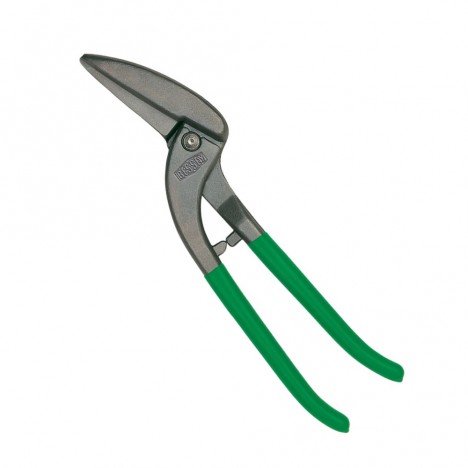
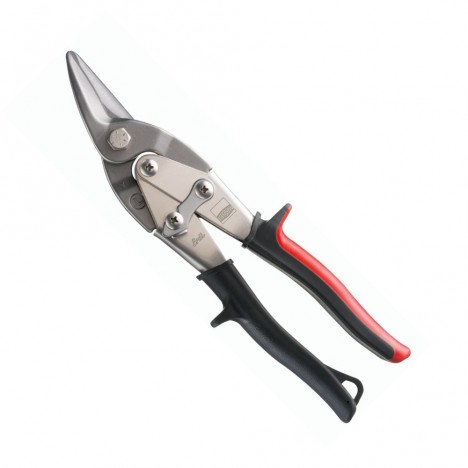
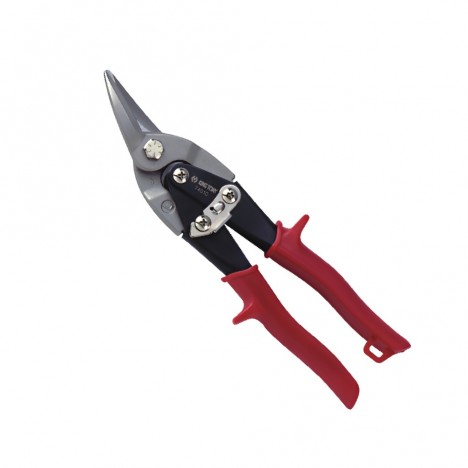
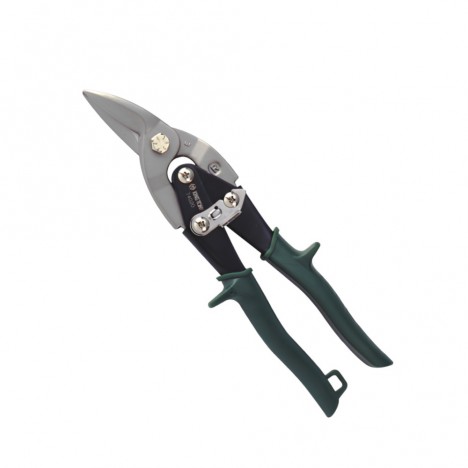
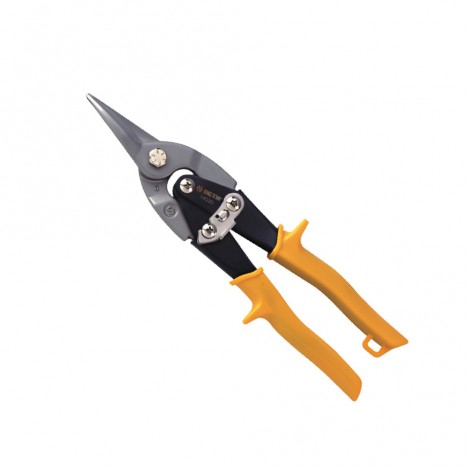
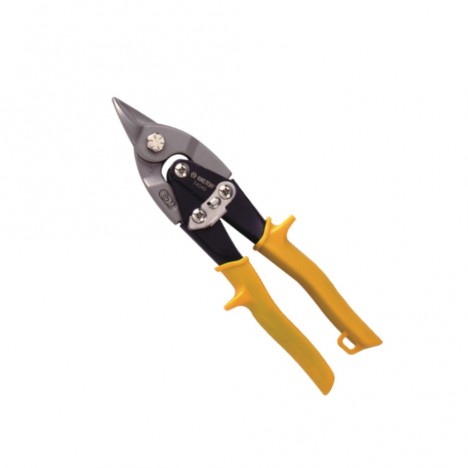
"Can this steel cutter cut rebar?" is a frequently asked question because the phrase Metal shears in our country is used to refer to two very different tools: one for cutting galvanized sheet metal, and the other for cutting rebar, wire, and chain. If you grab the wrong one, the blades can chip on the very first try. This article focuses on the latter—commonly called rebar cutters or bolt cutters by tradesmen—covering how to choose one for effortless cuts and long-lasting durability.
How Bolt Cutters Differ from Sheet Metal Snips
They differ starting right from their functions. Sheet metal shears have two overlapping blades like regular scissors, designed to cut thin sheet materials such as galvanized iron, metal sheet, or aluminum. If you want to know how to choose metal sheet shears, we have detailed it in the article How to Choose Steel Cutters Without Buying Wrong: In-Depth Specs You Need to Know Before Deciding
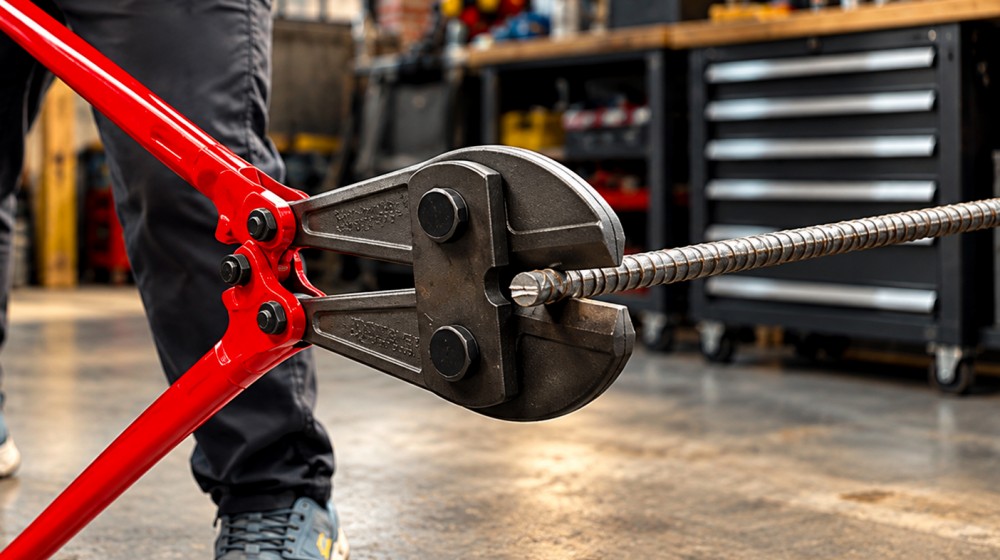
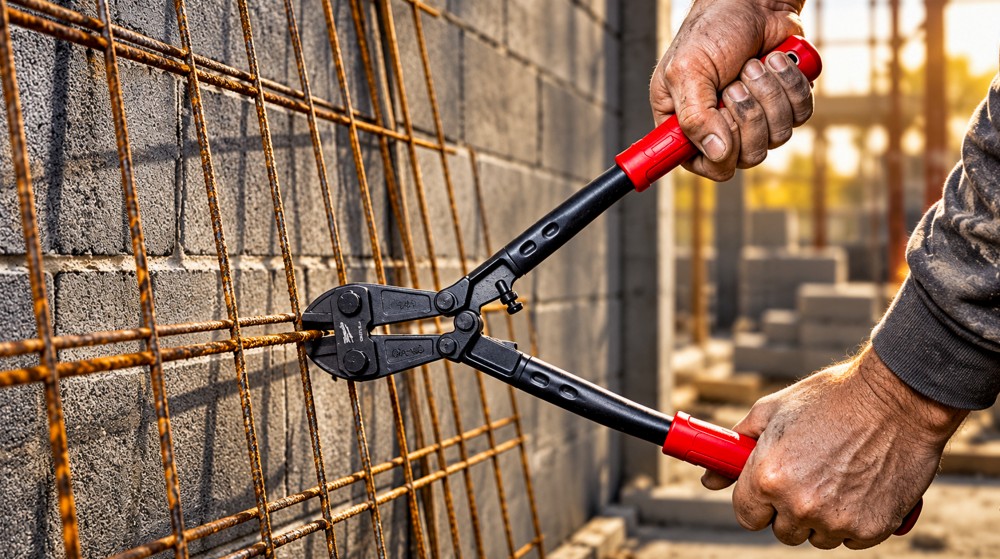
Meanwhile, bolt cutters have two cutting jaws that pinch together in the center, designed to cut linear or bar-shaped stock such as rebar, thick wire, barbed wire, chains, bolts, or padlock shackles. Long handles and compound-leverage joints allow you to cut through hard materials using only hand force.
What if you mix them up? Using tin snips to cut rebar will instantly chip the blades or loosen the pivot. Using bolt cutters to cut sheet metal will only take one small bite at a time, leaving a mangled, saw-toothed edge. Simply put, they are for completely different jobs—don't use them interchangeably.
Why Hand Force Alone Can Cut Through Steel
The secret lies in the compound (double-lever) linkage system. The long handles of the bolt cutter act as the first lever, while a smaller set of pivot joints at the head multiplies the mechanical advantage again. The squeezing force from your hands is multiplied several times at the cutting jaws. That is why handle length is so critical: longer handles deliver more force to the jaws, but at the cost of heavier weight and bulkiness.
How Long Should Bolt Cutter Handles Be?
Bolt cutters usually have their size specified as overall length in inches. Short models are easy to carry, fit in tight spaces, and are suitable for small to medium-gauge wire. Long models provide immense leverage to cut larger rebar or chains, but they are heavy and require ample clearance to fully open the handles.
A simple way to choose is to look at the largest material you need to cut regularly, then pick a size that the manufacturer rates for comfortable cutting—not just barely scraping by the limit. If most of your work involves tie wire or wire mesh, a short to medium model is sufficient. If you regularly need to cut construction rebar, then step up to a longer model. Another factor people often overlook is weight. Some longer models are quite heavy; if you have to carry them up scaffolding or walk around with them all day, weight significantly affects fatigue.
Bolt Cutters: Which Jaw Type Suits Which Job?
- Center cut jaws are the most common type. Both blades meet precisely in the middle. Suitable for almost all general-purpose tasks—if you're not sure, start with this one.
- Angled cut jaws feature cutter heads angled to the handles, making it easier to cut materials flush against the floor, against walls, or in corners without twisting your wrist.
- Flush cut jaws have one flat side, allowing you to cut completely flush against the workpiece surface. Ideal for jobs requiring a smooth, flush cut with no protruding sharp ends, such as cutting bolt heads or rebar sticking out of the floor.
Bolt Cutters: Which Jaw Type Suits Which Job?
Center cut jaws are the most common type. Both blades meet precisely in the middle. Suitable for almost all general-purpose tasks—if you're not sure, start with this one.
Angled cut jaws feature cutter heads angled to the handles, making it easier to cut materials flush against the floor, against walls, or in corners without twisting your wrist.
Flush cut jaws have one flat side, allowing you to cut completely flush against the workpiece surface. Ideal for jobs requiring a smooth, flush cut with no protruding sharp ends, such as cutting bolt heads or rebar sticking out of the floor.
Small details to look for in bolt cutters
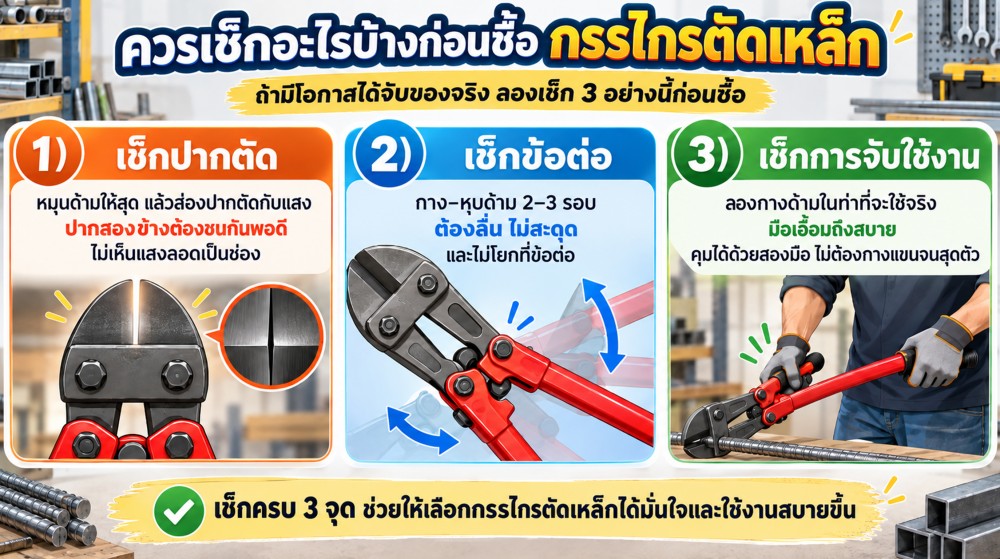
- Replaceable jaws: Some models allow you to replace just the cutting head or jaws. If the blades ever chip, you can simply buy replacement jaws instead of discarding the entire tool. For tradespeople who use them daily, this saves a lot of money. Be sure to ask the store if replacement jaws are available.
- Jaw adjustment screw: Good bolt cutters usually have a screw to adjust the blades so they meet perfectly. After prolonged use, the jaws may become misaligned and fail to cut thin wires cleanly; this screw helps realign them.
- Handles: Rubber-coated grips provide a secure, non-slip hold when applying force. Some models feature steel tubular handles, while others use lighter composite materials. Choose according to the weight you can comfortably handle.
Who should use which type of bolt cutter?
- For construction workers who need to cut tie wire and small rebar all day, choose a medium to long model with center cut jaws and replaceable blades.
- For fencing, barbed wire, or garden mesh, a medium-sized center cut bolt cutter works conveniently well.
- For maintenance work requiring you to cut pins, rusted bolt heads, or rebar protruding from floors, consider flush cut or angled cut jaws.
- For homeowners who only use it occasionally, such as cutting your own lock when you've forgotten the combination or cutting thick wire, a short to medium model is sufficient. As for thin wire, you don't need bolt cutters at all—standard wire cutters are much easier to use.
- If you'd like to compare other types of pliers, feel free to check out our pliers category to see which jobs each type is designed for.
Summary
Choose bolt cutters that match what you actually cut: select a handle length adequate for your frequent cuts, cutting jaws suited to the application, and clear specifications on the hardness of materials they can handle. Construction workers should go for medium-to-long models with replaceable jaws, fencing jobs call for medium models, flush cutting requires flat jaws, and thick deformed rebar is better handled with a power rebar cutter. If you're still unsure, check out the various models in itoolmart's bolt cutters category, or bring the dimensions of what you need to cut and talk to our branch staff.
Select Metal shears to suit the application