


 EN
 ไทย


Customers Also Purchased

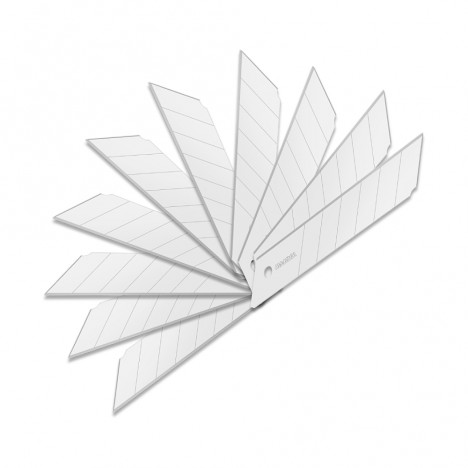
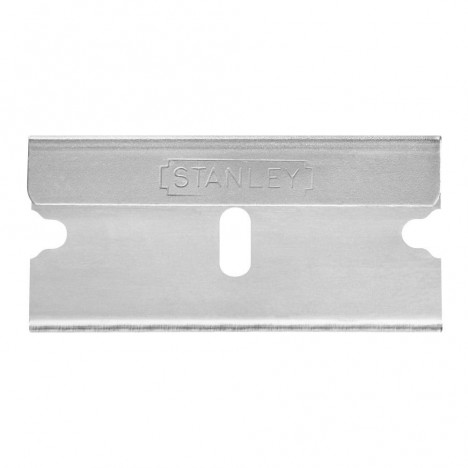
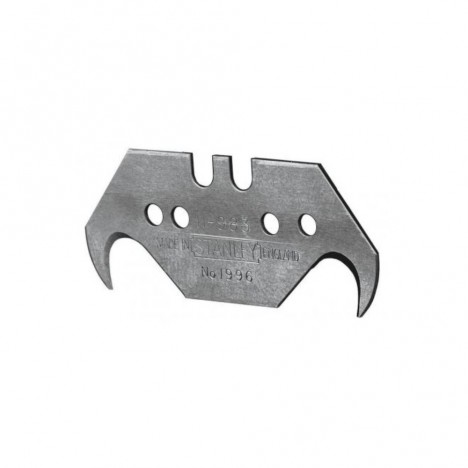
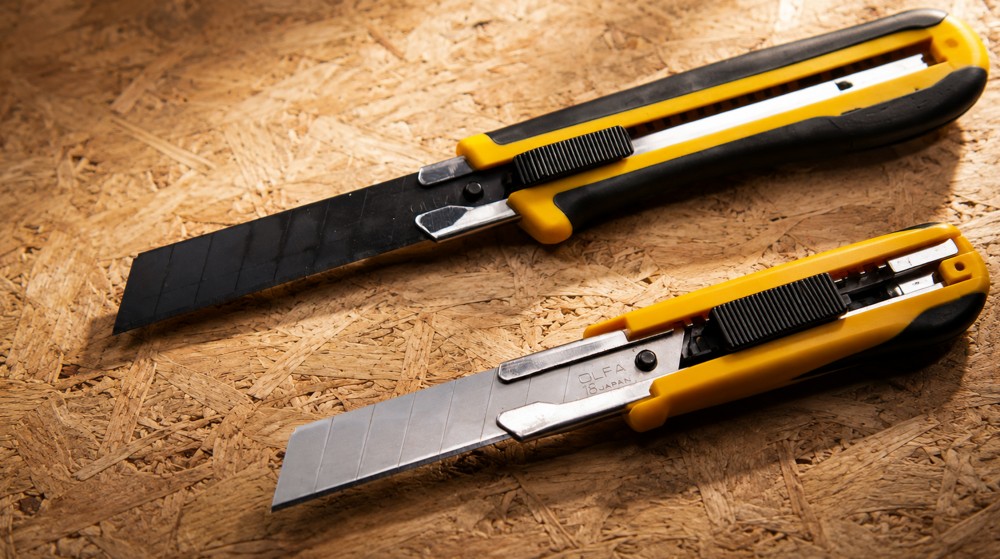
When looking at utility knife blade shelves in various stores or searching online, you might notice that utility knife blades are no longer just the familiar silver color. Many brands sell black utility knife blades side by side, with some models labeled Black Blade, Ultra Sharp, or Extra Sharp. This raises the question: Are black blades really sharper than silver blades? If they are indeed sharper, why do manufacturers still produce silver blades?
The short answer is that in certain series, black utility knife blades are indeed made to be sharper than silver blades, but it is not the black color itself that makes them sharper. For example, OLFA utility knife blades specify that their black snap-off blades undergo a double-honing process, making them up to approximately 25% sharper than standard silver blades, while silver blades are designed to balance sharpness, strength, and durability for general use. Meanwhile, NT Cutter separates its Extra-Sharp black blade range from standard blades, stating that they provide high sharpness ideal for precision cutting.
Therefore, the answer is that many models are indeed sharper, but you shouldn't use just the color of Cutter Blade as the sole judgment criterion, because black blades from different manufacturers may vary in structure, materials, honing processes, and intended applications.
The black color is not what makes a utility knife blade sharp
First of all, you need to clearly separate the "color of the utility knife blade" from the "sharpness of the utility knife blade." Many people mistakenly believe that the black color is a special coating that directly makes the blade slicker, harder, or sharper. In reality, sharpness comes from several factors—including the materials used, heat treatment, blade profile and cutting edge angle, all the way to the final grinding and honing processes.
OLFA explicitly states that their black blades are not simply standard blades dyed black; the key difference lies in the double-honing process (additional sharpening), making them up to ~25% sharper than standard silver blades.
In summary, black utility knife blades are not sharp because they are black; rather, they are colored black to distinguish them as blades made through a different manufacturing process than standard ones. Therefore, when buying blades, don't just look at "black or silver"—make sure to read the model's details to see if it is Standard, Extra Sharp, Ultra Sharp, Heavy-Duty, or designed for specific types of materials.
How does greater sharpness feel in actual use?
The phrase "25% sharper" might sound like an abstract marketing number, because when cutting boxes we don't carry around tools to measure sharpness. But in real-world use, higher sharpness usually translates to the amount of cutting force required. Think about cutting rubber, thin plastic, film, or paper with a dull blade: the utility knife blade resists biting into the material, forcing you to press harder, make multiple passes, and sometimes dragging the material along so the cut edge ends up uneven.
Once you switch to a sharper utility knife blade, you'll feel that the blade bites into the work faster, slices through the material with less effort, and allows for easier control over the cut line. OLFA states that their double-honed black blades require less pulling force to cut, making them ideal for precision work such as insulation, silicone, shrink film, plastic sheeting, and materials requiring clean cut edges.
Many people may have wondered: "Do utility knife blades break frequently because of blade quality or because we're using them incorrectly?" Sharpness plays a significant role in this. This is why many people feel that switching from standard silver blades to black blades makes cutting "so much easier," even when using the exact same cutter handle—because what really changed was the blade's cutting edge.
Black utility knife blades offer superior sharpness, so what are silver blades for?
Many might think that since black utility knife blades are sharper, everyone should just buy black utility knife blades for everything. However, cutting tool design is not just about being the sharpest. Manufacturers must strike a balance between sharpness, edge retention, blade strength, the nature of the materials being cut, precision, and cost.
OLFA explains that silver utility knife blades are the classic blades designed for a balance between sharpness and durability, whereas black blades focus on maximizing sharpness through double honing. Simply put, if your task doesn't require extreme sharpness, a silver blade with sharpness well-suited for general tasks might be more cost-effective than paying extra for sharpness you won't fully utilize—much like choosing drill bits or saw blades: the more expensive model may indeed be better, but if the job doesn't require those properties, the standard version is completely sufficient.
A sharper utility knife blade does not mean it is harder
This is where people often get confused. Sharpness, hardness, toughness, and durability are distinct properties. A very sharp blade isn't necessarily stronger, and a blade that looks thick and sturdy isn't necessarily sharper.
- Sharpness depends on the geometry and quality of the cutting edge. If ground and honed to a fine, thin edge, the blade cuts with less force.
- Hardness affects edge retention, but if it is too brittle, exposure to torsional or lateral forces can cause it to chip or break.
Who are black utility knife blades best suited for?
If your work involves frequent cutting, you want to reduce the pulling force required, or you need exceptionally clean cut lines, black blades in the Extra Sharp or Ultra Sharp categories become very compelling.
- Installation technicians: Certain installation tasks require cutting rubber, silicone, insulation materials, films, or tough materials. A highly sharp blade helps initiate cuts effortlessly and reduces the need for multiple passes.
- Decorators and interior workers: Cutting film, wallpaper, vinyl, or surface finishing materials requires relatively clean edges, so precise edge control is essential. OLFA states that their 9 mm black blades are ideal for detailed cutting jobs such as wallpaper and masking work, utilizing a dual-honed process to enhance sharpness.
- Packing tasks: If you have to open or cut numerous boxes throughout the day, even a slight difference in cutting force can accumulate into a noticeable difference after hundreds of cuts.
- DIY projects requiring neatness: Sometimes we don't use a utility knife all day, but what we're cutting is an important piece—such as scale models, crafts, plastic sheets, or decorative materials. Investing in a sharper blade makes good sense.
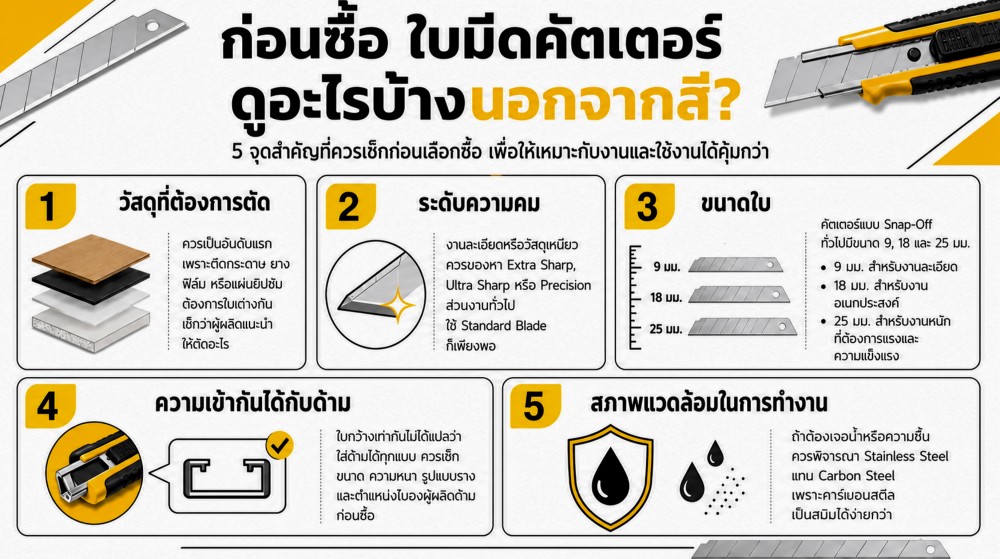
Select Cutter Blade to suit the application