


 EN
 ไทย


Customers Also Purchased
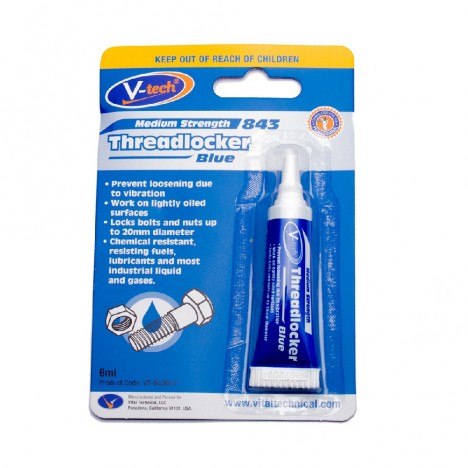
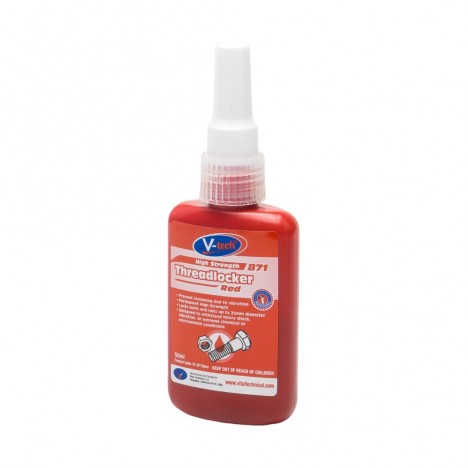
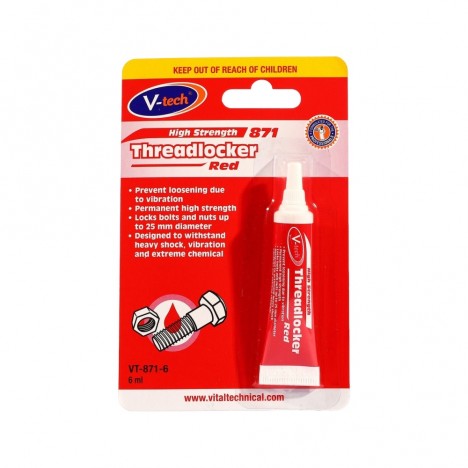
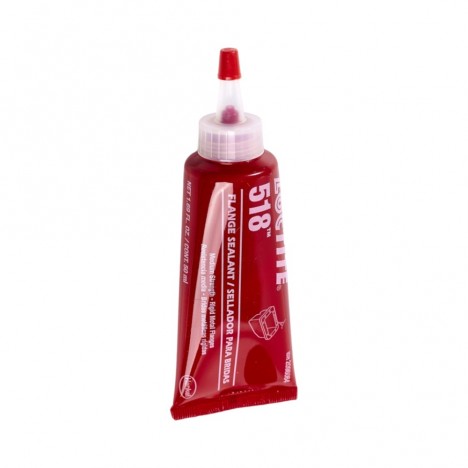
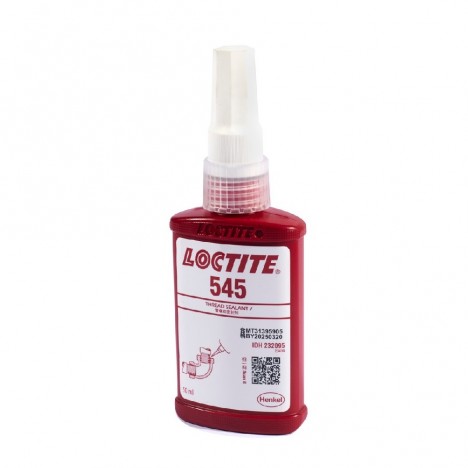
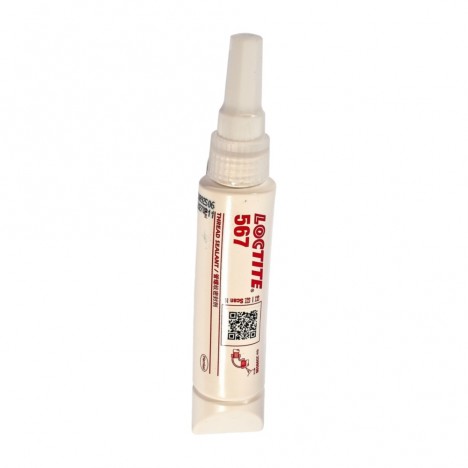
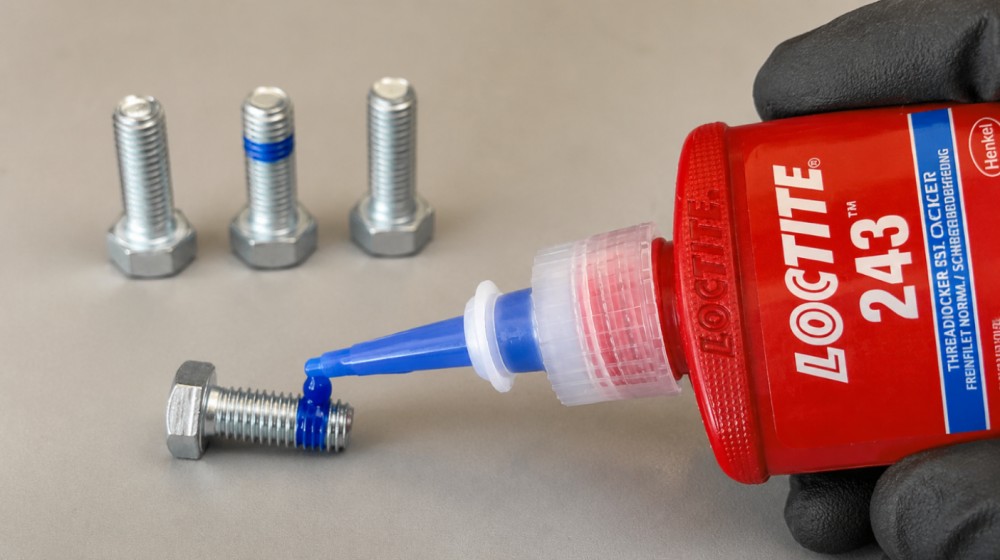
Some bolts seem tight and secure when newly tightened, but after some use, they start to loosen, rattle, or even back out entirely without you realizing it. This is especially true in applications subject to constant vibration, such as machinery, motors, water pumps, fans, or components with repeated rotation and impact.
This issue is not always caused by improper tightening. Even if torqued down correctly, prolonged vibration can cause threads to gradually shift and loosen. This is precisely where "Threadlocker" comes in handy. However, you must understand first that threadlocker is not necessary for every bolt, nor is it a substitute for choosing the correct fastener size or applying proper torque. Used in the right application, it significantly reduces the issue of loose bolts; but used inappropriately, it can create major hassles during future disassembly and maintenance.
What is Threadlocker?
Threadlocker is an adhesive for threaded assemblies, applied to the threads of bolts, screws, or studs prior to assembly. Once the fastener is torqued down, the liquid flows into and fills the microscopic gaps between the male and female threads.
Once cured, it locks the threads securely in place, reducing the chance of fasteners loosening due to vibration, and in some applications, it also helps seal thread gaps. Simply put, threadlocker is designed to "prevent loosening," not to increase the fastener's load capacity like upgrading the steel grade, increasing bolt size, or redesigning the joint. Therefore, if the root cause is stripped threads, undersized bolts, improper tightening, or loads exceeding the design limits, threadlocker is not the primary solution.
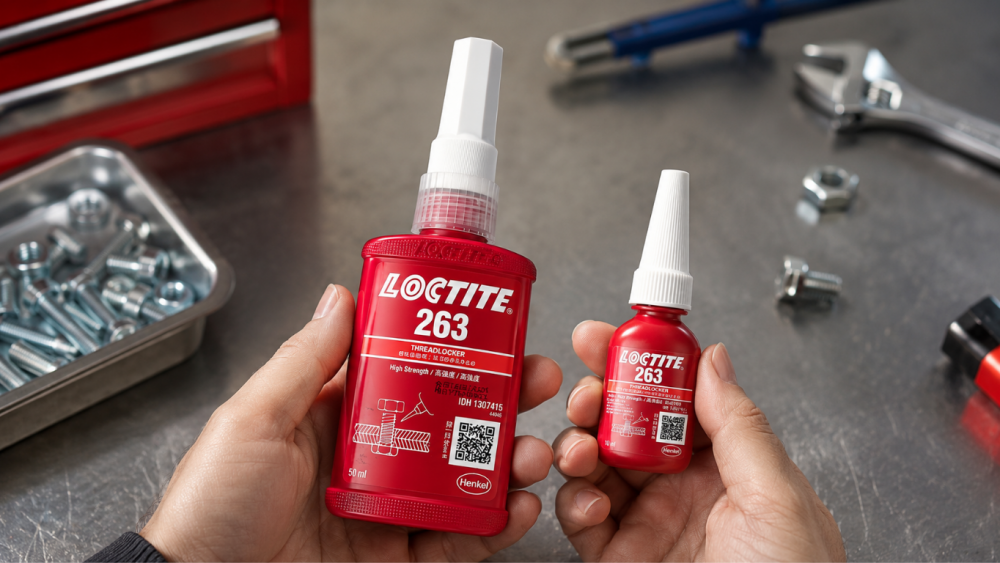
When Should You Use Threadlocker?
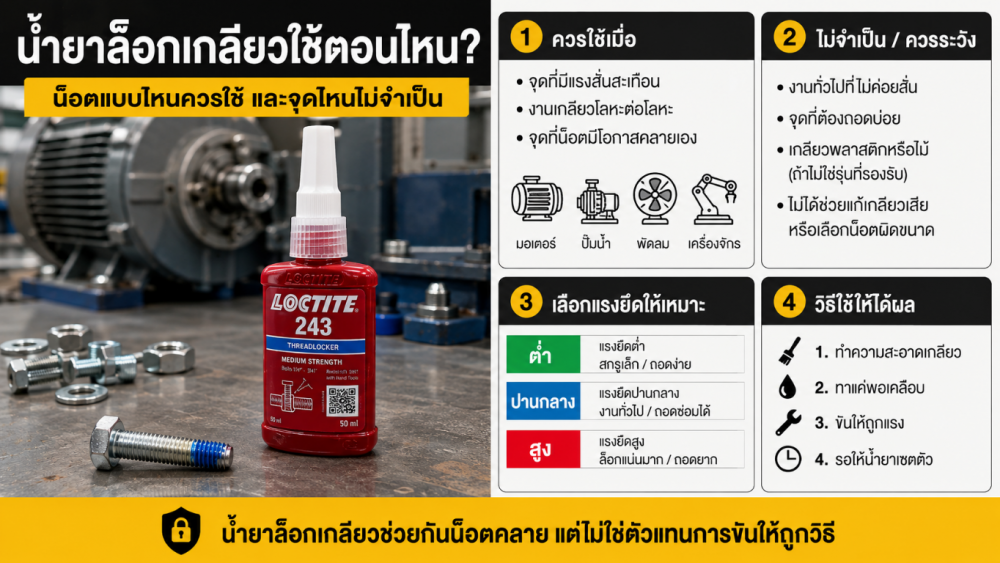
Threadlocker is ideal for fastening points prone to vibration or where bolts tend to back out during operation, such as machinery, electric motors, water pumps, fans, certain automotive components, power tools, or equipment running continuously.
A clear, simple example is motor mounting bolts: they may be torqued tight during installation, but continuous motor operation and vibration can cause them to gradually back out. Another example is machine cover screws that rattle over time because they have lost their original clamp load.
For this kind of application, threadlocker helps threads stay tight, reduces loosening, and minimizes the need for frequent retightening. Another case where it should be used is in spots where a loosened bolt would impact component performance, such as misaligning parts, creating abnormal noise, increasing vibration, or causing collateral damage to surrounding equipment.
Which types of bolts should use threadlocker?
Generally, threadlockers are suitable for metal-to-metal threaded connections, especially for bolts or screws that are not disassembled frequently and are located in areas subject to vibration during operation.
Examples of applications typically suited for threadlocker include motor mounting bolts, water pump mounting bolts, machine component screws, plate mounting bolts, cover screws subjected to vibration, or bolts in equipment that runs continuously for long periods. These fastening points require not only tightness on the day of assembly, but also staying tight after being put into service. Threadlockers are therefore much more suited to these types of jobs than general assemblies without vibration.
However, before applying it, consider whether the component will need disassembly for maintenance in the future. If periodic removal is required, choose a low-strength or medium-strength threadlocker so it can be disassembled with standard hand tools. Do not choose high-strength simply assuming that the tightest option is always best.
Which types of bolts do not need threadlocker?
Many fasteners do not require threadlocker at all, especially in applications without vibration, non-critical locations, or where standard tightening is already sufficient. Examples include general home assembly fasteners, screws that are frequently removed and installed, cover bolts that need regular inspection, leveling bolts, or points with no history of self-loosening. Applying threadlocker here may not offer much benefit and only makes disassembly harder when maintenance is needed.
Another category to watch out for is screws driven into plastic, wood, or non-metallic materials, as many standard threadlockers are formulated primarily for metal threads. If used on plastic or specialized materials, be sure to select a formula clearly designated as safe for that specific material.
Choose the right strength—do not always opt for the highest strength
Threadlockers come in several strength grades, primarily low strength, medium strength, and high strength. Each grade is suited to different applications.
- Low-strength types are suitable for small screws or applications requiring light anti-loosening while still allowing easy disassembly.
- Medium-strength types are suitable for general applications where you need to prevent bolts from loosening due to vibration, while still retaining the ability to disassemble for future maintenance. This is the most versatile category and ideal for general maintenance work.
- High-strength types are suitable for applications requiring heavy-duty locking that rarely need to be taken apart. Think carefully before using these, as removal will not be easy and may require heat or specialized removal methods.
A common mistake is assuming that "going with high-strength just to be safe is better," but that is not always true in practice. If it is a spot that needs periodic servicing, excessive strength can strip bolt heads, damage threads, or make disassembly unnecessarily difficult. Therefore, choose based on the nature of the application, not on the mindset that the tightest is always best.
How to use threadlocker effectively
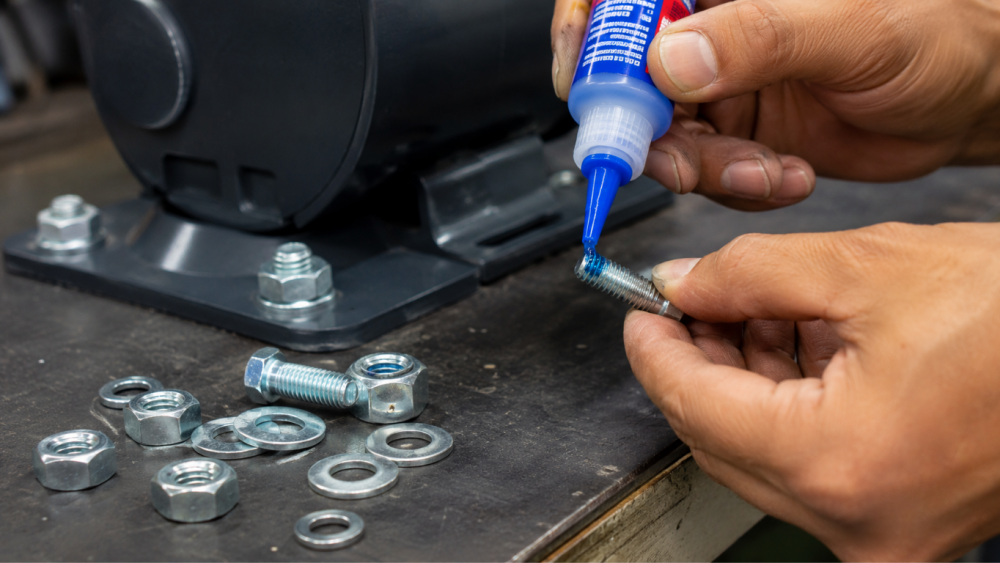
Always clean the threads before applying threadlocker, as oil, grease, dust, or rust can prevent the compound from bonding properly. Even though some formulas are engineered to tolerate oily residues, cleaning the surfaces beforehand is still strongly recommended whenever possible.
When applying, there is no need to use so much that it messes up the whole bolt; apply just enough to coat the engaged threads. Then tighten to the specified torque and allow the compound to cure according to the manufacturer's specified time. Most importantly, do not assume that using threadlocker allows you to leave bolts loosely tightened. The compound is a supplementary aid, not a substitute for proper torque. Always tighten the bolt correctly according to the application's torque specs first, and let the threadlocker minimize the risk of loosening during operation.
Common mistakes when using threadlocker
- Using the wrong strength grade Choosing high-strength threadlocker for parts that require regular maintenance disassembly makes the job extremely difficult when it comes time to take them apart, requiring excessive force and risking stripped bolt heads or damaged threads.
- Applying to dirty threads If covered in oil or grease, the threadlocker may not perform to its full potential, and eventually, the bolt will still loosen just the same.
- Applying more than necessary Many people think that applying more means a tighter hold, but in reality, applying too much doesn't necessarily improve results. Moreover, it messes up the workpiece and causes unnecessary waste.
- Using threadlocker to cover up problems that should be solved in other ways Such as loose threaded holes, damaged threads, incorrect bolt sizes, or workpieces subjected to excessive loads. In these cases, you should fix the root cause of the fastening problem first, rather than relying solely on threadlocker to help.
Can threadlocker replace spring washers?
The answer depends on the application. Some jobs can use threadlocker instead of spring washers, some may use both together, and some may require other locking methods, such as lock nuts, lock washers, or specific methods specified by machine manufacturers. Therefore, you shouldn't assume that threadlocker can replace spring washers in every case, because each application involves different vibration levels, bolt sizes, materials, heat, and disassembly requirements.
For general applications, threadlocker works very well. However, for safety-critical jobs, heavy machinery, automotive work, or areas where manufacturers provide clear specifications, you should primarily follow the manual or manufacturer's recommendations.
Threadlocker is great, but not necessary for every bolt
Threadlocker It is suitable for applications where bolts are prone to loosening from vibrations, such as machinery, motors, water pumps, fans, metal parts, or fastening points that need to stay secure continuously after assembly. However, it is not necessary for every bolt—especially in spots that don't vibrate, don't loosen easily, or require frequent disassembly, as it could make maintenance unnecessarily difficult.
Before use, you should clearly consider whether that point experiences vibration, how often it needs to be disassembled for maintenance, whether it involves metal threads or other materials, and what level of strength is required. If chosen correctly, used properly, and assembled the right way, threadlocker is a handy solution that strengthens fastening, reduces bolt-loosening issues, and helps equipment run more smoothly in the long run.