


 EN
 ไทย


Customers Also Purchased


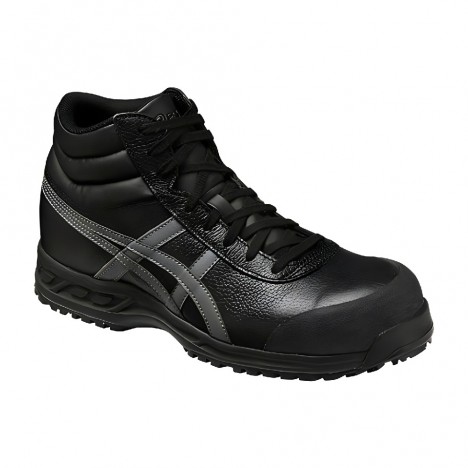
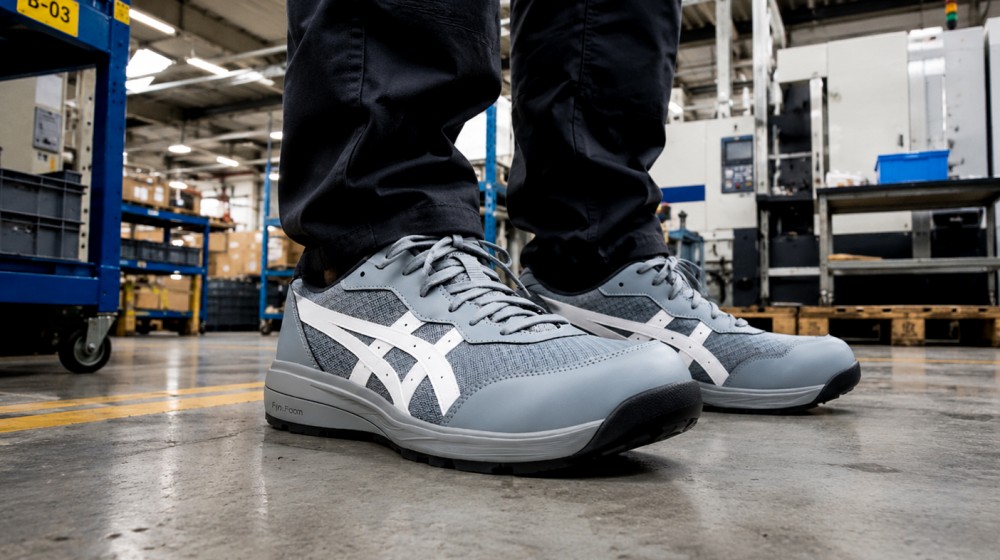
Safety shoes are personal protective equipment well-known among workers in factories, warehouses, construction, or various industries. Their primary role is to protect feet from dropped heavy objects, sharp materials, nails, and slippery floors.
However, for those who must wear them all day, safety alone is not enough, as shoes that are heavy, stiff, or poorly fitted can lead to heel pain, knee pain, or back pain in the long run. Therefore, choosing Safety Shoe a good pair should involve looking beyond just "steel toe" or "slip resistant," and considering weight, shape, sole cushioning, breathability, and proper fit. The right pair of shoes is not just safe, but also comfortable enough to work in all day.
Why do safety shoes for all-day wear require more careful selection than usual?
Standard safety shoes are often viewed as needing only toe protection and durability for work conditions. In reality, shoes worn for short periods feel vastly different from those worn continuously for hours each day. Shoes that are too heavy, narrow in the forefoot, or poorly ventilated can cause fatigue buildup, pinched and sore feet, or excessive sweat and unpleasant odors.
All-day workers do not just stand in one place; they walk, lift objects, climb ladders, bend, squat, and perform repetitive movements constantly. When feet ache or become severely fatigued, wearers may unconsciously adopt poor posture—such as walking with uneven weight distribution or tensing up to avoid painful spots—which places extra strain on other parts of the body.
That is why brands like Skechers and ASICS have integrated athletic shoe technologies into safety footwear, incorporating shock-absorbing soles, breathable materials, and structures that help reduce foot fatigue throughout the day.
Therefore, if you need to wear safety shoes all day, the question shouldn't just be "Are they safe?" but also "Can I comfortably spend the whole day in them?" Can I handle long walks? Is the forefoot pinched? Does the sole provide sufficient shock absorption? These questions will help you select shoes that truly meet your needs.
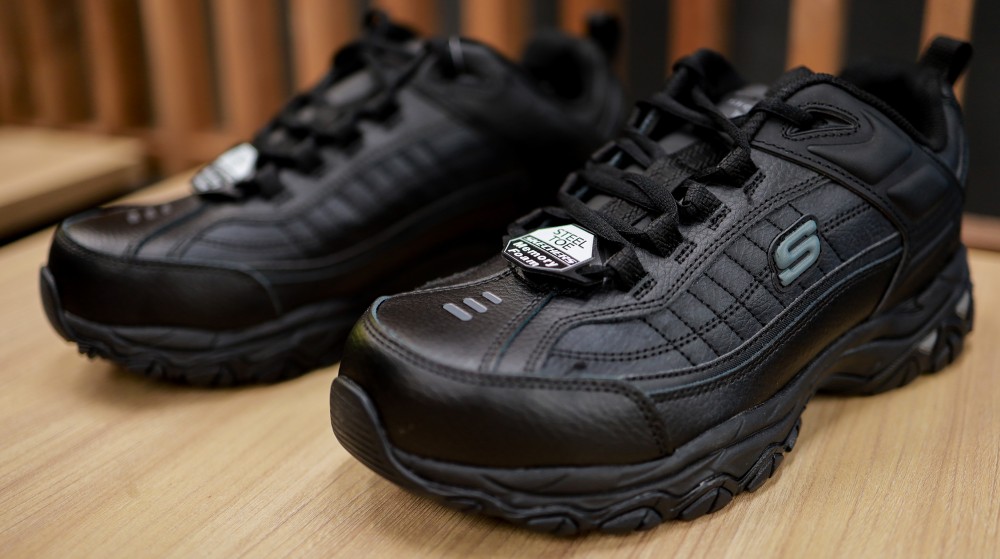
Shoe weight: light enough for all-day wear
Some safety shoes are very sturdy, but correspondingly heavy, which is suitable for certain heavy-duty tasks. However, if you need to walk or move around all day, overly heavy shoes will cause fatigue quickly.
Nowadays, many safety shoe models are much lighter by using composite toe caps instead of steel toe caps and lighter sole materials, while still retaining all safety features. Nonetheless, you should choose according to your job: if your work involves lots of walking or takes place in a warehouse, lightweight and flexible shoes will help significantly; but for heavy construction work, sturdiness must still come first.
The toe box must not pinch
Safety shoes with a narrow toe box might feel only slightly snug at first, but when standing or walking for extended periods, feet naturally swell a bit, causing the shoes to pinch even more, which can lead to toe pain, forefoot aches, or bruised nails. When trying them on, wear the actual socks you use for work and try walking and bending your knees to see if your toes bump against the toe cap. Your toes should be able to wiggle slightly without feeling cramped, but the shoes shouldn't be so loose that your feet slide around, as that can cause heel blisters.
The insole must provide good foot support
The insole supports your weight throughout the day. If it is too hard or flat, it can cause heel pain or quicker fatigue, especially for those standing in one place for long periods. Choose an insole with just the right amount of cushioning, good arch support, and without collapsing so much that you lose balance. If buying aftermarket insoles, factor in the space inside the shoe, as overly thick insoles can make the shoes feel tight.
The outsole must suit the job site conditions
Job site ground conditions vary: some are wet, some have oil, and some are rough. Therefore, choose outsoles tailored to your actual working environment. For wet or slippery areas, select tread patterns that channel water and improve grip. For oily surfaces, check if the outsoles are oil-resistant. For jobs with sharp debris, consider outsole thickness and puncture-resistant properties. And for those walking all day, the soles should be sufficiently flexible, neither too stiff nor too soft.
Breathability is crucial, especially in hot weather
Safety shoes with poor ventilation can cause stuffy feet, sweat buildup, and unpleasant odors, especially for people wearing them 8–10 hours a day. Leather safety shoes are durable, but they generally offer less breathability than fabric-based models. If your work is indoors or in a warehouse, you can opt for models with better breathability and lighter weight. But if your work involves water, oil, or sparks, prioritize safety first, then look for models that are still reasonably comfortable.
Safety shoe collar height must match the job type
Safety shoes come in low-cut, mid-cut, and boot styles, each suited for different tasks. Low-cut shoes are lightweight and agile, ideal for lots of walking or indoor work. Mid-cut shoes provide good ankle support, perfect for uneven terrain or construction, though they are warmer and heavier. Boots are ideal for wet or muddy conditions, but wearing them all day on dry ground can cause unnecessary stuffiness and fatigue. Choose based on your actual work, not just the style that looks most protective.
The fit must be just right—not too tight, not too loose
Different safety shoe models have different shapes, even in the same size; looking at just the size number might not be enough.
- Tight shoes → Forefoot pain, aching toes, pressure points during prolonged wear
- Loose shoes → Foot slippage, heel chafing, unstable gait
Measure your actual foot length and compare it to the size chart for that specific model. If you have wide feet, opt for extra-wide fit models, and if you wear thick socks, make sure to factor them in when trying the shoes on.
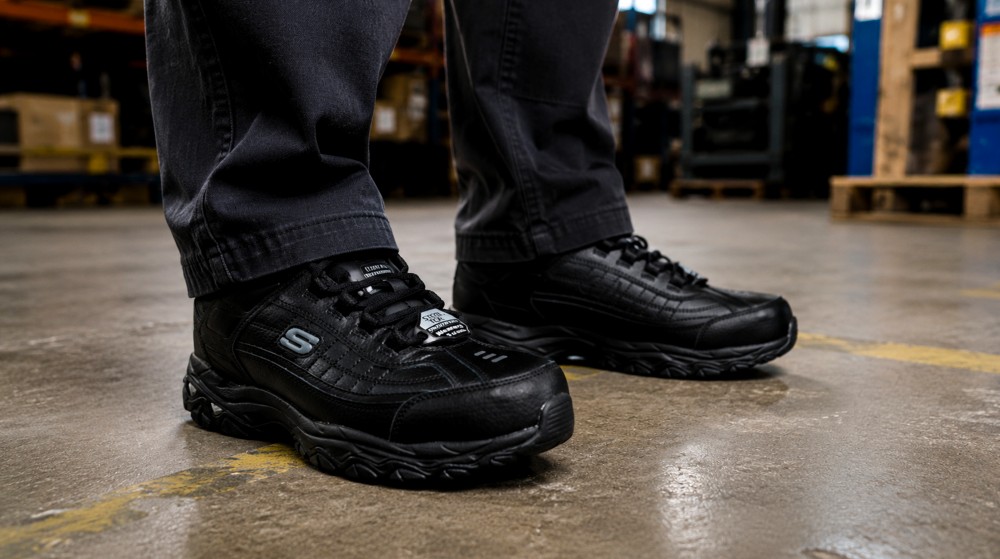
- Make sure you know! What is the difference between EH, ESD, and Anti-static in safety shoes?
Upper material must suit the work and weather conditions
Genuine leather is durable and easy to maintain, but may take some time to break in and mold to the shape of your feet. Synthetic materials or textiles are lighter, more breathable, and comfortable right from the start, but you must ensure they can withstand your work conditions. If your job involves sharp objects or frequent abrasions, choose sufficiently durable materials. If your work mainly involves indoor walking, you might opt for lighter and more breathable materials. If your job involves water, consider waterproof capabilities as well, because shoes that get wet frequently and dry slowly will deteriorate faster and develop odors.
Flexibility of safety shoes is crucial for work that requires bending or crouching
Many types of work require bending, crouching, squatting, or climbing up and down. Overly stiff shoes will hinder movement, making walking unnatural and causing faster fatigue. When trying on shoes, you should walk, bend your knees, and flex your toes to check if the shoes pull or pinch anywhere. However, flexibility should also be balanced; shoes that are too soft or twist too easily may lack sufficient stability for heavy-duty work or uneven terrain.
Don't overlook socks
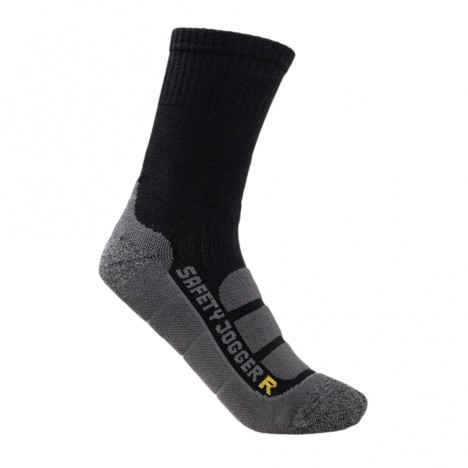
Socks have more of an impact than you might think. Socks that are too thin offer little friction reduction, while overly thick socks make shoes feel tight, and poor breathability leads to sweaty feet. Choose socks that wick away moisture well, lack thick seams that press on your toes, and change them daily, especially for those working in hot climates, as accumulated moisture is the main cause of odor and foot discomfort.
Standing all day: prioritize cushioning and fatigue reduction
Standing in place for long periods causes pressure to continuously accumulate in the heels and soles, unlike walking where weight shifts constantly. Choose safety shoes with insoles that provide good support, heels that are not too stiff, and adequate shock absorption. Additionally, allow some room in the shoes, as feet tend to swell slightly after standing for a long time, making shoes that are tight to begin with even more painful in the afternoon.
Lots of walking: prioritize lightweight build and walking comfort
Those who walk all day—such as warehouse workers, logistics staff, or site inspectors—should prioritize lightweight design and sole flexibility first and foremost, as every step requires carrying the weight of the shoes. Choose shoes with a snug fit, a heel that holds the foot securely, good traction on the outsole, and sufficient flexibility for a natural gait. If the heel is loose, prolonged walking will cause friction and blisters.
Specific hazard risks: choose features suited to the task
Safety shoes offer various features such as protective toe caps, anti-penetration plates, oil-resistant outsoles, and anti-static properties. Choose them based on the actual risks of your work, rather than relying solely on comfort or appearance.
Safety shoes that are great for one job may not be suitable for another; for example, lightweight, breathable shoes may be ideal for a warehouse, but not for environments with sparks or hot metal debris.
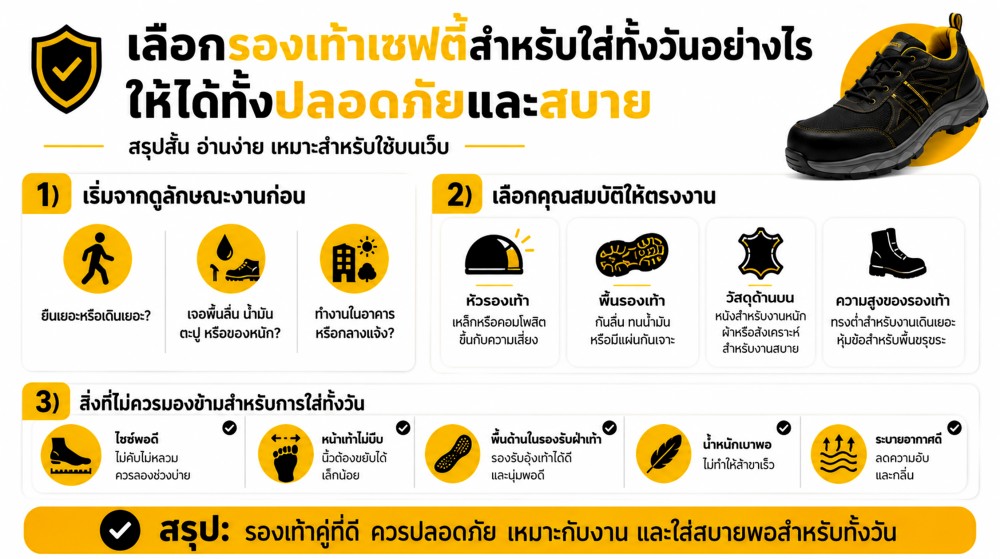
Select Safety Shoe to fit your needs