


 EN
 ไทย


Customers Also Purchased
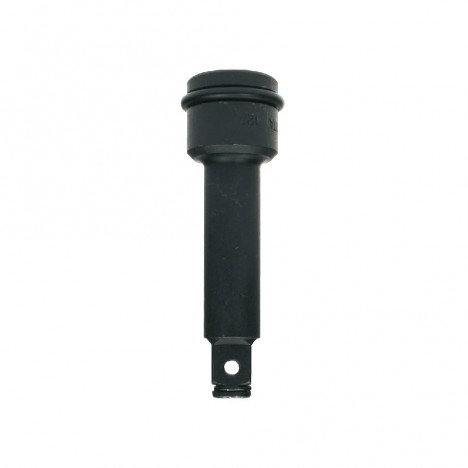
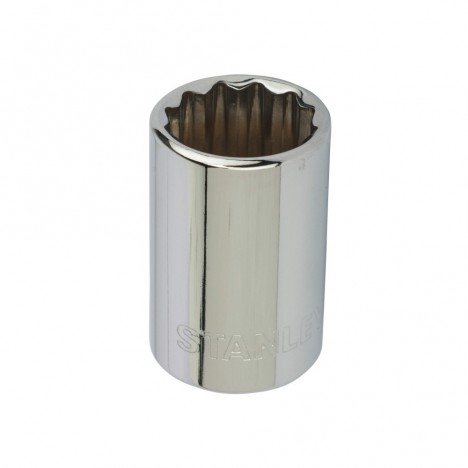
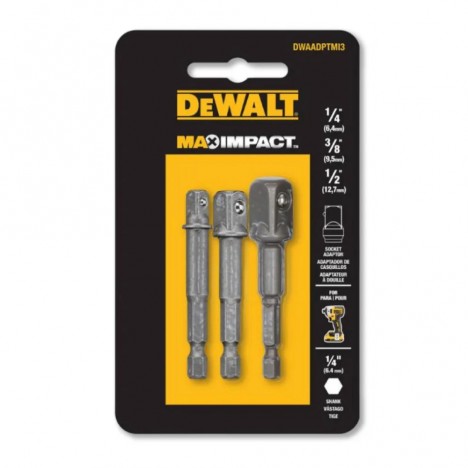
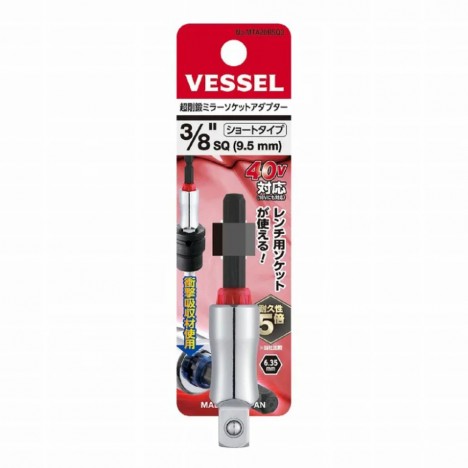
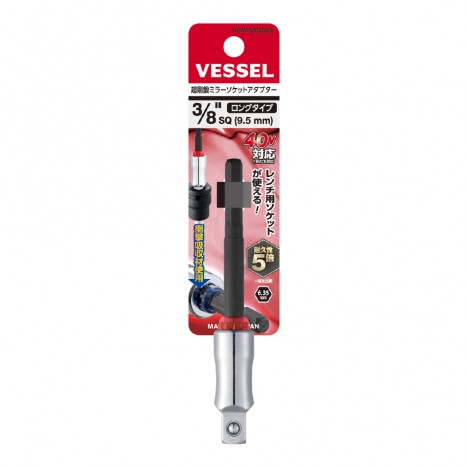
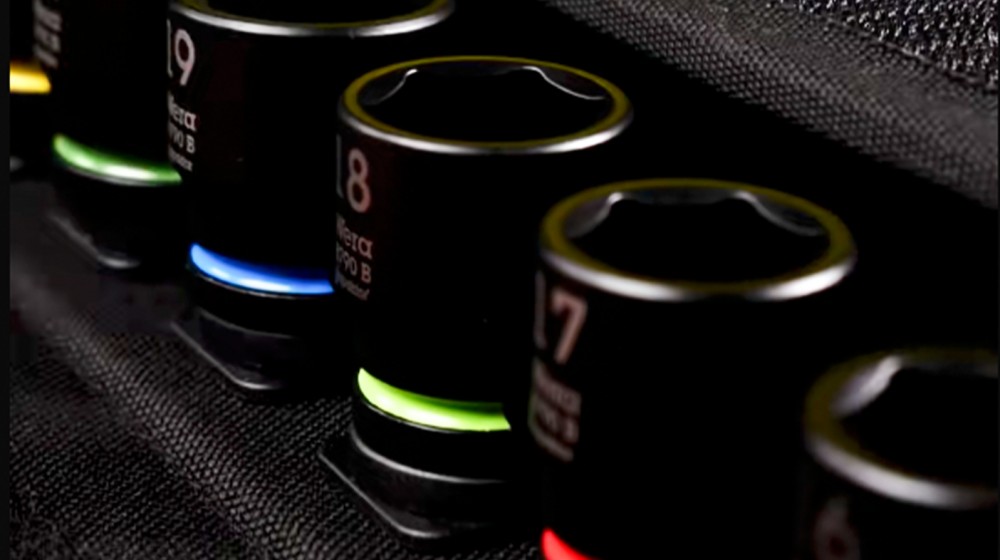
When you choose to buy Socket Bits Have you ever noticed the markings DIN or ANSI stamped on the side of toolboxes or packaging, leaving many to wonder what the difference really is between the two? Does it affect durability? In reality, it serves as a "common engineering language" used to strictly regulate everything from size, profile, and tolerances to safety during operation.
Neither is inherently "better" or "worse". Rather, knowing how to read these specifications helps us understand how a tool was designed and tested. To break it down simply into camps: DIN (European side) is the powerhouse standard originating from Germany and Europe; ANSI (American side) is the standard system from the US. But here's a little tip... In short, whether it carries a DIN or ANSI marking, you can rest assured that the socket has passed international testing standards and is definitely not poorly cast, off-center steel!
What are DIN and ANSI sockets, explained simply without getting overly academic?
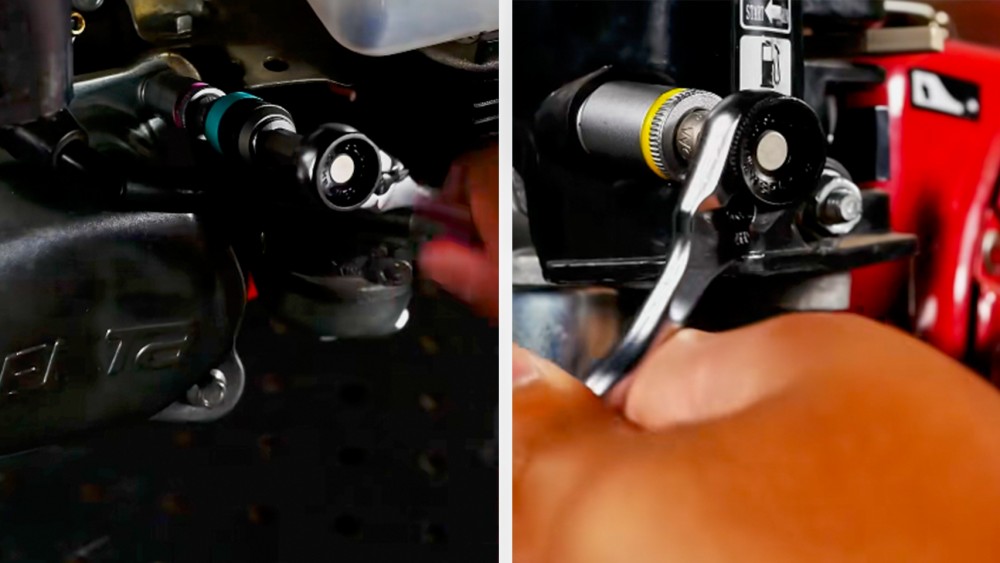
European Side (DIN & ISO)
- DIN 3120 regulates the specifications of square drive ends (the end inserted into the socket).
- DIN 3122 regulates specifications for drive handles, ratchets, and similar tools.
- DIN 3124 regulates the specifications for socket openings (the end that fits over the bolt head). European brands primarily adhere to this set of rules, and many also align with global standards like ISO for seamless worldwide sales and use.
American Side (ASME / ANSI)
So, how do DIN and ANSI sockets differ?
The most accurate answer is that they differ in their sets of reference specifications, not necessarily in ways obvious to the naked eye. A DIN socket and an American-standard socket may look so similar that an average person cannot tell them apart. However, at the engineering level, differences may lie in measurement systems, reference dimensions, tolerances, testing procedures, and the formal standard documents used during manufacturing or certification.
- DIN originated in Germany and serves as the primary standard in Europe, while ANSI/ASME is native to the American side. Therefore, their foundational concepts and designs naturally align with the systems familiar to technicians in each respective region.
- Metric vs. Imperial: DIN sockets typically use "millimeters" (such as sizes 10, 17), while American standards are rooted in "inches or fractions" (such as 3/8", 1/2"). Honestly, the most common pitfall for mechanics isn't arguing over which standard is better, but simply grabbing the wrong unit of measurement!
- Dimensional accuracy: The two camps specify tolerance, thickness, and depth slightly differently. For us as users, it simply means that if a tool follows these standards, it will "fit the bolt head perfectly," won't slip when tightening, and is durable—not loose or wobbly like no-name brands.
- Durability Testing: Both DIN and ASME enforce rigorous performance and safety tests. When brands stamp these markings on a socket, it serves as proof that "this tool has been tested and isn't just haphazardly cast metal."
- Match Your Ecosystem: In conclusion, neither is superior to the other! If you work on European vehicles or metric machinery, you'll be more familiar with DIN/ISO standards. But if you deal with American vehicles or equipment, you'll mainly encounter ANSI/ASME. It all comes down to choosing the tool that properly matches your job requirements and surrounding equipment.
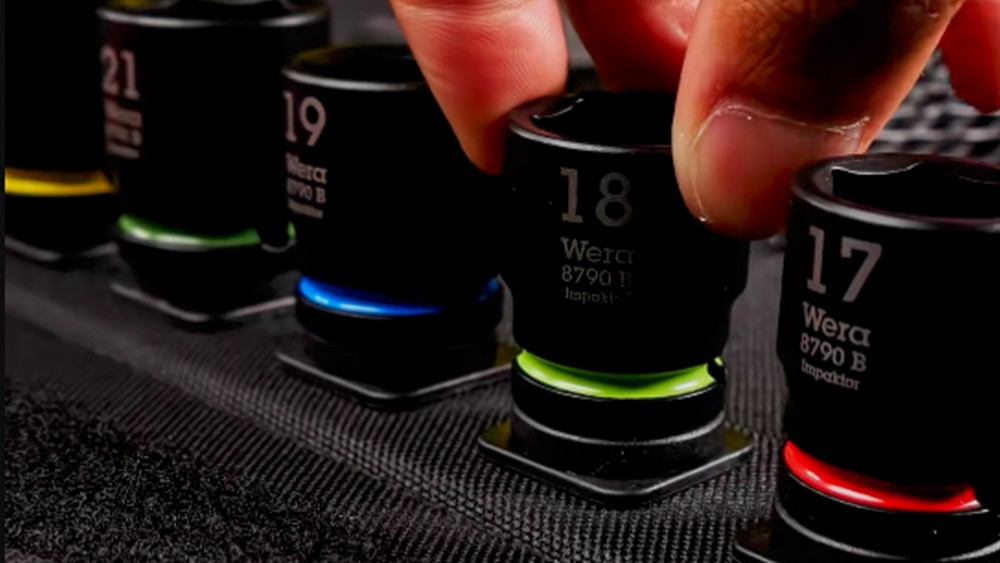
Common Misconceptions: DIN does not always mean superior, and ANSI does not always mean tougher.
This is a frequent point of debate among tool buyers. Some assume DIN is European, so it must be more precise, while others think ANSI is American, so it must be tougher. In truth, a standard is not a score of superiority, but a reference framework. It specifies how a product was designed and inspected under certain criteria; it does not automatically guarantee that every DIN-marked socket is better than every ASME/ANSI-marked one, or vice versa. Actual quality still depends on the material, forging, heat treatment, process control, and the manufacturer's integrity.
Put another way, a standard is the baseline minimum, not the ceiling of quality. Two sockets may reference similar standards, but one made from better steel, with more consistent heat treatment and tighter dimensional controls, will feel significantly different in real-world use. Therefore, when purchasing, do not rely solely on the DIN or ANSI marking—consider the brand, materials, intended application, and the manufacturer's reliability alongside it.
What do DIN and ANSI have to do with 6-point vs. 12-point sockets?
Although this is a separate topic, people often get them confused because seeing a standard often leads them to immediately associate it with the socket's geometry. The truth is that DIN/ANSI are reference standards, whereas 6-point / 12-point refers to the geometry of the socket opening—entirely different layers of information. However, the two connect in that standards help define dimensions and specifications for these geometries to make them more consistent.
For the average user, just remember it like this: 6-point sockets are suitable for high-torque jobs because they grip more firmly on the flat sides of the fastener head, reducing the risk of rounding off corners. On the other hand, 12-point sockets are easier to engage in tight spaces because they can seat at 30-degree increments, whereas a 6-point socket must be rotated every 60 degrees. Therefore, when reading specifications, do not confuse the term DIN or ANSI as indicating whether it is 6-point or 12-point; they must be viewed as separate lines of specifications.
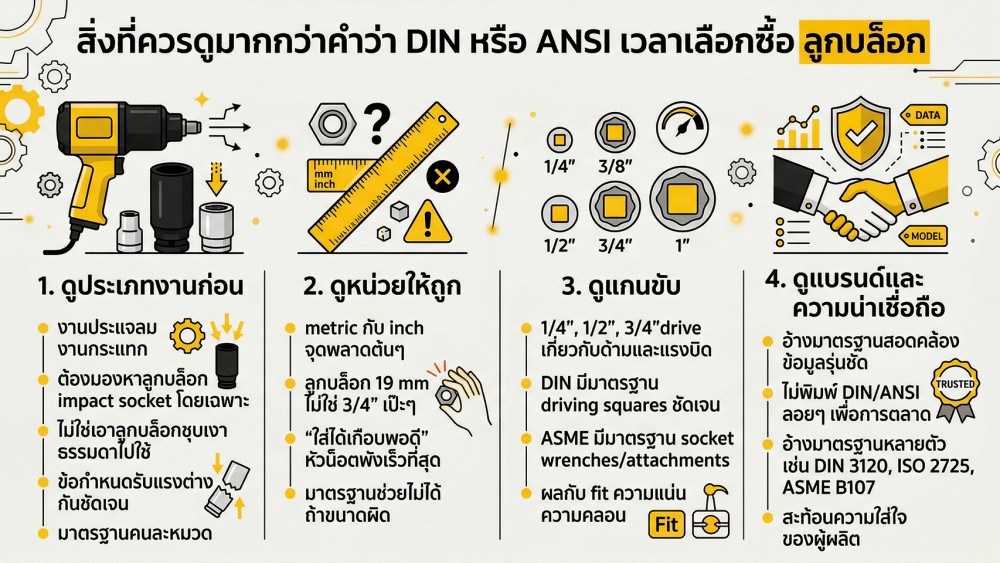
What does it mean if you see both "DIN/ANSI" on a socket set box?
Don't be confused! Nowadays, the hand tool market is global. Many manufacturers design their tools to meet standards from both sides. For example, the drive head may strictly follow DIN specifications, while durability and safety also pass ANSI standards, giving you a single set that offers ultra-comprehensive usability.
But wait... here's a handy tip for evaluating tools! When reading the specs on the box, pay close attention to the wording. If you see phrases like "Based on..." or "Manufactured to...", it sometimes doesn't mean an international organization personally inspected and certified every single piece. Most of the time, the manufacturer purchased the standard manuals as guidelines and then designed and tested the tools internally in their factory.
Conclusion from real users: The letters DIN or ANSI are merely the first layer for filtering reliability. But ultimately, whether that tool will stay in your hands for a long time depends on considering "the brand's reputation, the materials used, and real-world user reviews" together. That's the surest way!
Summary
Finally, if someone asks, "What's the difference between DIN and ANSI sockets?" The simple answer is they differ in their reference standards, dimensional details, tolerances, and the market contexts in which they are used. It's not a difference you will feel immediately upon picking up every single socket, but it affects tool compatibility, precision, and long-term reliability. For those who understand this, the next time you buy a socket set, you won't just look at the price—you'll know how to see whether that tool has a "foundation of quality." That is the information gain that many sellers don't fully explain from the start.
Select Socket Bits to suit the application