


 EN
 ไทย


Customers Also Purchased
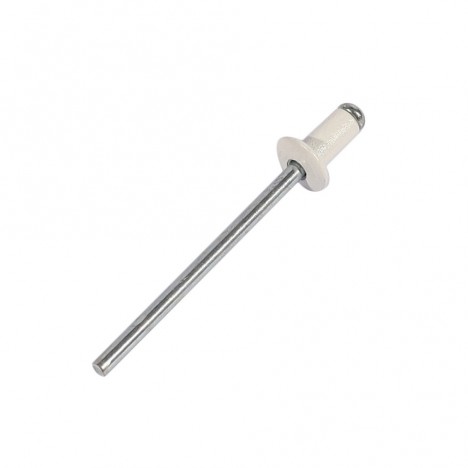
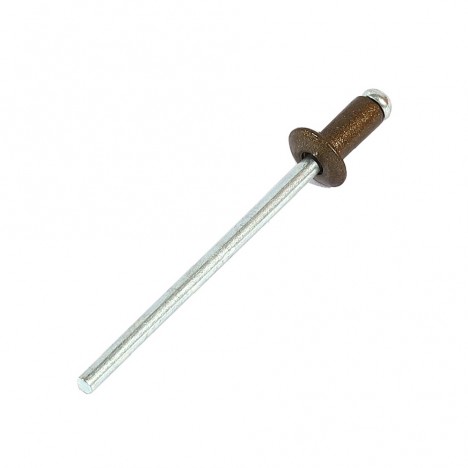
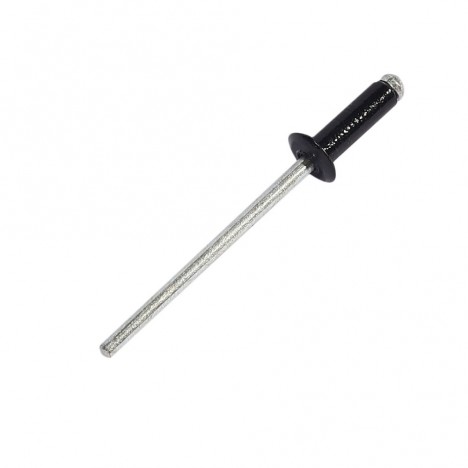
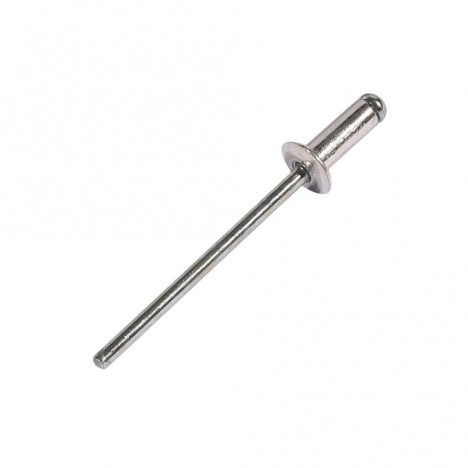
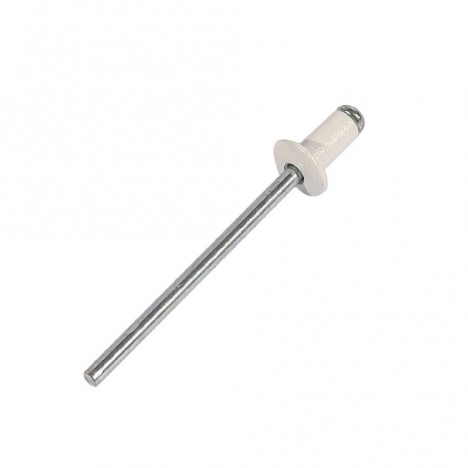
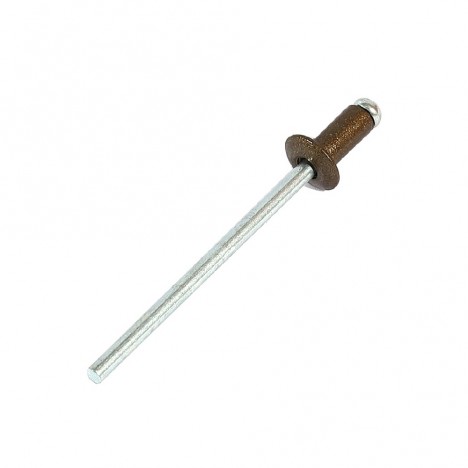
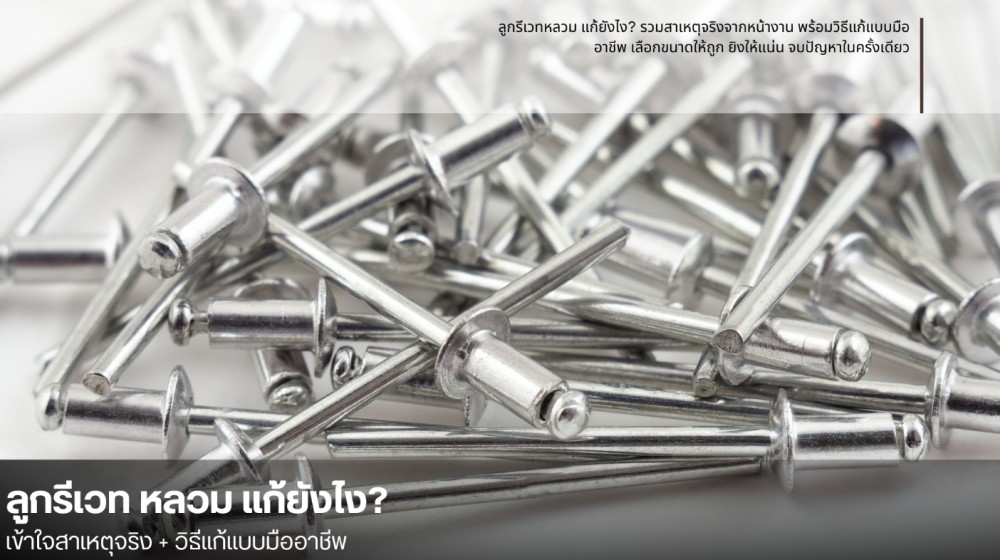
If you have ever installed Blind Rivet ...and feel that "it's still not tight" even though you followed every step correctly? You're not the only one dealing with this problem. In real-world work—whether it's DIY projects, repairs, or even in factory settings—the issue of "loose rivets" happens very frequently. More importantly, many people fail to resolve it permanently because they treat the symptoms rather than tracing back to the root cause.
What makes this interesting is that rivets seem simple to use, but in reality, they rely on "the fit of the entire system"—from rivet size and hole diameter all the way to the installation technique. If any single point is off, even slightly, the results will differ immediately. That's why some people get a tight fit on their first try, while others constantly have to redo their work.
This article will guide you from the essential basics to professional on-site troubleshooting methods without any guesswork. Most importantly, once you finish reading, you will know "what to fix first" to solve the problem for good, not just temporarily.
How Do Rivets Actually Tighten? Understand the Mechanism First to Avoid Misguided Fixes
Before talking about solutions, let's briefly understand how a rivet works, because this is where many people get it wrong. A rivet doesn't get tight because you squeeze or pull with sheer force, but because "its structure locks itself properly."
When you set a rivet, the mandrel is pulled until the blind end expands and clamps the two materials together. If everything fits—the size, material thickness, and drilled hole—the clamping force distributes properly, creating a tight joint without needing excessive force.
However, if anything in this system is wrong—such as the rivet being too short, the hole too loose, or the pull incomplete—the expansion won't be fully formed, the clamping force won't be sufficient, and in the end, it will "look tight, but isn't actually locked." This is why "pulling harder" usually doesn't help at all—the problem isn't about force, but rather the fit of the entire system.
Main Causes of Loose Rivets
To put it simply, this problem usually comes down to 3 main interdependent factors: "Rivet Size – Hole Size – Installation." If any single factor fails, the result is always the same: a loose joint.
Starting with "rivet size," which is the most common mistake. Every rivet has a usable range called the grip range, which is the material thickness range it can properly fasten. If you use a rivet that's too short, it won't expand far enough at the back, resulting in no clamping force. But if it's too long, it expands loosely—like tying a loose knot—which ultimately won't hold tight either.
Next is "hole size," which many overlook even though it's crucial. Rivets rely on pressing against the hole wall to generate holding force. If the hole is too large, even by a tiny bit, there won't be enough friction, allowing the rivet to shift. That slight movement is the very looseness you feel.
Finally, there's "installation," which isn't just about pulling hard, but completing the process properly. If the mandrel doesn't snap when it's supposed to, or the tool lacks sufficient pulling power, the rivet will only partially expand, preventing it from locking fully.
Loose Rivets Like This: What's the Cause?
On the job, we don't always have time to troubleshoot everything from scratch. Observing the "symptoms" to identify the rough cause will help you fix it much faster. Try checking these signs every time:
- Rivet spins inside the hole → Hole was drilled too large in the first place
- Rivet wobbles up and down → Rivet grip length does not match material thickness
- Tight at first, but loosens over time → Rivet material is unsuitable for the applied load
- Front head looks fine, but the back didn't expand fully → Incomplete pull stroke or insufficient tool power
Once you learn to read these symptoms, you won't need trial and error anymore; you'll know exactly what to fix first.
Effective Ways to Fix Loose Blind Rivets
When fixing the issue, do not immediately rush to re-rivet. Instead, look back to identify the root cause and address it at the source.
If the issue stems from sizing, what you should do is choose a new rivet that matches the actual material thickness. Measuring the thickness and selecting the correct grip range ensures that the rivet expands in the proper position automatically.
If the issue is caused by the hole and redrilling is not an option, a practical solution is to increase the clamping surface area, such as using a backup washer on the backside to provide more bearing surface for the rivet. However, if the hole is excessively enlarged, starting over is usually the better choice in the long run.
In cases involving installation, check your tool and setting stroke. The tool must have sufficient pulling force, and you must pull through until the process is fully completed—not stopping just because it feels tight. Additionally, keeping the rivet perpendicular from the start is crucial, as tilting causes incomplete backside expansion.
Blind Rivet Size Selection Chart
| Total Material Thickness | Recommended Rivet Size |
| 1–2 mm | 3.2 mm |
| 2–4 mm | 4.0 mm |
| 4–6 mm | 4.8 mm |
| 6–8 mm | 6.4 mm |
The simple rule of thumb is to choose a size that is "an exact fit or slightly longer"; this is better than too short, because if it is too short, it can never expand and lock completely.
Which type of rivet should you choose to avoid this problem again?
Often, the problem is not with the installation, but stems from selecting the wrong fastener from the start. If you understand the job requirements and select appropriately, the problem will be eliminated before it even begins.
- General / DIY work → Blind rivets are easy to use and sufficient
- Applications with load or vibration → Structural rivets should be used
- Light-duty work → Aluminum is easy to set
- Heavy-duty work → Stainless steel or steel is more durable
Do not choose based on convenience alone; prioritize the "load that the application must withstand."
How much does the rivet tool matter? Why do some get a tight fit while others don't?
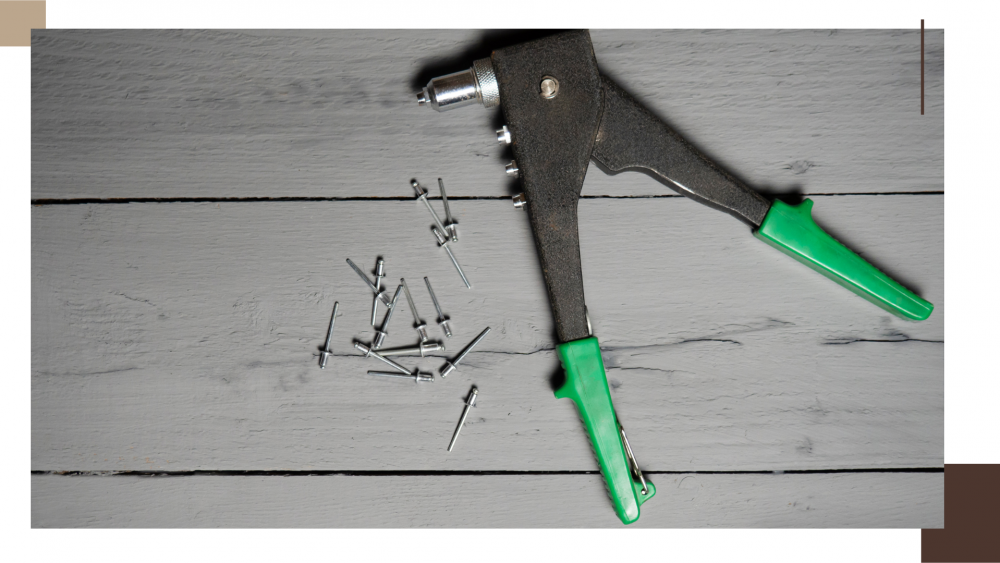
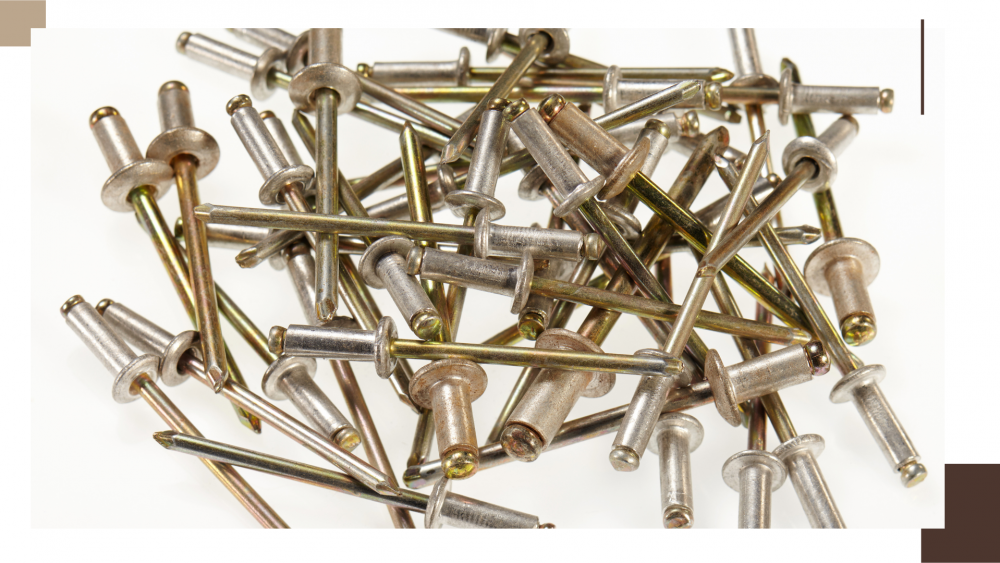
The tool is another variable that directly affects the outcome, especially when you start using harder or larger rivets. A standard hand riveter may lack the pulling power, causing the mandrel not to be pulled all the way through and resulting in incomplete rivet expansion.
In contrast, pneumatic or cordless riveters deliver greater, more consistent power, ensuring a more reliable installation—especially for applications requiring serious joint tightness. If you encounter problems even though the size and hole are correct, yet the rivet remains loose, check your tool, because sometimes the issue lies right there.
Common Misconceptions About Blind Rivets
There are certain beliefs that keep many people stuck with the same issues, such as thinking that applying more force will help, or that using a larger rivet is always better—which is only true in some cases.
A quick summary to keep in mind is:
- Rivets don't hold tight through force, but through proper fit.
- Upsizing without fixing the root cause can make the problem worse.
- Different types of rivets cannot be used interchangeably for every job.
Understanding this will allow you to stop guessing and start troubleshooting systematically.
Pre-Riveting Checklist
Before getting started, take a few seconds to run through this quick check:
- Actual material thickness has been measured
- The rivet matches the appropriate grip range
- The hole fits properly and is not oversized
- Surfaces are flush and tightly clamped together
- The riveter is ready to use
Checking off just these 5 points will significantly reduce the chance of errors.
Frequently Asked Questions About Blind Rivets (FAQ)
Can glue help fix a loose rivet?
: Only temporarily; it is not suitable for load-bearing applications.
Why does the mandrel not break off when setting a rivet?
: This is usually caused by insufficient tool power or the rivet material being too hard for the tool being used.
Rivets vs. bolts: which holds tighter?
: It depends on the application. Rivets are suitable for permanent fastening, while bolts are suitable for applications requiring disassembly.
How to remove a rivet without damaging the workpiece?
: Use a drill to drill out the rivet head, then carefully push out the mandrel.
Conclusion
Ultimately, Blind Rivet Looseness isn't complicated; it's a matter of small details that must "fit together perfectly." If you choose right, prepare right, and install right, the rivet will lock securely without guesswork.
However, if you get it wrong from the start, no matter how you fix it, the problem will always recur. Shifting from "trial and error" to "analyzing before fixing" is what noticeably improves your work—both in terms of quality and time.