


 EN
 ไทย


Customers Also Purchased
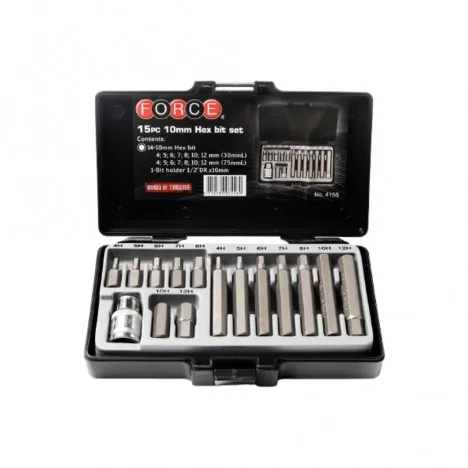
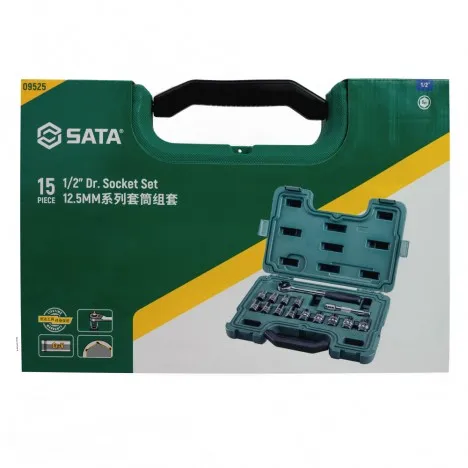
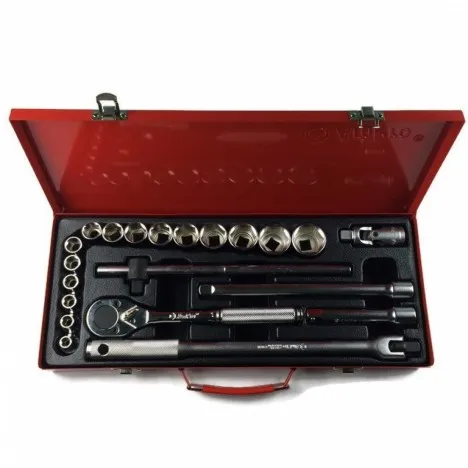
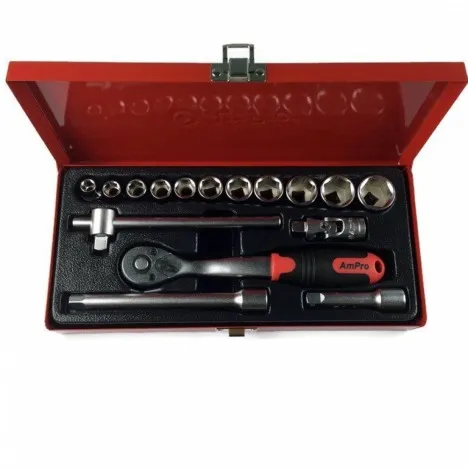
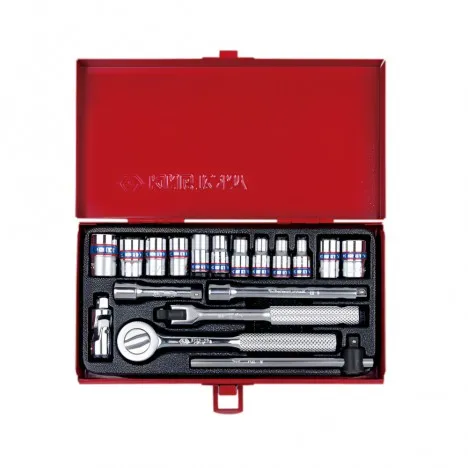
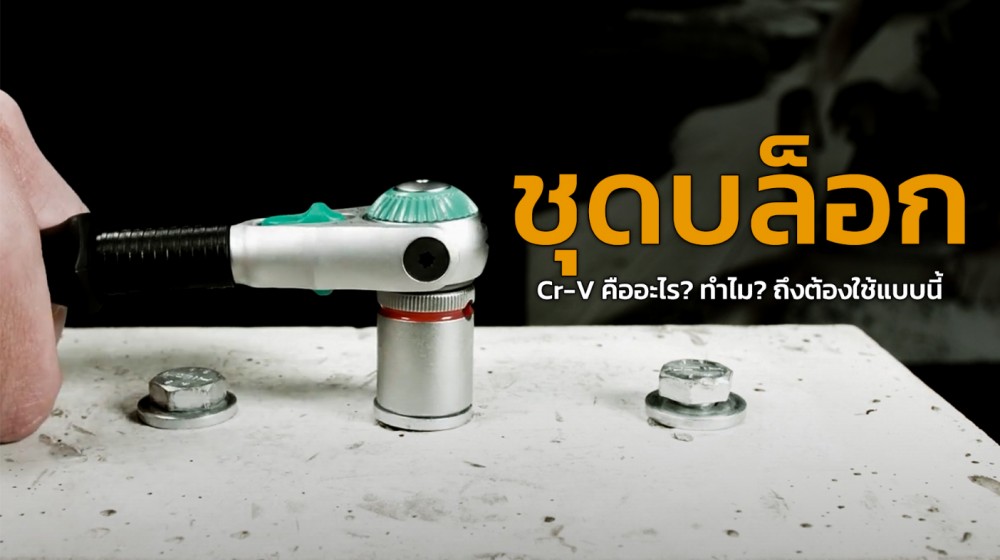
Has this ever happened to you? Walking into a tool shop, picking up a Socket Sets to take a look—its surface is mirror-shiny, the weight feels just right in your hand, and on the side of the socket, there's engraved text that reads "Cr-V," which stands for Chromium-Vanadium.
We've seen the term Cr-V for as long as we can remember (in this article, we'll use the abbreviation Cr-V so everyone can easily remember it). Getting back to the point, we've seen Cr-V on everything from hundreds-of-baht tool sets to European brands costing tens of thousands. Have you ever wondered what this Cr-V thing really is? Is it some mineral from Mars? Why do tool manufacturers worldwide accept this standard? In this article, we'll explore the DNA of steel together.
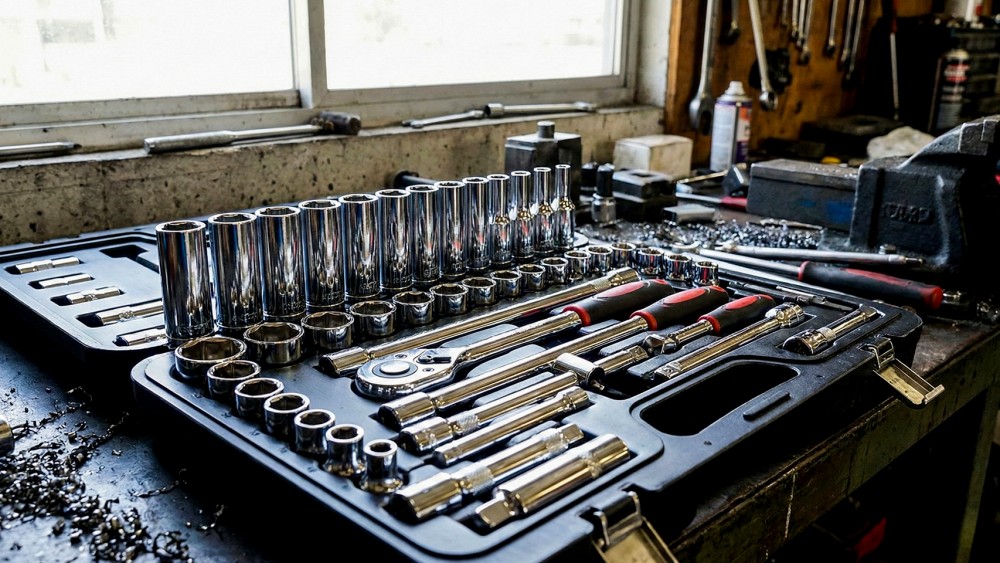
Why you shouldn't overlook socket set steel
Before grabbing a socket set to use, let's talk about pure "iron" first... to be blunt, it's "useless"! Just imagine: if you made it from pure iron, rust would show up in no time, and the material would be as soft as playdough. If you used it to tighten a tough bolt, just one hard push and it'd surely twist like a spiral snack!
Upgrade it to "steel" by adding "carbon" to boost its strength! But wait... the world of mechanic work is harsh; just being hard isn't enough. It needs to be tough, rugged, and durable! This is where the "legendary secret formula" written on the box comes from: Cr-V, or Chromium-Vanadium.
- Chromium: Added purely for that "cool factor"! Chromium gives the tool surface a mirror-like shine, making it look premium, while also acting as a shield so rust can't easily eat away at it (corrosion resistance). In short: it adds good looks and tough skin!
- Vanadium: This is the real MVP! Added for true "toughness" because overly hard steel turns brittle and easily fractures, whereas vanadium organizes the internal molecules into a tightly knit structure. This allows our tools to withstand heavy impacts—whether dropped onto the floor or subjected to extreme torque, they won't easily snap.
Why do you need a Cr-V socket set?
Many people must be wondering, "Can't we just use other materials? Titanium? Or other grades of steel?" The answer is... you could, but it's "not worth it" and "guaranteed to fail." Because the life of a "socket" is much sadder and tougher than we think.
Picture this scenario... imagine you're about to remove a car wheel that hasn't been touched for 3 years! The rust is practically fused with the wheel hub. You grab an 18-inch breaker bar, attach a size 19 socket, take a deep breath, and "throw" all your body weight into it with maximum force! That massive torque from your arms travels down the long handle, concentrates on a tiny pivot point (the 1/2-inch drive), and is transferred to the thin walls of the socket to pry against the bolt head. Choose the wrong material, and your day is ruined immediately.
- If using regular steel (Carbon Steel): Under this kind of force, it will simply give up. The socket will "twist" or its "mouth will flare out." As a result, the edges slip and the bolt head "strips" completely round... That's when real trouble begins! A total nightmare.
- If using ultra-hard steel (like knife steel): Too hard isn't good either. The moment you yank with full force, the socket might "explode!" into pieces like glass, flying into your eyes or cutting your hands. Extremely dangerous.
- Hard enough to bite into the bolt head tightly without flaring out easily
- Tough enough to possess elasticity, meaning it can "flex slightly" when faced with immense torque, like a spring absorbing the shock and bouncing back to its original shape without deforming.
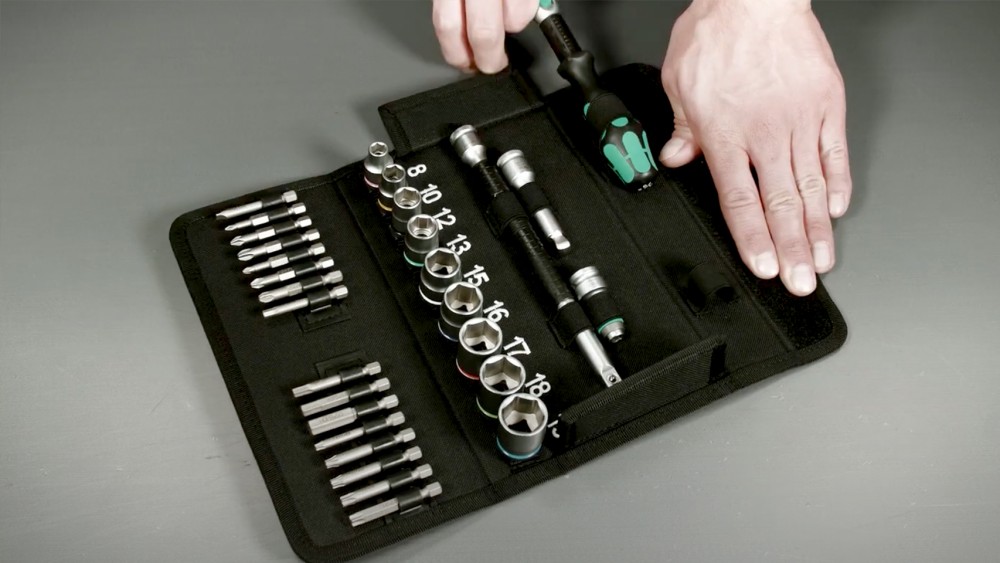
Quality Grades of Cr-V Socket Sets
We can confidently say that even with the same "Cr-V" stamped on them, the quality between a "high-end grade" and a "low-end grade" is as different as night and day.
There is one case I'll remember until the day I die: helping a friend repair his car. That day, we happened to grab a budget socket set that typically comes free with a motorcycle. It looked decent, prominently stamped with Cr-V (though it was probably Shenzhen Cr-V or some haphazard alloy grade).
"CRACK!!" A deafening snap! At first, my heart sank thinking the bolt sheared off in the hole... but nope! The socket cracked right down the middle—split clean in half! As a result, all that momentum sent my hand smashing full force into the steel frame... Blood everywhere, thumb ripped open! A costly lesson that truly taught me: "Never stake your life (and your fingers) on a cheap tool just because it says Cr-V."
High-End Grade: World-class brands like Snap-on, Wera, etc., don't just sell steel; they sell precision in heat treatment.
- Characteristics: The surface must be tough enough to handle friction, but the "core must be resilient" to allow a bit of flex, rather than being rock-hard and brittle to the point of shattering.
- Surface finish: Thick chrome plating, mirror-bright. The advantage is that oil and grease wipe off effortlessly—just a swipe of a rag and it's clean.
Gamble Grade (Low-End)
- Characteristics: Flawed steel composition or cut corners in heat treatment make the steel highly brittle. Unable to handle heavy torque, it is a ticking time bomb ready to burst in your hands at any moment.
- Surface finish: This is the real culprit! After a bit of use, the chrome starts peeling and flaking off in sheets. And those sharp chrome flakes can cut your hands worse than a razor blade!
In short: If you're going to tighten lug nuts or repair suspension, bite the bullet and buy a good socket set. "Hurt your wallet when buying, better than hurting your body when repairing"—trust us!
Buy a socket set once, and it will last a lifetime if you know how to care for it!
Let me tell you, investing in a high-grade Cr-V socket set isn't just buying tools; it's a long-term investment. With proper care, it will stay with you for a lifetime—you might even pass it down to your grandchildren to fix flying cars in the future! But before we get into maintenance tips, we want to reiterate for those still hesitating between cheap and expensive options...
The lesson: Why go High-End? As someone who dismantles cars as a hobby, the difference between top-tier Cr-V steel and flea market grade is like "night and day".
There is one case I vividly remember: when helping a friend repair a walking tractor (truly heavy-duty work!). I grabbed a freebie socket set that came with a motorcycle, also stamped with Cr-V (likely a Grade A knockoff). As I torqued down on a No. 14 bolt... "CRACK!!" It sounded like the bolt snapped, but no... the socket exploded right on the spot! It split in half, and my hand slammed straight into the steel frame. Blood splattered from my thumb, leaving a scar that reminds me to this day: "Never bet your life on the words Cr-V stamped on cheap tools."
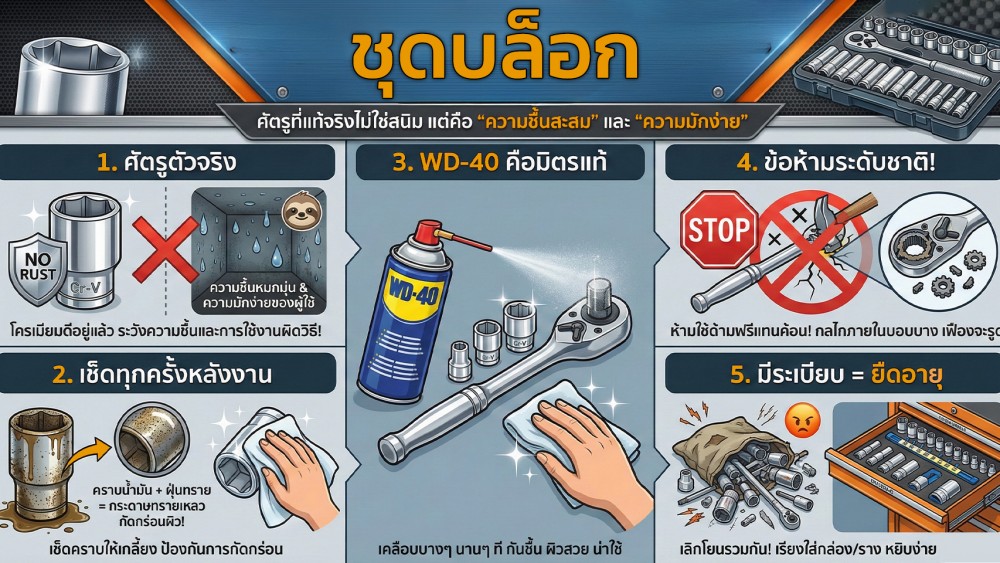
Socket Set Care Guide: How to Maintain It to Last a Lifetime
- The enemy of good-grade Cr-V isn't rust—because its chromium content is already superb—but rather "trapped moisture" and "user carelessness." Let's look at how to take care of it.
- Wipe it down after every job. Many think engine oil stains help prevent rust... wrong! Once mixed with sand and dust, it turns into liquid sandpaper that slowly abrades our shiny chrome finish. Wipe it completely clean.
- WD-40 is your true friend. Once in a while, spray a thin coat of multi-purpose oil and wipe it off to leave a glossy sheen. Besides preventing moisture, it also keeps your tools looking "legendary" and inviting to use every time.
- The ultimate prohibition: Never use a ratchet handle as a hammer! I see this often and it breaks my heart! The ratchet mechanism inside is made of delicate small steel components. Tapping or hammering with the ratchet head will strip the gears or crack the internal mechanism... Hammers are for striking, ratchet handles are for turning bolts. Remember this!
- Being organized = extending lifespan. Tossing sockets together into a cloth bag not only makes them frustratingly hard to find, but hard steel clattering against each other can also chip the chrome plating. Arrange them in a case or clip them onto a rail instead. It's easy to grab, looks tidy, and preserves your tools.
Select Socket Sets to suit the application