


 EN
 ไทย



Customers Also Purchased
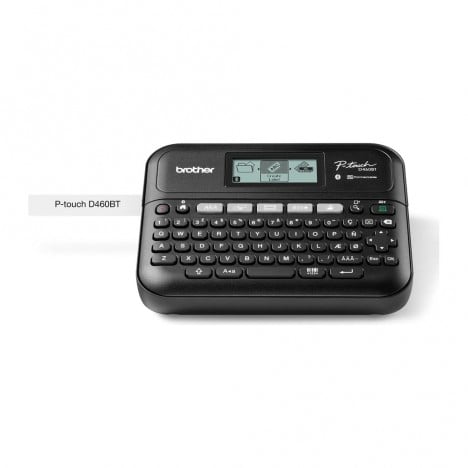
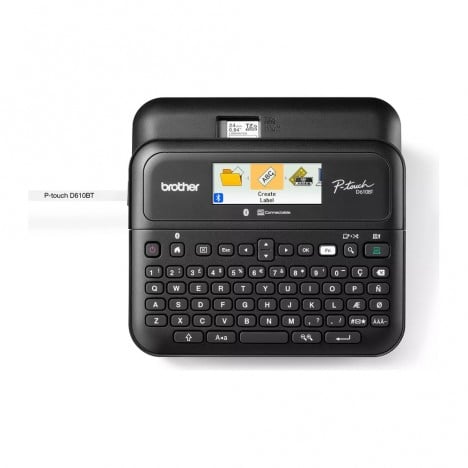
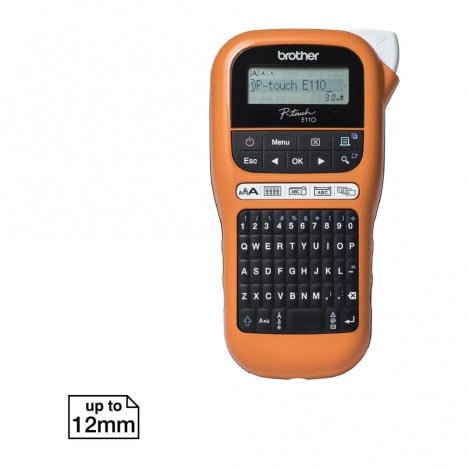
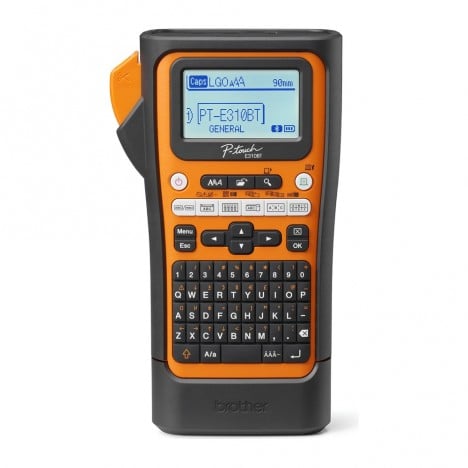
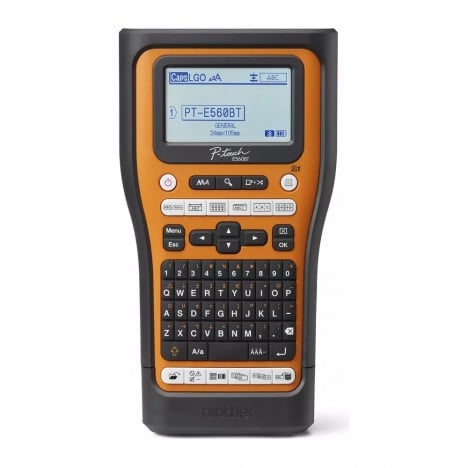
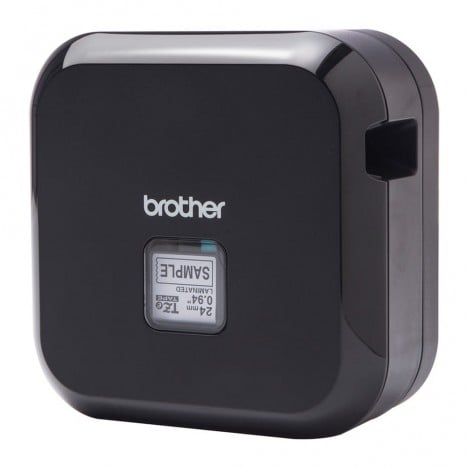
Label Printer This is a device many people view as "anything works; they all print the same." However, in real-world work, Nong Chang repeatedly encounters issues where people choose the wrong type of machine, use the wrong material, or misunderstand certain features—turning what should be a simple task into a hassle. Examples include quickly faded labels, unreadable barcodes, or wire markers peeling off in just a few months. All of these usually start from minor misconceptions that snowball into major headaches without you realizing it. In this article, Nong Chang wants to walk you through 7 common misconceptions to help you choose the right label printer for your job.
1) Misconception: "Higher DPI = more industrial-grade machine"
This is a misconception encountered almost every time someone buys a label printer for the first time. Many people open the specs and look at the DPI figure first. When they see one machine with 300 DPI and another with 180 DPI, they immediately conclude that the higher DPI machine is "better" or "more industrial." But in the real world of label applications, DPI is merely a metric for text and graphic sharpness, not an indicator of its intended operational tier.
From an electrical technician's perspective, the DPI number has virtually no impact on job quality. On-site, labels are read at close range, and the text is typically large enough to read clearly. Even at 180 DPI, the labels remain crisp, legible, and perform exceptionally well. What matters far more is the "label materials compatible with the printer," not the printhead resolution.
The clearest example is the DYMO Rhino 6000+, a genuine electrical-industrial grade machine used worldwide. Despite having only 180 DPI, it supports specialized materials essential to electrical work, such as UV-resistant PET, flexible nylon that conforms to cables, vinyl tape for control panels, and heat-shrink tubing designed safely for wiring. This is what truly makes it "industrial"—not whether its DPI is high or low.
In summary, DPI helps with visual sharpness, but it has nothing to do with durability or application grade. Moreover, sometimes a machine with high DPI supports fewer label materials, making it even more limited in practical use.
Key takeaway from this point
– DPI is about sharpness, not durability
– "Industrial" grade comes from supported materials, such as PET, Nylon, and heat shrink tubing
– A low-DPI machine that supports field materials might be more suitable for real work than you think
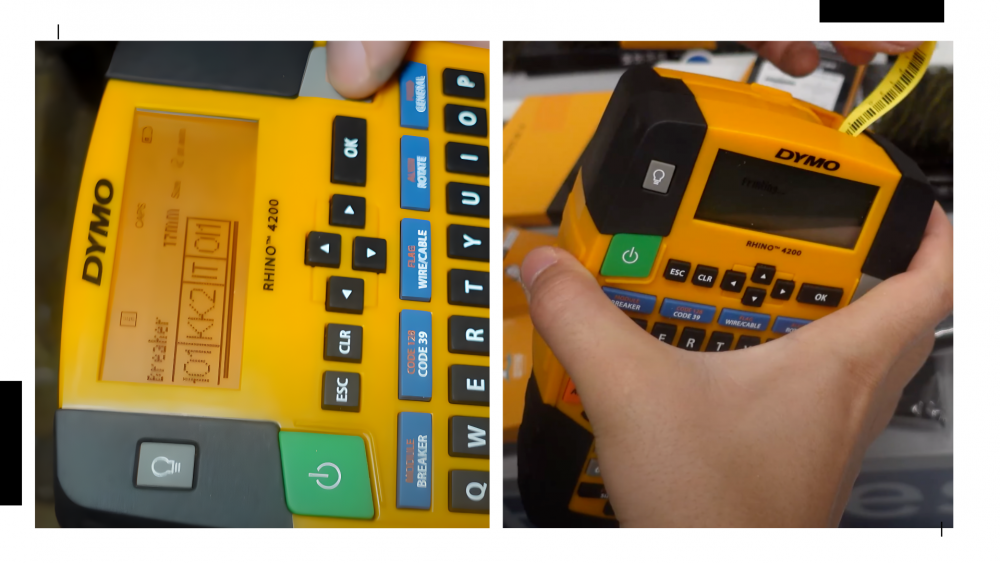
2) Misconception: “Roll labels and tape labels are interchangeable”
Many people think that "labels are all the same," but in reality, the materials of roll labels and tape labels are designed for different purposes and cannot replace each other at all—especially in harsh environments like wiring, control panels, or high-humidity areas.
Most roll labels are made from thermal paper or stickers focused on fast, high-volume printing, making them suitable for parcels, warehouse work, or frequently changed price tags. This group of materials has clear limitations, such as not being resistant to strong sunlight or water, and not being suitable for curved surfaces like electrical wires. When used improperly, the labels will fade, peel off, or result in incomplete printing, as is commonly seen.
In contrast, tape labels used with tape printers are made of heavy-duty plastics such as PET, Vinyl, Nylon, or heat shrink tubing. These materials are engineered to withstand UV rays, moisture, oil, and abrasion, making them ideal for electrical cabinets, wiring, and field work where conditions are not as gentle as an air-conditioned room.
Because the materials and printing mechanisms of the two types are different, roll label printers cannot print on plastic tapes, and tape printers cannot print on roll paper labels either. Even if someone tries, they will encounter issues such as the print head not supporting the material, poor adhesion, or incompatible media feed mechanisms.
Key takeaway from this point
– Roll = parcel work, high volume, low cost
– Tape = field work, electrical work, durability-first
– Different printing systems, so they cannot be substituted
3) Misconception: “All label printers are suitable for the same tasks”
The term "label printer" may sound like they all perform the same function, but in reality, each type of machine is designed specifically for dedicated applications. Office label printers focus on neatness, aesthetics, and ease of use, but are not designed for field environments with high heat, moisture, or severe vibrations. Meanwhile, roll label printers popular with online stores focus on high-speed and low-cost printing, but only support paper or stickers—not durable specialized plastic tapes at all.
Printers for electricians and industrial applications are different because they support extra-durable materials like PET, Nylon, or heat shrink tubing. They often feature application-specific functions, such as wire wrap modes, patch panel layout formatting, and bodies built to withstand drops and impacts much better than general office printers. This distinction makes it essential to choose a machine tailored to your actual application, rather than deciding on price alone.
Quick summary of this point
– Office printers → Light-duty work, file labels, storage labels
– Roll printers → Parcel work, high volume
– Electrician printers → Heavy-duty work, highly durable materials
– Choosing the wrong tool for the job = guaranteed problems down the road
4) Misconception: "All thermal labels are the same; there's no difference in quality."
In many applications, especially parcel delivery and warehousing, people often assume that all thermal paper is the same—whether cheap or expensive, the quality must be similar. Honestly, that's not true at all. Thermal paper actually comes in various grades, and each grade differs significantly in durability, thermal sensitivity, and longevity, which directly impacts practical use.
Cheap thermal paper has a lower heat-sensitive coating, causing it to fade much faster when exposed to sunlight or high temperatures. For example, leaving it in a car for just a few minutes can cause the text to start fading, or parcel labels transported outdoors can fade to the point where barcodes can't be scanned at all, leading to issues with receiving or identifying delivery destinations.
In warehouse operations, fast-fading labels have a severe impact on the system because scanners won't be able to read them, requiring labels to be reprinted. In some cases, products are misplaced into the wrong category due to illegible labels—costly damages resulting from cutting corners in the wrong place.
On the other hand, high-grade thermal paper features a better-controlled coating layer and superior resistance to light and moisture. The labels hold up for days or weeks depending on working conditions, resist fading, and scan smoothly every time. That's why major logistics companies choose high-grade thermal paper, even though it comes at a higher price.
Key Takeaways from This Point
– Thermal paper comes in multiple grades; they are not all the same.
– Overly cheap labels really do fade quickly.
– Faded barcodes = scanning problems.
– For parcel/warehouse applications, always choose good-quality thermal paper.
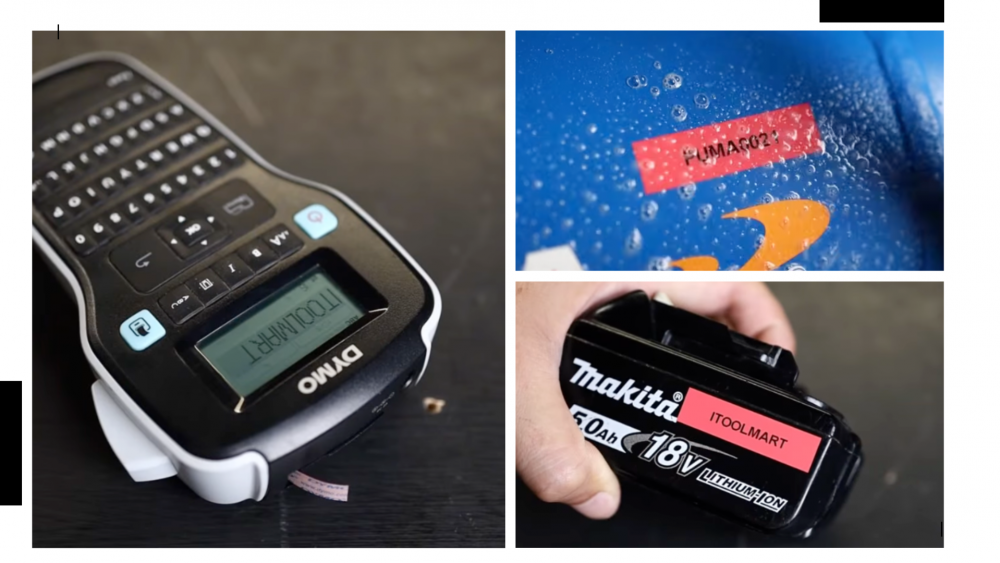
5) Misconception: "Label printers require no maintenance; just keep using them continuously."
Many people view label printers as small devices that don't need maintenance because they aren't as complex as standard printers—no ink, no messy toner cartridges. As a result, many use them continuously for months without ever cleaning the print head or internal mechanisms, leading to unexpected problems.
The print head of a label printer—whether roll-type or tape-type—operates by applying heat directly onto the label material. This means the print head constantly comes into contact with coatings, paper dust, and adhesive residue from the labels. Over time, these small residues accumulate, causing printed lines to lose sharpness or fail to print in certain spots, resulting in the broken or missing text we often see. Some users mistakenly think the machine is broken when it's really just minor buildup on the print head.
Maintaining a label printer is actually very straightforward. Simply wiping the print head with isopropyl alcohol (IPA) periodically or using specially designed cleaning sheets is all it takes. This significantly extends the print head's lifespan and keeps label quality consistently high.
Another commonly overlooked factor is storing the label printer in a place with a stable temperature. Some people keep it in a car or an excessively hot room, which directly affects both the label supplies and the print head. High temperatures can darken thermal paper and cause certain tapes to degrade much faster.
Summary for This Point
– The print head needs periodic cleaning.
– Adhesive residue and dust cause broken print lines.
– Heat and improper storage affect label quality.
– A little routine care significantly extends the machine's lifespan.
6) Misconception: “Waterproof label = Suitable for any application involving water or moisture”
When many people see the word "waterproof" on a label, they often assume it can withstand all water-related conditions, such as rain, washdown water, factory oils, or even chemicals. This is a misconception that frequently leads to choosing the wrong material for the job.
The term "waterproof" on standard labels usually means "basic water resistance" or merely a coated surface preventing paper from dissolving easily, but it does not mean it can always handle harsh environments. Truly waterproof labels for field or machinery applications must be made of plastic materials like PET or Vinyl, which are engineered not to absorb water, not peel off easily, and maintain adhesion even in the presence of moisture.
The difference between "general-use water resistance" and "heavy-duty waterproofing" is something many people overlook. For instance, a label that resists water spray does not necessarily withstand high-pressure washing in a factory, or a rain-resistant label might not resist vegetable oil, engine oil, or chemicals. In actual work, the results differ greatly. Some applications require certified durable materials, such as UV-resistant PET that will not fade in sunlight, or flexible Nylon tape that wraps around cables and offers excellent moisture resistance.
The key issue is therefore not just the word "waterproof," but "what level of water resistance" and "what does it need to withstand?" If the application is inside a control cabinet with moisture but no direct water contact, a medium moisture-resistant label will suffice. However, if placed in an engine room filled with oil or hot steam, the label must strictly be made of heavy-duty material.
Key takeaway from this point
– “Waterproof” does not equal “oil / chemical resistant”
– Plastic labels such as PET / Nylon are significantly more durable than coated paper
– Consider the level of application, not just a single word on the spec sheet
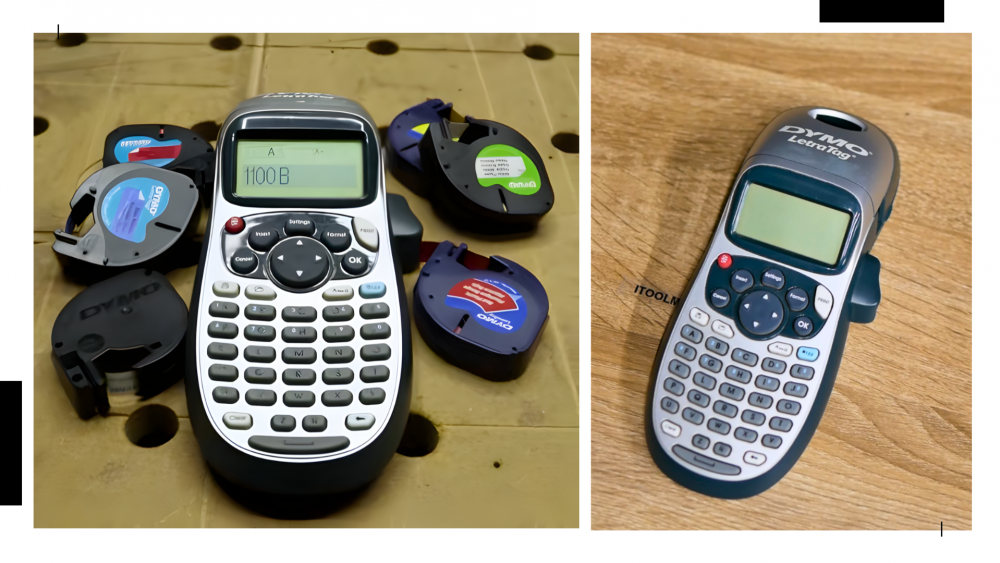
7) Misconception: “Choosing a label printer based solely on price is enough”
Nong Chang sees this most often, and it is the factor that leads people to choose the wrong machine for their application the most. Initially, many people look at the price first; finding a budget-friendly machine, they think it offers the best value. But after a few months of use, they find it does not support the required materials or cannot print the actual required jobs at full efficiency, forcing them to buy a new machine anyway. Ultimately, this ends up costing more than starting with the right machine for the job from the beginning.
Choosing a label printer is no different from choosing other tools. If you choose the right one for the job from the start, it will last long and provide great value. But if you choose the wrong one, tasks that should be simple become time-consuming, and labels that are supposed to bring clarity to the workplace system instead create confusion.
Each type of machine has its own distinct purpose. For example, an economical roll-type printer is suitable for parcel shipping, but not for field work. An electrician's tape-label printer may not be cheap, but it supports materials and heavy-duty tasks that standard printers cannot handle, such as wire markers, heat shrink tubes, or UV-resistant labels for structural work.
Therefore, selecting a label printer based purely on price is not the best approach. What you should prioritize are "the task at hand," "the materials required," and "the environment the label must endure." When chosen based on these factors, price becomes just one secondary element.
Key takeaways from this point
– Price is not an indicator of suitability
– Choosing the right fit for the job is better than saving money on an unusable tool
– A slightly more expensive machine lasts longer and reduces future problems
Related Articles
- Must-Know Differences! Direct Thermal vs Thermal Transfer Before Buying a Label Printer
Conclusion
After use Label Printer In many formats, Nong Chang found that these small misconceptions are what cause unnecessary work issues. Labels look simple, but in reality, there are a lot of details—printing systems, supported materials, durability levels, and the operating environments they face. Choosing a label printer suitable for the job application is therefore more important than focusing on a single spec, such as DPI or price.
- If the work is in a warehouse, roll labels are the answer.
- If the work is electrical, involving wiring, control panels, or high sunlight exposure, PET / Nylon tape is a must-have.
- If the work focuses on speed and volume, choose a printer designed for online stores.
- If you need labels to last for years, a field-grade machine is essential.
When you choose the right tool for the job right from the start, everything becomes much easier. There's no need to fix issues later, and the resulting labels help make your work neater, safer, and clearer. This is why Nong Chang always says, "A small label printer, when chosen correctly, helps your work more than you think."