


 EN
 ไทย



Customers Also Purchased
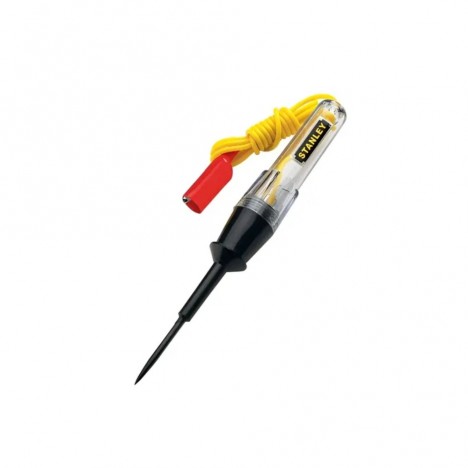
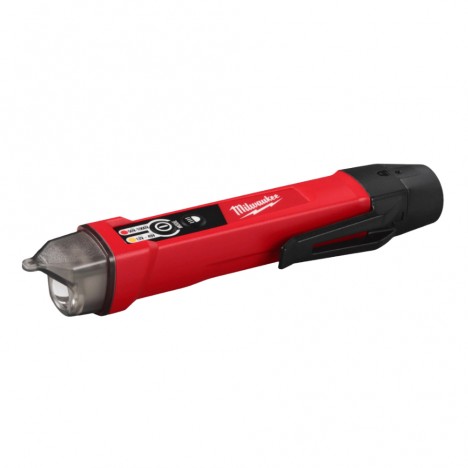


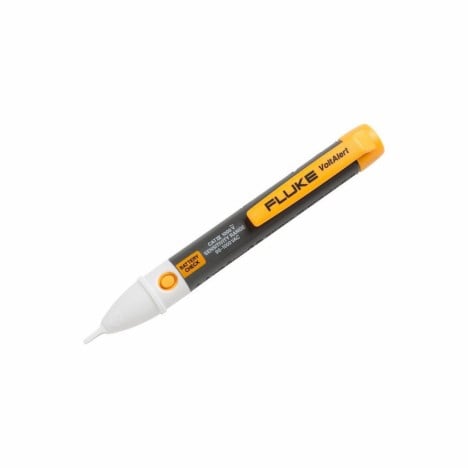
In electrical work, everything always starts with "checking" whether electricity is present or not. Whether it's replacing a light switch, tightening plug wires, changing a wall socket, or even checking why an outlet that used to work suddenly stopped functioning. Today, our handyman team would like to talk about an essential tool every household should have, but which many people use incorrectly—causing real danger countless times. That is...Voltage tester screwdriver A small tool that looks simple, but from an electrician's perspective, it is the "first line of safety" before doing anything with electrical systems in the house. Even so, many people still use it incorrectly—holding it at the wrong spot, using it in the wrong situation, or completely misunderstanding its capabilities.
In this article, our handyman will walk you through everything about voltage tester screwdrivers, from the basics to practical use. How to use it without getting shocked? What is the correct way to use it? Why do you have to touch your finger to the end of the handle? And why does the light inside the voltage tester screwdriver sometimes not illuminate even when electricity is actually present? After reading this, you will be able to use a voltage tester screwdriver correctly and safely, and understand its limitations just like electrical professionals do.
What is a Voltage Tester Screwdriver?
A voltage tester screwdriver is a tool used to check whether "electricity is present at that point or not." Its purpose is not to measure actual voltage, nor is it an in-depth circuit repair tool. Instead, it simply indicates:
- Whether the socket has power
- Which wire is the live/phase wire
- Whether the switch is supplying power
- Whether the wire end is live
A voltage tester screwdriver is considered the most basic tool that every home should have. It is easy to use and doesn't require deep electrical knowledge to perform an initial check right away. But the problem is... "easy to use" does not always mean "safe." If used incorrectly, you can still get an electric shock.
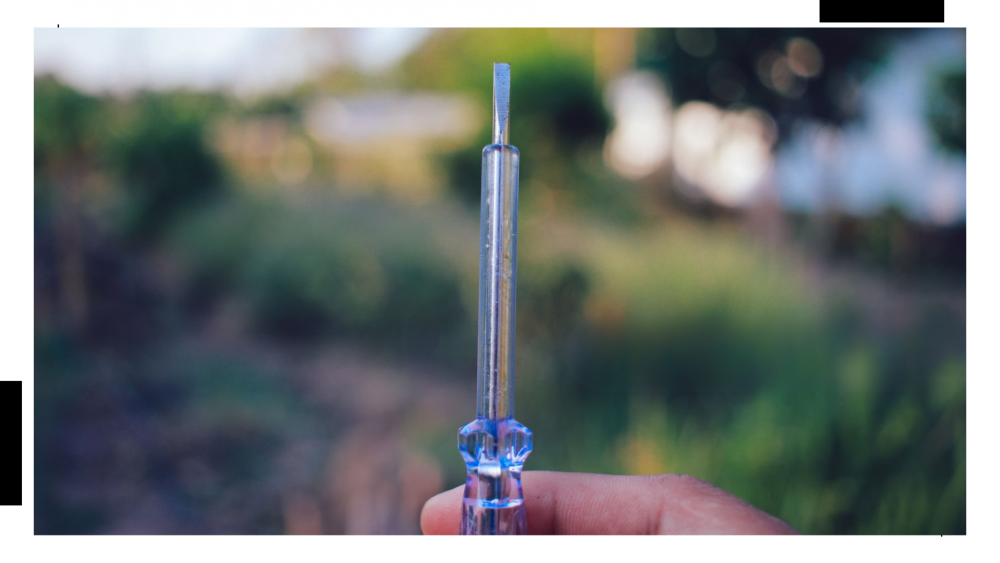
Components of a Voltage Tester Screwdriver and Why Must a Finger Touch the End of the Handle?
To use it safely, you need to understand how a voltage tester screwdriver is constructed.
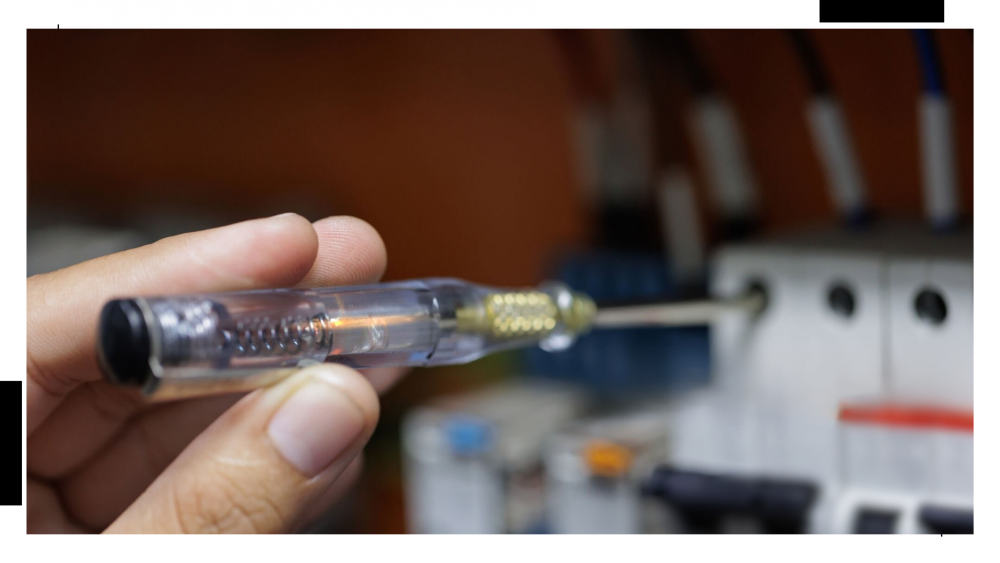
There are 4 main components:
- Metal tip (for touching the point you want to test)
- Screwdriver body (insulated to prevent electric shock)
- Resistor (reduces voltage and limits current)
- Internal neon lamp / LED lamp
- Contact plate at the end of the handle (for finger contact)
When in use, we must touch our finger to the end of the handle because it is part of the electrical circuit that allows the light inside the voltage tester screwdriver to illuminate. Here's a simple explanation:
- The tip of the screwdriver touches the electrical wire.
- The electrical current (a very small amount because it passes through the resistor) flows to the small bulb inside.
- The current must "continue" traveling through our finger to the ground (or body) to complete the circuit.
- Only then will the bulb light up.
Don't worry, the current reaching our finger is "extremely, extremely" small—so minuscule you can barely feel it, because the internal resistor is specifically designed for safety.
So the popular question many people wonder about...
"Why doesn't the bulb light up if you don't touch the back end?" That is because the circuit is not "complete", so the current does not flow through the bulb.
How to properly use a voltage tester screwdriver without getting an electric shock
- Hold the screwdriver only by the plastic handle.
- Touch the metal plate at the end of the handle with your finger.
- Touch the tip of the screwdriver to the point you want to test, such as socket slots, switch screw terminals, or wire ends.
- Observe the light bulb inside.
- If live → The bulb lights up.
- If not live → The bulb stays off.
- After checking, gently remove it—do not pull it out quickly or let it slip and touch other metals.
That's it, but the key point lies more in "what not to do."
Things You Must Absolutely Never Do While Using a Voltage Tester Screwdriver
- Never touch the metal tip under any circumstances
- Do not use in areas with standing water, wet floors, or with wet hands
- Do not use on high-current electrical applications or 3-phase power systems
- Do not use a screwdriver that is cracked, damaged, or has a loose tip
- Do not use with voltages exceeding that voltage tester screwdriver's rated limit
Many people misunderstand that a voltage tester screwdriver can be used instead of Multimeters for any job — that's not true. If used incorrectly, electric shocks can really happen, and this has actually occurred in many cases.
Technician's Warning
Never use a voltage tester screwdriver to check for "electrical leakage"
Because some types of leakage won't make the indicator light up, yet the leak is real and dangerous. To check for electrical leakage, you must use specialized instruments like an RCD tester or a leakage current clamp meter.

How to easily read voltage tester screwdriver results
If the indicator lights up → Voltage present (Live)
For example,
- Power is actually feeding into the outlet
- The switch is in the energized position
- That wire is the "Live" wire, not the "Neutral" wire
If the indicator does not light up → No voltage
However, you need to know the additional conditions that… Sometimes it "does not light up," but voltage is still present.
caused by
- Electricity is present, but voltage is too low
- Your finger does not touch the metal cap on the handle firmly enough
- The floor or shoes are too well insulated
- Using a low-quality voltage tester screwdriver
- The bulb inside the voltage tester screwdriver is defective
This is a very common mistake encountered by beginner electricians.
Why do voltage tester screwdrivers sometimes give false readings? Why does the light turn on even when there is no current?
"False readings" can occur due to several reasons, such as:
- Induction from parallel wires
- Running wires in the same conduit
- Reversed phase and neutral
- Old home wiring systems
- Bright ambient light, making a faint glow look like an active signal and causing you to think there is voltage
This is why technicians always say that a voltage tester screwdriver is good for a "quick check," but is not a 100% safety verification tool.
Technician's Picks
For standard residential plugs or switches, a voltage tester screwdriver is fine; however, if you need a detailed check, such as detecting reversed polarity or voltage drops, using a multimeter is much more reliable.
When to use a voltage tester screwdriver
A voltage tester screwdriver is suitable for light tasks that require a quick check, such as:
- Checking if a socket outlet is live
- Checking whether a switch is supplying power
- Check which wire end is the live wire (phase)
- Check fuses in small boxes to see if they are blown
- Check appliance plugs before repairing
- Check loose or temporarily fixed wire ends
It really is a "quick check" tool, not meant for in-depth troubleshooting.
Situations where you must "NEVER" use a voltage tester screwdriver
This is a crucial point that most people don't know, but it can truly save lives.
- Do not use in Home main breaker panels
- Do not use on High-voltage cables
- Do not use on Industrial 3-phase systems
- Do not use in Wet or damp areas
- Do not use while Feeling weak or sweating heavily
- Do not use on tasks requiring actual voltage measurement, such as 110V/220V/380V
Voltage tester screwdrivers are not industrial-grade equipment; they are only for basic use.
How to choose a voltage tester screwdriver like a pro
Most people buy voltage tester screwdrivers thinking "the cheapest one is fine," but this tool involves your life; buying a quality one is much safer.
What to look for
- Thick, sturdy insulation
- Non-slip grip
- Tip is not loose
- Clearly visible indicator light
- Meets VDE or IEC standards
- Appropriate length (5–7 inches is the most convenient to use)
- Spring-loaded tip to prevent slipping during contact
- If you have a higher budget, you can choose a digital tester model
Many cheap voltage tester screwdrivers have problems with the light not turning on or the tip being loose, misleading users into thinking there is no live current, which is very dangerous.
Technician's Warning
Do not use a voltage tester screwdriver that is "cracked, split, or sun-faded to yellow and brittle," as the insulation has deteriorated and poses a risk of electric shock.
Comparison: Voltage Tester Screwdriver vs Multimeter
This is something many people are still confused about: whether one can be used in place of the other.
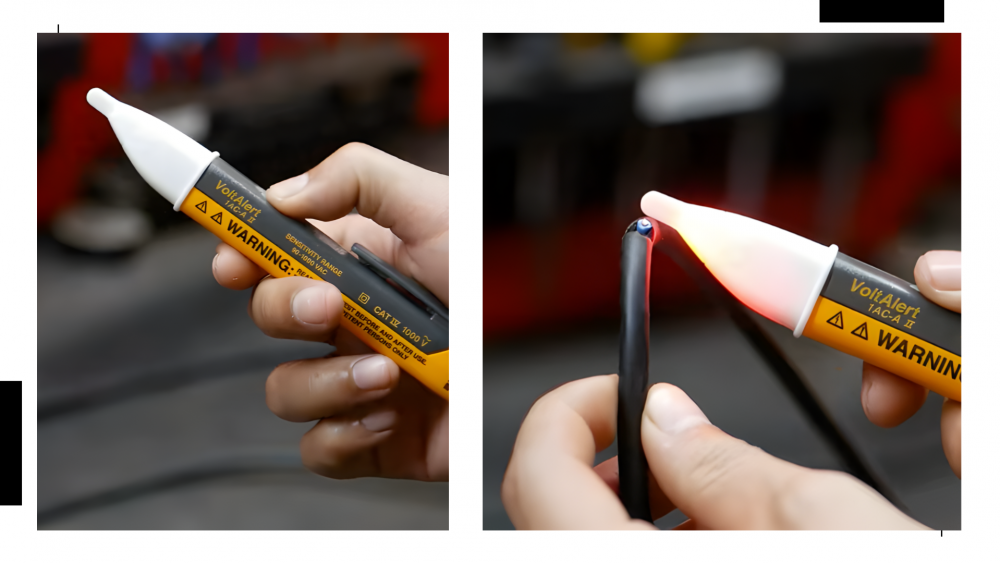
Voltage tester screwdriver
- Check whether voltage is present or absent
- Suitable for general household tasks
- Easy to use
- Low price
- Cannot measure actual voltage
- Not 100% accurate
Multimeters
- Accurately measures voltage
- Measures current, resistance, continuity, etc.
- Can be used to troubleshoot circuits in depth
- Suitable for electrical and electronic work
- Requires operational knowledge and understanding
- More expensive
To sum it up clearly:
Voltage tester screwdriver = checks presence/absence of current; Multimeter = checks everything related to electricity
Why do beginners get electric shocks even when using a voltage tester screwdriver?
The main causes are as follows:
- Using with wet hands
- Touching the metal tip
- Using a bent or cracked screwdriver
- Testing voltage in improper places, such as inside the main distribution board
- The screwdriver tip slips and touches another contact point
- Testing in damp or humid areas
- Standing on a wet floor
- Using a voltage tester screwdriver without quality insulation
In reality, if used correctly, you won't get shocked. But even a slight misuse poses a risk.
Conclusion
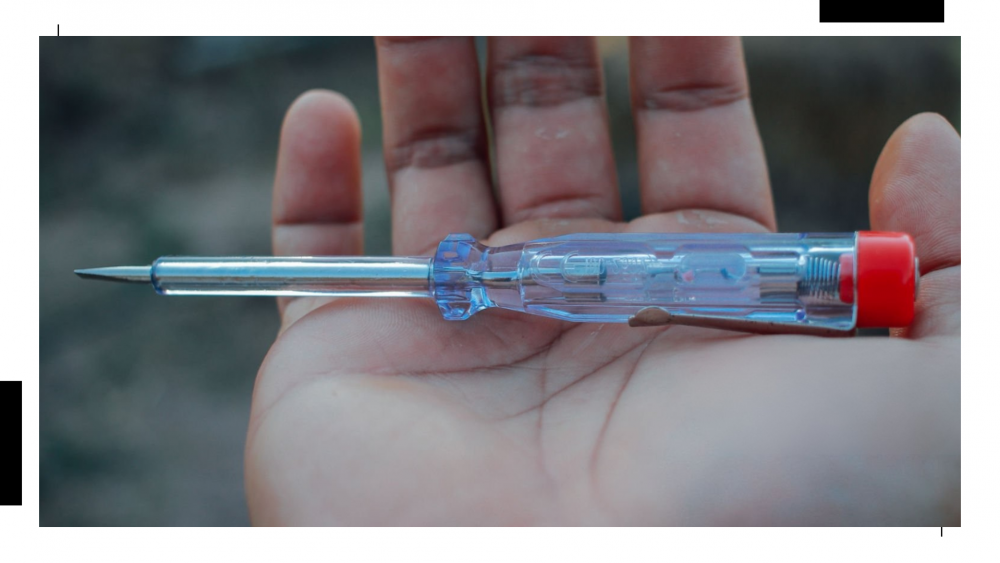
- A voltage tester screwdriver is easy to use, but it must be used "properly" only
- Used to check whether power is present, not a tool for in-depth repairs
- Must always touch your finger to the end of the handle
- Do not use in high-voltage applications or wet environments
- You should keep 1 piece at home, but make sure to choose a quality one
- It has many limitations, but is very useful if used correctly
- If you want precise voltage detection, use a multimeter instead
From Nong Chang's perspective, Voltage tester screwdriver It's truly a reliable companion for basic electrical checks. It's compact, portable, and doesn't require much skill, yet it helps us initially know "whether this point is live or not"—which is crucial information before starting any work on home electrical systems. But remember one thing: this tool helps improve safety, but it doesn't make things 100% safe if used incorrectly. If you know how to use it properly and understand its limitations, Nong Chang is confident that you'll work on your home electrical system with much greater peace of mind.