


 EN
 ไทย


Customers Also Purchased


I'm sure that if you work with compressed air systems or use tools and equipment reliant on air compressors, one thing you certainly see and are familiar with is Pneumatic Valve pneumatic valves—small components tasked with directing energy to power the entire system. Of course, everyone knows pneumatic valves are extremely important.
Customers walking into our store after checking out air compressors often ask questions like: "How long do air valves actually last?" and "What makes an air valve durable or fail prematurely?" If you have these questions, it shows you're well-prepared to understand and operate air compressors properly.
Pneumatic valves are no minor detail—they serve as the heart of a pneumatic system, much like the human heart pumping blood to various parts of the body. In a well-designed system, a single valve failure can halt the entire line immediately. Understanding the lifespan of pneumatic valves is something technicians should never overlook.
Many who have worked with air compressors have experienced firsthand how neglecting a single small air valve can lead to massive consequences. Sometimes work halts while waiting for spare parts, wasting valuable time and putting projects on hold; prepared schedules fall apart right along with the valve. This makes me all the more certain that understanding the factors affecting valve lifespan is genuinely essential.
In this article, we'll explore what determines whether a pneumatic valve fails early or lasts for years, along with maintenance practices and answers to common questions about pneumatic valve systems.
What is a pneumatic valve? Why is it important?
air valves—the heart of the air compressor system— It is a device that controls the flow and direction of air in a system, such as opening, closing, or redirecting compressed air. Pneumatic valves allow us to precisely direct the flow of air into air cylinders, machinery, and various other equipment.
A pneumatic valve does not work alone; it must coordinate with other equipment in the system. For example, ball valves are used for shut-off control, while flow or pressure control valves ensure smoother operation. If you look closely, you will see that besides pneumatic valves, the pneumatic system often collaborates with other devices, all working together to ensure the system runs smoothly.
How many years is the lifespan of a pneumatic valve?
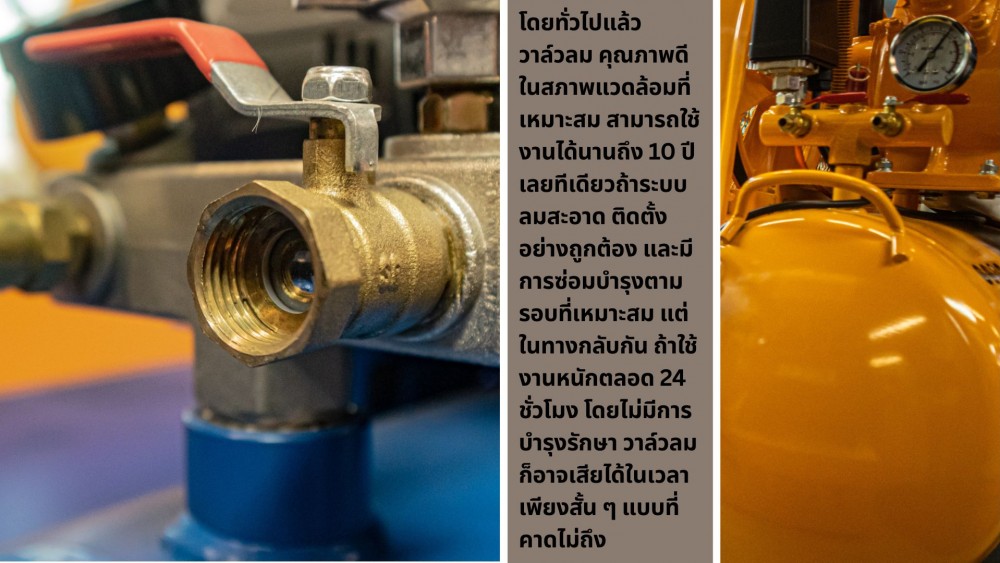
If you ask how long a pneumatic valve actually lasts, many people might want a clear-cut answer. But in reality, the lifespan of a pneumatic valve does not have a fixed number; it depends on usage and maintenance.
What does the lifespan of a pneumatic valve depend on?
Many people might wonder, what exactly makes a pneumatic valve last a long time or fail sooner than it should? In reality, there are several directly related factors. Looking deeper, these factors are not just numbers indicating service life, but rather conditions that reflect system design and conscientious maintenance.
Therefore, understanding what these factors are and how they affect pneumatic valves in actual applications is crucial for both technicians working with them daily and engineers designing or maintaining systems. After all, prevention is always more cost-effective than repairing when it is too late.
1. Quality of air flowing through
The very first and most important thing is the quality of the compressed air . If the air contains impurities such as oil or excessive internal moisture, it can cause the internal valve seals to deteriorate faster and make leaks occur more easily. If you ask me, I always recommend that pneumatic systems should be equipped with air filters and water separators to reduce moisture and contaminants.
In addition, another important practice is to drain water from the air tank every time according to an appropriate maintenance schedule or after use. Ideally, if used daily, drain the water daily. Moisture accumulated in the tank, if left unattended for long periods, will cause pneumatic valves and other equipment to deteriorate prematurely.
2. Frequency of use
Just like any other equipment, the more frequently a pneumatic valve is used, the shorter its lifespan naturally becomes. This might sound a bit worrying, right? Some might think, "If I use it every day, do I have to replace it frequently?" There's no need to worry that much, because what matters most is whether you maintain the pneumatic valve appropriately and choose a type that is truly durable and suitable for your application.
Excessive frequency without proper maintenance is precisely what accelerates wear on internal mechanisms. For example, in a 24-hour production line, pneumatic valves inevitably endure heavier workloads than in general use. If you understand this and know proper maintenance practices (which we will cover in the next section), you can manage this effectively.
3. Air pressure and flow rate
Sometimes, simply selecting the right pneumatic valve—a seemingly straightforward step that is often overlooked—significantly affects its lifespan. Operating a pneumatic valve beyond the manufacturer's specified ratings, such as using excessive pressure or allowing higher air flow rates than the valve can handle, will accelerate wear, erosion, and leakage.
- Using air pressure higher than specified in the manual causes seals and internal components to wear out quickly.
- Allowing the air flow rate to exceed the rated capacity causes impact shock and leaks.
- Not choosing a valve size suitable for the pipe leads to unbalanced flow or backpressure.
Therefore, you should choose an air valve suitable for your application. It is no different from selecting other pneumatic equipment or air compressor spare parts for system control, where you must match the pressure and pipe size properly.
4. Valve Quality and Installation
Pneumatic valves made from high-quality materials, with good seals, and built to proper standards will naturally last longer than valves made from cheap materials. In addition, correct installation according to the manual greatly helps prevent premature failure, such as avoiding areas with excessive dust or extreme heat.
To make it easy to understand, let me summarize as follows:
- Choose pneumatic valves made from durable materials such as stainless steel, brass, or high-quality aluminum. Check the quality of the seals; good seals prevent leaks and reduce wear.
- Install the pneumatic valve according to the manufacturer's manual to prevent damage from incorrect installation.
- Avoid installing in areas with dust, moisture, or high heat to reduce the risk of premature valve deterioration.
All of these are small details that, if done correctly from the start, will noticeably extend the service life of pneumatic valves.
How should you maintain pneumatic valves to make them last?
Now that you know what shortens the lifespan of pneumatic valves, the next question is: "How should we maintain them to ensure that pneumatic valves are durable and last as long as possible?"
Let me share an experience from a technician I once met. He told me that a pneumatic valve once broke down right in the middle of a production line, causing a half-day shutdown. Fixing it cost both considerable time and money. Ever since, this technician has paid close attention to routine minor maintenance because he realized that prevention is truly better than cure.
Maintaining pneumatic valves isn't complicated; it's about paying attention to small details that accumulate into long-term durability. These practices might seem minor, but when done regularly, they greatly reduce the risk of breakdowns.
1. Inspect and clean regularly
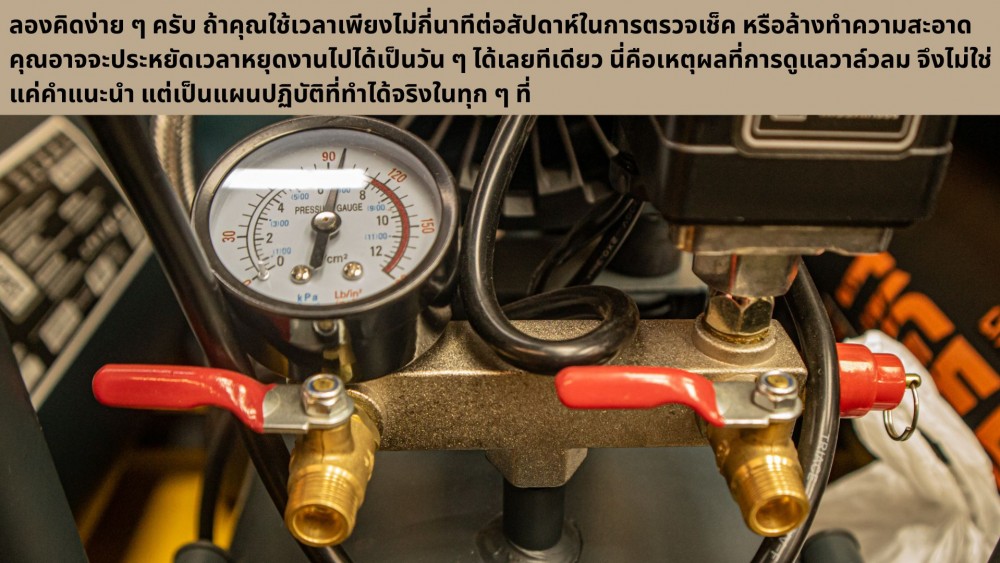
Checking for leaks, spring operation, and smooth on-off actuation helps you catch issues before major problems occur. Doing this also lets you notice early signs of valve degradation, such as 5 signs that you might need to replace your on-off pneumatic valve such as faint air hissing sounds or frequent unexplained pressure drops. If detected early, you can replace spare parts or perform minor repairs in time before the problem escalates to a full system shutdown.
Regular inspections also build confidence within the team, because everyone knows the system is in ready-to-use condition without constantly worrying about unexpected machine downtime. It also makes maintenance planning easier, as you have real inspection data to guide your decisions.
2. Use clean and dry air
This is a very crucial part. As mentioned in the initial advice regarding air quality, the compressed air system should have a filter or air filter regulator with a water trap to prevent moisture and impurities. If the air is clean, the pneumatic valve will last several times longer.
3. Do not exceed specifications
Many times, pneumatic valves fail prematurely because they are operated beyond their specifications, whether due to excessive pressure or improper temperatures. Operating within specifications is one of the best maintenance practices. And remember, simply selecting a valve with ratings that match the actual application significantly reduces risk.
Operating beyond specified limits, even slightly, can cause the pneumatic valve to deteriorate faster than it should, resulting in premature repair or replacement costs.
4. Plan preventive maintenance
Don't wait for pneumatic valves to fail before repairing them. Seals or spare parts should be replaced according to the recommended schedule. Doing so reduces the chances of downtime and extends valve life even further. Plus, it helps you become familiar with the equipment's components, making more complex repairs easier without having to visit a service center or hire a technician.
Summary
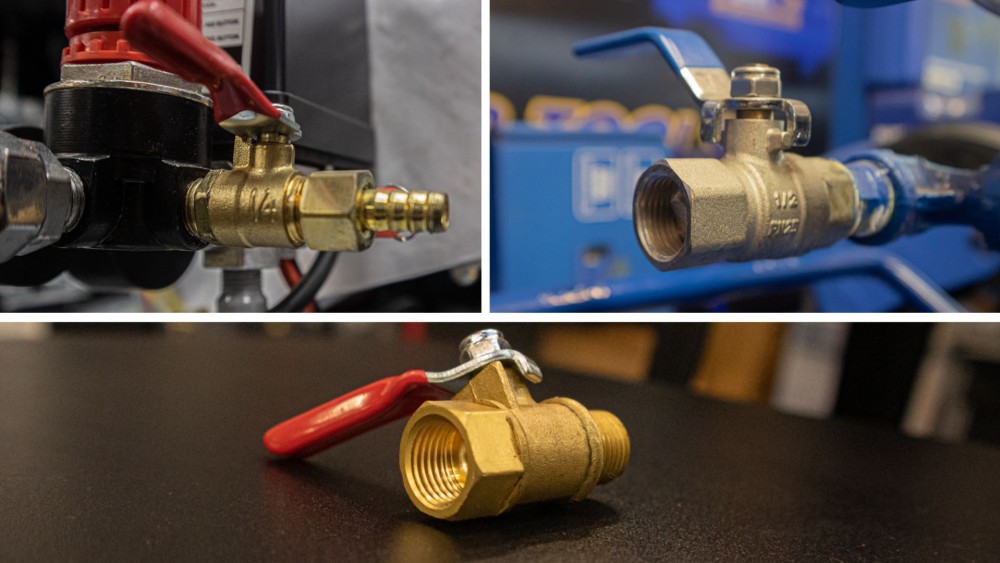
Ultimately, the lifespan of a pneumatic valve does not depend on a single factor, but rather on air quality, usage, frequency, and maintenance combined. However, I believe that with proper care, clean air, operating within specifications, and regular inspections, a pneumatic valve can provide reliable service for many years. Also, remember that choosing the right valves—such as ball valves or pressure control valves installed within the same system—ensures smooth overall operation and maximum cost-effectiveness.
Don't forget to pay attention to lifespan and maintenance, because even though it is a small component in the system, Pneumatic Valve it is the key to keeping machinery running continuously and safely.