


 EN
 ไทย


Customers Also Purchased
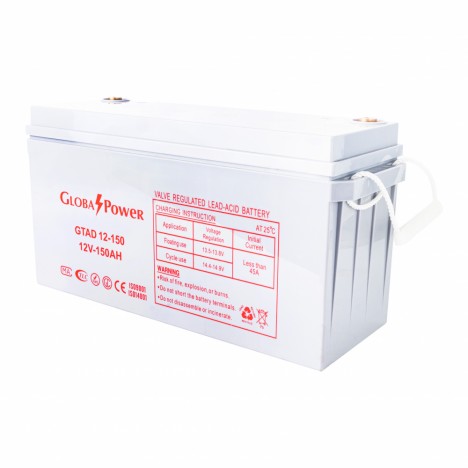
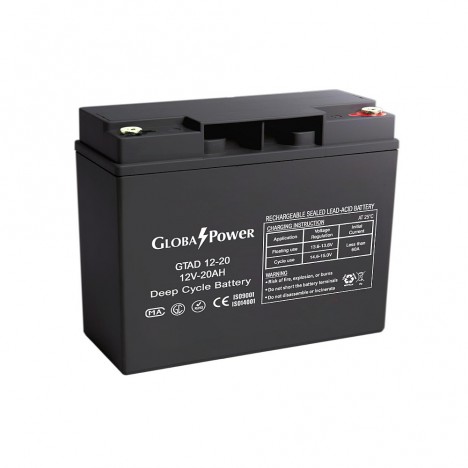
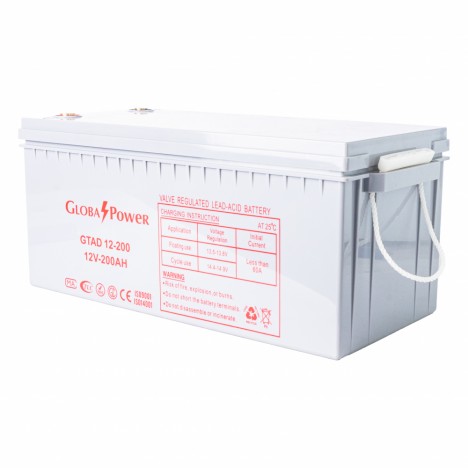
Installing rooftop solar panels on homes or factories to generate electricity is attracting widespread interest because it helps save on electricity bills while using clean energy. However, once people start looking into it, they often come across the question: "Do we need a solar battery ?", "Is it really necessary?"
The answer to this question isn't a simple "yes" or "no" because it depends on the type of solar system you have and your specific electricity consumption needs. Today, we'll dive deep into the role of batteries across different solar systems—On-Grid, Off-Grid, and Hybrid—to give you the full picture before you make a decision.
Why Do "Solar Batteries" Come into the Picture?
First, let's understand the role of batteries in a solar system.
As you probably know, solar panels only generate electricity when there is sunlight. When the sun rises, they start producing power; when it sets, generation stops immediately. The issue is that we don't only consume electricity during sunny daytime hours. We also need power at night, or on overcast days when sunlight is weak and generated power isn't enough to meet demand.
solar battery This is precisely where it comes in to help. It acts like an "electricity backup tank," storing surplus power produced by the solar panels during peak generation hours (such as sunny middays when few people are home) and discharging the stored power when you need it but the panels cannot produce enough or any at all (such as at night or during power outages).
Having a battery in a solar system therefore adds flexibility and energy security to your electricity supply.
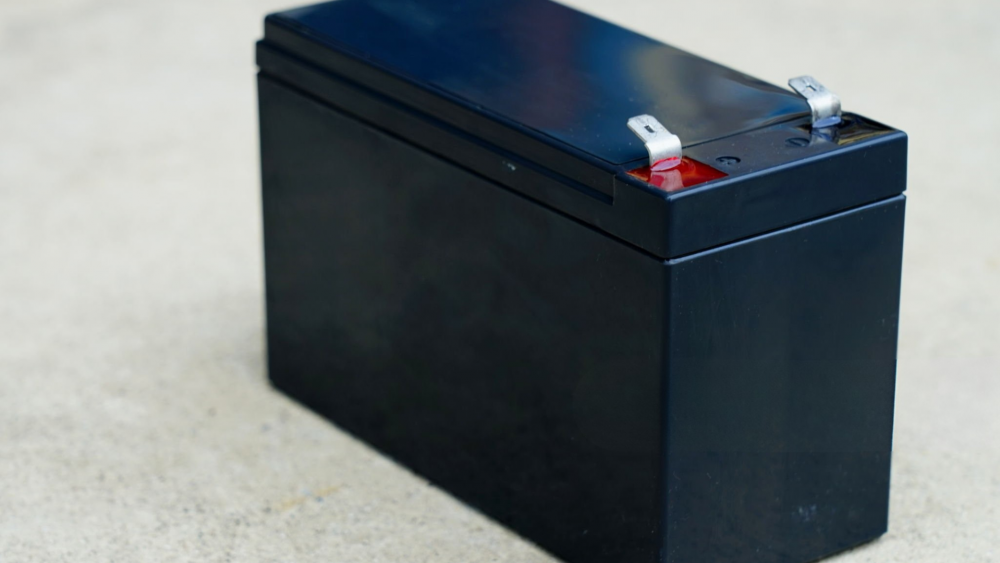
In-depth look at the necessity of batteries in each solar cell system
Commonly used solar cell systems fall into 3 main types, each having different requirements for battery use.
1. On-grid System: Primarily reliant on the utility grid
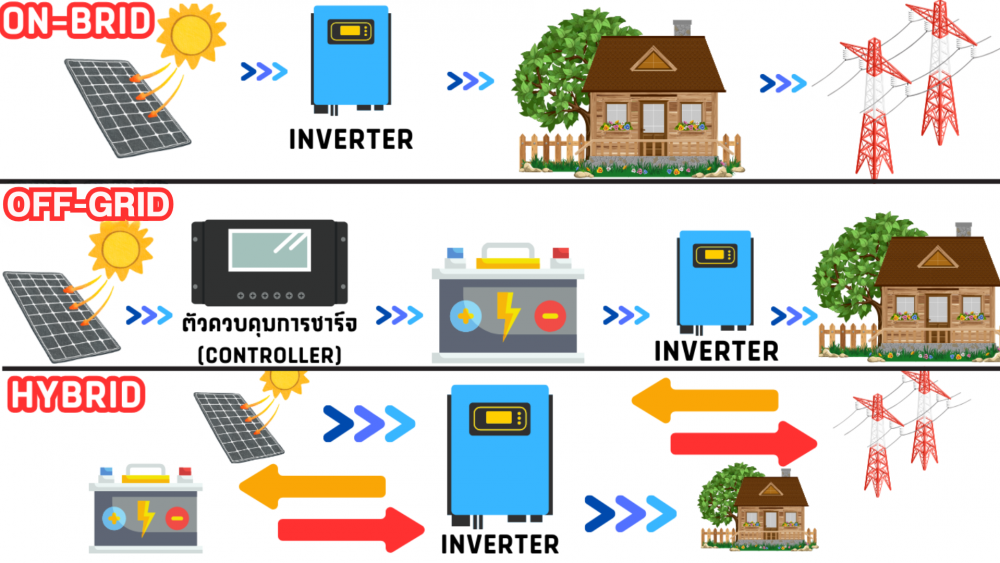
An On-grid system, also known as a Grid-tied system, is a solar power system that connects directly to the utility grid. This is the most popular system for residential homes and urban factories because it requires a relatively low initial investment.
Operating Principle of the On-grid System
- During the day when sunny: The solar panels generate electricity, which you can immediately use for appliances in your home.
- If excess electricity is generated: If the solar panels generate more electricity than you consume, the surplus power is "sold back" to the grid via a special meter (Net Metering) to reduce your electric bill in the following month.
- At night or during insufficient generation: When there is no sunlight or the panels do not produce enough power, the system automatically "draws power from the grid" to make up the difference.
Is a battery necessary in an On-grid system?
- Not strictly necessary: Basically, On-grid systems are designed to operate without a battery because they rely primarily on the utility grid for backup power at night or when solar generation is insufficient. The power grid essentially acts as a "giant battery" for us.
- Advantages of going battery-free in On-grid: It significantly reduces installation investment costs because batteries are relatively expensive, and you also do not have to worry about battery maintenance.
- Limitations of going battery-free in On-grid: If a grid power outage occurs, your solar system will also shut down immediately, even if the solar panels are still generating electricity (this is a grid safety regulation to prevent backfeeding power that could harm technicians repairing utility lines). This means that if you have no backup battery, you will have no electricity during a power outage.
When might an on-grid system add a battery?
- Some people choose to add a battery to an on-grid system, although it is not very common. The main purposes are: To provide backup power during power outages, or to manage energy usage more efficiently, such as storing surplus electricity generated during the day for self-consumption at night instead of selling it back to the grid (if nighttime electricity rates are more expensive than the feed-in tariff). However, doing this will further increase the investment budget.
Summary for On-grid: Batteries Not necessarily If your main goal is to reduce electricity bills and you are not concerned about power outages; but if you want emergency backup power or more flexible energy management, you can add one (though switching to a Hybrid system would be better).
2. Off-grid system: Operates independently from the electrical grid
An off-grid system, also known as a stand-alone system, is a solar system that is not connected to the electrical grid at all. It operates completely independently, making it suitable for areas without access to electricity or remote locations without transmission lines.
Working principle of an Off-grid system
- During the day when sunny: Solar panels generate electricity, which is first sent to be charged and stored in batteries.
- Electricity consumption: When electricity is needed, electrical appliances will mainly draw power from the battery, whether during the day, at night, or at any time.
- In case of excess generation: Any surplus electricity generated beyond what the battery can store will be wasted.
- In case of a depleted battery: If there is no sunlight for a long time or power consumption is high enough to drain the battery, the system will have no electricity available.
Is a battery necessary in an off-grid system?
- Absolutely essential! In an off-grid system, the battery is the absolute heart of the system. Because it is the only energy storage source we have to use when solar panels cannot generate electricity (such as at night or on heavily overcast days) or cannot produce enough. Without batteries, an off-grid system simply cannot function.
- Advantages of an off-grid system with batteries: You will have complete energy independence, with no reliance on the utility grid whatsoever. No more issues with brownouts or blackouts, and no more paying electric bills to the utility company.
- Limitations of an off-grid system with batteries: Very high initial installation investment, especially the cost of the batteries. Battery capacity must be calculated appropriately for daily power consumption and the desired days of backup autonomy, and periodic battery maintenance is required (depending on the battery type).
Summary for off-grid: Batteries are 100% essential because they are the sole primary and backup power storage source of the system.
3. Hybrid System: The combination offering maximum flexibility
A hybrid system, also known as a grid-tied with battery backup system, combines the advantages of both on-grid and off-grid systems. It remains connected to the utility grid while also having its own battery storage, providing exceptionally high flexibility and energy security.
Working principle of a hybrid system
- Sunny daytime: Solar panels generate electricity, which is immediately used by household appliances.
- If there is surplus power: The excess electricity generated beyond consumption will be charged and stored into the batteries first and foremost.
- If the batteries are fully charged and power remains: Any excess electricity after the batteries are full will then be "sold back" to the grid.
- At night or when production is insufficient: The system will draw power from Batteries first. If the battery runs out or is insufficient, the system will then automatically switch to "drawing power from the grid" as a replacement.
- During a power outage: This is a key highlight. The Hybrid system can supply power from the battery for you to use even during a grid power outage, because there is an automatic disconnection system from the grid during power outages for safety.
Are batteries necessary in a Hybrid system?
- Crucial and a core heart of the system: In a Hybrid system, batteries are extremely important because they act as the medium for storing and managing energy for maximum benefit. They help you make full use of self-generated electricity, reduce reliance on the utility grid, and most importantly, provide continuous backup power even during power outages.
- Advantages of Hybrid with batteries: You will benefit from both reduced electricity bills (self-consumption, feed-in tariff) and an emergency power backup system, ensuring maximum energy security and more flexible energy management.
- Limitations of Hybrid with batteries: It has the highest installation investment cost compared to the first two systems, as it requires both grid-connection equipment and more complex battery management devices.
Summary for Hybrid: Batteries Extremely important It is the core heart of the system that provides energy flexibility and security.
Popular Types of Solar Cell Batteries
Now that you know which systems require batteries, let's look at the commonly used types of solar cell batteries.
1. Lead-Acid Battery
This is a traditional battery type that has been used for a long time.
- Pros: Relatively inexpensive
- Limitations: They have a shorter lifespan (around 3-5 years), require maintenance (such as adding distilled water), and have a shallower depth of discharge (should not exceed 50% of capacity to extend lifespan), which requires a larger battery size to adequately meet usage needs.
2. Lithium-ion Battery
This is a battery type that is extremely popular both now and for the future of solar cell systems, especially the LiFePO4 (Lithium Iron Phosphate)
- Pros: It has a much longer lifespan (10-15 years or more), requires no maintenance, allows for a deeper depth of discharge (80-90% of capacity) so smaller battery sizes can be used, offers higher safety, and is lighter in weight.
- Limitations: It has a higher initial cost than lead-acid batteries, but in the long run, it is much more worthwhile.
Solar Cell Batteries: "Are They Necessary?" The Answer Depends on Your Needs
As you can see, the answer to the question of solar battery whether they are necessary is not fixed at all; it primarily depends on your electricity consumption requirements.
- If you use an On-grid system and your main goal is reducing electricity bills without worrying about power outages: Batteries Not necessarily
- If you use an Off-grid system (no electricity from the grid at all): Batteries 100% necessary
- If you use a Hybrid system (wanting to reduce electricity bills and have backup power during power outages): Batteries Extremely important and the core heart of the system
Before deciding to install a solar cell system, you should thoroughly consider your electricity usage needs: think about when and how often you use power, whether you worry about power cuts, and what your budget is. Consulting with experienced solar specialists will help you design the most suitable system and select batteries (if necessary) with the utmost cost-effectiveness and efficiency.