


 EN
 ไทย


Customers Also Purchased
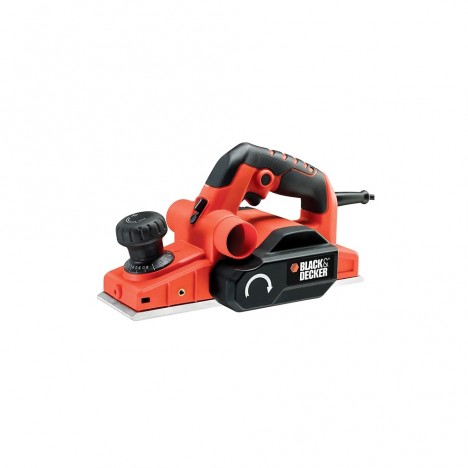
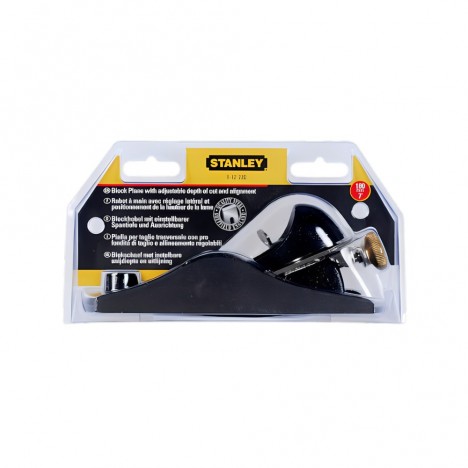
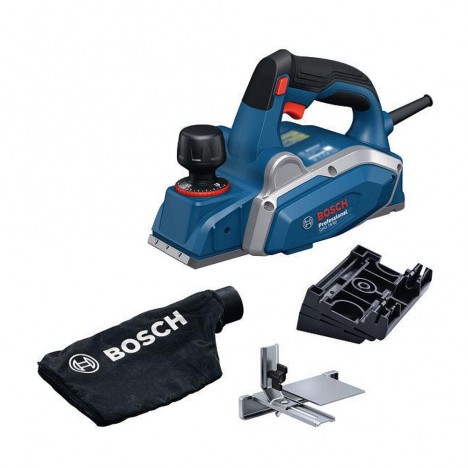


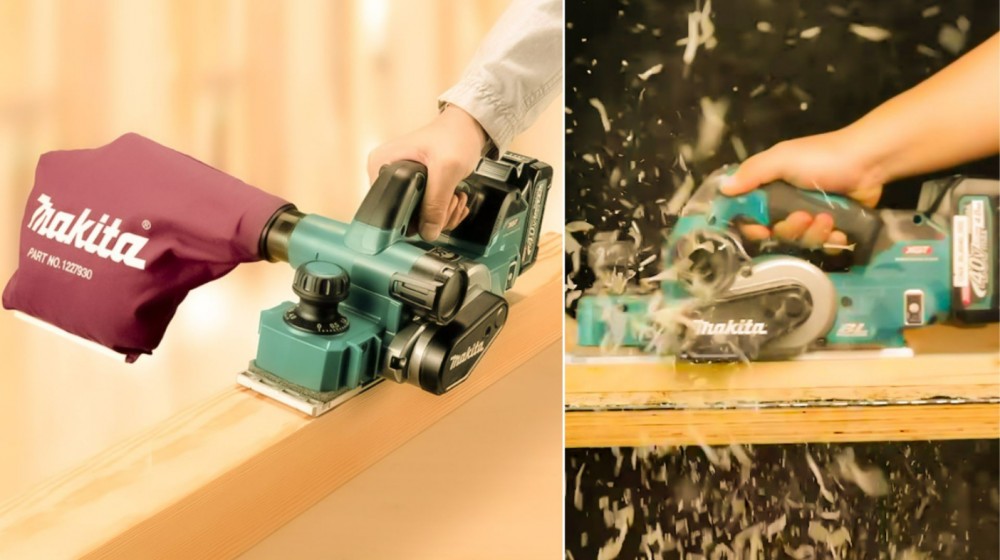
Imagine you are about to start a small woodworking project at home or in a small corner of your newly set up workshop. Even if you don't have all the tools yet, Power Planer is one of the first items many people choose to buy because it makes woodworking look neat and more professional. But the question many may still wonder is: without a vacuum or dust extractor, can we still use a wood planer?
Because anyone who has watched demonstration videos or seen craftsmen use a wood planer can probably picture just how much wood chips and dust it generates.
This article invites you to reflect and visualize how much impact using a wood planer without a dust collector really has. Is it still worth using? If you do, how should you prepare? And what alternatives exist that let you work without immediately investing in expensive equipment?
What is a wood planer? Why is it important in woodworking?
Before answering the main question of whether we should use a wood planer without a dust collector in the workshop, let's understand the basics first: what a wood planer actually is and what role it plays in woodworking, especially for everyday DIYers who might not be professional woodworkers or running a large furniture shop.
A wood planer is a tool used to flatten and smooth wood surfaces or adjust the thickness of a board uniformly. It can also be used to plane wood edges to precise angles for seamless joints or corners. Simply put, it helps woodworking projects look neat and professional. Anyone who has done DIY woodworking—whether building small shelves, coffee tables, or trinket boxes—knows that just sawing or drilling isn't enough; great woodwork comes down to finishing details, and that's exactly where a planer comes in.
So what is the problem? Why worry about dust?
A question many people might ask is: what does this have to do with a vacuum or dust collector? Isn't dust just part of woodworking? Yes, it is. But what many might not realize is that when you use a wood planer—whether manual or electric, and especially electric—it doesn't just produce fine, airborne dust like sanding wood with sandpaper; it spews out an enormous volume of wood shavings that shoot out like a
stream, making you wonder whether it's a wood planer or a wood cannon.
If you place a board on your workbench and start planing from one end to the other, wood chips will blast out of the machine's exhaust chute rapidly—long, thin, light, and completely uncontrollable. Within minutes, these shavings will scatter all over the floor, lodge into cabinet gaps, get into your shoe treads, and drift onto nearby windowsills or shelves. Imagine having to stop planing every 2-3 minutes to sweep up shavings, or else facing a huge pile accumulating across your floor.
And if you don't collect or vacuum it away regularly, the resulting problem goes beyond just a mess; it also affects your health, safety, and working efficiency.
Problems that arise without a vacuum or dust collector:
- Wood shavings clutter the floor, creating a messy and unsafe workspace
- Wood dust floats everywhere, posing risks to your respiratory health
- The included dust bag is usually too small and fills up very quickly
- Without frequent cleaning, it accumulates odors, moisture, and can even lead to mold in some cases
- Wood shavings can get trapped inside other workshop tools, causing you to waste time cleaning multiple spots.
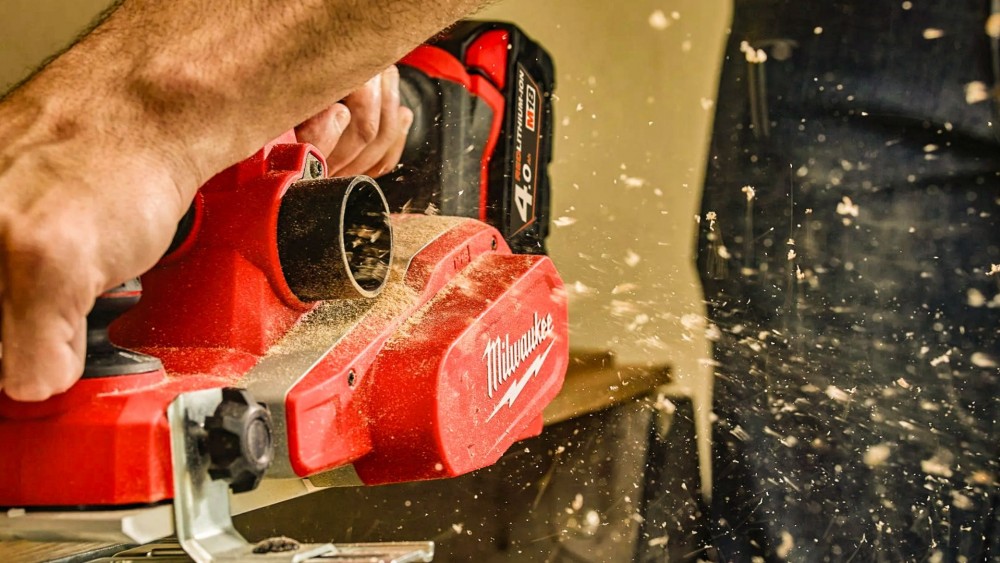
Using a planer without a vacuum: Is it really that bad?
Imagine you're starting a small woodworking project in a little corner of your house. There's no sturdy workbench, no expensive high-end tools, and certainly no large dust collector hooked up. You might have just bought your first electric hand planer that came with a small dust bag. Unboxing it, you feel like everything should be fine—it doesn't look overly complicated. You tell yourself, "Come on... how much wood shavings could there be? I can just sweep them up later while planing."
But once you actually start planing, you'll witness something you might never have anticipated. The wood shavings coming out don't just float gently like sandpaper dust; they shoot out in long, thick streams, scattering wildly in every direction across the room. In less than two minutes, the small dust bag is packed tight, and shavings start overflowing from its opening. What was once a clean space is now covered in piles of wood shavings—especially in tight corners like beside tables, cabinets, or even the potted plants by your window, which aren't spared either.
You have to stop working on your wood to grab a broom, sweeping and clearing round after round like raking leaves after a rainstorm. It makes you realize that a planer isn't just the small, quiet tool you initially thought it was; it's a miniature chaos generator if you don't have proper management or auxiliary tools to help.
What are the impacts of dust from a planer?
These things may seem harmless at first, but over time, the accumulation of wood dust becomes a bigger problem—affecting health, cleanliness, safety, and even inadvertently compromising the quality of the woodworking you're putting your heart into.
1. Health and Safety
One thing many overlook is that wood dust is no small matter. Especially when working in an enclosed space or indoors, fine dust from using a planer easily enters the respiratory tract, which definitely impacts health in the long run—causing allergies or respiratory diseases, for example. Those wood shavings that look like harmless chips can also harbor mold or pests if left uncleaned when you work frequently.
Potential health impacts:
- Risk of chronic respiratory diseases
- Triggers allergy symptoms in people sensitive to dust
- Eye and skin irritation from fine wood dust
- Mold accumulation from uncollected damp wood shavings
- Risk of spreading pests or cockroaches hiding in crevices filled with wood shavings
2. Workshop Cleanliness and Order
Even if you aren't strict about health, everyone wants their workshop to stay clean, right? Uncollected wood dust or shavings don't just create clutter; they also make wood sit unevenly on surfaces, render workbenches unlevel, dirty your next workpiece, or force you to clean pieces repeatedly. It really wastes time—instead of helping, the planer ends up causing more chaos.
Potential impacts of a cluttered workshop:
Potential impacts of a cluttered workshop:
- Workspace inadvertently shrinks due to accumulating wood shavings
- Time wasted cleaning before starting work every single time
- Causes other tools to get dirty or slippery when handling.
- Freshly planed woodwork may collect dust, requiring extra wiping or sanding.
3. Minor accidents that follow
A large amount of wood chips on the floor might seem harmless, but slipping on them or losing your balance while using other tools can be dangerous. Sometimes, tiny wood shavings can also get lodged in the planer's blade slot, causing an uneven cut or equipment malfunction.
Possible scenarios:
- Slipping by stepping on wood chips when you are not paying attention
- Wood splinters sticking to shoes and getting tracked all over the house
- Wood debris getting stuck in certain tools, causing inaccuracy during use
So without a dust extractor, how can we still use a planer?
I understand that workshop dust extractors are not cheap; they range from thousands to tens of thousands of baht. If you are just starting out or woodworking is just a hobby, making such a heavy investment might be too much. Let's look at some ways to adapt and use a planer without relying on a dust extractor.
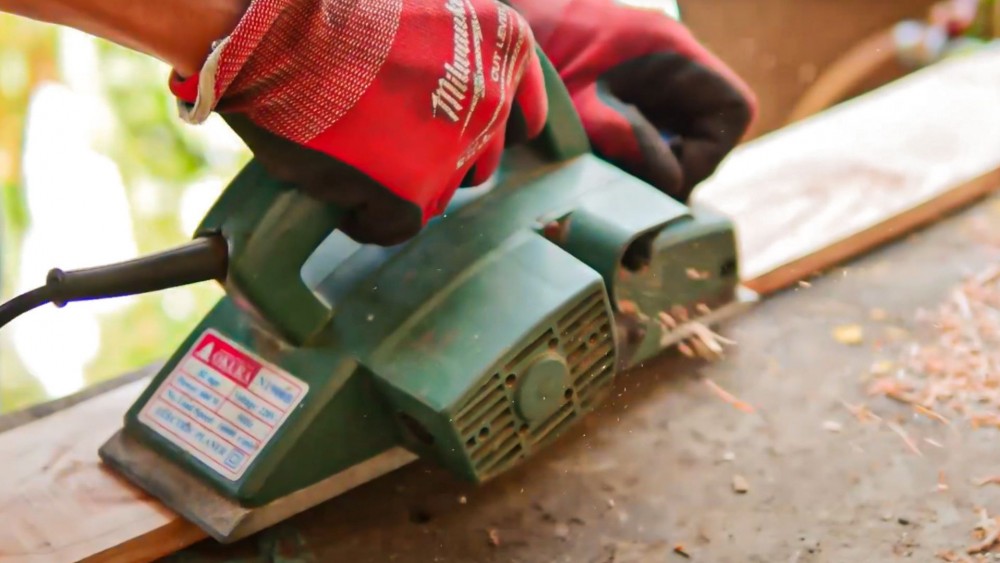
1. Use the planer in an open area or set up an outdoor workshop entirely
If possible, move your work to an open area such as a balcony, patio, or garage. This will prevent dust from accumulating in an enclosed room, and the wind can help blow wood shavings away. However, be careful not to blow dust toward your neighbors' houses.
Advantages of working outdoors:
- Reduces dust accumulation in enclosed rooms
- Good ventilation helps reduce discomfort while working
- No need to worry about dust settling on furniture or household items
2. Lay down a tarp or drop sheet before starting
Another way to reduce wood chips scattering all over the floor is to lay down a tarp or drop sheet beneath your work area. This is especially useful if you plan to plane multiple workpieces or continuous long boards. The tarp catches all the falling wood chips, allowing you to clean up quickly and neatly. Once finished, simply fold or lift the tarp and dump the shavings out. This saves floor sweeping time and prevents debris from scattering into other tools or living areas.
3. Use a dust bag
Although a dust bag will not catch everything, it is much better than having none at all. Some models can even be adapted to connect with a standard household vacuum hose. While not as powerful as a dedicated unit, it still helps keep the workshop reasonably clean.
Things to know about dust collection bags:
- Smaller bags fill up quickly and require frequent emptying.
- Some bag models can be adapted to connect a vacuum hose.
- Bags without good ventilation may blow dust back out.
4. Work in short intervals
Avoid planing a large amount of wood all at once with plans to sweep only at the end, as the debris will be excessive. Instead, plane a little at a time and stop to clean up periodically, which saves you from exhausting cleanups.
How working in intervals helps:
- Reduces the chance of wood shavings piling up out of control.
- Allows you to periodically check the quality of your work.
- Eliminates the exhaustion of a massive cleanup after finishing.
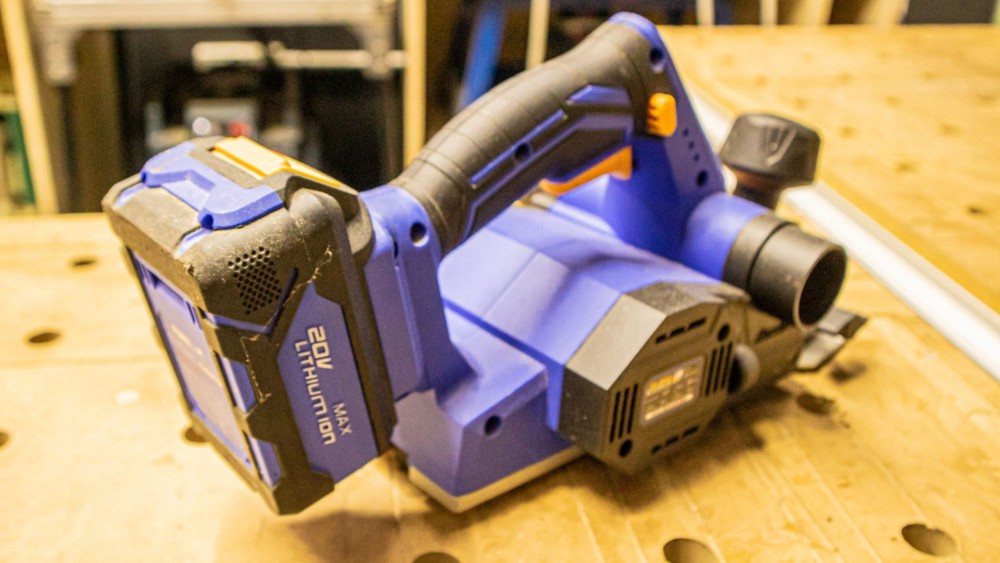
Conclusion: Should you use a wood planer if you don't have a dust collector/vacuum?
Honestly speaking, it's quite usable. However, you need to understand the limitations and be prepared to manage dust and wood chips effectively. Don't assume you can leave it all to clean up at the end; that will make your workshop cluttered and disheartening, potentially making you not want to do woodworking at all.
However, if you utilize the helpful methods mentioned—such as working in open areas, laying down tarps, using dust collection bags, and planing in intervals—you can use a wood planer without having to invest in an expensive dust extractor. With just a little understanding and care, your woodworking can remain fun and clean as always.
Finally: Don't let dust ruin the fun of woodworking
I believe many people who take up woodworking do not do so as a business or as professional craftsmen, but simply because they love and feel good about making things with their own hands. A wood planer is one of the tools that helps you do that better, more accurately, and produce truly finished-looking pieces. Don't let a bit of dust or wood shavings stop you from that enjoyment.
Try adapting methods and using ideas that suit your space, and you'll find that even without a dust extractor, Power Planer it can still always be one of the core tools for woodworking enthusiasts.