


 EN
 ไทย



Customers Also Purchased
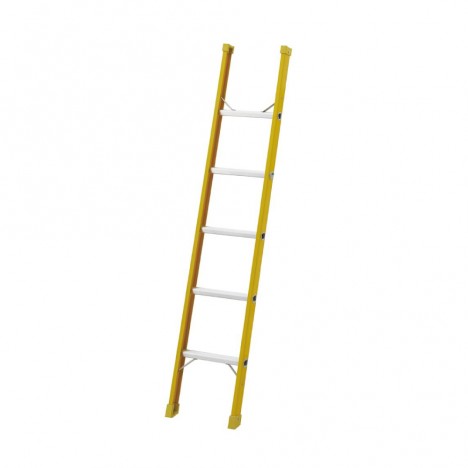
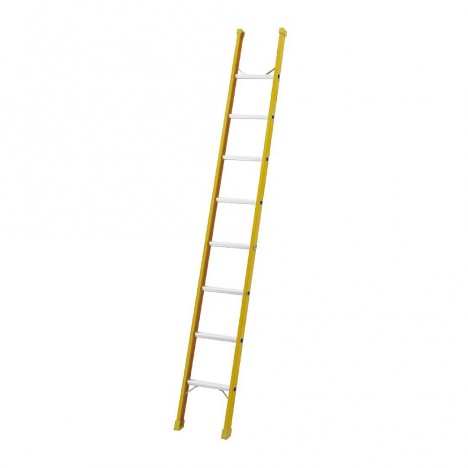
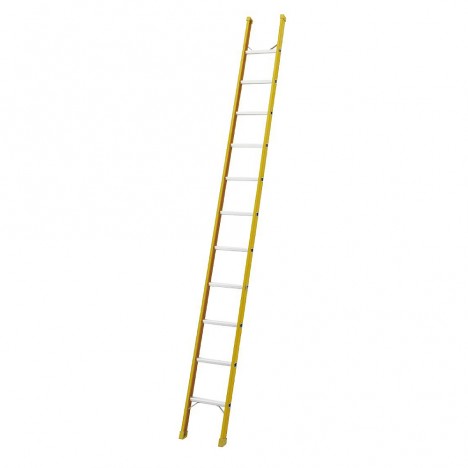


Have you ever wondered when buying a ladder, besides the height and shape, how important the material really is? Especially between the two most popular materials like Fiberglass Ladders and Aluminum Ladders that we often see sold side by side. How are they different? Which one is truly better? Today, we will delve deep into the pros and cons of both ladder types so you can make the most cost-effective and safest decision for your work.
Getting to Know Both Types of Ladders: Fiberglass and Aluminum
First of all, let's take a look at the basic properties of both types of ladders.
Aluminum Ladders: Aluminum ladders are the ones we are most familiar with. It is a widely used material with a key prominent feature: Lightweight making it extremely convenient to move around, whether loading it onto a vehicle, squeezing into tight spaces, or carrying it to various work spots with ease. In addition, aluminum is also rust-free as well, making it corrosion-resistant and suitable for both indoor and outdoor use. You don't have to worry about deterioration from moisture or rain. Furthermore, it is strong, durable, and supports a fairly good amount of weight, making it suitable for general household use or various industries.
Fiberglass Ladders: As for fiberglass ladders, they might not be as familiar to the general public as aluminum ladders, but technicians or electricians know them very well. Fiberglass is an extremely strong composite material with its most important feature being that it is non-conductive to electricity. This is what clearly sets it apart from aluminum, as fiberglass helps protect users from electrical shock hazards. Additionally, it is resistant to chemical corrosion better than aluminum, moisture-resistant, rust-free, and holds up well against fluctuating weather conditions—whether hot, cold, intense sun, or rain, it rarely has any issues.

Head-to-Head Comparison: Fiberglass Ladder vs. Aluminum Ladder – What Are Their Pros and Cons?
Now, let's look at a side-by-side comparison in each aspect to see where each of these two ladders excels or falls short.
1. Electrical Safety: Which Offers the Highest Safety?
- Fiberglass Ladders: In this aspect, fiberglass provides significantly higher safety because it acts as an electrical insulator, excellent, able to resist very high electrical currents—some models can even protect up to 25,000 volts! This makes it the safest choice for electrical work, whether it's electrical system repairs, equipment installation, or working near live wires. Choosing a fiberglass ladder significantly reduces the risk of electric shock.
- Aluminum Ladders: Aluminum is a metal, and of course, it conducts electricity well Therefore, using an aluminum ladder for electrical-related work is extremely dangerous. If it accidentally comes into contact with a live wire, the electricity will immediately flow through the ladder to your body, which could even be fatal.
Summary: If your work involves electricity, you should choose a fiberglass ladder for maximum safety .
2. Weight and Portability: Which is lighter?
- Fiberglass Ladders: It must be said that fiberglass weighs noticeably more than an aluminum ladder. Especially for large ladders or multi-section extension ladders, moving them alone might not be very convenient, requiring more physical effort or even an extra person to help lift it.
- Aluminum Ladders: Quite the opposite, aluminum has properties that are Lightweight making it easy to move around and very convenient to carry. It's suitable for tasks that require frequent ladder repositioning or for people who often work alone.
Summary: If you prioritize lightness and portability, Aluminum Ladders an aluminum ladder will meet your needs better.
3. Durability and Use in Various Environments: Which is more durable?
- Fiberglass Ladders: Fiberglass ladders are known for their high durability They withstand changing weather conditions well, whether extreme heat, extreme cold, intense sunlight, or heavy rain—hardly causing any issues. Plus, they resist chemical corrosion better than aluminum, do not rust, and are also resistant to UV degradation. This gives them an exceptionally long lifespan—some models can last for over 10 years if well maintained.
- Aluminum Ladders: Aluminum also offers a good level of durability. rust-free like steel, making it suitable for use in damp environments or exposed to rain. It resists corrosion reasonably well, but when it comes to resistance against certain harsh chemicals or degradation from direct UV rays, it may not match fiberglass. Moreover, under heavy impacts, aluminum is more prone to deforming than fiberglass.
Summary: If you need a ladder that is durable, suitable for challenging environments, or frequently exposed to chemicals, Fiberglass Ladders will be a sturdier option in the long run.
4. Price: Which one is more economical?
- Fiberglass Ladders: Generally, fiberglass ladders tend to have a considerably higher price than aluminum ladders, due to higher material costs and more complex manufacturing processes, as well as special features like electrical insulation that provide added safety.
- Aluminum Ladders: Aluminum ladders typically have a more affordable price, making them an easily accessible choice for general users or tasks that do not require the specialized properties of fiberglass.
Summary: If budget is a key factor and your work does not involve electricity, Aluminum Ladders may offer better value for your money.

5. Maintenance and care: Which is easier to use?
- Fiberglass Ladders: Maintaining a fiberglass ladder is quite simple; general cleaning is sufficient because it does not rust and is weather-resistant. However, one thing to watch out for is cracking. Heavy impacts on certain spots can cause cracks or fractures, which are difficult to repair back to their original strength. Additionally, once damaged, it usually cannot be sold as scrap for recycling like aluminum.
- Aluminum Ladders: Aluminum ladders are also easy to maintain; regular cleaning and general inspection are enough since they do not rust. Another advantage is that if it bends or suffers minor damage, some technicians may be able to bend it back for continued use. Most importantly, at the end of its service life, you can still sell it as scrap aluminum for recycling.
Summary: Both types are equally easy to maintain, but aluminum ladders may have an advantage in terms of recyclability if severely damaged.
So, which one should you choose?
From the comparison above, you can probably see that each ladder type has its own strengths and weaknesses. Saying that "one is definitively better than the other" isn't entirely accurate, as it depends on "your intended application" as the primary factor.
Choose a "fiberglass ladder" if...
- You regularly work with electricity or in environments with a high risk of electric shock.
- You need a ladder that is chemical-resistant, sun- and rain-resistant, and has an exceptionally long service life.
- You prioritize maximum safety, even if it requires a slightly higher investment.
Choose an "Aluminum Ladder" if...
- You need a ladder for general household use or non-electrical tasks.
- You need a ladder that is lightweight, easy to move, and convenient to carry.
- You have a limited budget and want a cost-effective ladder at an accessible price.
Additional thought: Sometimes, some fiberglass ladder models come with aluminum rungs/steps to reduce weight and increase the strength of the rungs, while the main side rails remain fiberglass to maintain electrical insulation properties. This is another very interesting alternative.

Choose What's "Right", Not Just What's "Expensive"
Choosing the right ladder for your needs doesn't mean buying the most expensive one or the one with the most features. It means getting a ladder that truly answers the specific demands of your job—safely and worth every penny.
Hopefully, this clear comparison will help you confidently choose between "Fiberglass Ladders" or "Aluminum Ladders" and put them to use with maximum safety and efficiency.