


 EN
 ไทย


Customers Also Purchased
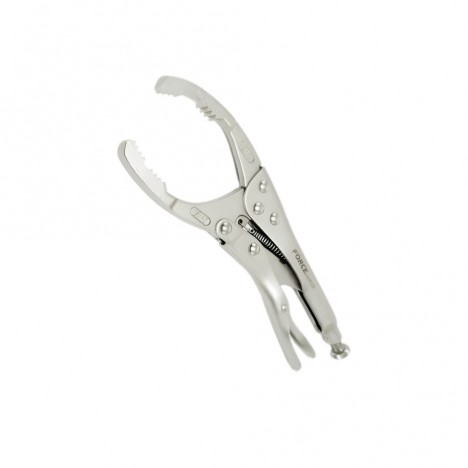
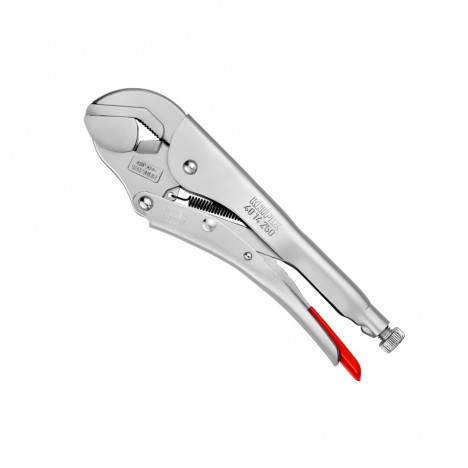
You might think that Locking Pliers (Locking Pliers) are just another tool you own. But did you know that if you like to use locking pliers incorrectly, you need to watch out! Because if used improperly, not only will your workpiece be ruined, but your hands might also get hurt! Some people might think, "Locking pliers are just ordinary pliers—just press and squeeze and they work." But hold on! It's not that simple! That's why in this article, I'll reveal the proper and fun way to use locking pliers. Guaranteed to turn you into a locking pliers pro in no time! If you're ready, let's dive into the article!
Why you need to know how to use locking pliers properly
Before getting into how to use them, let's briefly understand why these locking pliers need to be used properly. Locking pliers look simple, but beneath the surface, they are packed with technical details you need to understand. If used incorrectly, not only can the workpiece be damaged, but there is also a risk of accidents—such as getting your hand pinched, fingers struck, or damaging the workpiece. All of these can happen from careless use or not understanding how the tool works.
Using locking pliers properly not only makes them work better, but also extends the tool's lifespan, reduces the risk of injury, and makes your work much more precise and efficient.

Common mistakes when using locking pliers
I'm going to expose this! This issue belongs on talk shows! These outrageous locking pliers habits make you want to yell, "STOOOOP!" Because not only do they ruin your work, but sometimes your own hands end up injured too. Alright, who's guilty of which one? Confess up!
Using locking pliers in place of dedicated tools
This is a super common one! When facing a stubborn bolt or lacking the exact wrench size, many people grab locking pliers, clamp onto the bolt head, and twist with all their might! If you use locking pliers to turn bolts frequently, the jaws will definitely deform and break 100%, or they can easily slip off during use, risking unexpected injury or ruined workpieces. Furthermore, using them instead of a bench vise for tasks requiring stability—such as drilling or cutting—can cause the workpiece to shift and lead to inaccuracies, resulting in wasted time reworking or unnecessary scrap.
Squeezing too hard, damaging the mechanism
Some people think that the harder you squeeze locking pliers, the tighter the grip will be! So they go all out with full force, squeezing until their veins pop and muscles bulge! Did you know that adjusting the locking pressure beyond what is necessary not only deforms the jaws, but also accelerates wear on the internal mechanism? Examples include broken springs, bent handles, or jammed release levers. Additionally, it increases the risk of bite marks, gouging, or permanent deformation on clamped materials like wood, plastic, or aluminum, forcing the workpiece to be discarded or repaired—wasting both time and money.
Clamping workpieces unsuitable for the jaw shape
For example, using curved jaws on flat sheet metal, needle-nose jaws on round pipes, or locking C-clamps on improperly aligned round workpieces. The result is poor grip or slippage, risking hand injuries or ruined parts. It also risks bending or prematurely wearing out the jaws due to unbalanced pressure. This is a crucial reason to choose locking pliers suited to the specific job, rather than just using "the only pair in hand" for everything.
Allowing oil stains/debris to build up on the jaws
These residues reduce friction, preventing a secure grip and risking slippage during work. Especially when working on metal parts that are already oily or damp, the chance of the pliers slipping off position increases significantly, leading to inaccuracies or hazards from sudden recoil upon slipping. Letting the jaws stay dirty isn't just a matter of cleanliness—it's directly a matter of safety.
Never maintaining the tool
Never lubricating or cleaning after use leads to jammed mechanisms, poor clamping, or failure to unlock. Neglected mechanisms become stiff, sticky, and can rust at pivot points or the pressure adjustment screw, making the tool harder to use each time. In the long run, it may necessitate replacing the tool entirely. In reality, simply wiping it down with a cloth and oiling it regularly allows locking pliers to perform reliably for years.

Accidents from improper use of locking pliers
Don't let locking pliers—meant to be your "helper"—become the "villain" in your life
- Pinching hands during release due to spring kickback: especially when users forget to adjust the locking pressure properly or rush to release it, the release lever can kick back forcefully, striking the hand or fingertips. Uncontrolled release can cause bruising, pain, or even lacerations in some cases.
- Fingers slipping off handles when gripping too hard: especially when the handles lack non-slip material or have oil on them, your hands can slip off while exerting force. This can lead to impacts or loss of control over the pliers, which not only risks finger or wrist injuries, but could also send the tool flying into nearby objects or bystanders.
- Workpiece flying into the face from slipping loose due to an insecure grip: especially with small, light, or oily workpieces—such as metal pipes or lubricated parts—insufficient clamping pressure can cause the workpiece to snap or rebound when extra force is applied during cutting, drilling, or pulling. This can unexpectedly strike the face, eyes, or head, causing severe injuries if proper PPE, like safety glasses, is not worn.
Workpiece damage
- Workpiece distortion: especially with soft materials like aluminum, plastic, or wood sheets, which cannot withstand as much clamping pressure as harder materials. Squeezing too tightly or choosing the wrong type of pliers will warp, crush, or distort the piece, rendering it unusable or causing misalignments in subsequent assembly or joining steps.
- Deep bite marks on material surfaces, making them unusable: particularly on finished parts like machine spare parts, covers, or furniture. Excessive clamping force or failing to use protective jaw pads can leave permanent indents that cannot be sanded or buffed out, forcing the material to be scrapped or replaced and resulting in compromised quality and higher costs.
- Edge deformation: especially when locked too tightly without protective pads. The direct clamping pressure from the bare jaws concentrates on small edge areas, easily crushing, denting, or tearing the edge. For work requiring neatness—such as framing, trims, or assembled frames—edge damage can ruin the entire piece or prevent it from fitting properly with other components.
How to Use Locking Pliers Correctly, Safely, and with the Best Results
As explained above, I think you now know that our locking pliers are not just ordinary tools if you know how to use them correctly! They will make your work a piece of cake, and most importantly, ensure safety.
Choose the right type of locking pliers for the job
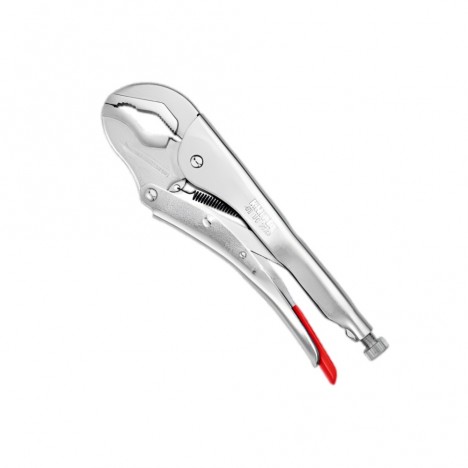
- Straight Jaw: Ideal for clamping flat or square workpieces such as angle iron, box tubing, or sheet metal. Perfect for tasks requiring high precision like corner welding or frame alignment. The straight jaw provides uniform, perpendicular pressure, holding materials securely without distortion.
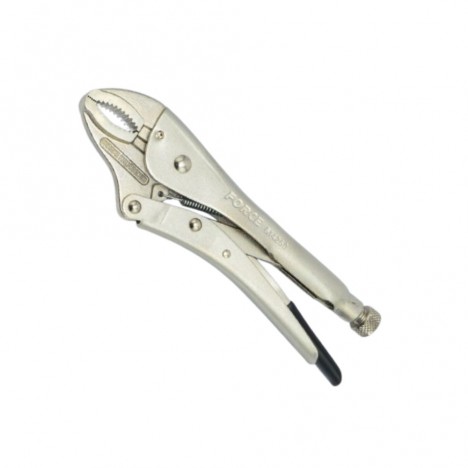
- Curved Jaw: Ideal for holding round or curved objects like metal pipes, nuts, or workpieces with rounded, non-angular surfaces. The curved jaw design distributes pressure more evenly around the workpiece, reducing the chance of slipping. It is well-suited for jobs requiring high clamping force without allowing the part to turn, such as gripping pipes for tightening fittings or holding irregularly shaped engine components.
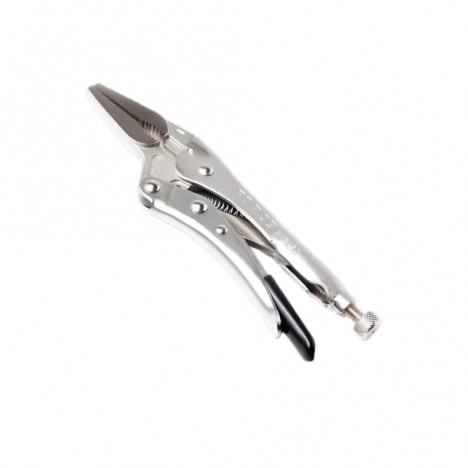
- Long Nose: Ideal for working in tight spaces, corners, or areas inaccessible to larger tools, such as inside cramped machinery, cabinet crevices, or electrical systems. The pointed tip allows precise gripping of small parts like wires, terminals, or circuit boards. It is also suitable for electronics work where fine clamping force control is needed to prevent damaging delicate components.
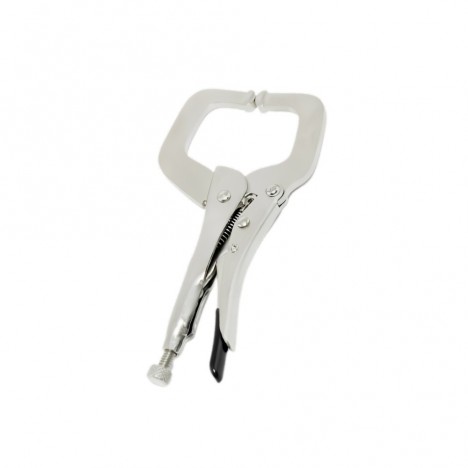
- C-Clamp: Ideal for welding, sheet metal work, and jobs requiring large workpieces to be clamped securely. The C-shaped jaws can firmly hold flat materials or multiple layers with well-distributed pressure without warping the material. This makes it excellent for temporary holding during welding, assembly, or steel framing alignment, as well as clamping protruding corners or edges that standard pliers cannot easily reach.
Adjust the locking pressure screw properly
Turn the adjustment screw at the base by hand to match the thickness and material of the workpiece. Perform a light test clamp before actual use by squeezing the pliers until they grip moderately tight. If it feels too difficult to release, it is too tight, which may damage the workpiece or cause a violent snap-back upon release. Loosen it slightly and retest until you find a locking point that holds firmly without requiring excessive force to release.
Wipe the jaws clean before use
Remove oil stains, dust, metal shavings, and any rust on the jaws before use. This ensures the pliers can grip the workpiece firmly without slipping or loosening during operation. In addition to improving gripping efficiency, it reduces the risk of accidents and extends the lifespan of the tool.
Remember to unlock mindfully
Press the release lever with one hand, controlling the pliers so they open smoothly without a sharp kickback, which could injure your hand. Use your fingertips to gently push the release lever while keeping the pliers oriented in a controllable direction at all times, especially under high clamping pressure. Make sure the workpiece is supported or secured before releasing to minimize the risk of the tool jerking or accidentally pinching your hand.
Use moderate pressure; tighter is not always better
Excessive tightness can damage the pliers or ruin the workpiece. Clamp just firmly enough without exerting exhausting force. Excessive clamping force not only accelerates wear on the internal mechanism, but also increases the risk of damaging the material through unintended crushing, cracking, or bending. A good technique is to test with a light lock first; if the pliers hold the workpiece securely without movement, there is no need to add more pressure.
Conclusion
While locking pliers are truly an indispensable partner for every tradesperson, using them improperly can turn expected convenience into the cause of bigger problems. Therefore, learning the fundamentals of proper use, knowing how tightly to clamp, choosing the right jaw style, and performing regular maintenance will ensure you use locking pliers safely, efficiently, and cost-effectively on every project.