


 EN
 ไทย


Customers Also Purchased

Ever wondered how these Screw little things we see so often actually work? Sometimes they're on furniture, sometimes hidden inside our electronic appliances. In fact, screws are the heart of almost every craftsmanship job! They are fasteners that keep everything secure and sturdy, whether it's self-assembled tables, large building structures, or even tiny screws in our electronic gadgets. In this article, we'll dive deep into screws—from simple working principles to various types, and most importantly, how to choose the right one for your work. Let's get started!
How Do Screws Actually Work?
In simple terms, screws are incredibly clever! They act like a "magic spiral" that converts our twisting motion into a slow forward movement as we drive it in, boring into the material while creating a tight grip on its own! Just by turning it, rotational force (also known as "torque") drives the threads to lock with the material and gradually pulls the screw deeper—the deeper it goes, the tighter it holds! And what makes screws better than nails is that they are much easier to remove. If you ever need to dismantle or make adjustments, it's virtually hassle-free.
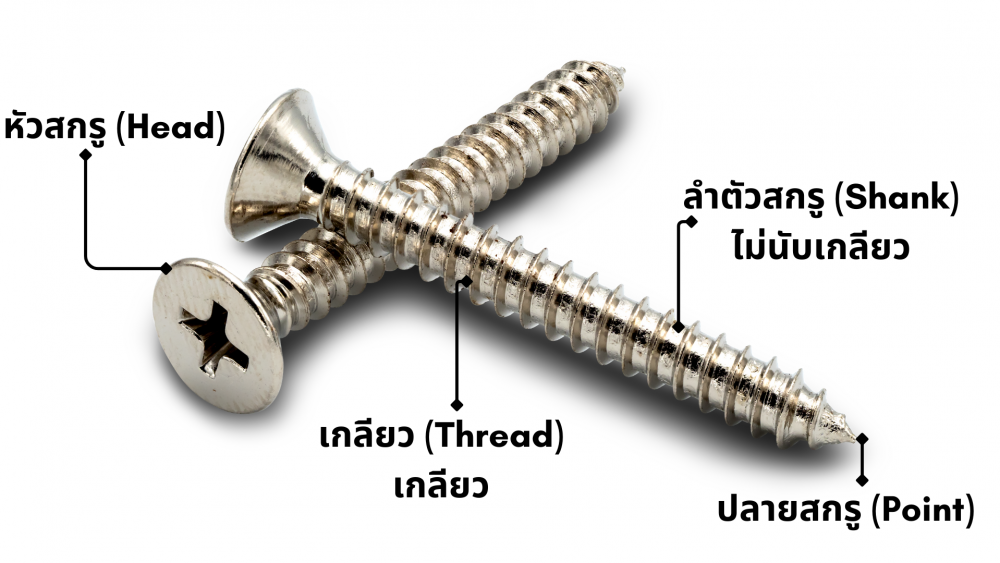
Every screw consists of 4 main parts, which are:
- Head: Where you insert the screwdriver.
- Shank: The smooth section connecting the head to the threads.
- Thread: This is the core! The spiral section wrapped around the shaft that grips into the material.
- Tip/Point: The sharp part that pilots into the material first.
A little tip: the finer the thread pitch on a screw, the greater the holding power it generates—though it will take more turns to tighten securely.
How Many Types of Screws Are There? Confused by the Variety? Don't Worry, We'll Break It Down!
There really are countless types of screws. Although most feature a drive slot for a screwdriver, most screws are specifically designed to suit different tasks and materials—some for wood, some for metal, or even concrete! Let's take a look at the most common types and what they're used for.
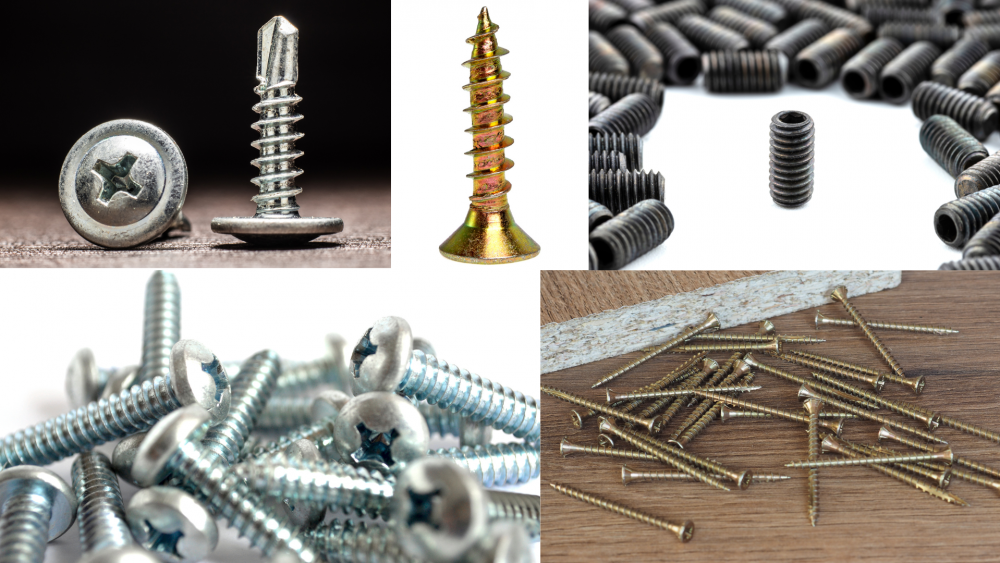
- Self-Tapping Screws: This one is a smart screw! Its great advantage is that as it's driven in, it creates its own mating threads directly inside the material—no need to hassle with drilling a pilot hole. This creates a perfectly matched, ultra-tight fit. It's suitable for softer materials like wood, plastic, or thin sheet metal (it might be a bit tough if thicker than 1 mm). If you're doing light-duty work or tasks requiring frequent assembly and disassembly, like air conditioner components or assembling IKEA furniture, this is the one!
- Wood Screws: As the name clearly suggests, they are "used for wood"! They are specifically designed to fasten two pieces of wood together. The screw is usually made of metal, strong and durable, with a sharp point and a tapered shank to easily penetrate the wood. And here's a firsthand tip: "Drilling a pilot hole before driving in a wood screw makes the job so much easier! Plus, it holds tighter and prevents the wood from splitting."
- Masonry Screws: Anyone working with mortar, brick, stone, concrete, or cement blocks—this is your best partner! Masonry screws are typically made from carbon steel or stainless steel, and some come with anti-rust coatings. Their threads are deeper and coarser than standard screws to grip tightly into hard surfaces, making them ideal for heavy-duty applications.
- Security Screws (Tamper-Proof Screws): Ever encountered a screw that was extremely difficult to remove? That's a security screw! It looks like a standard screw, but its head is specially designed so it cannot be removed with a regular screwdriver—requiring dedicated tools instead. Ideal for high-security applications such as public signage or equipment needing tamper protection.
- Grub Screws / Set Screws: This is a peculiar-looking screw that usually has no head! It is used to secure two parts together by pressing one tightly against the other, creating clamping force to hold small components like gears onto rotating shafts. If your job requires a smooth, flush finish with no protruding screw head, this is the perfect solution!
- Self-Drilling Screws: Similar to self-tapping screws, but even cooler because the tip looks like a mini drill bit! This means it can drill a hole and form threads all in one step, saving you the hassle of drilling a pilot hole. Super convenient for wood and metal work, such as roofing installations.
How to Drive and Remove Screws Safely and Flawlessly!
Using screws isn't hard, but if you want the results to be great and safe, pay a little attention to detail!
How to Drive Screws Like a Pro
- Choose the right size: Make sure the screw you choose is the right type and the right length for your job.
- Align in place: If you are joining two pieces together, align them properly first.
- Mark the spot: Use a pencil or pen to mark the exact spot where you want to drive the screw.
- Drill a pilot hole (if necessary): For some types of screws (like wood screws), pre-drilling a pilot hole with a small drill bit will make driving the screw in much easier and prevent the material from splitting.
- Tighten securely: Insert the screw into the hole (if any) and use a screwdriver to gently tighten it until it is properly set.
Easy ways to remove a screw
- The screwdriver must match the screw head: Choose a screwdriver that matches the shape of the screw head for a firm grip without slipping or stripping.
- Turn out slowly: Turn the screwdriver counterclockwise to loosen the screw from the material.
- Watch out for falling parts: Once the screw is loose, you can pull it out by hand. But be careful! The parts being held together may come loose.
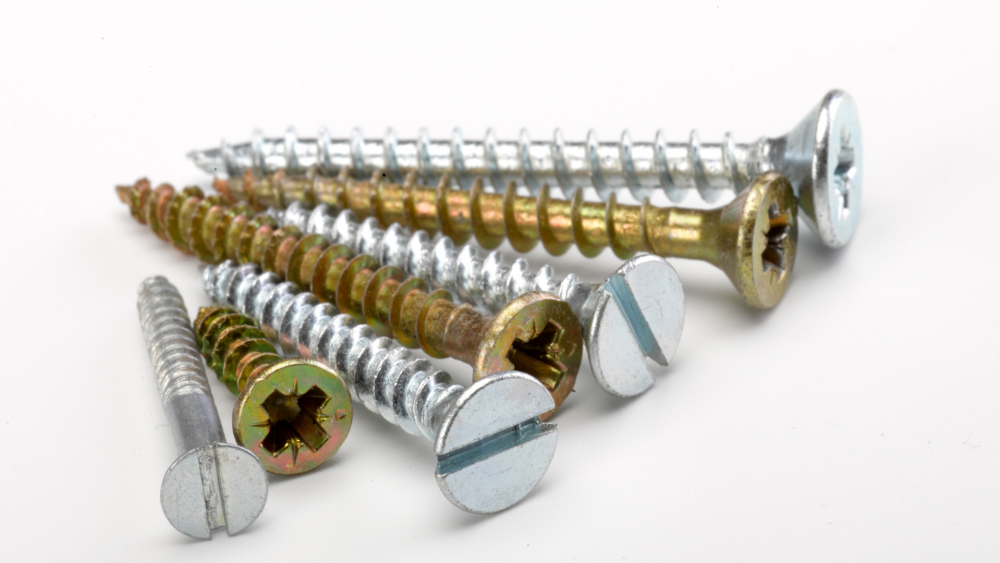
How to choose a screw? It's not as hard as you think!
With hundreds or thousands of screw types out there, how do you choose without making a mistake? Don't worry! Just remember these simple principles and your job will be much easier.
- Material is the key: The first thing to consider is: what material are you driving the screw into? Wood? Concrete? Metal? Each type of screw is designed for different materials. In addition, the thickness of the material is very important because it tells you how long the screw needs to be.
- Size must be precise: Your screw must have the right length and diameter for the job. A screw that is too long might poke through the other side, while one that is too short won't hold securely. And remember that a screw that is too thick can easily crack delicate materials, but if it is too thin for heavy-duty work, it might bend.
- Screw head type: This is just as important! Common screw heads include Phillips (commonly called cross head), Torx, hex, socket hex, one-way, or slotted (flat head). Choose a screw head that matches the screwdriver you have, or choose a screwdriver that matches the screw head, for a secure drive without damaging the screw head.
Frequently Asked Questions (that everyone runs into!)
How to remove a rusted screw? Oh! A rusted screw is a classic problem, especially for old screws or those exposed to sun and rain for a long time. Try this method.
- Use a hammer to tap lightly on the screw head to help loosen the rust.
- Then, apply a lubricant or penetrating oil and leave it for a while to dissolve the rust.
- Then try unscrewing it again. If it still won't budge, you might need to use a special tool to grind a new slot into the screw head so the screwdriver can grip it (but do this with extreme caution!).
- Another method is to use heat to blow on the screw head to expand it, then quickly quench it with water to cool it rapidly. The sudden contraction will help break the rust apart. Try it several times, but make sure the surrounding materials are not flammable!
How to remove a stripped screw? This is another headache for many craftsmen! A stripped screw head means the screwdriver can no longer grip it. Try these methods.
- The easiest way is to use a flathead screwdriver and tap it lightly into the screw head to create a groove deep enough to grip.
- If that doesn't work, try looking for a dedicated "screw extractor" tool, as it has reverse threading specifically designed to pull out stripped screws.
- If the screw is not sunk too deep into the material, try gripping the screw head with pliers and twisting it out.
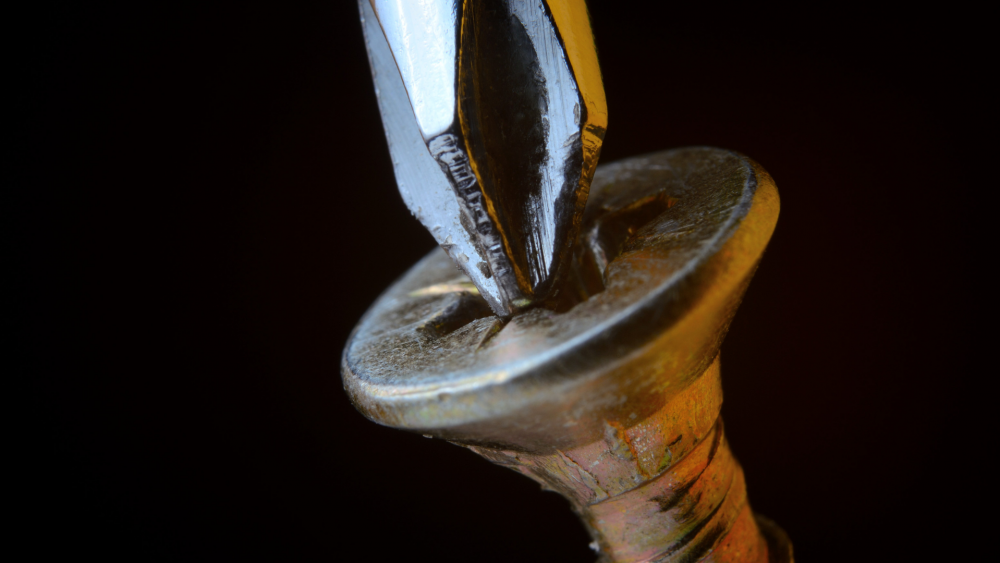
We hope this guide helps you better understand screws and choose them with confidence to meet the needs of all your projects!