


 EN
 ไทย



Customers Also Purchased
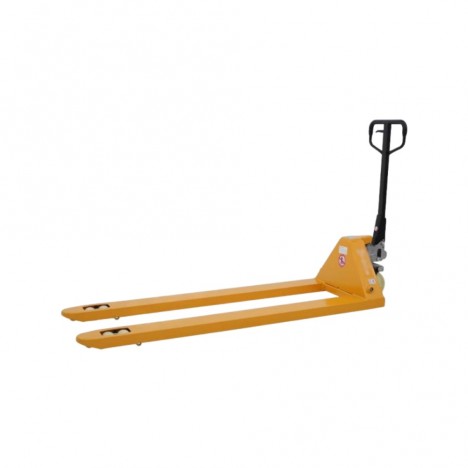
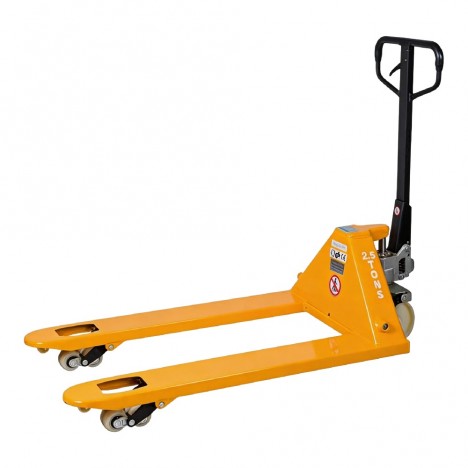
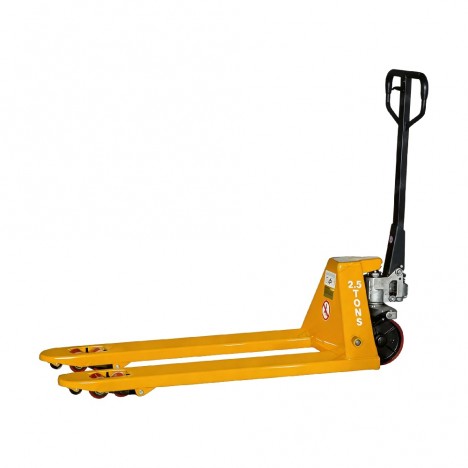
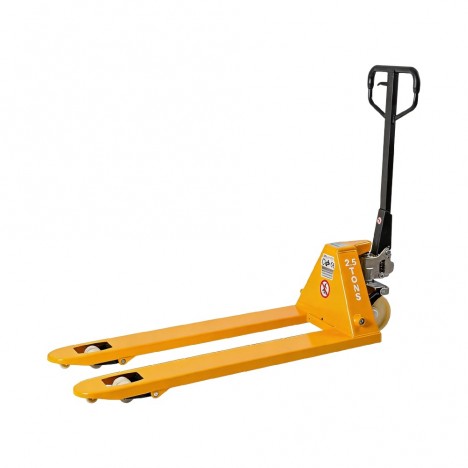
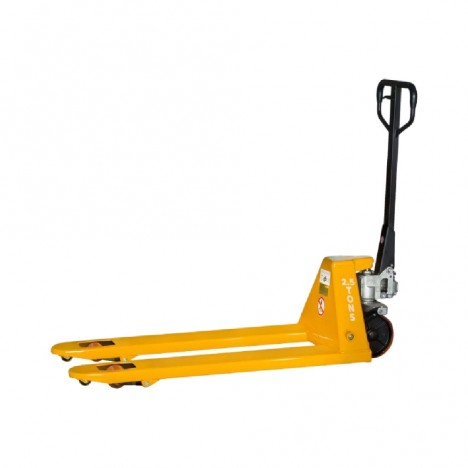
When talking about material handling equipment that is almost indispensable in warehouses, factories, or supermarkets, it is "Hand Pallet Truck" which is an essential tool that is cost-effective and requires less human effort than traditional manual lifting. With its straightforward construction—consisting of forks, wheels, and a hydraulic system used to raise and lower pallets or goods—operating a hand pallet truck is not very complicated.
However, hand pallet truck operators often encounter a common problem: "won't pump up" or the forks fail to lift normally, disrupting operations and risking delays in material handling, as well as increasing maintenance costs. Therefore, this article will explore the main reasons why hand pallet trucks frequently fail to lift, along with simple repair methods and maintenance tips for long-lasting use.
1. Understanding the Hydraulic System of a Hand Pallet Truck
Before diving into the causes of "failing to pump up," we should first understand the basics of Hydraulic System in a hand pallet truck. Generally, a hand pallet truck consists of the following key components:
1. Hydraulic Cylinder
- This is a cylinder containing hydraulic oil inside. When you pull or pump the handle, hydraulic oil is pumped into the cylinder, causing the piston to push and raise the forks.
2. Hydraulic Pump
- This pump works in conjunction with the hydraulic cylinder. By utilizing the force from pumping the handle, it generates pressure for the hydraulic oil to push the piston.
3. Control Valve
- Responsible for controlling the flow of hydraulic oil. When you want to lift, the forks of the hand pallet truck are pushed up; when you want to lower them, the valve opens to allow the oil to flow back, lowering the forks.
4. Seals and O-rings
- Seals and O-rings are rubber or synthetic materials that prevent hydraulic oil leaks. If these parts are worn or torn, oil can easily leak out.
In summary, each stroke of the handle sends hydraulic oil pressure into the cylinder, smoothly lifting the forks or pallet. If any part of the system malfunctions, the hand pallet truck will experience "failure to pump up," meaning the hydraulic oil cannot circulate and generate sufficient pressure.

2. Main Causes Why a Hand Pallet Truck "Fails to Pump Up"
Although a hand pallet truck has a less complex structure than a forklift, it still has some weak points that lead to the problem of failing to pump up frequently. In practice, various causes may be found, but they can be summarized into the following main points:
1. Hydraulic Oil Leakage or Low Oil Level
- The number one common problem is that the hydraulic oil level is below the standard mark due to leaks from worn-out seals or O-rings.
- When there is insufficient oil, pressure cannot be fully generated, preventing the forks from lifting as high as they should.
2. Control Valve Malfunction
- The on-off valve responsible for controlling oil flow may be stuck, possibly clogged internally with metal debris or dirt.
- If the valve does not close completely, the pumped oil will immediately flow back, making it impossible to lift the forks.
3. Damaged Hydraulic Cylinder
- The cylinder barrel or the inside of the piston may be scratched or bent from impacts, causing oil to leak out of the pressurized area.
Sometimes, internal cylinder corrosion can occur if hydraulic oil that does not meet the required specifications is used.
4. Damaged Seals or O-rings
- Seals or O-rings degrade over time with age or due to improper use.
- When seals are loose or compromised, hydraulic oil leaks out, causing internal pressure to drop and leading to the inability to pump up.
5. Damaged Hydraulic Pump
- The most severe case is a problem with the hydraulic pump itself, such as worn gear teeth, broken vanes, or damaged internal springs.
- This prevents the pump from drawing oil and generating sufficient pressure.
6. Frequent Overloading
- If the operator frequently exceeds the rated load capacity, it can overload the hydraulic system and cause internal components to wear out prematurely.
7. Residual Contaminants in the System
- Rust, metal shavings, dust, or even water contamination in the hydraulic oil will hinder the operation of valves and the pump.
- If the oil is not changed or filtered regularly, blockages will occur within the system.
Due to these causes, it is no surprise that many people have experienced a "hand pallet truck not pumping up", especially when the truck has been heavily used for a long time or has not been serviced at proper maintenance intervals.

3. Symptoms Indicating that "The Pump Is Having Problems"
Sometimes, the "won't pump up" symptom may not happen suddenly, but rather appears gradually as warning signs. You can observe the following behaviors:
1. Forks Lift Slowly
- Normally, pumping the handle a few times should raise the forks to a level ready for moving. If you feel that pumping takes longer than usual and the forks still do not rise high enough, it indicates that the oil may be low or there is an internal leak.
2. Forks cannot stay held in the air
- Once raised, the forks cannot remain at the same level for a period of time and gradually lower on their own. This may be caused by a loose control valve or seal, causing the oil to flow back into the cylinder or reservoir.
3. Oil stains or oil drips on the cylinder or valve
- If visible oil seeps or drips are found, it is highly likely that there is a leak at the seals or oil line fittings.
4. Hearing strange noises while pumping the handle
- A "grinding" noise or the sound of leaking air indicates that air might have entered the hydraulic system or a valve is stuck.
5. Frequent oil stains on the floor under the hand pallet truck
- If you park the hand pallet truck and frequently notice oil stains, you should immediately inspect the hydraulic system.
If these symptoms start to appear, you should take action to fix them promptly. Do not let the problem escalate, or you may end up spending much more on repairs.
4. Preliminary inspection steps when the hand pallet truck won't pump up
When the problem occurs "The hand pallet truck won't pump up" We can try to inspect it ourselves through the following basic steps:
1. Check the hydraulic oil level
- Open the oil filler plug and check the oil level inside. If it is below the specified mark, refill it immediately using the hydraulic oil grade recommended by the manufacturer (e.g., ISO VG32, ISO VG46, etc.).
2. Look for 'oil leaks' around the cylinder or pipes
- Wipe various areas with a clean cloth and observe if oil seeps out. Common spots are at the seals or valves.
3. Check the release valve
- The valve used to allow oil to flow back when lowering the forks may be stuck in the open position. If so, the forks will not be able to lift.
- Try turning or actuating the valve according to the manufacturer's instructions to check if it is jammed.
4. Check hydraulic pump operation
- If pumping the handle produces no pressure, it could be due to a broken internal pump piston or spring, or worn gears.
- You can try listening to the sound while pumping to assess whether it is operating normally.
5. Check that the forks are not jammed by obstacles
- Sometimes debris or foreign objects can get caught in the pivot points or wheels, preventing the forks from moving up or down; even if the hydraulic system is functioning normally, it won't lift.
If the initial inspection indicates that the problem may stem from leaks or deteriorated seals, further repairs may require a specialist technician or the equipment manufacturer, as specialized tools are needed to replace seals or O-rings and properly calibrate the hydraulic system.

5. Basic Troubleshooting and Repair Methods
For those with mechanical knowledge and basic tools, or who have undergone training, basic repairs can be performed as follows:
1. Refill hydraulic oil and bleed air (Bleeding Air)
- If the oil level is low, refill with the specified hydraulic oil, making sure not to exceed the level specified by the manufacturer (there is usually an indicator mark or level check plug).
- After refilling, pump the handle up and down several times to eliminate air bubbles that may be trapped in the system (Bleeding Process).
2. Replace seals or O-rings
- If it is confirmed that seals or O-rings are worn out, you can purchase a repair kit for that specific hand pallet truck model to replace them.
- Before replacement, clean the inside of the hydraulic cylinder and ensure no dust or metal shavings remain.
3. Clean or flush the control valve (Valve Cleaning)
- Use diesel fuel or a cleaning agent that does not corrode rubber parts to flush out valves with accumulated dirt.
- Check whether the spring and ball inside the valve operate normally; replace them if damaged.
4. Check the hydraulic cylinder for scratches or chips
- If the cylinder wall is scratched or chipped, it may need to be sent to a specialist to hone or polish the inner surface before reassembling the piston and seals.
5. Check the hydraulic pump (Pump Assembly)
- If pump components are broken, such as a broken spring or severely worn gears, the entire assembly may need to be replaced, as repairing is sometimes not cost-effective and risks short service life.
Although these methods can help solve issues to some extent, if you are not confident in your repair skills, you should contact the manufacturer or a trusted hand pallet truck service center to prevent potential further damage and ensure long-term operational safety.
6. Long-term maintenance to prevent pump-not-lifting issues
Protection Prevention is always better than repair, because in addition to saving time, it also helps reduce repair costs. Therefore, you should implement regular hand pallet truck maintenance measures and schedules as follows:
1. Periodically check the hydraulic oil
- Schedule oil level checks at least once a month, or depending on the frequency of use.
- If it is dirty or has sediment, it should be drained and replaced.
2. Periodically inspect seals and O-rings
- If cracks or hardening are found, they should be replaced before leaks occur.
- Timely seal replacement helps extend the lifespan of the hydraulic cylinder.
3. Operate within rated load capacity (Load Capacity)
- Avoid lifting loads heavier than specified, as this will cause premature wear on the hydraulic system and other components.
- If you need to lift heavier loads than usual, consider using a hand pallet truck model with a higher capacity or use a forklift instead.
4. Lubricate shafts and pivot points
- In addition to hydraulic components, pivot points and wheels are also important. If they stick, you will have to exert more pumping effort, which can place an even greater strain on the pump.
- Use grease or lubricants recommended by the manufacturer.
5. Proper storage
- Hand pallet trucks should be stored indoors, away from direct sunlight or rain, as these can accelerate the deterioration of rubber and metal materials.
- If used in high-humidity areas or near chemicals, wipe it clean after use to prevent corrosion.
6. Train employees on operation and basic maintenance
- Employees who use pallet jacks daily should know how to notice minor irregularities and immediately notify the maintenance department.
7. Frequently Asked Questions (FAQ) about pallet jack "won't lift" issues
1. What should I do next if the pallet jack still won't lift after adding hydraulic oil?
- You should proceed to inspect the valve system, seals, and O-rings, as the issue may stem from leaks or stuck valves. If it still cannot be resolved initially, you may need to call a professional technician for a thorough inspection.
2. Which hydraulic oil grade is the best to use?
- Generally, pallet jack manufacturers often recommend ISO VG32 or ISO VG46 grades depending on the climate and operating conditions. However, you should check the manual for your brand again to ensure appropriate standards.
3. Can an occasional pallet jack "won't lift" problem be fixed temporarily?
- If it only happens occasionally, it may be due to slightly low oil levels or dirt entering the valve; it can be fixed by refilling oil or cleaning. However, if it happens more frequently, it should be repaired properly and not left to become a chronic problem.
4. How often should hydraulic oil be changed?
- It is recommended to replace it once a year, or at least every 6 months for heavy use, although this depends on operating conditions and total operating hours.
5. Does repairing a pallet jack yourself void the warranty?
- If the pallet jack is still under warranty, you should have the service center or manufacturer inspect and repair it. Attempting repairs yourself without proper knowledge may void the warranty. Please check the terms in your warranty certificate.

8. Conclusion: Effectively solving the "won't lift" issue to extend the life of your pallet jack
The "won't lift" issue of a "Pallet Jack" often stems from leaks, degraded seals or O-rings, or damaged internal components within the hydraulic pump. If left unaddressed, it can cause material handling delays and increase long-term maintenance costs. The key is regular inspection and basic maintenance, including checking hydraulic oil levels, valve cleanliness, and operating within the pallet jack's rated load capacity.
Therefore, to keep your pallet jack operating at peak efficiency, you should establish a preventive maintenance routine, such as regular inspections, lubrication, and proper storage. Furthermore, training pallet jack operators to understand its limitations and recognize abnormal symptoms will significantly reduce the risk of "won't lift" issues.