


 EN
 ไทย



Customers Also Purchased


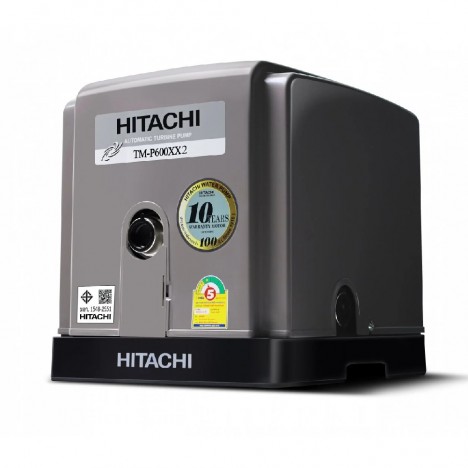


Smooth and uninterrupted household water use depends on adequate water pressure. In many areas, the public water supply may not deliver consistent water pressure, especially during peak usage hours such as mornings and evenings, or in homes with multiple fixtures running simultaneously—such as 2–3 bathrooms, kitchens, washing machines, and water heaters. Having an automatic water pump is therefore an essential solution that maximizes household plumbing efficiency.
Definition of an Automatic Water Pump
Automatic Water Pump It is an essential device in the household plumbing system designed to boost water pressure for strong, consistent flow. It operates automatically as soon as water is drawn from any fixture in the house, whether it is turning on a tap, washing hands, showering, or running a washing machine. The pump ensures smooth, uninterrupted water flow and shuts off immediately when water is no longer in use—a feature that makes it a standard fixture in modern homes.
Automatic water pumps are also available in a variety of sizes and models to match different house designs, such as single-story houses, two-story houses, or homes with multiple bathrooms, offering different head capacities and pressure outputs to accommodate diverse water usage demands.
Reasons to Install an Automatic Water Pump
- Enables simultaneous water use across multiple outlets: Ideal for families with multiple members or homes with more than one bathroom, allowing water to be used concurrently without worrying about weak water flow.
- Boosts water pressure when public water supply pressure is insufficient: In some areas, municipal water pressure may be unstable, particularly during peak usage periods such as mornings and evenings.
- Essential for high-pressure water appliances: Such as rain showers, instantaneous water heaters, front-loading washing machines, or certain water filtration systems, which may malfunction if water pressure is inadequate.
- Resolves low or no water flow on upper floors: Especially in two-story homes where water storage tanks are placed at ground level, the pump helps effectively boost water to the upper floor.
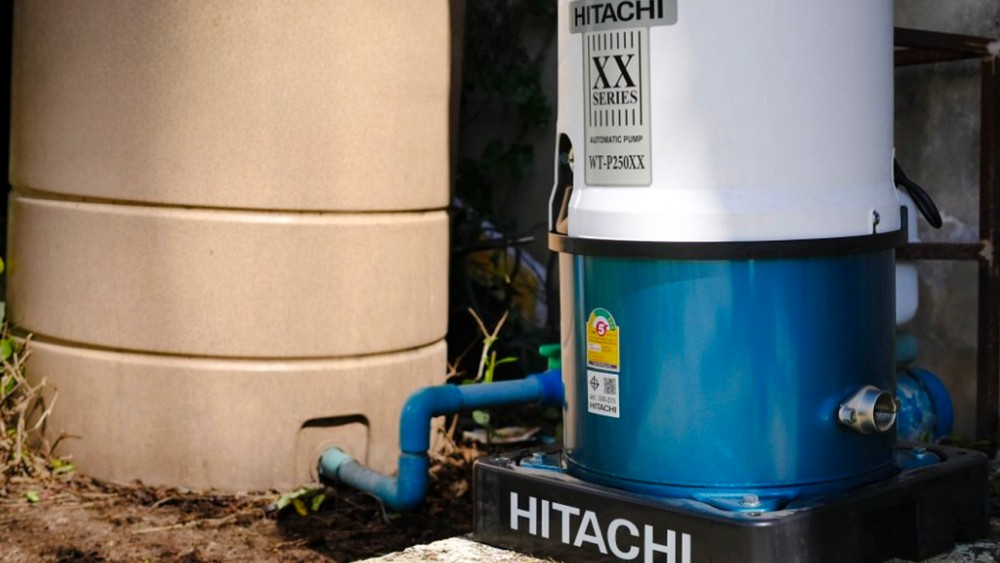
Definition of an Automatic Water Pump
An automatic water pump is a device that increases water pressure in a household plumbing system. It is designed to work automatically: whenever a fixture in the system is turned on—such as a tap, shower, or washing machine—the pump starts immediately to boost water to a consistent pressure, and when the water is turned off, the system stops automatically to save energy and reduce machine wear.
Having an automatic water pump improves household water efficiency, especially for homes facing low water pressure issues—such as properties located at the end of public utility mains or houses with multiple fixtures running at the same time, which often results in weak or irregular water flow. An automatic water pump ensures constant pressure and good flow at every point of use, whether taking a shower, washing dishes, or operating appliances that rely on reliable water pressure.
This equipment can be used in all types of homes, whether single-story, two-story, or even homes with multiple bathrooms. It improves residents' quality of life by making water usage much more convenient, reducing issues of water not flowing or pressure drops during peak hours, and helping other water-using appliances, such as water heaters or washing machines, operate at peak efficiency.
Reasons to Install an Automatic Water Pump
- Insufficient water pressure from the public water supply: In many areas, especially during peak hours such as mornings and evenings, pressure from the main water supply may not deliver water at adequate pressure, resulting in weak water flow, particularly in homes located at the end of the line or in elevated areas.
- Simultaneous water usage at multiple points: Homes with multiple occupants may use water from several points at the same time, such as taking a shower, washing dishes, and running the washing machine simultaneously. Without an automatic water pump system to boost pressure, water pressure will drop rapidly and become insufficient for all points of use.
- Installing high-pressure water appliances: Many appliances, such as rain showers, instant water heaters, front-loading washing machines, or water purifiers, require a certain level of water pressure to operate. If the pressure is insufficient, the appliances may malfunction or fail to operate at peak efficiency.
- Low-level water storage tanks: Some homes place their storage tanks at ground level or near ground level, leaving no gravity to boost water pressure. The system cannot deliver water up to the second floor or higher points of use, making an automatic water pump necessary to consistently push water to the destination points.
Are Automatic Water Pumps Really Loud?
Factors Affecting Automatic Water Pump Noise
- Motor type and rotational speed: Motors with high rotational speeds or those not designed for quiet operation generally generate more noise during operation than inverter motors that control speed electronically, which effectively reduces vibration noise during use.
- Assembly materials: Exterior materials of the unit, such as metal or plastic, can accumulate vibration inside the machine if they lack adequate thickness or are not tightly assembled, resulting in echoing or rattling sounds while the automatic water pump operates.
- Loose installation causing vibration: If the mounting points securing the automatic water pump to the floor or base are not sturdy enough, or if pipe connections are loose, the weight of the water pressure during operation will cause the machine to vibrate and generate disturbing noise.
- Placing the automatic water pump on concrete floors without rubber pads: Installing an automatic water pump directly on a hard surface allows motor noise and vibrations to transfer directly into the floor and walls, creating echoing sounds throughout the house. Using a rubber pad or vibration-absorbing material helps significantly reduce noise.
How to Reduce Noise from an Automatic Water Pump
- Choose inverter or Silent models specifically designed to reduce operating noise, featuring both external structures that absorb vibration and smooth motor speed control to prevent sudden noise surges.
- Install anti-vibration rubber pads under the pump base to prevent vibrations generated by motor operation from transmitting to floors and walls, which is the primary cause of echoing and vibrating noise.
- Place the pump in a dedicated utility room or soundproof enclosure, such as a box lined with sound-absorbing materials (Acoustic Foam) or soundproofing foam sheets, which will significantly reduce escaping noise without compromising pump ventilation.
- Regularly check that pipe and wiring anchors are tightly secured. If pipes are loose or unstable, water pressure during automatic water pump operation will cause knocking vibrations, resulting in unnecessary continuous noise.
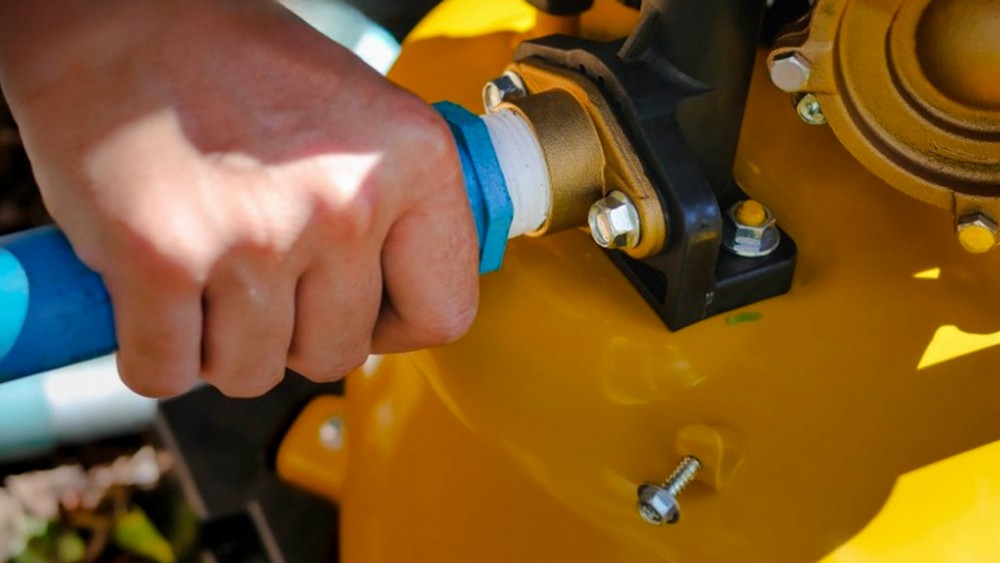
How to Tell if an Automatic Water Pump Is About to Fail?
Warning Signs to Watch For
- Water flow becomes weak even without multiple points of use: This is a sign that plumbing system pressure has dropped abnormally. Even when multiple taps are not running simultaneously, it could be caused by a clogged water filter, worn impellers, or the automatic water pump motor not operating at full capacity. The system should be inspected immediately.
- The automatic water pump runs abnormally often even when no water is being used: This indicates that water pressure is continuously dropping, which may be caused by a leak in the system, a leaking check valve, or slight seepage in sanitary fixtures such as toilets or faucets, misleading the automatic water pump into sensing water usage and running continuously.
- Unusual loud noise like metal grinding: This may be a sign of internal issues, such as motor bearings starting to loosen, an unbalanced impeller, or foreign debris entering the system. You should stop using it immediately and have a technician inspect it to prevent escalating damage.
- Burning or plastic smell from the unit: This is a danger sign of heat buildup or internal electrical problems, such as a burned-out motor or damaged wiring, which could lead to a short circuit or electric shock. You should turn off the unit immediately and call a technician for a thorough inspection.
Basic Troubleshooting Steps
- Check for leaks or valves that are not fully open: Start by observing around pipe joints, valves, and various sanitary fixtures to see if there is any dripping or slight water flow. Even a small leak can cause the internal pressure in the pump system to drop, causing the pump to cycle irregularly or not run at all. Ensure that valves are fully open and there are no internal clogs.
- Try resetting the automatic water pump (if equipped with an automatic control system): For automatic water pumps with electronic or inverter systems, try pressing the reset button according to the manufacturer's manual, or unplug it for 1–2 minutes and plug it back in to reboot the system. If the automatic water pump has an issue caused by software glitches or irregular electrical signals, this method often helps resolve it initially.
- If the automatic water pump still does not work, contact a technician or service center: If no leaks or abnormalities are found after inspection but the automatic water pump still does not work, you should stop using it immediately and contact a qualified technician or the manufacturer's service center to conduct a detailed inspection of the electrical system, pressure, sensors, and internal parts of the automatic water pump, especially if unusual noises, smells, or vibrations occur.
Conclusion
An automatic water pump is not an appliance that should be overlooked. When chosen appropriately for the home's size and usage, and installed correctly, it ensures water is used efficiently without interruption, without loud noise, and without frequent repairs. Moreover, it also extends the lifespan of other water-using appliances in the home.