


 EN
 ไทย


Customers Also Purchased
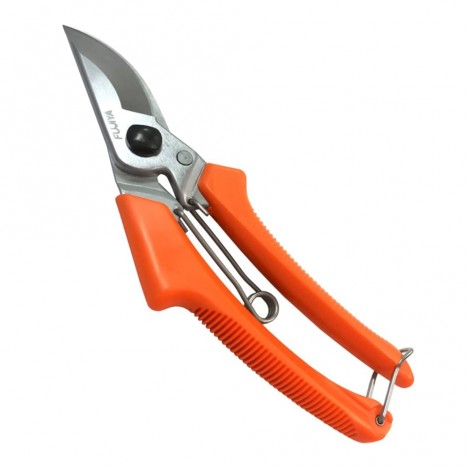

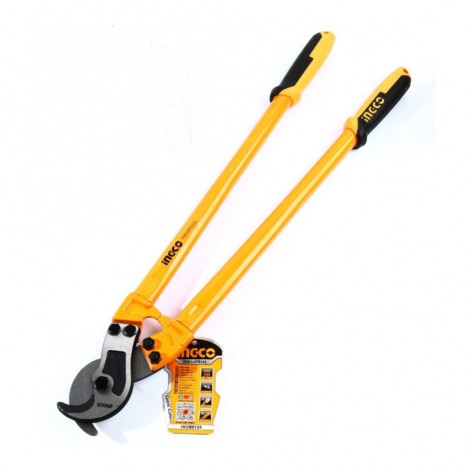


Choosing hand tools like wire cutters may seem minor or simple to some, thinking they are just tools made to cut through wire. In reality, choosing poor-quality pliers can cause more problems than expected—whether failing to cut cleanly in one go and damaging the wire, requiring excessive effort that causes hand fatigue, having weak handles that snap, or lacking standardized electrical insulation, which can lead to safety hazards such as electric shock or accidents during use.
Why Choose Wire Cutters Carefully?
Safety in Use
Cutting Performance
Tool Lifespan

Materials Must Be Strong and Sharp
What Should They Be Made Of?
- High Carbon Steel: Contains higher carbon content than regular steel, providing superior strength and durability. Ideal for cutting hard materials like copper wire or thin steel wire. Pliers made from this steel retain blade sharpness for a long time without frequent sharpening, reducing the risk of chipping or premature wear.
- Chrome Vanadium Steel: An alloy offering high toughness and elasticity, resistant to brittle fracture, with excellent shock-absorbing properties. Ideal for pliers subjected to continuous heavy use, and highly resistant to rust, making it a popular material for high-quality hand tools.
- Hardened Steel: Steel subjected to heat treatment to increase its hardness. This gives the cutting edges a long service life, prevents deformation, and allows them to withstand high pressure without bending or damage. Choosing pliers with hardened steel blades is ideal for professional or industrial applications.
Basic Methods for Checking Sharpness
- Try cutting small copper wires by selecting wires with a size of approximately 1.5 – 2.5 square millimeters, which is the standard size used in general electrical work. If it can cut in a single pass without requiring excessive force or squeezing multiple times, it shows that the blades are sharp and effectively designed for real-world applications.
- Observe the cut surface of the wire after cutting. If the wire edge is smooth, without nicks or metal burrs, and the insulation is not torn or distorted, it indicates that the blades are sharp and deliver a clean cut. In addition, observe whether the blades retain their sharpness after multiple test cuts, which is a great indicator of the material quality and the blade manufacturing process.
Comfortable Grip with Electrical Insulation
What makes a good handle grip?
- Coated with non-slip rubber or plastic: A good handle should be made from non-slip materials such as synthetic rubber (TPR) or specialized plastic, which helps the user hold the tool securely without slipping even with sweaty or wet hands, and also helps absorb shock while cutting. These materials should have an appropriate density, not too thin to cause hand pain when squeezing firmly.
- Electrically insulated: The handles of wire cutting pliers used with electrical voltage should be insulated and certified to electrical safety standards, such as VDE (Verband der Elektrotechnik from Germany) or IEC 60900 standards, which certify that the handles can protect against electricity up to 1,000 volts. Voltage rating symbols are usually clearly marked on the handles to assure user safety. Always check that the insulation has no cracks or deterioration before every use.
Testing the Handle Grip
- Try squeezing to check the fit. The handles should be contoured to fit the palm of your hand comfortably, neither too small nor too large, and should not be too stiff to cause pain when pressing during use. Especially when working continuously for hours, the softness of the handle material will better absorb shock and vibration.
- The material must not peel or come off easily. Choose pliers with handles coated in high-quality rubber or plastic that do not easily become brittle, crack, or degrade when exposed to moisture, sunlight, or oil stains from the user's hands. If the handles remain in good condition without cracking or peeling after years of use, it demonstrates high-quality materials and long service life.

Smooth Joint and Spring Action
What makes a good joint system?
- Must be free from stiffness or binding when squeezed. The joint should be made from sturdy materials that withstand compressive forces, and should be properly lubricated from the factory. The movement of the pliers should be smooth, not stiff or tight to cause hand strain during use. Any stiffness or grinding noise while squeezing can be a sign of poor manufacturing quality or internal issues.
- The pivot must be tight, not loose or wobbly. The connection between the jaws of the pliers should be solid, sturdy, and free from play or backlash. A wobbly pivot can affect cutting precision and cause deflection during use, which may damage the wire or distort the pliers over time.
- If it has a spring, it offers more convenience, especially for repetitive cutting. Pliers with a spring system automatically bounce back when you release your grip, reducing strain during continuous use and increasing work speed. Electricians and those who use them for long periods will benefit significantly from this feature. However, choose pliers with a high-quality spring that is neither too stiff nor too weak, and does not easily pop out of place.
Simple Testing Method
- Squeeze open and close to test smoothness. Hold the pliers with both hands, fully squeeze and release repeatedly. The feel should be fluid, without catching or resistance. The movement should be smooth and return to its original position in a balanced manner. Especially for spring-loaded models, check that the opening and closing resistance is just right—not too stiff or overly snappy.
- A slight amount of lubricant at the joint indicates careful manufacturing quality. Lubricant helps reduce friction, prolongs joint life, minimizes wear, and enables the pliers to work more efficiently. Also ensure that the oil is not excessively greasy or sticky, which may result from low-grade lubricants.
Proper Size for the Application
How to choose the right size?
- Small pliers (4" - 5"): Ideal for electronics, delicate tasks, or jobs requiring high precision, such as cutting small wires, cutting soft copper leads inside electronic equipment, or repairing circuit boards. Small pliers are usually lightweight, portable, and provide greater precision control than larger sizes.
- Medium pliers (6" - 7"): This is a standard size suitable for general maintenance work, such as residential electrical jobs, power outlet installations, or cutting medium-sized wires commonly found in household electrical systems. They have sufficient cutting force for versatile applications while maintaining a comfortable weight that is not too heavy for beginners or extended use.
- Large pliers (8" and above): Suitable for heavy-duty work, such as cutting large wires, cables, flexible industrial cords, or high-voltage wires with thick insulation. Choosing this large size helps increase leverage and reduces fatigue when cutting very hard or thick cables. However, due to their large size and heavy weight, they may not be ideal for precision tasks or confined spaces.
Weight is also important
- You should choose pliers with a weight that fits comfortably in your hand, taking into account the type of application and the duration of continuous handling. If the pliers are too light, it may indicate a weak build or less durable materials, posing a risk of bending or breaking while cutting wires. On the other hand, if they are too heavy, although it reflects strength, it can cause fatigue during prolonged use, especially for tasks that require repetitive cutting throughout the day.
- The right weight should allow you to control the cutting direction precisely without needing excessive pressure that leads to hand fatigue, helping maintain a natural, seamless cutting rhythm. Users should hold the pliers, raise and lower them, or test squeezing them lightly to assess whether the weight matches their hand strength.

Brand and Warranty
Why brand matters
- Leading brands such as Knipex, Wera, Wiha, Stanley, and Makita often uphold high manufacturing standards by selecting quality materials and strictly controlling production processes in terms of dimensional accuracy, component strength, and solid assembly. They also perform durability tests under real-world operating conditions to ensure the tools can withstand high cutting forces, continuous use, and offer a long service life.
- These brands typically come with a product warranty that covers issues such as abnormal blade chipping, loose joints, or damaged handles, allowing for replacements or claims under specified terms. Buyers should always keep receipts and product packaging as proof of warranty, ensuring peace of mind that any practical issues will be handled professionally by the manufacturer or importer.
Reliable sources to buy
- You should purchase from reputable and trustworthy shops, such as official authorized distributors of the brand, which often carry certificates or are directly registered with the manufacturer. Additionally, consider reviews from other customers who have experience with the shop to evaluate service quality, shipping, and product authenticity.
- Reliable online stores should have clear contact channels, such as a phone number, LINE, or social media platforms, as well as transparent return and warranty policies, which help increase buyer confidence.
- Avoid buying from stores offering unrealistically low prices or lacking information about product origins, as they may be counterfeit or imitation goods that do not pass quality control and could pose hazards during use.
Conclusion
Choosing wire cutters is not just about the price, but requires considering multiple factors including materials, blades, handles, joints, size, and brand to get a tool that works well and is safe. Especially for beginners, understanding these fundamentals will help you make purchases with confidence and avoid wasting money on poor-quality tools.