


 EN
 ไทย



Customers Also Purchased
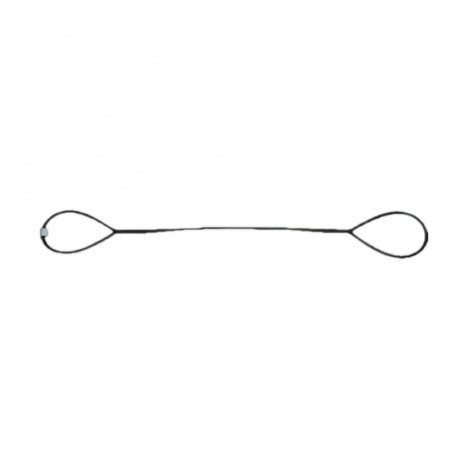


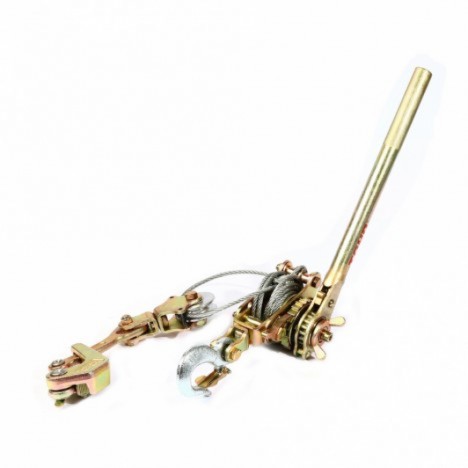
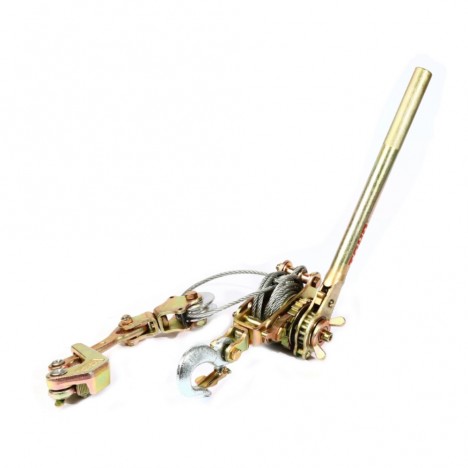
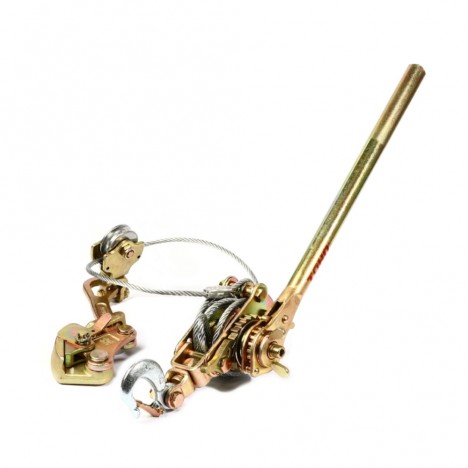
Applications & Usage Wire Winch A wire rope hoist is essential in industrial, construction, and various maintenance tasks, facilitating convenient and safe heavy lifting. However, for maximum safety, it is necessary to consider proper load capacity calculations and select the correct wire rope length. This article will dive deep into the key questions many people have, along with guidelines for choosing and using wire rope hoists efficiently and safely according to commonly used basic principles.
1. Fundamentals to Know Before Choosing a Wire Rope Hoist
1. Types of Wire Rope Hoists
- Electric Wire Rope Hoist: Suitable for heavy-lifting tasks with high frequency of use. Powered by electricity, saving both time and labor.
- Manual Wire Rope Puller or Tirfor: Ideal for use in areas without electricity or where frequent relocation is not required. Many technicians prefer it because it is easy to install and allows fine control of pulling force.
2. Working Principle of Wire Rope Hoists
- Uses wire rope wound around a drum or routed through a sheave system to change force direction or multiply/reduce force as required.
- Spooling the wire rope neatly and regularly inspecting the condition of the wire rope are keys to safe operation.
3. Standards and Certifications to Check
- Choose reliable brands such as TOHO, SUPER TIL, POLO, or others certified by standard organizations such as TIS or OSHA (for international standards).
- Check the operation manual to ensure it clearly specifies the SWL (Safe Working Load) or WLL (Working Load Limit).
Tips: Choose a wire rope hoist with a weight capacity slightly higher than actual use for safety and to extend equipment lifespan.

2. Why Are Weight and Wire Rope Length Calculations Important?
1. Avoid Overloading
Operating a wire rope hoist beyond its limits can cause the wire rope to snap or lead to serious accidents, whether from dropped loads or brake system failures.
2. Less maintenance, more cost savings
Using an appropriate wire rope hoist and wire rope helps reduce wear and tear on the drum and motor, extending maintenance intervals and saving budget effectively.
3. Accommodate future expansion or applications
If you plan to lift heavier loads in the future, allowing for slightly higher specifications will lower long-term costs rather than having to buy new equipment frequently.
3. In-depth load calculation: Safe Working Load (SWL)
Safe Working Load (SWL) This is the value indicating the maximum load that a specific sling or wire rope hoist model can safely lift. Generally, SWL is calculated from
SWL = Breaking Load / Safety Factor
- Breaking Load: The maximum tensile strength before the wire rope breaks (specified by the manufacturer in the specs)
- Safety Factor (SF): The safety factor, typically ranging from 5–7 or higher, depending on operating standards and job site risks.
For example,
If the wire rope has Breaking Load = 10,000 kg and uses SF = 5
SWL = 10,000 / 5 = 2,000 kg
This means the wire rope should be used to lift loads not exceeding 2,000 kg for safety and to prevent damage.
Note: Selecting the SF should mainly consider on-site conditions; for example, if there is jerking, shock loads, or environmental conditions that may cause rapid deterioration of the wire rope, a higher SF such as 6 or 7 should be used.
4. How does the Angle of Lift affect lifting?
In many cases, lifting is not purely vertical at exactly 90 degrees; instead, angled lifts or multi-leg wire ropes are used, where the lifting angle affects the load tension on the wire rope. For example:
- A narrower lifting angle (smaller angle between sling legs) creates higher tension in each leg than a straight vertical lift.
- When using multi-leg slings, calculate the tension in each individual leg and select wire ropes with an SWL sufficient for the load each leg must bear.
In summary: If the lifting angle is not vertical, allow for a higher SWL or reduce the lifting load per cycle for safety.
5. Choosing the Right Wire Rope Length for the Job
1. Lift Height
- Measure the height from the floor to the desired lifting point, plus an allowance for the wire rope wound around the drum or routed through pulleys.
- If the wire rope hoist requires long travel distances or lifts from deep pits, choose a longer wire rope length.
2. Drum Capacity
- Electric wire rope hoists have a limit on how much wire rope can be wound onto the drum, depending on drum width and wire rope diameter.
- If the wire rope is too long, it will overflow the drum, risking friction, jamming, or equipment damage.
3. Allowance for Multiple Operating Points
- If working on construction sites that frequently require shifting lifting points, allow sufficient wire rope length for extended pulling in various directions.
- This ensures convenient adjustments without splicing multiple ropes, which could introduce additional hazard points.

6. Maintenance and Inspection of Wire Rope Hoists That Shouldn't Be Overlooked
1. Regularly Inspect the Wire Rope
- If broken strands, kinking, or severe rust are found, replace it immediately.
- Waiting until the wire rope deteriorates can lead to severe accidents.
2. Lubrication and Cleaning
- Use dedicated wire rope lubricants or oils to prevent wear and corrosion.
- Wipe away dirt, dust, or debris that might obstruct drum operation.
3. Inspect the Brake System
- Most electric wire rope hoists feature an automatic brake system; check that it operates normally.
- If it is a wire rope lever hoist, the locking system (Lock) must be tested to ensure sufficient effectiveness.
4. Store in an appropriate place
- If not in use for a long period, wire rope hoists and wire ropes should be stored in a dry place protected from moisture to extend their service life.
7. Example Scenarios
- Multi-story high-rise construction work
Requires an electric wire rope hoist with suitable lifting capacity (e.g., 500–1000 kg) along with a long wire rope to lift construction materials from the ground to the top floor. Calculate the lifting distance plus an extra allowance, and ensure the drum can accommodate the rope length.
- Maintenance work in buildings or small factories
A wire rope lever hoist can be used because it is easy to move, does not rely on electricity, and is ideal for localized lifting with light loads.
- Lifting heavy machinery in industrial factories
An electric wire rope hoist certified to standards should be used, featuring high-performance brakes, an overload protection system, and a team of expert technicians to inspect it before use.

8. References and standards for further study
- OSHA (Occupational Safety and Health Administration): Provides safety recommendations for lifting loads and maintaining lifting equipment.
- ASME B30.16 (Overhead Hoists): International standards for the design and operation of overhead hoists.
- Department of Industrial Works / Department of Skill Development (Thailand): Provides regulations and safety guidelines for factory operations.
- Manufacturer’s Manual: Various brands such as TOHO, SUPER TIL, POLO, COMEUP usually provide specific details for each product.
Conclusion
Calculating the weight and selecting the wire rope length of Wire Winch are crucial factors that ensure lifting operations are safe and cost-effective. The starting point is understanding the SWL and Breaking Load values alongside using an appropriate Safety Factor, as well as considering the angle of lift, job site conditions, and drum capacity. Once all these components are understood, choosing a wire rope hoist will meet the needs for efficiency, safety, and long-term cost savings.
Additional tips
- Before every use of a wire rope hoist, a test lift should be performed with a load less than the SWL to check that the brake system and wire rope are in ready-to-use condition.
- If you need to lift loads close to the wire rope's limit, consult a specialist or mechanical engineer to calculate safety factors and properly size additional rigging hardware (such as shackles, master links, chains).
By following these principles, you can be confident that your wire rope hoist will lift heavy loads efficiently and safely, while extending equipment service life for the best return on investment!