


 EN
 ไทย


Customers Also Purchased
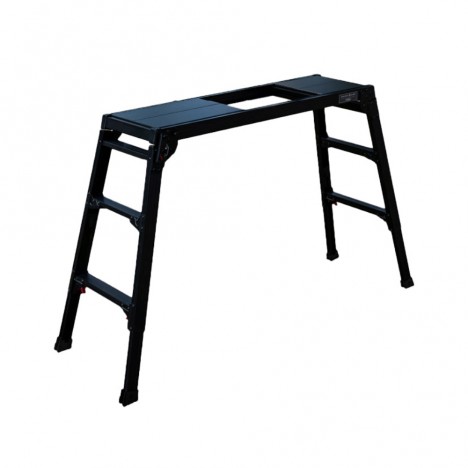
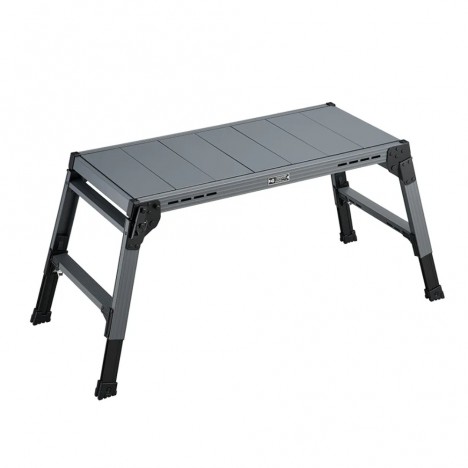

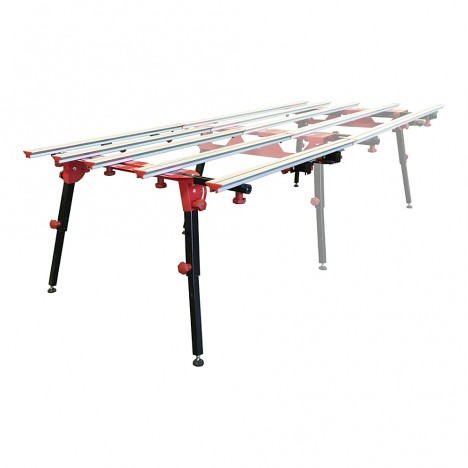

Workbenches It is an essential piece of equipment that enables craftspeople across all fields to work efficiently, whether in woodworking, metalworking, electronics, or general maintenance. A good workbench not only makes work more convenient, but also allows tools and equipment to be arranged neatly, reducing the risk of accidents from cluttered work areas. It also boosts work efficiency by minimizing time wasted searching for tools. A workbench can also provide greater precision and stability, especially when operating tools that require high accuracy such as drilling machines, planers, or electric welders.
What is a workbench?
Definition of a Workbench

Key Components of a Workbench
- Frame: Mostly made of steel, wood, or aluminum, each offering different advantages and disadvantages. Steel workbenches are typically strong and feature high weight capacities, making them ideal for heavy-duty tasks such as welding or mechanical work. Wood workbenches offer high resilience and excellent shock absorption, making them suitable for woodworking, general repairs, or craftspeople requiring a work surface that absorbs vibration. Additionally, aluminum workbenches are lightweight, easy to move, and corrosion-resistant, making them well-suited for tasks that require mobility and cleanliness, such as electronics work or rust-free environments. Some workbench models utilize composite construction, such as a steel frame with a wood top, to balance strength and flexibility tailored to specific jobs.
- Worktop: Can be made of MDF, solid wood, steel, or molded plastic, depending on the application. An MDF worktop offers the advantage of a smooth surface that is easy to customize, but lacks resistance to high moisture and strong impacts. Solid wood worktops are stronger and more durable than MDF and handle heavy loads well, making them ideal for high-impact work such as woodworking or assemblies requiring frequent hammering and screwdriving. Steel worktops are commonly used for metalworking and welding due to their heat resistance and non-combustibility, though they are heavy and can rust if not properly maintained. Molded plastic worktops are typically used for light-duty tasks such as electronics, or in cleanroom environments that require electrostatic discharge (ESD) protection. Some worktops feature specialized coatings, such as lacquer-coated plywood for water resistance or rust-inhibiting coated steel to extend service life. Selecting the right worktop ultimately depends on the type of work performed and the required durability.
- Tool Storage System: May include drawers, shelves, hanging racks, or toolboxes. A good storage system provides quick and easy access to tools, reducing search time and boosting work efficiency. Some workbench models come with lockable drawers to prevent loss or keep hazardous tools out of the reach of small children. Tool hangers are typically used for frequently accessed items like hammers, wrenches, or screwdrivers. Furthermore, some benches feature magnetic tool strips that hold equipment securely in place without the risk of dropping. For craftspeople seeking neatness and efficient space management, options include benches with multi-tier shelving or additional auxiliary storage, such as pull-out drawers or portable toolboxes that can be removed and used separately from the workbench.
- Special Functions: Some workbench models feature functions that enhance work convenience, such as height-adjustable benches that can be adapted to the user's height, reducing fatigue and improving productivity. Mobile workbenches on casters are ideal for users who need to move the bench across various locations in a workshop or factory, making it easy to adapt the workspace. In addition, there are workbenches with built-in power tools, such as circular saw tables, drill press tables, or benches with integrated power outlets for convenient power tool operation. Some workbenches also feature locking mechanisms for enhanced stability during use, supplemented by workpiece clamps that ensure greater precision. These functions make a workbench more than just a work surface, serving as equipment that elevates the efficiency of craftspeople at every level.

Types of Workbenches
Woodworking Workbench
Designed specifically for woodworking, featuring a sturdy worktop that easily withstands impacts from planing, drilling, cutting, or sanding wood. The worktop is usually made of solid wood or MDF, providing a flat and impact-resistant surface to prevent tool damage. Some woodworking benches come with built-in clamps to hold wood securely during work, reducing errors and enhancing precision. Additionally, some models feature height adjustability to fit the user, reducing fatigue during long working hours. Certain models may include dust collection ports to manage wood debris from drilling or cutting, keeping the workspace cleaner and reducing health risks associated with dust.
Steel Workbench
Ideal for metalworking and welding, featuring a highly heat-resistant worktop that supports heavy tools and withstands impacts from cutting, grinding, or welding metal. The worktop is typically made of thick steel plate to withstand the high temperatures of welding and prevent heat deformation or damage. In addition, this type of workbench often includes cooling channels or ventilation slots to reduce heat buildup during operation, as well as mounting holes for clamps to hold materials securely while welding or grinding, minimizing alignment errors. Some steel workbenches are coated with anti-rust finishes to extend their lifespan and reduce surface degradation from exposure to metalworking fluids or chemicals.
Workbench for Electronics Work
It often features an electrostatic discharge (ESD) protective surface, which helps reduce the risk of static electricity damaging electronic components. In addition, it comes with electrical outlets or built-in power strips for conveniently connecting powered tools, such as soldering irons, multimeters, or various testing and measurement instruments. This type of workbench typically has a smooth work surface and sufficient lighting to minimize errors when working with delicate, small parts. Some models may include specialized tool holders, such as soldering iron stands or storage bins for electronic components, to keep the workspace organized and prevent equipment damage. Furthermore, electronics workbenches may be designed to protect against dust and debris that could contaminate circuit boards or devices under repair.
Ideal for tasks that require mobility, it can be easily folded and transported. Folding workbenches are typically designed to be lightweight yet sturdy enough to support the tools and materials used in technical tasks. Materials used for this type of bench are often aluminum or reinforced thin steel engineered to bear heavy loads. Some folding workbench models also feature height adjustment functions to suit different working postures, such as sitting down or standing. They also incorporate locking systems that keep the table stable during use and allow for effortless unlocking and folding. Some models may include caster wheels for easier portability, making them ideal for tasks that require frequent changes of location, such as field repairs, installation work, or even home DIY projects.
Folding Workbench
Ideal for tasks that require mobility, it can be easily folded and transported. Folding workbenches are typically designed to be lightweight yet sturdy enough to support the tools and materials used in technical tasks. Materials used for this type of bench are often aluminum or reinforced thin steel engineered to bear heavy loads. Some folding workbench models also feature height adjustment functions to suit different working postures, such as sitting down or standing. They also incorporate locking systems that keep the table stable during use and allow for effortless unlocking and folding. Some models may include caster wheels for easier portability, making them ideal for tasks that require frequent changes of location, such as field repairs, installation work, or even home DIY projects.

Importance of a Workbench in Craftsmanship and Technical Work
Increases Work Efficiency
A workbench helps craftsmen work more conveniently by providing an appropriate workspace that holds various tools and equipment neatly, reducing the need to frequently move tools around, which saves time and minimizes confusion. In addition, a stable tabletop ensures that cutting, drilling, or assembling parts can be carried out with precision, reducing errors that might occur when working on an unstable surface. Some workbench models also offer supplementary features, such as tool storage compartments, equipment hooks, or built-in power strips, making it easier to connect and operate power tools, resulting in a faster and more efficient workflow.
Enhances Workplace Safety
A workbench with a good tool organization system helps reduce the risk of accidents. By designing dedicated storage spaces for hammers, screwdrivers, or organized compartments for power tools, technicians can pick up tools conveniently and safely. Additionally, some workbench models come equipped with locking mechanisms to prevent tools from sliding off during work, as well as specialized hanging racks for tools such as pliers, tin snips, or open-end wrenches, keeping them easily accessible yet safely positioned. A good storage system also reduces the risk of tripping hazards or accidents caused by using the wrong tools, making the workspace safer and more organized.
Reduces Fatigue and Injury
A workbench at the right height helps reduce back pain and muscle fatigue from working for extended periods, especially in tasks that require prolonged standing or bending, such as woodworking or machinery repair. An improper table height can force you to hunch over excessively or lift your arms above shoulder level, leading to fatigue and the risk of long-term injury. A good workbench should feature adjustable height or be appropriately sized to match the user's ergonomics. Furthermore, having a stable bench eliminates unnecessary strain, allowing you to apply force more efficiently while dampening vibrations generated from cutting, drilling, or fastening bolts, which enhances precision and minimizes errors.
Supports High-Precision Work
In certain applications—such as electronics work, machinery assembly, engraving, or fine crafts—a workbench enables more delicate and precise execution by offering a stable workspace where equipment can be set securely, dampening vibrations that might compromise accuracy. This is especially vital when using fine tools such as soldering irons, precision tweezers for electronic components, or fine paintbrushes. Some workbench models also feature anti-slip mats or locking systems to prevent materials and equipment from shifting unintentionally, thereby enhancing precision and reducing the chance of errors. Moreover, adequate workspace lighting, such as adjustable task lamps or built-in LED lighting, is another key factor that helps you work with greater efficiency.
Keeps Tools Well-Organized
A workbench with an effective storage system helps technicians find tools more easily, saving time and increasing overall convenience. Some models feature modular storage systems that allow you to rearrange drawers or shelves to suit the types of tools used most frequently. They may also come equipped with magnetic tool trays for organizing small parts such as screws, nuts, and screwdriver bits, facilitating quick retrieval and reducing the risk of lost items. A well-designed workbench might also include pegboards or tool racks that keep frequently used tools visible and instantly accessible, streamlining your workflow. Furthermore, systematic storage extends the lifespan of tools by preventing them from colliding or scraping against each other during storage.

How to Choose the Right Workbench
Consider the Type of Work
Choose a workbench suited to the nature of your tasks. For instance, woodworking requires a heavy-duty bench that absorbs impact well and has a tabletop suitable for cutting, drilling, or sanding. Welding tasks require a heat-resistant table that can dissipate heat efficiently, while resisting sparks and chemicals produced during welding. For electronics work, choose a bench with an electrostatic discharge (ESD) protective surface and organized storage for easy tool access. For machinery repair or assembly, use a high-strength workbench with a high load capacity, equipped with add-on features like workpiece clamps or tool compartments for working convenience.
Size and Workspace Area
You should choose a workbench with a size suitable for your workspace, considering width, length, and height to match the nature of your work. If space is limited, you might opt for a folding or adjustable-height workbench to increase versatility. A foldable workbench saves space and allows for easy mobility, while an adjustable workbench accommodates various tasks, whether sitting or standing for long periods. Additionally, consider the clearance around the workbench to ensure easy movement and access to equipment, especially in workshops or work areas requiring a wide variety of tools.
Workbench Height
You should choose a workbench height appropriate for your work to prevent back pain and reduce fatigue from working long hours. The proper height allows users to position their hands and arms comfortably without hunching over or craning their necks, reducing stress on the spine and muscles. For greater flexibility, opt for an adjustable-height workbench to accommodate both sitting and standing positions according to user preference. Some models feature hydraulic or electric motor systems for effortless height adjustment, catering to users of different heights. In addition, consider the chair used with the workbench to ensure proper ergonomic alignment and reduce the risk of health issues from poor posture.
Accessories
For greater convenience, choose a workbench with accessories such as drawers for organizing tools and small spare parts, shelves capable of supporting heavy tools or various equipment, tool hangers for easy access and space-saving organization, or power outlets that allow easy operation of power tools without needing extra extension cords. In addition, some models come with cable management systems to prevent tangling and dust collection ports for tasks generating heavy debris, keeping the workspace cleaner and safer.
Conclusion
A workbench is an essential piece of equipment that enhances productivity and safety. Whether you are a professional or a DIY enthusiast, choosing the right workbench will make your work easier, more convenient, and more efficient. Maintaining your workbench properly will ensure a long service life and reduce replacement costs.