


 EN
 ไทย


Customers Also Purchased


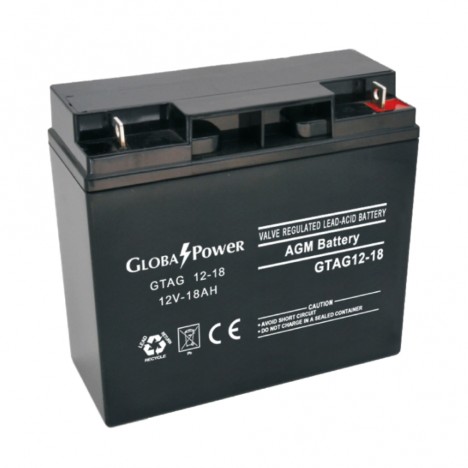


Dry Cell Batteries (Dry Battery or Sealed Battery) has become a popular choice for both household and industrial users due to its safety highlights, no need for distilled water top-ups, and long lifespan. Many may have seen or heard the name "dry cell battery" through advertisements or reviews, but are still unsure how it differs from conventional batteries and how to choose the most suitable one. In this article, we will guide you through the technology behind dry cell batteries, along with pros and cons, buying guides, maintenance, and tips for proper usage to help you maximize benefits and cost-effectively extend battery lifespan.
Getting to Know: What Is a Dry Cell Battery?
Dry Cell Batteries (also known as Sealed Lead Acid - SLA, AGM or Gel) refers to a completely sealed battery where the electrolyte solution inside is immobilized in gel form or absorbed in glass fiber mats. Therefore, it does not require regular distilled water refills like flooded batteries, and it minimizes the risk of acid leakage. This has led to its widespread popularity today, alongside its long service life, making it suitable for automotive, motorcycle, uninterruptible power supply (UPS), and various alternative energy applications.
Types of Dry Cell Batteries
1. AGM (Absorbent Glass Mat)
- Uses glass fiber mat separators to absorb the electrolyte, helping reduce leaks
- Delivers high current efficiently, providing quick vehicle starting response
2. Gel Battery
- Electrolyte is in a viscous gel form
- Resistant to deep discharge, though its high-current discharge rate cannot match AGM
3. VRLA (Valve Regulated Lead Acid)
- Equipped with an internal pressure relief valve, eliminating the need to check battery acid
- Meets demands for both automotive use and various electrical equipment

Advantages of Dry Cell Batteries
1. No need to top up distilled water
- Reduces maintenance burden, ideal for those who don't have time for frequent checks
2. Safe from leaks
- Because it is completely sealed, the electrolyte will not leak or easily evaporate.
3. Longer lifespan
- When used correctly and maintained properly
4. High current delivery (especially AGM models)
- Start your vehicle with confidence, even in extreme cold or hot weather.
Drawbacks to Keep in Mind
1. Higher price than wet-cell batteries
- Due to sealing technology and quality materials, production costs are higher.
2. Difficult to repair if damaged or deteriorated
- Cannot be restored by refilling with distilled water like conventional batteries.
3. Sensitive to overcharging
- If an unsuitable charger is used, the battery may swell or degrade prematurely.

How to Choose and Buy a Dry Battery Like a Pro
1. Choose the right capacity
- Check the electrical capacity rating (Ah) to ensure it fits your actual application, such as passenger cars, pickup trucks, UPS units, or solar systems.
2. Consider CCA (Cold Cranking Amps)
- For automotive batteries, the CCA rating is crucial as it helps start the vehicle in cold weather.
3. Check the manufacturing date
- Choose a fresh battery that hasn't been in stock for long for maximum performance.
4. Brand and Warranty
- Choose a reliable brand that offers after-sales service or has a nearby service center.
Dry Battery Maintenance
1. Check the Voltage Regularly
- Regularly check the voltage using a multimeter or a battery tester.
2. Avoid Frequent Deep Discharges
- If the voltage frequently drops too low to start, the battery's lifespan may decrease rapidly.
3. Charge with an Appropriate Charger
- Choose a charger specifically designed for dry batteries, such as AGM or Gel.
- Beware of overcharging, which causes the battery to swell or become damaged.
4. Avoid High Heat
- Extreme heat is the enemy of all battery types; try to install it in a well-ventilated area.
Practical Daily Applications
1. Automobiles
- Durable, high power output, easy to start in all weather conditions.
- Ideal for drivers who don't have much time for frequent battery maintenance.
2. Uninterruptible Power Supply (UPS)
- A popular choice in offices and computer shops.
- Sustains power during blackouts, helping to prevent damage to computer systems.
3. Solar Cells and Renewable Energy
- Dry-cell batteries are widely used for solar energy storage.
- Responds well to the fluctuating charging of renewable energy sources (especially the Gel type)
4. Small Electric Vehicles (EVs)
- Golf carts, electric scooters, etc., requiring durability and easy maintenance

Comparison with Other Battery Types
| Type | Maintenance | Price | service life | Safety |
| Dry-cell battery (AGM/Gel) | No distilled water refilling required | Medium-High | Long (if well maintained) | High |
| Flooded battery (Wet cell) | Requires distilled water refilling | Low-Medium | Medium | Medium |
| Lithium battery (Li-ion) | Virtually maintenance-free | Very high | Longer | High (requires BMS) |
Safety Recommendations
1. Beware of overcharging
- Always read the charger manual; set the voltage and current not to exceed specified limits.
2. Install in a well-ventilated area
- Even though it is a sealed battery, some models may release a small amount of vapor under heavy charging.
3. Do not puncture or open the cover
- Acid fumes or chemical leaks may occur, which are hazardous to health.
4. If abnormal swelling is observed
- Stop using it immediately and contact a specialist.
Conclusion
Dry Cell Batteries (Sealed Battery) It is a popular choice for users who prioritize convenience, safety, and a long service life—whether for cars, motorcycles, uninterruptible power supplies (UPS), or various renewable energy systems. Understanding how dry cell batteries work, their types, and proper maintenance will help you maximize their benefits. Furthermore, choosing the right battery for your actual application is a crucial factor in extending its lifespan.
If this article helped answer your questions or provided the knowledge you were looking for, don't forget to share it with friends or family interested in dry cell batteries to help them make the best decisions when buying and maintaining them in the future.