


 EN
 ไทย



Customers Also Purchased


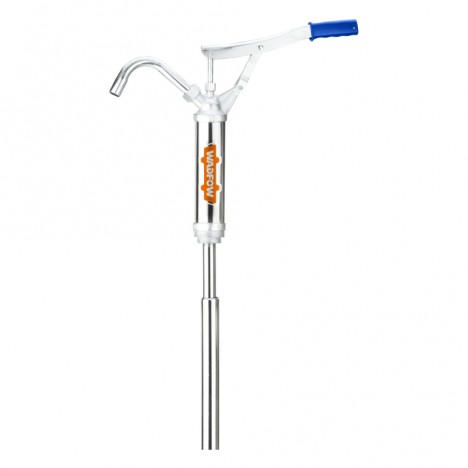
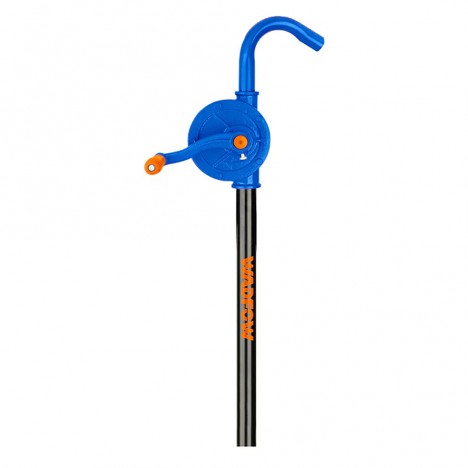
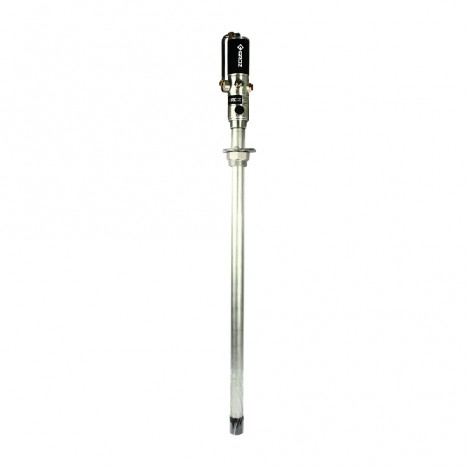
Gas Fuel Transfer Pump is essential equipment for transferring oil from drums or containers to machinery, vehicles, or various equipment that require lubricants or fuel. Choosing the right oil transfer pump not only ensures smooth operations, but also helps prevent accidents, minimizes oil loss, and enhances user safety.
In this article, I will explain the types of oil transfer pumps, how to choose one suitable for your application, and safe operating guidelines to achieve maximum efficiency and extend the lifespan of your oil transfer pump for a long time.
Types of Oil Transfer Pumps
1. Manual Lever Oil Transfer Pump
Manual lever pumps require human effort to operate. They are highly durable, easy to use, and require no electricity. Ideal for transferring smaller volumes of oil, such as engine oil, diesel fuel, or various lubricants, they are widely used in agriculture, small-scale industrial operations, and applications requiring high mobility. The key advantage of a manual lever pump is its simple construction, ease of maintenance, and the ability to operate even in areas without a power source. However, you should choose an oil transfer pump made from corrosion-resistant materials, such as stainless steel or rust-coated metal, to extend its service life.
Pros
- Affordable compared to other types of oil transfer pumps
- Requires no electricity or batteries, allowing it to be used in any situation
- Simple structure reduces the chance of damage from electrical systems or complex mechanisms
- Durable and easy to maintain; simply clean regularly and inspect for wear on seals and suction tubes
The downside
- Requires manual labor, which can cause fatigue during prolonged use
- Not suitable for transferring large volumes of oil, as continuous manual effort is required, which may make the process slower than electric or battery-powered oil transfer pumps
- Improper use may reduce efficiency and cause oil leaks

2. Electric Oil Transfer Pump
Electric oil transfer pumps operate faster and offer higher efficiency than manual lever pumps. They are suitable for tasks requiring high volumes of oil and continuous operation, such as service stations, industrial plants, and transportation systems. Electric oil transfer pumps typically feature powerful motors and high flow rates, capable of handling fluids with varying viscosities depending on the pump model. Additionally, they can be fitted with automatic control systems to reduce errors and improve safety during operation. However, you should select an oil transfer pump made of sturdy, chemical-resistant materials with short-circuit protection for safe and long-lasting use.
Pros
- Fast operation powered by high-efficiency motors, helping reduce oil transfer time
- Suitable for large volumes of oil and continuous applications, such as industrial plants or service stations
- Reduces manual labor, saving effort and minimizing fatigue during continuous operation
The downside
- Requires an electrical power source, which may be inconvenient in locations without electricity access or during power outages
- More expensive than manual lever pumps due to more complex motor and mechanical systems, leading to higher maintenance costs

3. Battery-Powered Oil Transfer Pump
This type of oil transfer pump is ideal for field use or locations without a mains power supply. It can run on car batteries or rechargeable batteries, featuring a compact and portable design that allows it to be used in remote areas such as agricultural farms, field service sites, or in emergencies requiring quick oil transfer. Additionally, some models feature flow rate control systems and an automatic shut-off function when the battery is low, ensuring both efficiency and safety in operation.
Pros
- Convenient to carry due to its compact size, lightweight build, and easy mobility for use in various locations
- Easy to use, requires no manual labor, reduces fatigue, and facilitates rapid oil transfer.
- Can be used in areas without electricity, making it ideal for field work, remote areas, or emergency situations that require efficient oil transfer.
The downside
- Requires batteries and may need frequent recharging, especially if used continuously for long periods. The battery may drain faster than normal, potentially requiring spare batteries.
- Higher price than hand lever pumps due to more complex technology, along with additional costs for battery maintenance and replacement when reaching end-of-life.

Key Factors in Choosing an Oil Transfer Pump
1. Type of Oil to Be Transferred
Each type of oil transfer pump may be suited for different fluids, such as diesel, engine oil, hydraulic oil, or specialty lubricants. You should check whether the oil transfer pump can handle the intended oil, considering properties such as viscosity, flow rate, and flammability. In addition, the materials used in manufacturing the oil transfer pump should be resistant to chemical corrosion to ensure the equipment operates efficiently and safely over the long term.
2. Usage Volume
If you regularly need to transfer large volumes of oil, you should choose an electric or pneumatic oil transfer pump with a high flow rate, as they can handle continuous heavy-duty use, reduce operating time, and minimize oil loss from leaks. In addition, electric or pneumatic oil transfer pumps can be connected to automated or remote control systems to enhance operational efficiency. For smaller jobs that require portability and have no electrical or compressed air power source, a hand lever oil transfer pump is preferable, as it is ideal for transferring small amounts of oil, easy to use, and does not rely on external power sources.
3. Ease of Use
Consider whether the oil transfer pump is easy to move by choosing an oil transfer pump that is lightweight and designed for portability. Additionally, check that installation can be completed without requiring too many accessories, and that operation is straightforward with an intuitive control system that operates smoothly even in challenging environments, such as areas with space constraints or limited access.
4. Power Source Used
Choose an oil transfer pump that uses a power source suitable for the job site, considering whether an electrical outlet is available. If electricity is not available, choose a hand lever or battery-powered oil transfer pump that is easily portable and usable in remote locations. If a sufficient power supply is available, opt for an electric oil transfer pump to maximize oil transfer efficiency, taking into account continuity of use and ease of connecting the power system to match your work requirements.
5. Safety Features
- Choose an oil transfer pump equipped with short-circuit protection to prevent damage from unstable electrical currents and reduce the risk of short circuits that could cause accidents.
- Check whether it is suitable for flammable liquids by choosing an oil transfer pump certified safe for use with fuels such as gasoline, diesel, or flammable chemicals.
- Select materials that are resistant to chemicals and corrosion, such as stainless steel or specialty engineering plastics that can withstand reactions with oils or chemicals, ensuring the oil transfer pump has a longer service life and greater safety.
How to Use an Oil Transfer Pump Safely
1. Proper Installation of the Oil Transfer Pump
- Read the instruction manual thoroughly before beginning installation to ensure a complete understanding of its operation and precautions.
- Check that all components are in good condition, especially safety-related parts such as seals, hoses, and locks.
- Install the fuel transfer pump in a well-ventilated area to reduce the accumulation of potentially hazardous vapors, and avoid installing it near sparks or heat sources.
- Check the connections of the suction and delivery hoses to ensure they are tight and prevent fuel leaks.
- If it is an electric fuel transfer pump, check that the power source is suitable and install short-circuit protection devices.
2. Proper Usage
- Never use the fuel transfer pump for the wrong type of fluid, such as using a diesel transfer pump for gasoline, as this may cause hazardous chemical reactions or damage the pump.
- Check the grounding and electrical wiring before use to prevent short circuits and enhance operational safety.
- Do not use the fuel transfer pump in confined or poorly ventilated spaces, as this poses a risk of accumulating flammable vapors, potentially leading to explosions or toxic fume inhalation.
3. Maintenance of Fuel Transfer Pumps
- Clean the fuel transfer pump after every use by wiping down the exterior and flushing the interior if necessary to reduce dirt and oil sludge buildup.
- Inspect rubber seals and delivery hoses to keep them in good condition; replace them immediately if leaks or cracks are found to prevent oil leakage.
- Regularly replace worn spare parts, such as valves, filter tubes, and gaskets, to ensure the fuel transfer pump operates at full efficiency and extend its service life.
- Apply lubricating oil to the moving mechanical parts of the fuel transfer pump to prevent wear from long-term use.
- Check the oil level if the fuel transfer pump has a built-in lubrication system, and top it up adequately according to the manufacturer's recommendations.
Conclusion
Choosing a fuel transfer pump requires considering fluid type, usage volume, convenience, and safety. Selecting the right fuel transfer pump ensures smooth operation and reduces the risk of accidents. For maximum convenience, invest in a quality fuel transfer pump that meets high safety standards.