


 EN
 ไทย


Customers Also Purchased


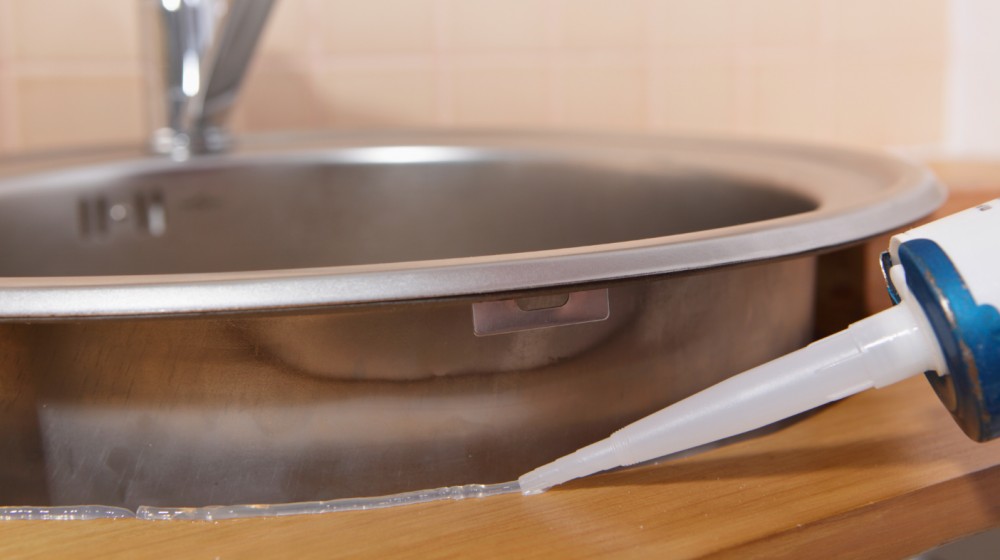
Construction Silicone Silicone sealant is considered one of the most popular bonding and sealing materials in both general construction and repair work, as well as in major industries such as automotive, machinery, and electronics. The success of silicone as a versatile material stems from its distinct "types" and "components" that are tailored to suit various applications. This article will delve into the essentials of its main components, as well as categorize the types of silicone so you can choose the right one for your specific needs and operating environment.
1. Main Components of Silicone
Understanding the components of silicone sealant helps explain why it possesses outstanding properties such as flexibility, resistance to heat, moisture, and degradation. Generally, silicone consists of:
1. Silicone Polymer Base
- It forms the backbone of silicone, most commonly a polymer in the polydimethylsiloxane (PDMS) family with a long-chain molecular structure.
- Its key highlights are high elasticity and the ability to withstand a wide range of temperatures (typically around -50°C to 250°C or higher depending on the formulation).
2. Crosslinker
Functions to create bonds between silicone polymer molecules, transforming it from a liquid or semi-liquid state into a flexible solid.
When silicone is exposed to atmospheric moisture (for 1-part systems) or another activator (for 2-part systems), the crosslinker is activated, turning the adhesive into an environmentally resistant silicone rubber.
3. Catalyst / Curing Agent
- Functions to accelerate the chemical crosslinking process.
- In acid-cure (acetoxy) or neutral-cure silicone systems, different catalysts are used, such as tin catalysts, amine catalysts, or oxime, etc.
4. Filler
- Such as silica or calcium carbonate, which help improve properties regarding strength, toughness, and adhesion.
- It also helps reduce production costs and is sometimes used to control the viscosity of the silicone.
5. Additives
- May be a fungicide to reduce mold growth in damp areas.
- UV inhibitors to delay degradation when exposed to sunlight.
- Flame retardants for applications requiring high safety standards.
6. Solvents or Diluents
- Some formulas may contain solvents to adjust the fluidity of the silicone, but 100% silicone formulas rarely contain solvents or contain very little to achieve the highest quality.
In summary, these components work together to provide silicone with outstanding properties, including adhesion, elasticity, waterproofing, and resistance to chemicals or temperature changes.
2. Classification of Silicone by Curing Systems
One way to classify silicone is by considering its curing method and crosslinking process, which play a crucial role in its properties and applications.
1. One-Part Silicone
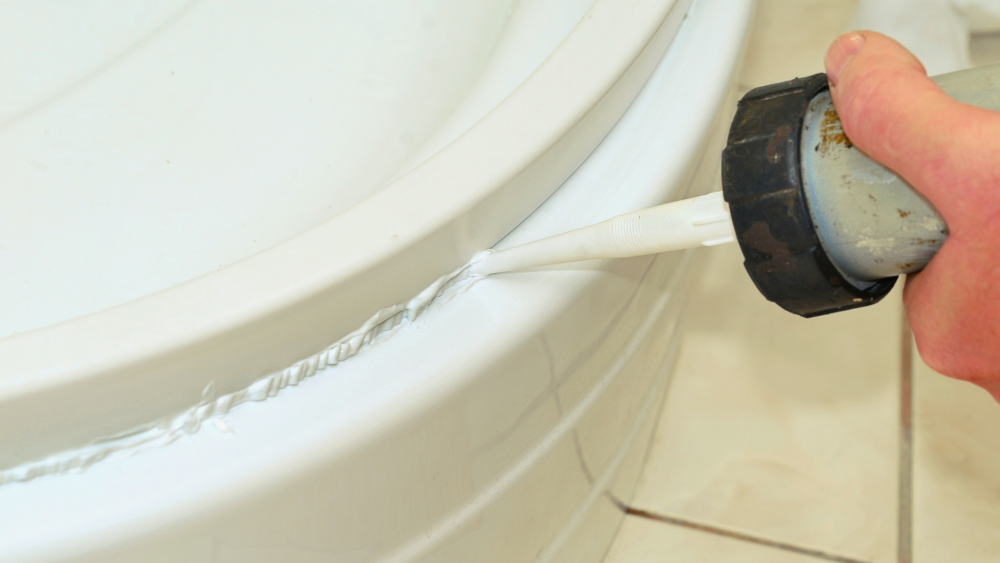
- Commonly found in general construction and repair work because it is convenient to use and requires no prior mixing.
- The curing process is triggered by "atmospheric moisture." Once dispensed from the tube or cartridge, the sealant undergoes a crosslinking reaction until fully cured.
- Subdivided into types such as Acetoxy Cure and Neutral Cure (Alkoxy, Oxime), which differ by the volatile compounds or by-products released during curing.
2. Two-Part Silicone
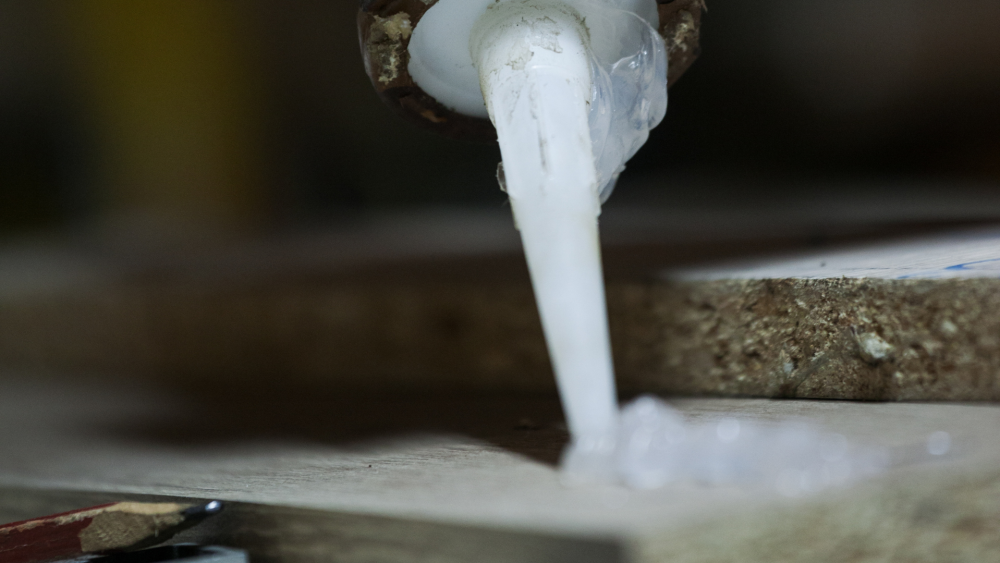
- The sealant is divided into two components (Base and Curing Agent) that must be mixed before use.
- Suitable for industrial work or applications requiring precise control over curing time, such as molding, electronics, or automotive parts manufacturing.
- The mixing ratio can be controlled to adjust the hardness or cure speed as desired.
3. Classification of Silicone by By-products (Acetic vs. Neutral)
Within the "1-part silicone system" group, it can be subdivided based on the byproducts released during the curing process, which affect the odor and acidity/alkalinity of the sealant.
1. Acid-curing silicone or Acetoxy Silicone Sealant
- Releases acetic acid vapors, resulting in a relatively pungent vinegar-like odor.
- Pros: Sets relatively fast, adheres excellently to glass and ceramics, and is more affordable compared to other types.
- Limitations: Not suitable for certain metals, such as iron or aluminum, as it may corrode them or make the surface prone to rusting.
2. Neutral silicone or Neutral Silicone Sealant
- May use alkoxy or oxime byproducts, making it non-pungent and non-corrosive to metals.
- Pros: Compatible with a wide variety of materials without corrosion concerns; adheres well to wood, metal, plastic, and concrete.
- Limitations: Higher price than the acid-curing type, and some formulations may take longer to cure.
4. Classification of Silicone by Application (General Purpose vs. Specialty)
In addition to the "curing method" and "byproducts" used, the silicone industry also categorizes silicones by application, allowing us to select products with specific properties better suited for each type of work.
1. General Purpose Silicone
- A standard formula designed to adhere to a wide range of materials and withstand general conditions.
- Popularly used in interior decorating or home repair, such as sealing window edges, door edges, and small cracks along walls.
2. High-Temperature Silicone
- Formulated to withstand temperatures exceeding 300°C, or even higher in some cases.
- Suitable for automotive industry applications (such as sealing cylinder heads or exhaust pipes), ovens, or areas exposed to extreme heat.
3. Anti-Fungal Silicone
- Blended with built-in fungicides to prevent mold and mildew growth on the silicone surface.
- Ideal for damp and wet areas such as bathrooms, kitchens, sinks, or bathtubs.
4. Food Grade Silicone
- Certified safe for contact with food (Food Contact Safe)
- Often used for sealing kitchen appliances, cooking equipment, or surfaces that may come into direct contact with food.
5. Silicone for Specific Industries
- May be formulated for high hardness or optical clarity (Optically Clear) for electronics and optical lenses.
- Some formulas are designed to be paintable or to provide excellent adhesion to specialized plastics.
5. The Relationship Between "Components" and "Types"
When considering "components" and "types" together, it becomes clear that:
- Base Polymer Determines the fundamental flexibility and durability.
- Crosslinker and Catalyst Determine the curing process—whether it is Acetoxy, Neutral, or 2-part—as well as the full curing time of the adhesive.
- Additives Such as anti-fungal agents make certain types of silicone ideal for bathrooms or high-humidity areas, while flame retardants may be essential in industrial and construction systems with high safety standards.
6. The Importance of Choosing the Right Silicone for the Job
To select silicone appropriately and effectively, you must consider:
1. Substrate
- Is it glass, metal, wood, concrete, or plastic?
- If it is a metal prone to corrosion, you may need to choose Neutral Silicone.
2. Environment
- High temperature? Intense sunlight exposure? Constantly wet or humid?
- You should clearly specify whether the application requires UV resistance, mold resistance, or how much high heat it needs to withstand.
- Standards or special requirements
3. Food contact applications (Food Grade)
- Industrial applications that must meet fire resistance standards or be paintable
4. Application Method
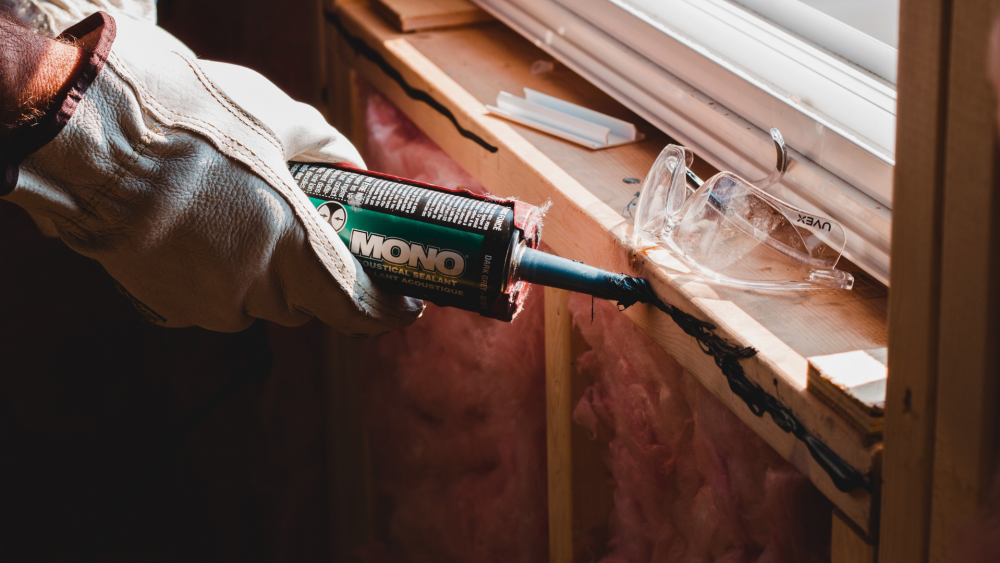
- Using a standard caulking gun, or large machinery on a production line?
- If it is a 2-part system, it may require a mixing machine or precise measuring tools.
7. Advantages and limitations of each silicone type
1. Acetoxy Silicone
- Pros: Fast-drying, economical, excellent adhesion to certain materials
- Limitations: Pungent odor and corrosive to certain metals
2. Neutral Silicone (Alkoxy/Oxime)
- Pros: Mild odor, compatible with a wide range of materials, non-corrosive
- Limitations: Higher price, may cure slightly slower
3. High-Temp Silicone
- Pros: High heat resistance, suitable for automotive or oven applications
- Limitations: More expensive, and color options may be limited
4. Food-Grade Silicone
- Pros: Safe for food contact, perfect for kitchen applications
- Limitations: May be higher in price with fewer options; certification standards must be verified
5. Two-Part
- Pros: Precise cure time control, often with advanced specialized properties
- Limitations: Requires mixing before use and additional equipment; higher cost and more complex process

8. Conclusion: Why "Type" and "Components" are the Heart of Silicone
Understanding the "type" of Construction Silicone and the key "components" that create its various special properties are crucial to helping you make the right choice—whether for minor home repairs or large-scale industrial projects. Under the name "silicone," which seems like a single material, it branches out into many types including Acetoxy, Neutral, High-Temp, Anti-Fungal, Food-Grade, and many more.
- Components such as base polymers (PDMS), crosslinkers, and additives determine chemical and physical properties.
- Type of silicone indicate what strengths the sealant will have, including adhesion, curing time, odor level, and environmental resistance.
- Making the right choice therefore means saving time and costs while achieving long-lasting results.
For anyone looking for silicone for project or home use, it is recommended to check the "type" of silicone and thoroughly read the "components" on the product label. Don't forget to consider the environment, surfaces, and on-site conditions together to achieve the best, safest, and most cost-effective long-term results!