


 EN
 ไทย


Customers Also Purchased


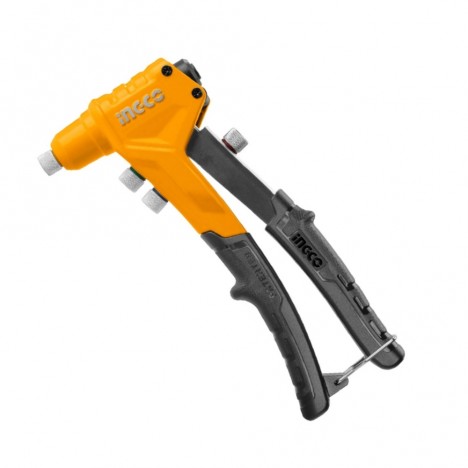
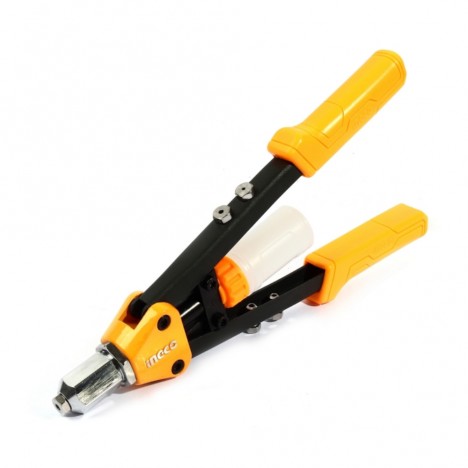
A rivet gun is another type of hand tool used to join workpieces without welding or screws, using rivets instead to bond materials together. This method is efficient, strong, and helps minimize workpiece damage during assembly. Riveting is widely used in manufacturing and repair applications requiring high durability, such as steel, aluminum, and stainless steel work.

What Is a Rivet Gun?
Types of Rivet Guns
Riveter Plier
- Pros: Inexpensive, easy to use, highly portable, and compact. Convenient to take for off-site work without depending on power sources, allowing use in areas without electricity or air supply. Ideal for tasks that do not require high speed or excessive force.
- Cons: Requires significant physical effort to set rivets; may not be suitable for high-volume jobs because repeated manual squeezing causes fatigue during prolonged use. In addition, proper force must be applied to ensure a tight joint, which can be an issue when setting large rivets or working with high-strength materials, resulting in slower work and potentially affecting rivet quality if proper technique is not used.
Electric Rivet Gun
- Pros: Easy to use, reduces fatigue, and suitable for high-volume work. Greatly reduces operating time and boosts efficiency, allowing quick and continuous riveting without requiring heavy physical effort from the user. Furthermore, electric rivet guns ensure tight, uniform joints, minimizing errors caused by uneven manual force, making them ideal for high-standard manufacturing or repair jobs requiring a large volume of rivets.
- Cons: Higher price than manual types, requires an electrical power source, and may rely on batteries or power cords that restrict mobility. It also requires more maintenance than a manual rivet gun, and electrical or motor problems may incur additional repair or replacement costs.
Pneumatic Rivet Gun
Uses compressed air from an air compressor to set rivets, enabling fast and continuous operation. Ideal for jobs requiring high precision and efficiency, it works well with large rivets and high-strength materials while reducing operator fatigue during extended use. However, it requires an air compressor as a power source and may entail additional equipment maintenance costs.
- Pros: Fast operation, reduces fatigue, and supports large rivets. Delivers consistent pressure, allowing continuous work without heavy hand effort, effectively reducing user fatigue. Ideal for industrial applications requiring large quantities of rivets and can be used with high-strength materials without damaging the joint. In addition, it significantly reduces working time compared to manual rivet guns.
- Cons: Requires an air compressor, has a high cost, and needs adequate air pressure to operate, which may require upkeep and maintenance of accessories like air compressors and air hoses. Additionally, there may be limitations when working in areas without an air source or restrictions regarding noise generated by pneumatic systems.

How to Choose a Rivet Gun for Different Materials
Rivet Guns for Steel Work
Steel is a high-strength material with greater density than aluminum or stainless steel, requiring rivets that can withstand high compressive and tensile forces. You should choose a rivet gun capable of handling steel or stainless steel rivets to ensure the strongest and most durable fastening. In addition, consider a rivet size suitable for the thickness of the material and select a rivet gun that provides sufficient clamping force, such as a pneumatic or electric rivet gun, which delivers consistent pressure, reduces the chance of riveting errors, and greatly enhances work efficiency.
Rivet Guns for Aluminum Work
Aluminum is a lightweight material with moderate strength, making it ideal for applications that require durability without adding excessive weight. Rivets used with aluminum should be aluminum rivets or galvanized steel rivets, as these materials resist high-humidity environments well and also help prevent long-term damage to the aluminum surface. Furthermore, choose a rivet size appropriate for the material thickness to ensure effective riveting and a secure, tight hold.
Rivet Guns for Stainless Steel Work
Stainless steel is a high-strength material with excellent corrosion-resistant properties, making it ideal for applications requiring exceptional durability, such as construction, manufacturing industries, and work exposed to moisture or chemicals. You should choose stainless steel or high-tensile steel rivets capable of supporting high loads to achieve tight joints and a long service life. Additionally, select a rivet size that matches the material thickness to prevent loose connections and cracking of the workpiece.
Factors to Consider Before Buying a Rivet Gun
- Type of Work – For tasks requiring high-volume riveting, electric or pneumatic rivet guns are recommended, as they boost work efficiency, reduce user fatigue, and deliver consistent pulling force. For continuous, long-duration riveting jobs such as metal frame assembly, automotive manufacturing, or electrical appliance production, using an electric rivet gun saves time and labor, while pneumatic rivet guns are ideal for work demanding high speed and precise force. Both types offer significantly higher efficiency than manual rivet guns, especially for continuous, high-volume fastening tasks.
- Rivet Size – Different types of rivet guns support different rivet sizes; choose one that fits your application and material specifications. Rivet size directly affects the strength of the joint. Using an undersized rivet on thick material may result in a weak connection or easy detachment, while an oversized rivet can cause damage to the material. Always check the specifications of each rivet gun model to ensure it accommodates the appropriate rivet size for your intended application. Moreover, choosing high-quality rivets ensures stronger connections and longer service life.
- Ease of Use – Electric or pneumatic rivet guns reduce physical effort and speed up operations. Electric rivet guns are ideal for those looking to eliminate manual strain while maintaining continuous, highly efficient riveting. Pneumatic rivet guns deliver consistent pressure, making them suitable for high-speed, high-volume production. Additionally, choosing a tool with force control systems and interchangeable nosepieces allows you to work with multiple rivet sizes, offering greater convenience and versatility across various applications.
- Price and Budget – Rivet guns are available across a wide range of price points, from budget-friendly models suitable for DIY and general home use to professional-grade models with advanced features for industrial applications. Consider cost-effectiveness by weighing the features and lifespan of the rivet gun against your investment. Investing in a high-quality tool, even at a slightly higher price point, can reduce long-term maintenance and replacement spare parts costs. Always review user feedback and ratings before purchasing to ensure you get the best value for your budget.
- Maintenance – Check whether spare parts can be easily replaced and whether the tool is simple to maintain. Choose a rivet gun with a sturdy construction designed for easy replacement of jaws or worn components to extend its lifespan. Also, consider the tool's build materials, such as heavy-duty steel or durable aluminum alloy. Regularly clean the tool after use to prevent metal shavings or dust buildup, and periodically lubricate moving parts to keep mechanisms operating smoothly. Storing it in a dry place away from moisture also prevents rust and further extends the life of your rivet gun.
Conclusion
Choosing the right rivet gun for steel, aluminum, and stainless steel involves considering multiple factors, such as the rivet type, material thickness, and nature of the job. Selecting the proper equipment increases work efficiency, minimizes material damage, and extends the lifespan of your tools.Whether you are a professional tradesperson or a beginner, understanding how to choose the right rivet gun will help you work faster and with greater precision.