


 EN
 ไทย



Customers Also Purchased
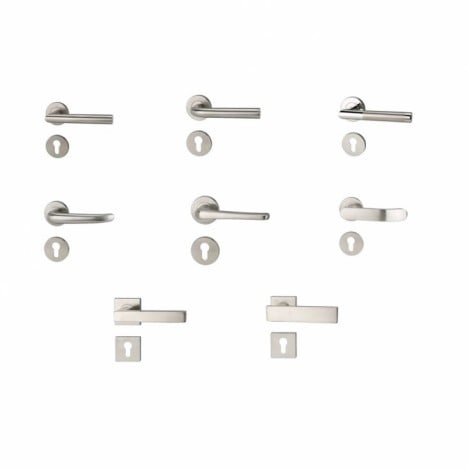
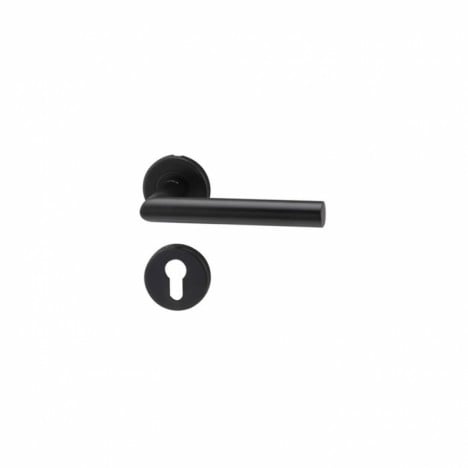
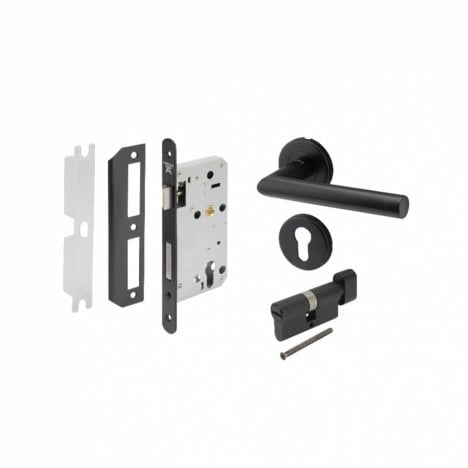
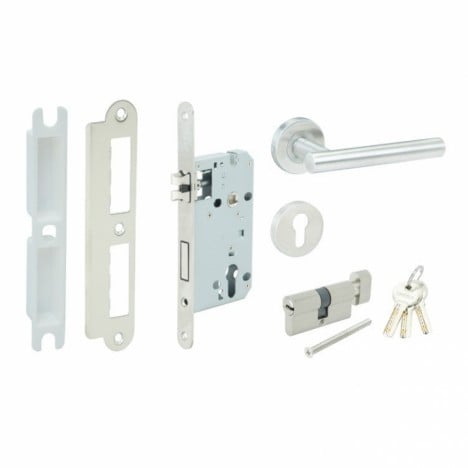
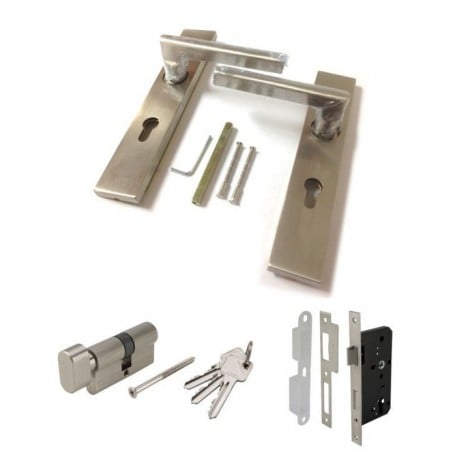
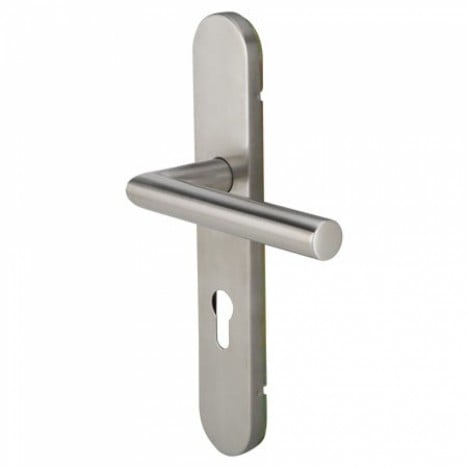
When choosing Door Knobs a door knob set, many people might focus primarily on the design or the locking mechanism, but the "material" used to manufacture the door knob is just as important. Different materials offer different properties in terms of durability, aesthetics, rust resistance, and long-term cost-effectiveness. This article will introduce you to popular materials used in door knob manufacturing—whether stainless steel, brass, or other alloys—and compare their pros and cons to help you make the best choice.
1. Stainless Steel
Stainless steel is a metal alloy notable for its superior rust and corrosion resistance. It comes in various grades, such as 304 or 316, which are suitable for different applications.
1.1 Features
Resistant to rust and corrosion: Ensures a long lifespan for the doorknob and easy maintenance
Smooth, beautiful surface texture: Stainless steel often features a polished finish or a modern hairline brushed finish
Easy to clean up: Fingerprints and stains can be wiped off easily
1.2 Advantages
High durability: Impact-resistant and not prone to rusting
Formal and modern look: Matches a wide variety of decor styles
Long-term value: Although the price may be higher than standard doorknobs, frequent replacement is not needed
1.3 Disadvantages
Fingerprints may be clearly visible: Glossy finish models can easily pick up fingerprint smudges
Some models are expensive: Especially for premium grades or special designs
Suitable for: Exterior doors exposed to sunlight or high humidity, main entrance doors for homes, offices, or even interior doors where a modern look and easy maintenance are desired

2. Brass
Brass isAlloybetweenCopper andZinc long popular for door knobs because it provides a classic and luxurious look
2.1 Properties
Distinctive brass color: Has a shiny finish and provides a classic ambiance
Good rust resistance: Although a green patina may develop over time, it is not corrosive rust like on common steel
Easy to mold: Can be crafted into a variety of designs, whether engraved patterns or other shapes
2.2 Advantages
Luxurious and classic look: Suitable for vintage or European style houses
Solid texture: Durable, not brittle or easily cracked
Naturally antimicrobial: Brass has been reported to help reduce the spread of germs on its surface
2.3 Disadvantages
Green tarnish may occur: This is a natural patina that occurs on brass; polishing or coating is required
Relatively high price: Compared to common materials
Requires maintenance: If you want to maintain its shine, it may require polishing or using surface care solutions.
Suitable for: Homes or buildings that desire a luxurious, classic, and formal look, where users are willing to dedicate time to maintenance to keep the doorknob shiny at all times.

3. Zinc Alloy
Zinc Alloy is also a popular material because of its affordable price and ability to be molded into a wide variety of styles.
3.1 Properties
Low production cost: Makes market products more affordable.
Versatile shapes: Easy to stamp and mold, with various surface finishes possible.
Durability depends on grade: Some models may be alloyed with other metals to increase strength and prevent rust.
3.2 Pros
Affordable: Suitable for those on a limited budget.
Diverse designs: A wide variety of designs to choose from.
Lightweight: Easy to install
3.3 Cons
Less durable than stainless steel and brass: More prone to faster wear, corrosion, or peeling.
May rust or corrode easily: If not properly plated or coated with an anti-rust treatment.
Appearance may not be luxurious: Compared to stainless steel or genuine brass
Suitable for: Interior doors that do not require high durability, such as infrequently used rooms or cost-sensitive projects
4. Coated steel or plated steel
Steel is a strong basic material, but it rusts easily, so it is often plated or coated with an anti-rust agent.
4.1 Properties
Strong, good impact resistance: However, plating quality must be considered
Affordable price: Because steel has a lower cost than other metals
Must be properly plated or coated: To prevent rust and corrosion
4.2 Advantages
Affordable: Cost-effective for high-volume applications
Easy to find spare parts or replace: Wide variety of brands available in the market
4.3 Disadvantages
Prone to rust: If the coating peels off or gets damaged
Surface texture may not look luxurious: Can be thick and heavy
Suitable for: Used in large construction projects requiring low costs and where aesthetics are not a major priority, or for interior rooms that do not require luxury.
5. Aluminium
Aluminium is another lightweight and rust-free option, but it has limited durability.
5.1 Properties
Lightweight: Easy to transport and install
Rust-free: However, other forms of corrosion can occur.
Moderate heat resistance: Not suitable for applications exposed to high heat
5.2 Advantages
Lightweight: Doors using aluminium knobs are easy and smooth to open and close.
No worry of rust: Relatively easy to maintain
Affordable price: Ideal for budget-conscious projects
5.3 Disadvantages
Not as strong as steel or brass: Can easily dent or deform upon impact
Appearance may not be luxurious: Compared to brass or high-grade stainless steel
Suitable for: Doors that do not bear much weight or impact, such as interior office room doors or lightweight storage rooms that are not used frequently

How to Choose the Right Door Knob Material
1. Evaluate Usage and Environment
- Exterior doors should use highly rust-resistant materials such as stainless steel, brass, or premium coated steel.
- Interior doors can use zinc alloy or aluminum if you want to reduce costs.
2. Consider the Decor Style
- Classic-style homes or buildings might choose brass to add a touch of luxury.
- Modern styles may emphasize stainless steel or aluminum for a sleek, minimalist look.
3. Surface Coating Quality
- Knobs plated or coated with quality technology greatly prevent rust and extend service life.
4. Budget and Value
- If on a limited budget, you may consider zinc alloy or plated steel.
- If investing for the long term and seeking high durability, choosing stainless steel or brass is a great option.
5. Test and Check Standards
- Try holding, turning, locking, and unlocking to see if it feels comfortable in hand and if the material has a well-balanced weight.
- Check if the knob meets standards such as ANSI Grade or ISO standards for quality assurance.

Conclusion
Choosing Door Knobs It doesn't end with just considering the design or locking mechanism, but Material is also an important factor determining aesthetics, durability, and maintenance. Popular materials such as Stainless steel is renowned for rust resistance and durability, offering a modern look, while Brass provides luxury and a classic feel, but requires regular maintenance. On the other hand, Zinc Alloy stands out for its affordability and variety of designs, while Coated Steel and Aluminum meets the needs for affordability and lightweight properties, respectively.
Once you understand the pros and cons of each material, you can confidently choose the one that fits your environment, budget, and desired style. Don't forget to test them in real use and check various standards before making a purchase decision, ensuring you get a door knob that is both beautiful and durable, offering long-term value!