


 EN
 ไทย



Customers Also Purchased


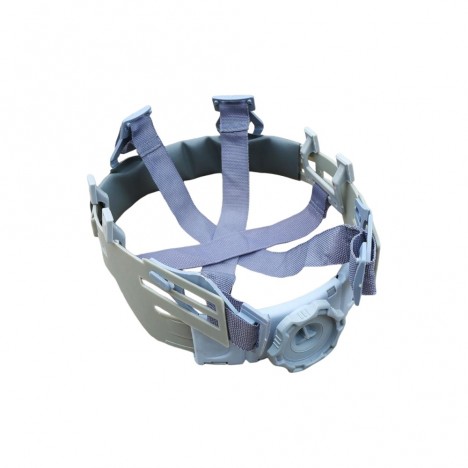
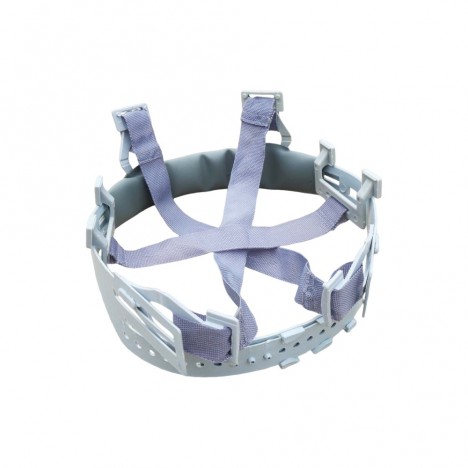


Every day, we often see Safety Helmet in various places, whether in construction, manufacturing, or even in tasks with risks of falling materials. Safety helmets are considered equipment that protects the head from injuries and hazards that may occur from unexpected accidents. On the contrary, however, if you use a safety helmet incorrectly or choose one that is not suitable for the nature of the work, hazards can happen.
Many people might think that just wearing a safety helmet will solve all problems, but that's not quite right. Wearing a safety helmet improperly or using a deteriorated helmet can endanger life and body more than you think. Therefore, in this article, I willtake you to explore: What are the precautions when using safety helmets? And why using a safety helmet incorrectly could endanger you! Without further ado, let's dive into this article.

Why are safety helmets more important than you think?
- According to reports by the Occupational Safety and Health Administration (OSHA), over 25% of serious workplace injuries occur to the head, and most could be prevented if safety helmets are used correctly.
- In Thailand, the National Statistical Office reported that accidents from falling objects on construction sites are one of the leading causes of death and serious injury.
- There is a report from the National Institute for Occupational Safety and Health (NIOSH) stating that workers not wearing safety helmets are up to 3 times more likely to suffer fatal head injuries from accidents than those who wear them.

How does a safety helmet work to protect your head?
- Outer Shell: Made from materials such as ABS (Acrylonitrile Butadiene Styrene), HDPE (High-Density Polyethylene), or fiberglass, which offer high impact resistance. It helps disperse impact energy to reduce the direct force transmitted to the head. Some models also feature antistatic coatings for electrical work.
- Suspension System: A system of internal straps or impact-absorbing foam within the helmet that absorbs and disperses impact energy before it reaches the wearer's head. A good suspension system can reduce the force transmitted to the brain by 60–80%.
- Chin Strap: Keeps the helmet securely in place on the head, preventing it from easily falling off during a collision or impact. Using a properly fitted chin strap reduces the risk of the helmet being knocked off the head during an accident.
What happens if you do not wear a safety helmet?
- Risk of severe head injury: Although the skull is a strong structure, it has its limits. If an object falls directly onto the head, it can cause skull fractures and damage the brain.
- Brain damage and death: Severe impact can lead to a concussion, which affects memory and neurological functions. In severe cases, it can cause a brain hemorrhage, which may lead to unconsciousness or death.
- Impact on family and income: Sustaining a head injury that requires prolonged medical treatment can leave you unable to work, affecting your household income and family security.
Types of safety helmets and their suitable applications
Safety helmets come in various types designed for different working environments. Using the wrong type may prevent the helmet from offering full protection. Therefore, understanding the types of safety helmets will help you make the best choice for your application.
Industrial Safety Helmet
This type of safety helmet is designed for general industrial work, particularly in construction, industrial sites, and tasks with risks from falling objects.
- Key Features: Features a sturdy shell to disperse impact forces and an internal suspension system to reduce the force transferred to the head. It can also be used with accessories such as safety glasses, earmuffs, and dust masks.
- Suitable Applications: Construction work, civil engineering, and manufacturing industries where there is a risk of falling objects.
- Relevant Standards: ANSI Z89.1 (US standard), EN 397 (European standard), TIS 368-2538 (Thai Industrial Standard).
Electrical Safety Helmet
This type of safety helmet is ideal for electricians or personnel working in areas with electrical hazards. These helmets must possess antistatic properties and be non-conductive to electricity.
- Key Features: Helmet shell made of electrical insulating materials such as fiberglass or ABS. Can protect against high voltage (depending on helmet standards). Features impact resistance and high dielectric protection.
- Suitable Applications: High-voltage electrical system installation, power transformer maintenance, electrical substation maintenance.
- Relevant Standards: ANSI Z89.1 Class E (voltage protection up to 20,000 volts), EN 50365 (electrical insulation for use on low voltage installations), TIS 368-2538 (Thailand)
- Precautions: Do not use electrical safety helmets with any metallic components, such as metal clips or conductive stickers. Always inspect for cracks or scratches that may compromise its electrical insulation properties.
Specialty Helmets
This type of safety helmet is designed for specialized applications requiring specific features, such as firefighting, rescue operations, or even mountaineering, which require helmets capable of withstanding high heat and protecting against sparks.
- Made of reinforced fiberglass to withstand high temperatures. Features built-in safety goggles to protect against flames and smoke. Includes a sturdy, snug chin strap.
- Relevant Standards: NFPA 1971 (Standard on Protective Ensembles for Structural Fire Fighting and Proximity Fire Fighting)
Climbing & Rescue Helmet
Used for rescue operations, climbing, or tasks requiring prolonged work at height. Lightweight with a secure suspension system. Features ventilation holes to help reduce heat. Compatible with accessories such as headlamps and safety goggles.
- Relevant Standards: EN 12492 (Mountaineering helmet standard), ANSI Z89.1 Type II
Precautions for Using Safety Helmets: Improper Use Can Cause Danger
Safety helmets are essential equipment that protects the head from injuries caused by workplace accidents, especially in construction, manufacturing plants, electrical work, and tasks involving risks from falling objects. However, improper use can prevent the helmet from offering full protection, potentially leading to unforeseen hazards.
- Have you ever wondered what the colors of safety helmets mean?
Wearing a Safety Helmet Incorrectly
- Wearing the helmet backwards: Safety helmets are designed to protect against top impacts. Wearing it backwards prevents the internal structure from functioning at full efficiency, increasing the risk of impact injury.
- Wearing the helmet too loosely: If the helmet does not fit snugly, it can easily fall off during an accident, especially during tasks requiring frequent movement or working at height.
- Not fastening the chin strap: The chin strap keeps the safety helmet securely on your head. Without fastening it, the helmet could fall off at the exact moment head protection is needed most.
- Wearing a safety helmet over a cap or thick hood: Many people wear a safety helmet over a baseball cap or thick hoodie, which can compromise the impact absorption system and prevent the helmet from seating securely on the head.
- Using a non-adjustable helmet: A good safety helmet should feature an adjustment system to fit each user's head snugly. Helmets without size adjustment may fit improperly, compromising safety.
Using a Deteriorated Safety Helmet
- Cracks or fractures: If the helmet has even a minor crack, it means it may no longer absorb impact properly and should be replaced immediately.
- Helmets that have sustained severe impacts: If a helmet has already absorbed an impact from a falling heavy object, unseen internal damage may have occurred even if there are no visible external cracks, which can reduce its protective performance.
- Using an expired safety helmet: Generally, safety helmets should be replaced every 3–5 years, even if there is no visible external damage.
- Helmets faded or brittle from sunlight: Sunlight can degrade plastic. Helmets stored or used outdoors for long periods may have brittle shells that crack easily.
Choosing the Wrong Type of Safety Helmet
- Using a general safety helmet for electrical work: Helmets without electrical insulation properties can conduct electric currents and cause hazards.
- Using non-certified safety helmets: Safety helmets without standard certifications such as ANSI, EN, or TIS may not have undergone proper testing, increasing the risk of danger.
- Using safety helmets not designed for heavy-duty work: Such as using a helmet without an impact absorption system for high-risk construction work.
Materials Used to Make Safety Helmets
- ABS (Acrylonitrile Butadiene Styrene): High impact resistance, lightweight, comfortable to wear, and widely used in industrial safety helmets.
- HDPE (High-Density Polyethylene): High impact resistance, good resistance to chemicals and UV radiation, suitable for outdoor work and exposure to harsh weather conditions.
- Fiberglass: High heat resistance and stronger than conventional plastics, suitable for firefighting or industries with high heat exposure.
Frequently Asked Questions About Safety Helmets
Q: What is the lifespan of a safety helmet?
A: Typically 3–5 years, but if there are cracks or damage, it should be replaced immediately.
Q: Can a safety helmet be used in place of a motorcycle helmet?
A: No, because they are designed to absorb different types of impacts.
Q: Will a safety helmet degrade faster if it gets wet or is exposed to sunlight for long periods?
A: Yes, it is recommended to store it indoors and avoid direct sunlight.