


 EN
 ไทย



Customers Also Purchased


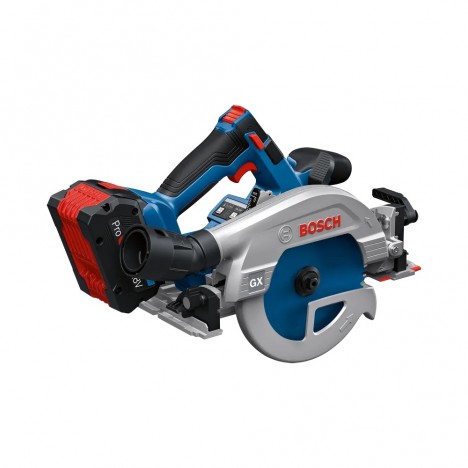
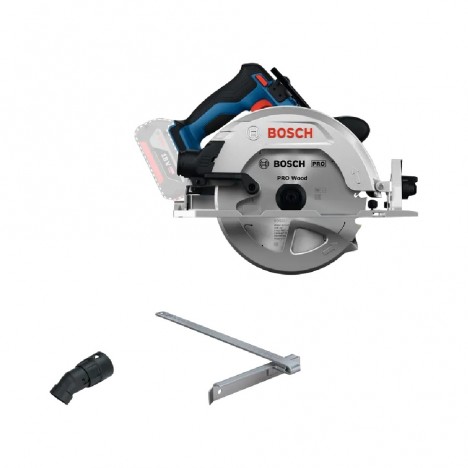


Circular Saws A circular saw is a powerful and highly efficient tool, but it is also one of the tools that can be dangerous if used improperly. With the blade's high speed and cutting force capable of slicing through tough materials, failing to inspect and prepare the tool before use can lead to severe accidents. Therefore, checking the condition of your circular saw before operation is extremely important to ensure the tool is ready to use, safe, and free from unexpected accident risks.
In this article, we will look at how to perform a pre-operation safety check on a circular saw, along with guidelines for tool maintenance to ensure a long lifespan and efficient performance.
Inspect the structure and external condition of the circular saw
Before turning on the circular saw every time, the first thing you must do is thoroughly inspect the external condition of the tool at every point to ensure no parts are damaged, loose, or in a condition that could cause hazards. First and foremost, check whether there are oil stains, dust, or dirt adhering to the tool body, as these can cause slipping or operational issues. If dust or dirt is found, clean it off before use. Additionally, ensure all control buttons can be pressed or turned smoothly without sticking to prevent problems during operation. You should also check the tightness of the screws and nuts securing various parts of the tool to prevent them from loosening or falling off during use, which could make the machine unstable and increase the risk of accidents.
What to Check
- Tool body and overall structure: Check for cracks, fractures, or loose parts. If any part is damaged, it should be repaired or replaced before use.
- Handles and grips: Ensure they are in good condition, free of cracks or wear that could cause them to slip from your hands during operation.
- Power cord and plug (for corded circular saws): Check that the power cord is not torn or frayed. If any damage is found, replace it immediately.
- Battery (for cordless circular saws): Check that it is fully charged and free of cracks that could cause issues during operation.
- Electrical insulation: Check that the cord insulation is in good condition with no tears that could cause a short circuit.

Check whether the saw blade is ready for use
The saw blade is the heart of a circular saw, as it comes into direct contact with the material. If the blade is not in good condition, it may result in rough cuts, kickback, or premature blade wear. In addition, a dull or defective blade can cause wood chips or debris to fly off, increasing risks to the user. Therefore, always inspecting the blade before use is essential, especially regarding sharpness, cleanliness, and secure installation, to ensure that cutting is as efficient and safe as possible.
What to check regarding the saw blade
- Blade sharpness: The blade must be sharp, with no chipped or broken teeth, as these can cause rough cuts and kickback.
- Blade mounting: Ensure the blade is securely mounted, not loose or wobbling.
- Blade type: Use the appropriate blade for the intended job, such as wood-cutting blades, metal-cutting blades, or plastic-cutting blades, by carefully reading the manufacturer's instructions.
- Blade rotation: Before turning on the tool, spin the blade by hand to check that it rotates freely without obstructions or abnormal noises.
Check safety guard systems and safety accessories
Circular saws are designed with safety guard systems to help reduce the risk of accidents. These systems play a critical role in preventing flying debris, blade kickback, and accidents caused by improper tool control. Users should verify that these safety devices are in complete condition and functioning normally to ensure maximum safety and efficiency during use.
One of the most important safety devices is the blade guard, which must operate smoothly, opening and closing in sync with the tool's movement without binding. In addition, the switch lock-off button is another component that should not be overlooked, as it helps prevent accidental startup, which could lead to severe accidents. Kickback protection systems are also another measure that makes cutting safer by reducing the chance of the tool kicking back and causing the user to lose control.
Checking these safety systems not only ensures that the tool operates according to standards, but also boosts user confidence and reduces accident risks. Therefore, you should consistently inspect these devices before every use to ensure that the safety systems are functioning effectively.
What to check
- Blade guard: Check that the guard opens and closes smoothly without sticking and properly covers the blade when not in use.
- Power switch lock-off button: Check that the lock button functions properly to prevent the tool from turning on accidentally.
- Depth adjustment lever: Check that the lever securely locks the blade at the desired cutting depth.
- Kickback Protection: Check that kickback safety features work properly to reduce accidents from blade kickback.

Check the Material Surface and Work Area
Even if the circular saw is in good condition, an unsafe work area can still lead to accidents. Proper workspace preparation is another key factor for smoother and more efficient work. Clearing obstacles from the work area helps reduce the risk of the tool tripping or snagging during operation. Make sure the work area has sufficient lighting to clearly see the cut line, and neatly organize power cords and related equipment to minimize tripping hazards during work.
Additionally, check that the surface of the material being cut is clean and free of foreign objects such as nails, screws, or metal scraps, as these can damage the saw blade or cause dangerous kickback to the user. Using a stable cutting stand or workbench also ensures cutting precision and reduces risks caused by tool vibration.
Things to Check Regarding the Work Area
- Material Surface to be Cut: Ensure there are no nails, screws, or foreign objects that could snag the saw blade.
- Surrounding Area: There should be sufficient clearance for the movement of both the tool and the operator.
- Lighting Level: The environment should have adequate lighting to clearly see the cut line.
- Power Cords and Accessories: If using a corded circular saw, ensure that power cords do not run across the cut line or obstruct operation.

Conclusion
Conducting a safety inspection on a circular saw before use should never be neglected. It not only ensures the tool operates efficiently, but also reduces the risk of life-threatening accidents. Inspecting every component thoroughly reassures the user that the tool is ready for use, reducing the chances of errors that could have serious consequences for the user and surroundings.
Adhering to safety measures—such as wearing personal protective equipment, preparing a suitable work area, and regularly maintaining tools—allows you to work with confidence and efficiency. Prioritizing pre-use inspection of circular saws will extend tool life, reduce repair costs, and enhance workplace safety every single time you operate this tool.
Select Circular Saws to suit the task